
Rolling Stock Categories
-
Automated People Movers (APMs)
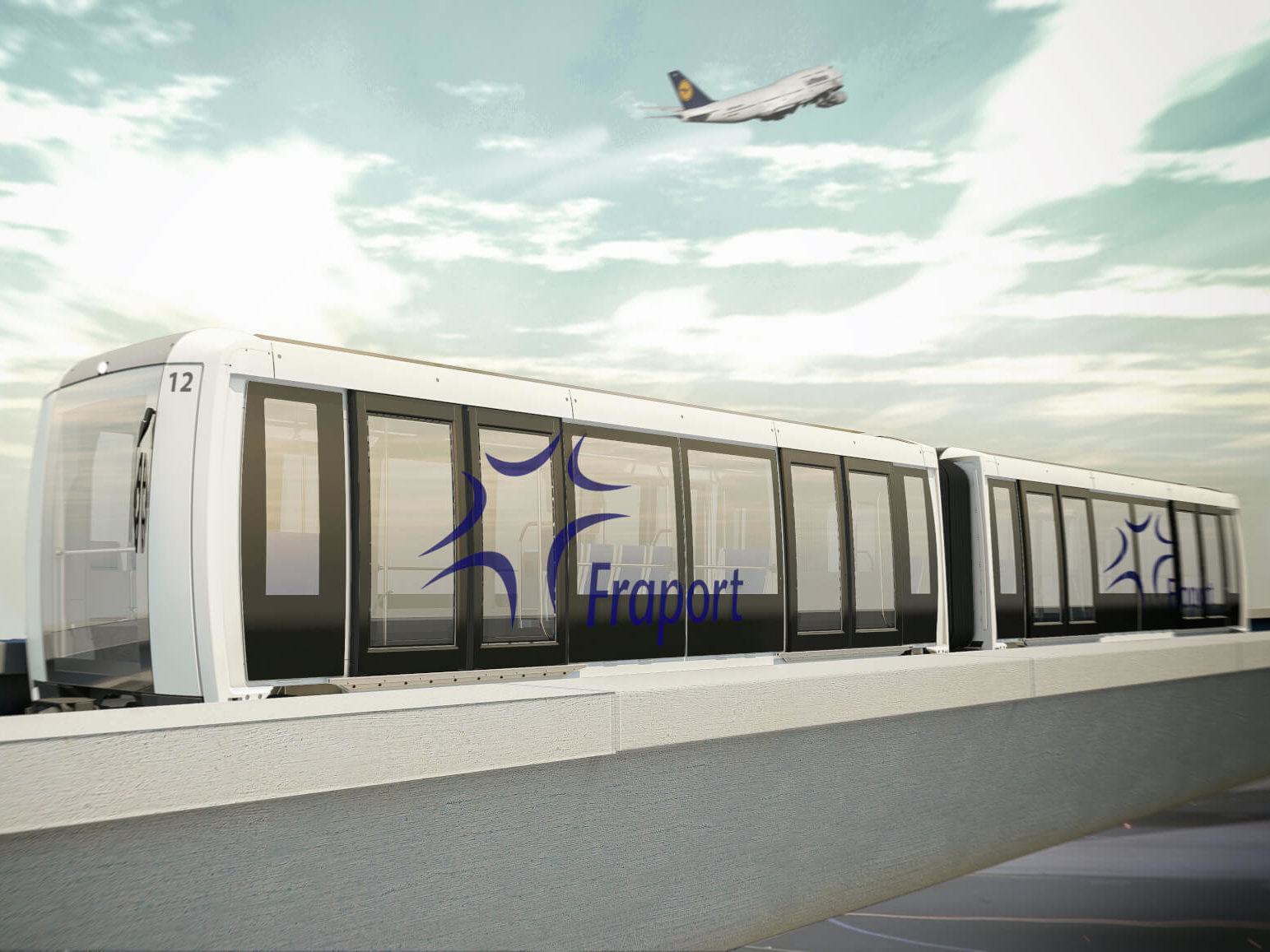
Automated people movers (APMs) are driverless rail systems designed for short-distance, high-frequency transport. They are commonly used in environments such as airports, business districts, urban centres and large campuses. APMs operate on dedicated guideways and are fully automated, offering efficient and reliable passenger transport. This category features suppliers of APM vehicles, systems integration, and infrastructure support.
-
Diesel Locomotives
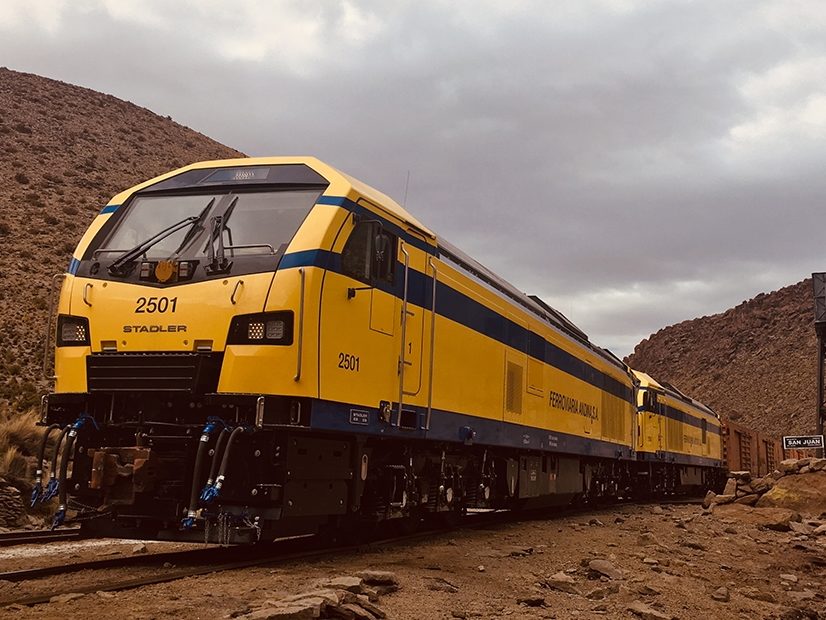
Diesel locomotives are self-powered rail vehicles driven by diesel engines, either through mechanical, hydraulic or electric transmission systems. They are commonly used on non-electrified lines for both passenger and freight services. This category features suppliers of diesel locomotive manufacturing, refurbishment, leasing and component integration for mainline and industrial operations.
-
DMU Railcars
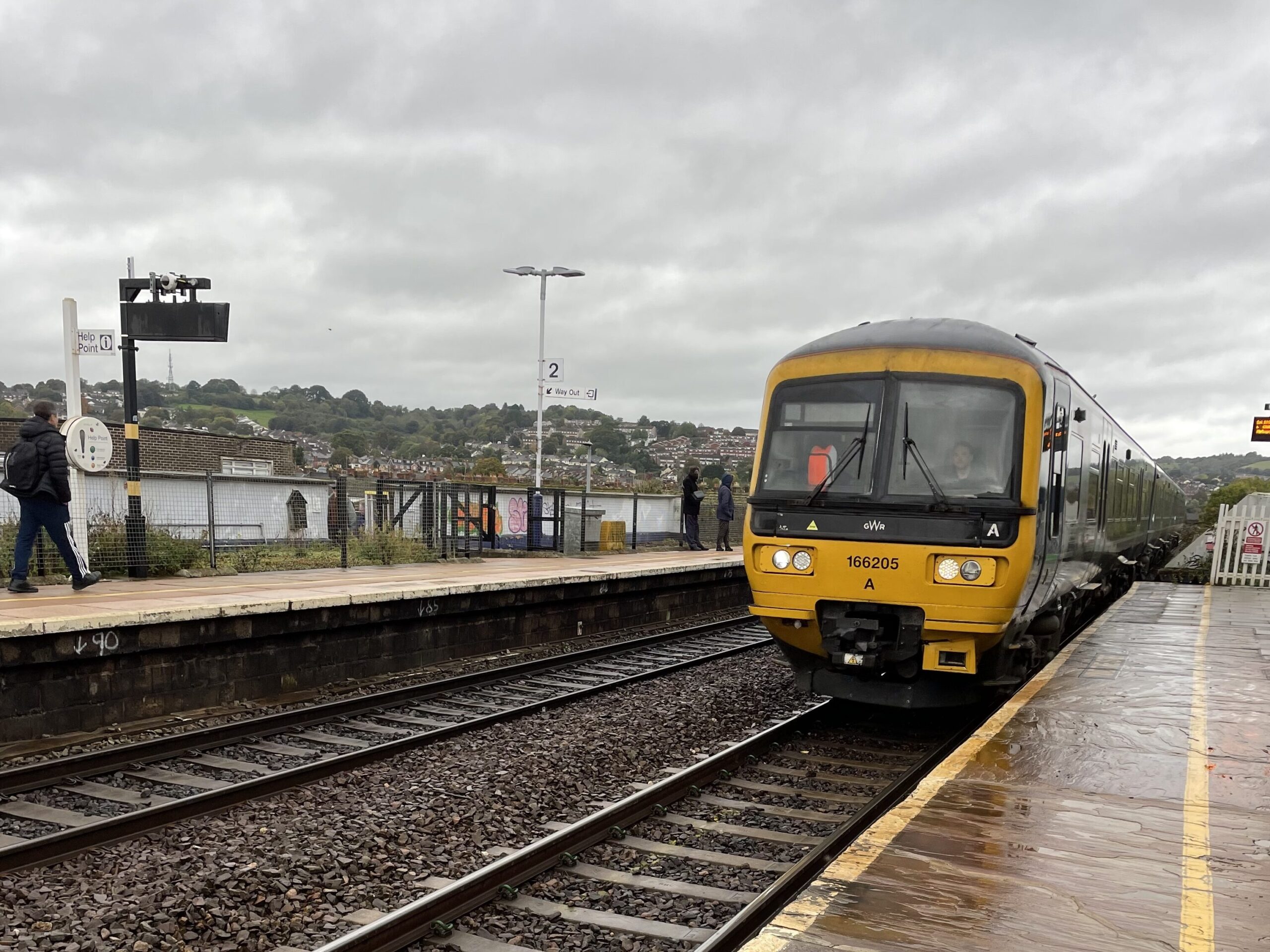
Diesel multiple units (DMUs) are self-propelled trainsets powered by onboard diesel engines distributed across one or more carriages. They operate without the need for a separate locomotive and are commonly used for regional and suburban passenger services on non-electrified lines. Suppliers in this category offer DMU manufacturing, fleet modernisation, leasing and system integration.
-
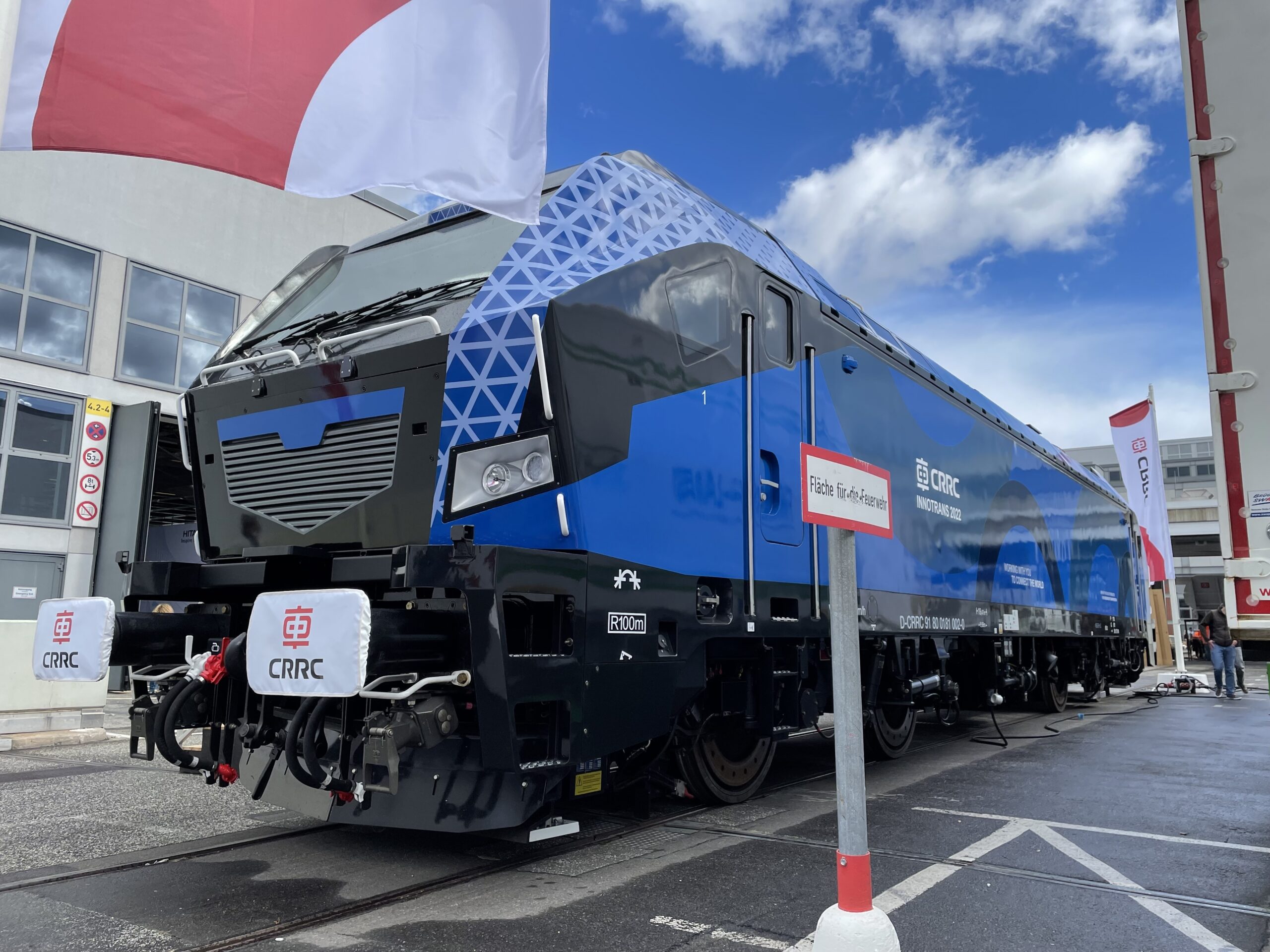
Electric Locomotives
Electric locomotives are powered by electricity drawn from overhead lines, third rail or ground-level systems. They are commonly used for high-speed, intercity and heavy freight operations on electrified rail networks. Electric locomotives offer high efficiency, lower emissions and reduced maintenance compared to diesel alternatives. This category includes suppliers of electric locomotive manufacturing, system integration and fleet support services.
-
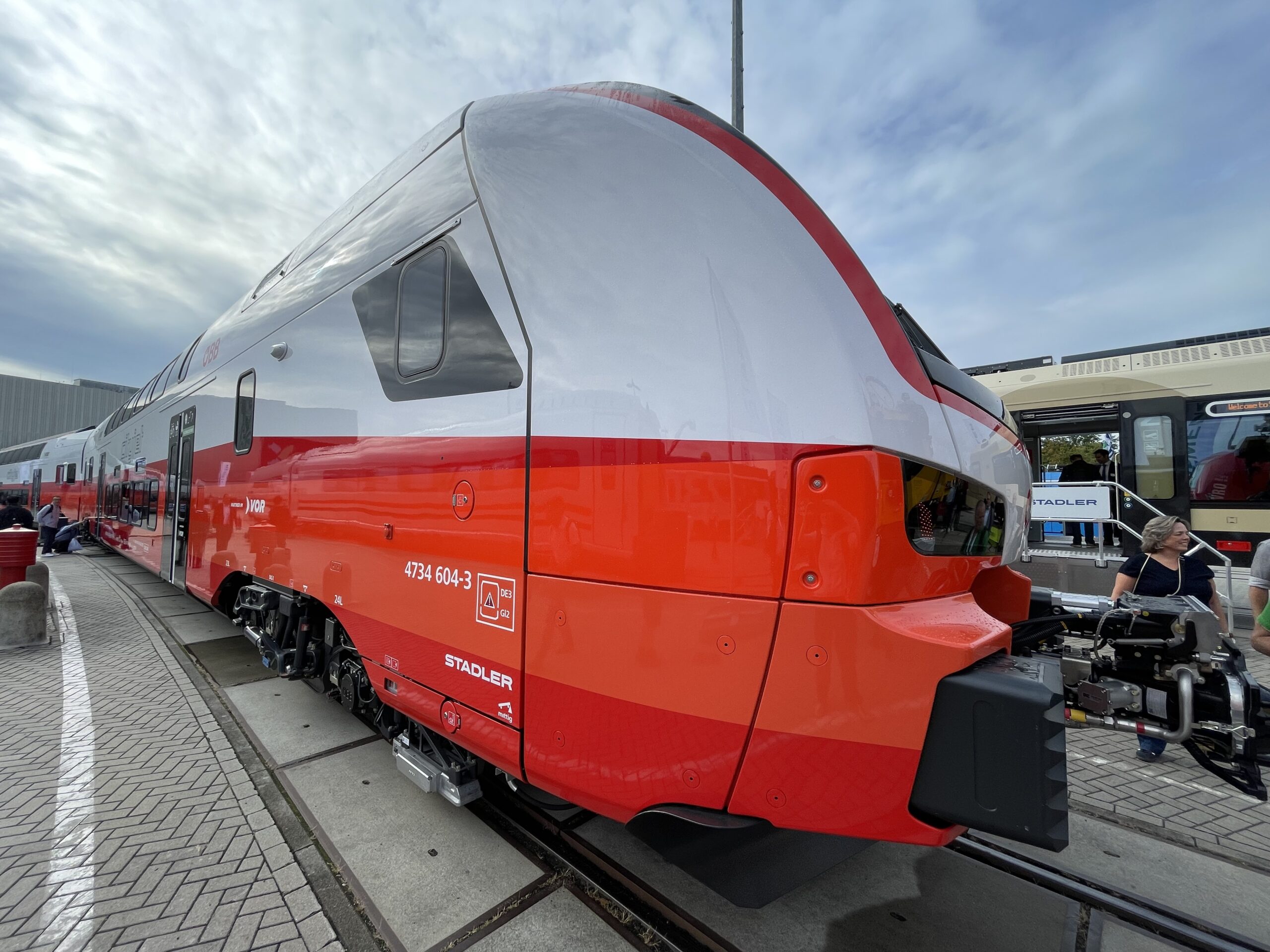
EMU Railcars
Electric multiple units (EMUs) are self-propelled trainsets powered by electricity, with traction equipment distributed across multiple carriages. EMUs are widely used for commuter, regional and high-capacity urban services on electrified lines. They offer fast acceleration, quiet operation and high energy efficiency. This category includes suppliers of EMU manufacturing, system integration, refurbishment and leasing solutions.
-
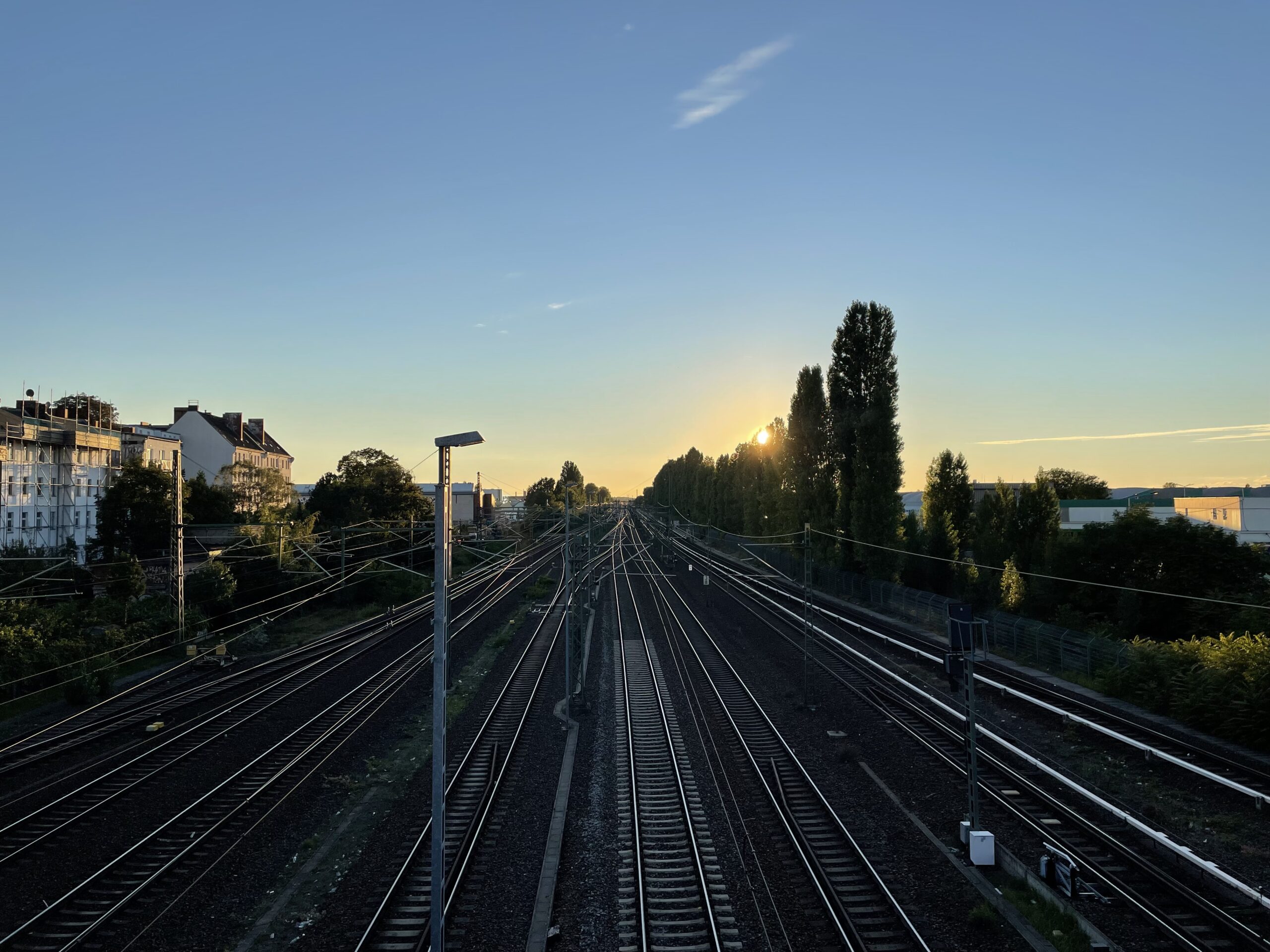
Freight Vehicles
Freight vehicles are rail wagons used to transport goods and materials across the network. These include flat cars, box cars, hopper cars, tank wagons, refrigerated wagons and intermodal container carriers. Suppliers in this category provide freight wagon manufacturing, leasing, customisation and certification services. Solutions are available for bulk cargo, liquids, containers and specialised freight applications across national and international networks.
-
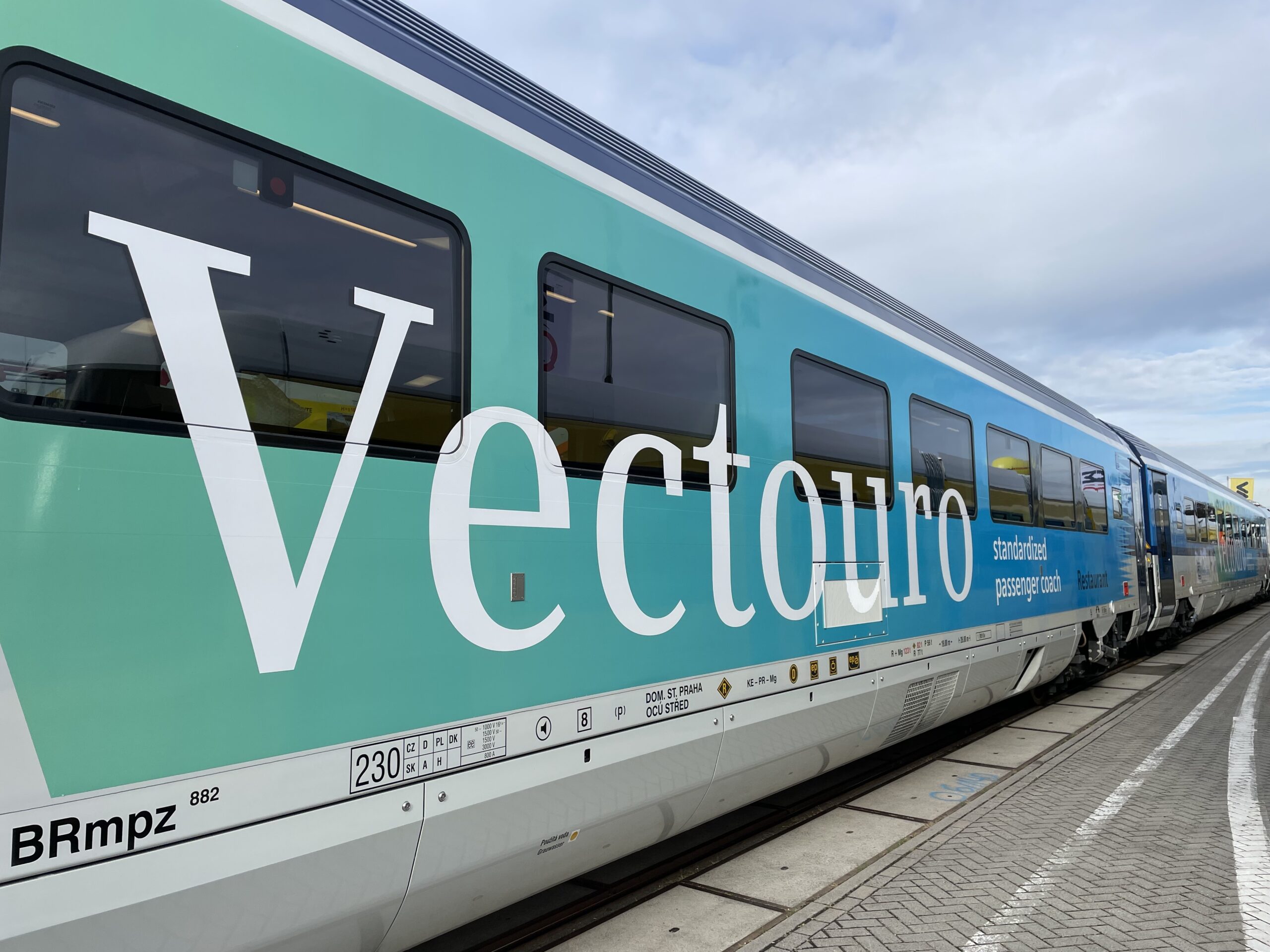
Hauled Passenger Cars
Hauled passenger cars are unpowered rail vehicles pulled by a separate locomotive. They are used in long-distance, intercity and overnight services and can include standard seating cars, sleeping cars, dining cars and more. This category features suppliers involved in the design, manufacturing, modernisation and refurbishment of locomotive-hauled passenger coaches for mainline and international operations.
-
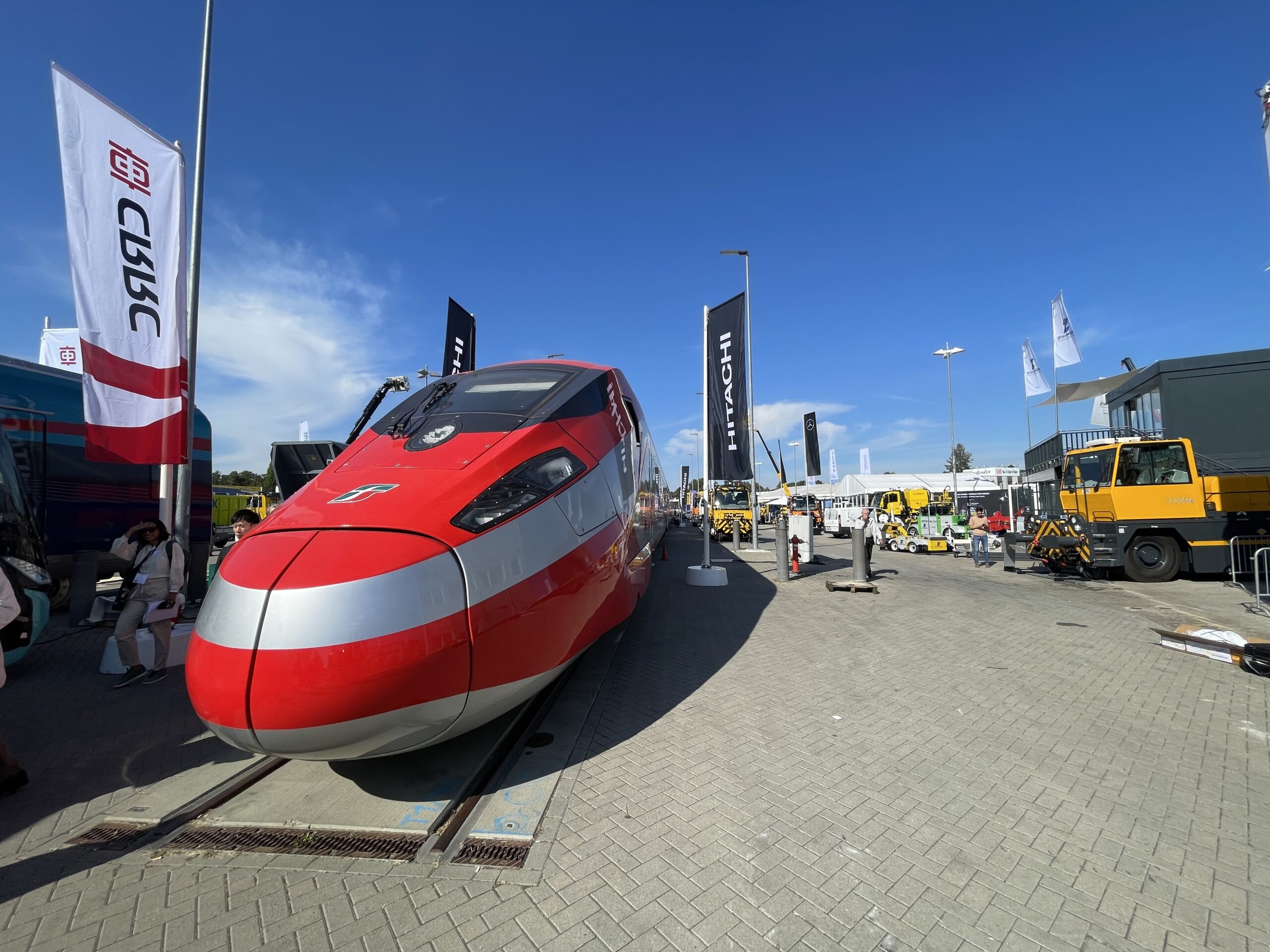
High-Speed Trains
High-speed trains are purpose-built trainsets designed to operate at speeds typically above 250 km/h on dedicated high-speed lines. They feature aerodynamic designs, lightweight materials, and advanced traction and braking systems to maximise performance, safety and passenger comfort. This category includes suppliers of high-speed train design, manufacturing, certification, and system integration for national and international rail networks.
-
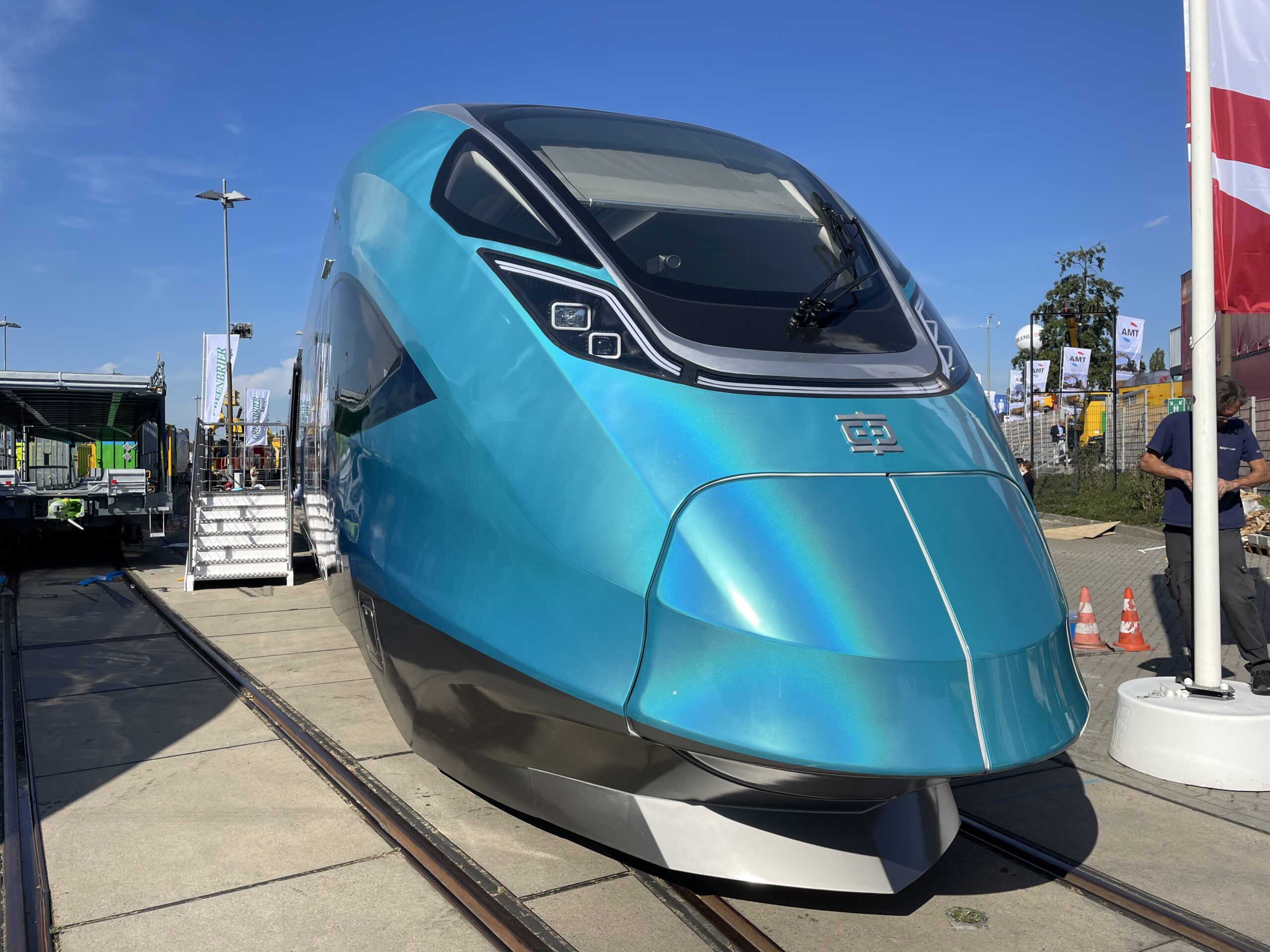
Hydrogen Trains
Hydrogen trains use onboard fuel cells to convert hydrogen into electrical energy, offering a zero-emission alternative to diesel traction. They are ideal for non-electrified routes where electrification is not cost-effective due to low service frequency or speed. Hydrogen trains emit only water vapour at the point of use and contribute to decarbonising rail networks. This category includes suppliers of hydrogen-powered rolling stock, fuel cells, hydrogen storage systems and related traction technologies.
-
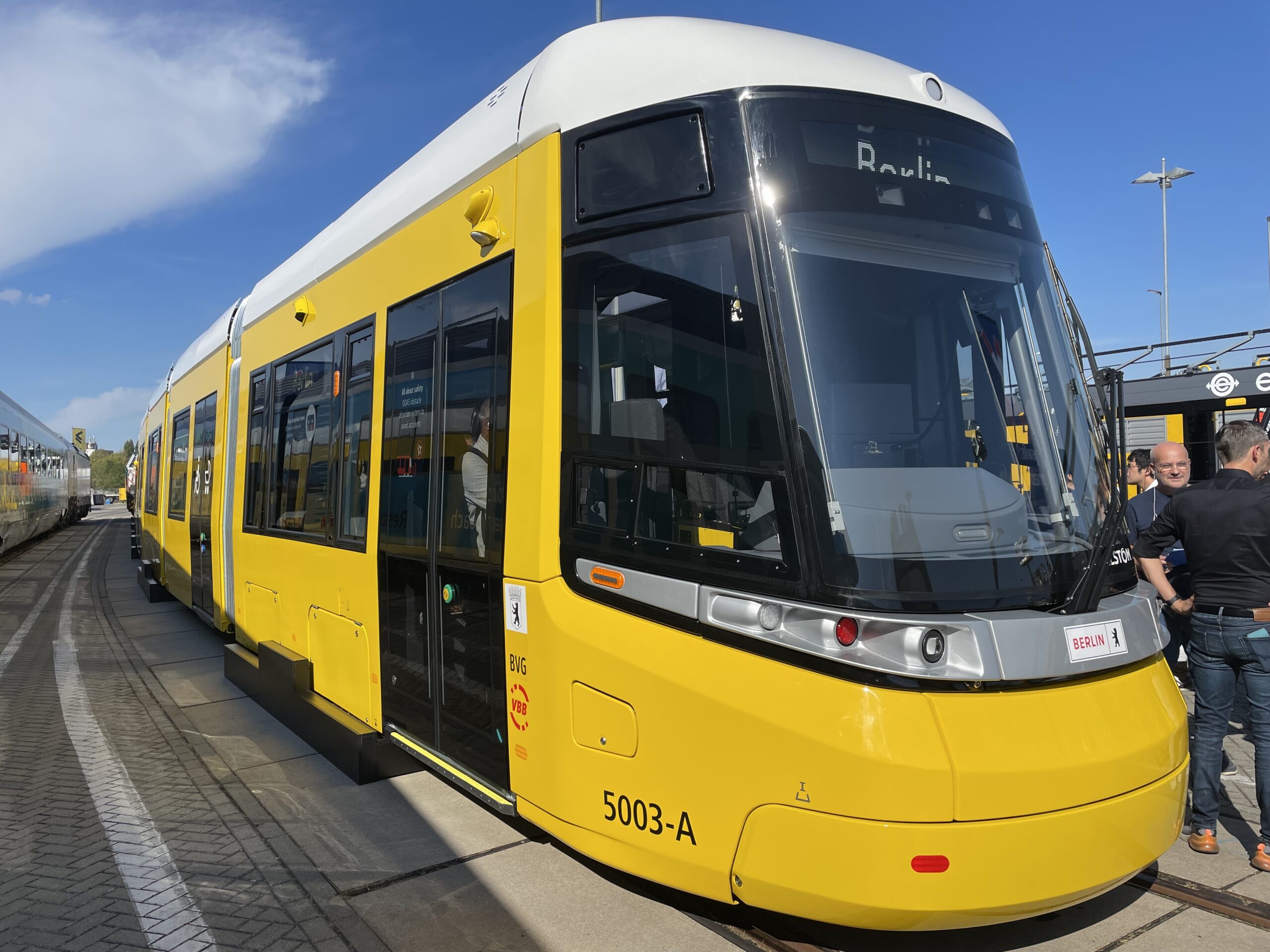
Light Rail · Trams · Tram-Trains
Light rail vehicles (LRVs), including trams and tram-trains, are designed for urban and suburban passenger transport. Trams typically operate on street-level track within city centres, while light rail systems may use dedicated rights-of-way and operate in coupled trainsets. Tram-trains can run on both tram and mainline networks, bridging urban and regional travel. This category features suppliers of vehicle design, manufacturing, integration and modernisation for light rail systems.
-
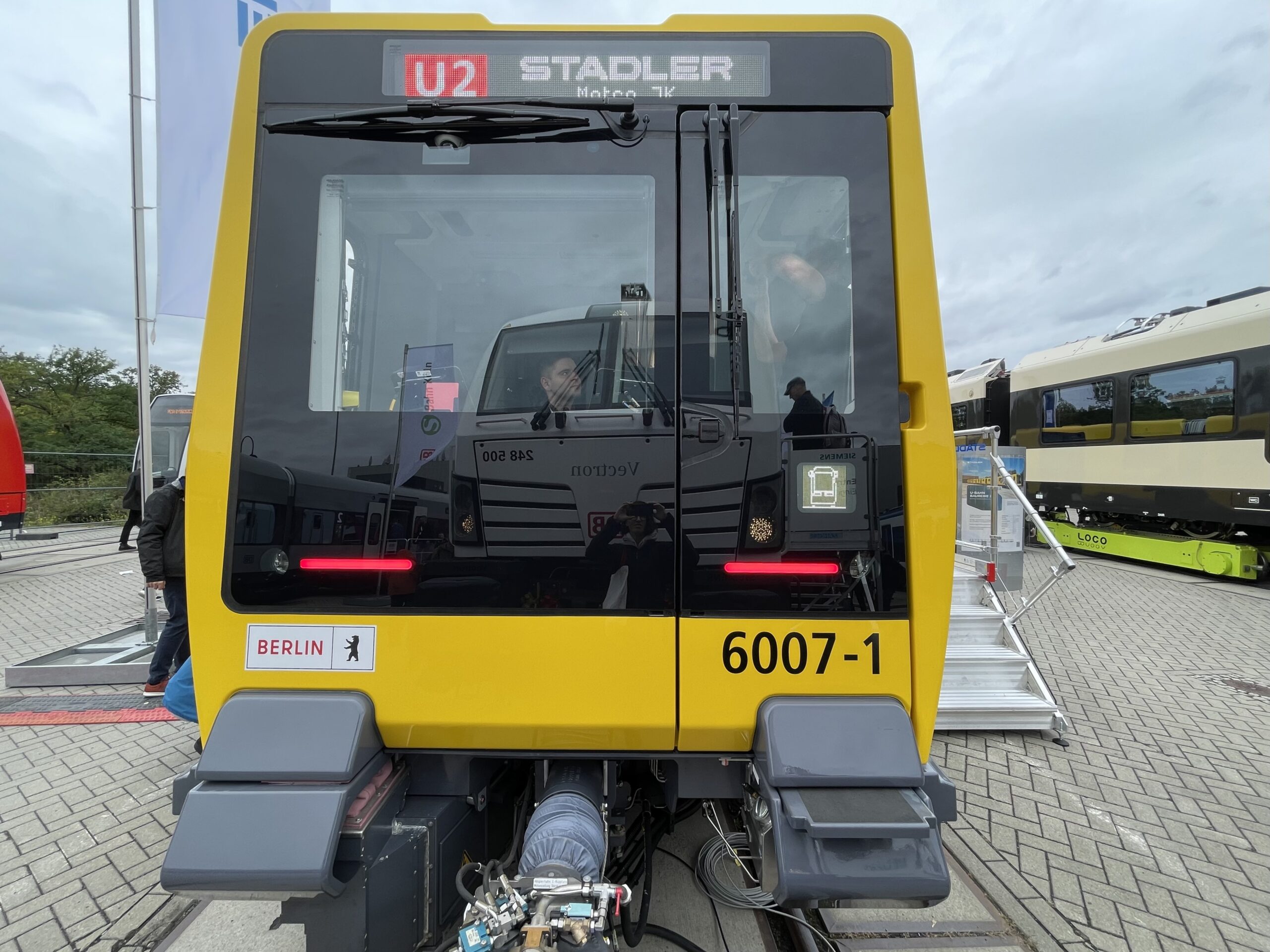
Metro Cars
Metro cars are electric multiple unit (EMU) vehicles used in high-frequency urban transit systems. Designed for rapid acceleration, quick boarding and short dwell times, they operate on dedicated tracks with third-rail or overhead power supply. Metro cars are optimised for high passenger capacity and frequent stops, making them ideal for dense city networks. This category features suppliers of metro car manufacturing, system design, refurbishment and rolling stock integration.
-
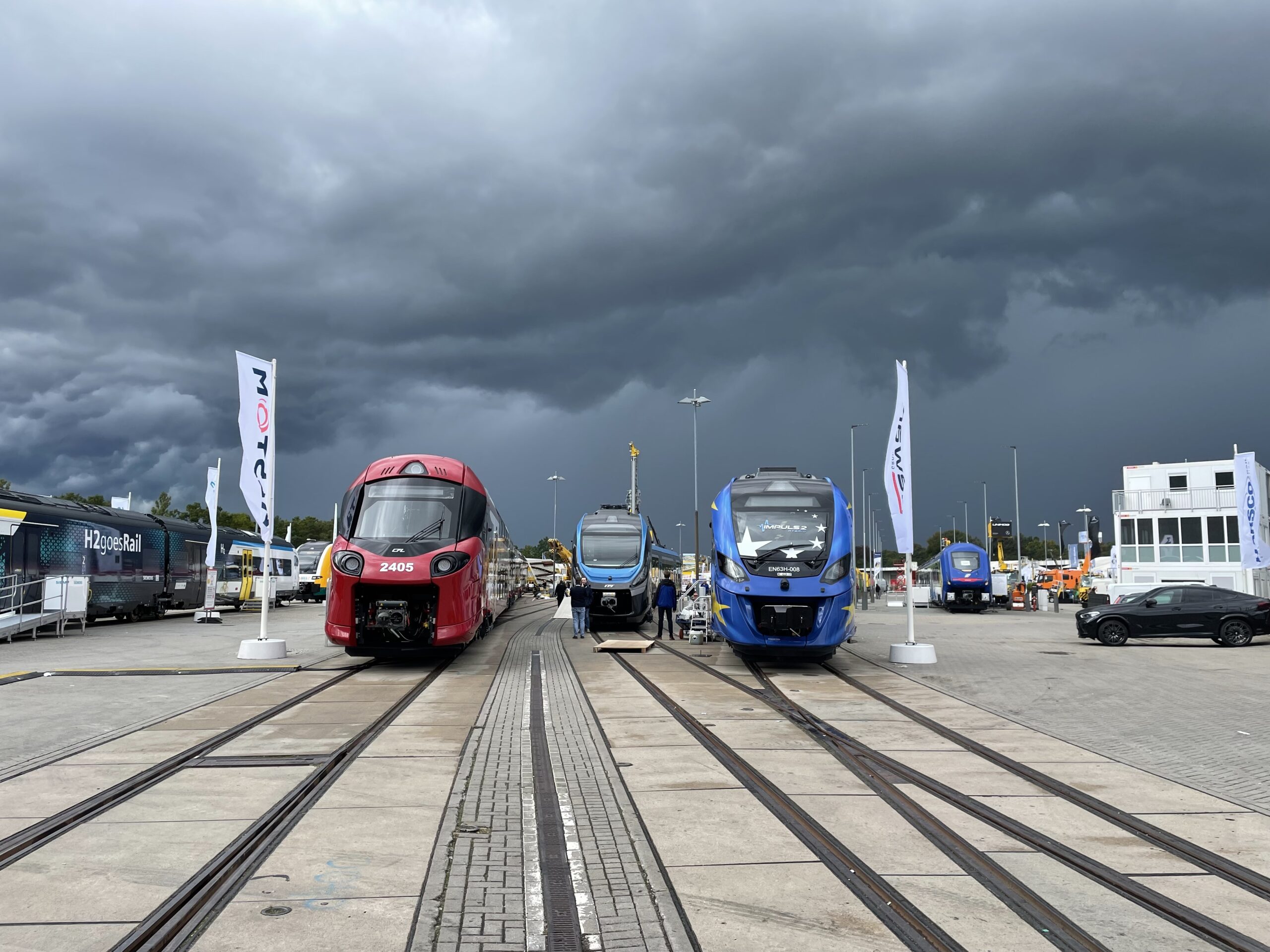
Other Rolling Stock Vehicles
This category covers all types of rolling stock not captured by the other vehicle categories such as hybrid vehicles, BEMUs, maglevs and more.
-
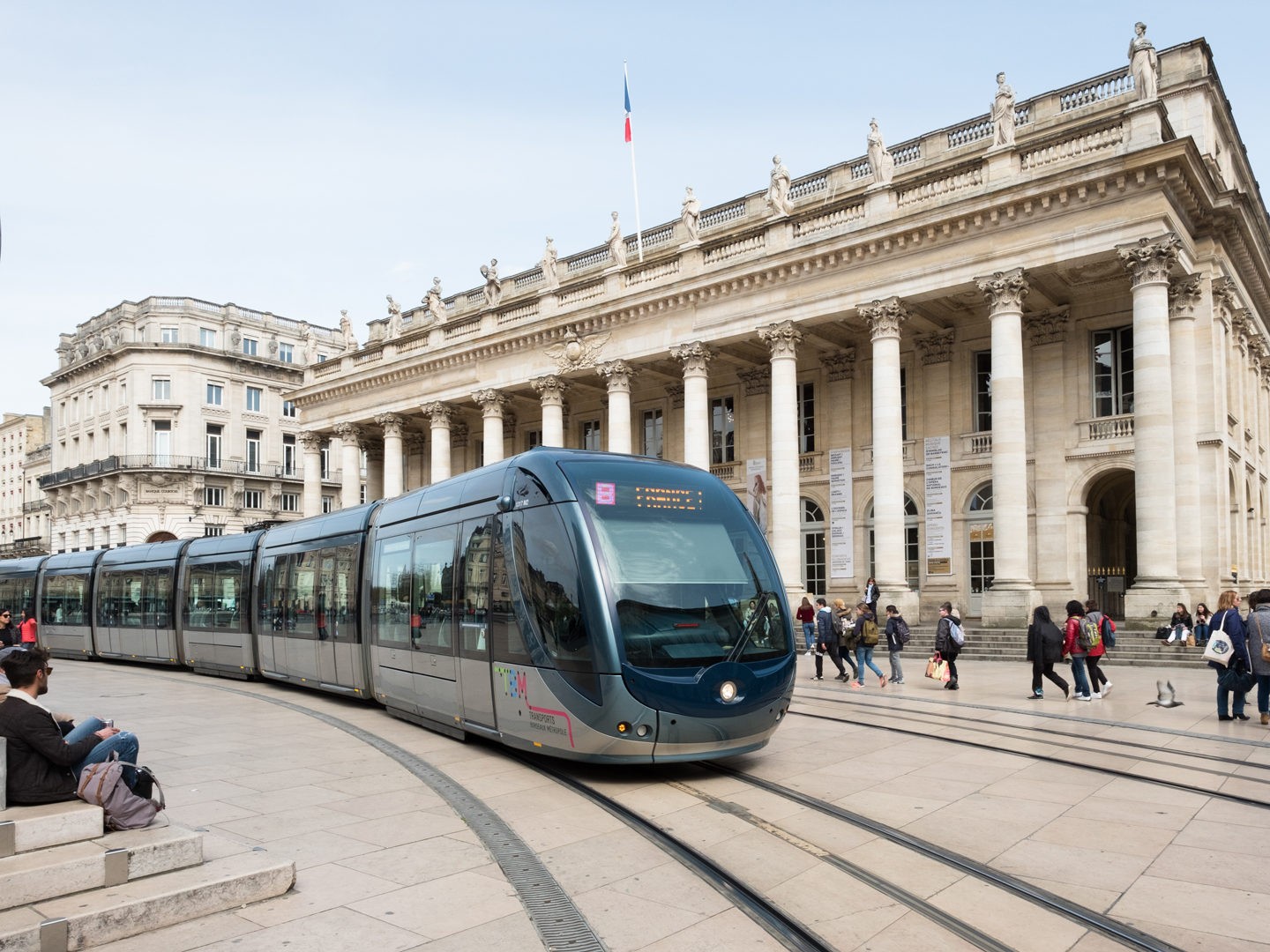
Powered Vehicles
Powered rail vehicles include locomotives and multiple units driven by electric, diesel, hybrid or hydrogen traction systems. These vehicles contain onboard power systems for propulsion and may operate individually or in consist formations. Powered vehicles are essential for both passenger and freight services, with suppliers providing complete rolling stock as well as components such as traction systems, drive units and energy storage solutions.
-
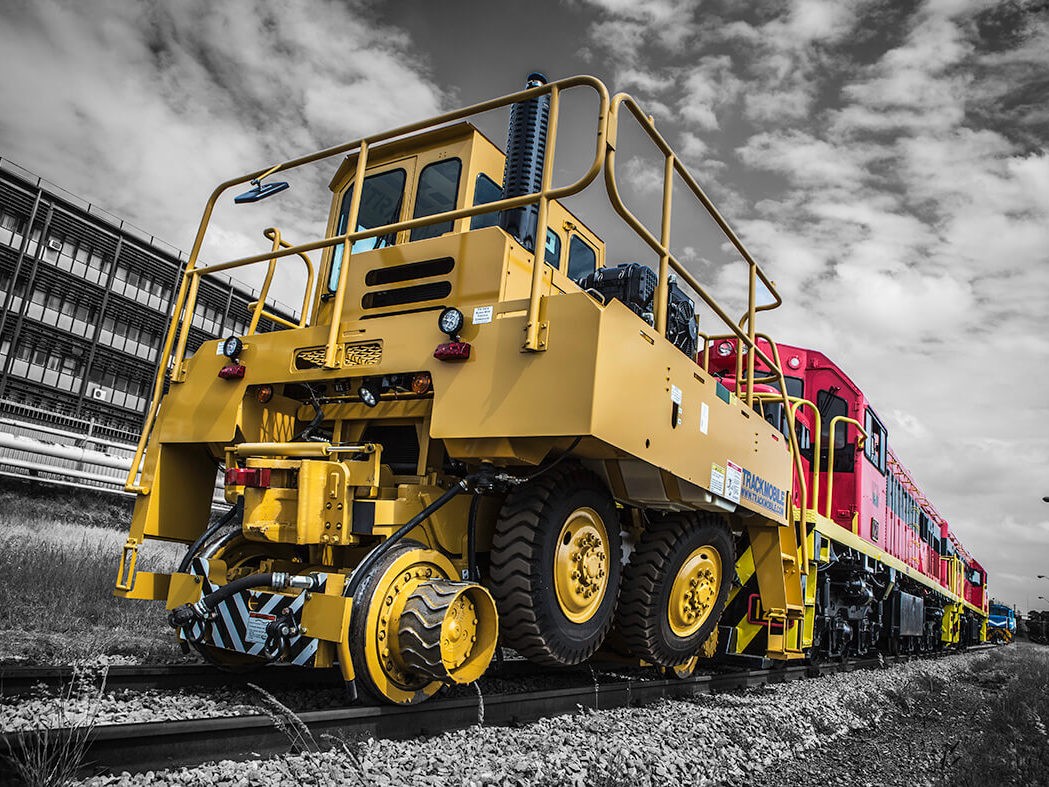
Shunting Locomotives
Shunting locomotives, also known as switchers, are specialised engines used to move rolling stock over short distances in yards, depots and terminals. They are essential for assembling trains, repositioning wagons and handling last-mile freight operations. Typically designed for high torque at low speeds, shunters may be diesel, electric or hybrid powered. This category features manufacturers and suppliers of shunting locomotives and related technologies.
-
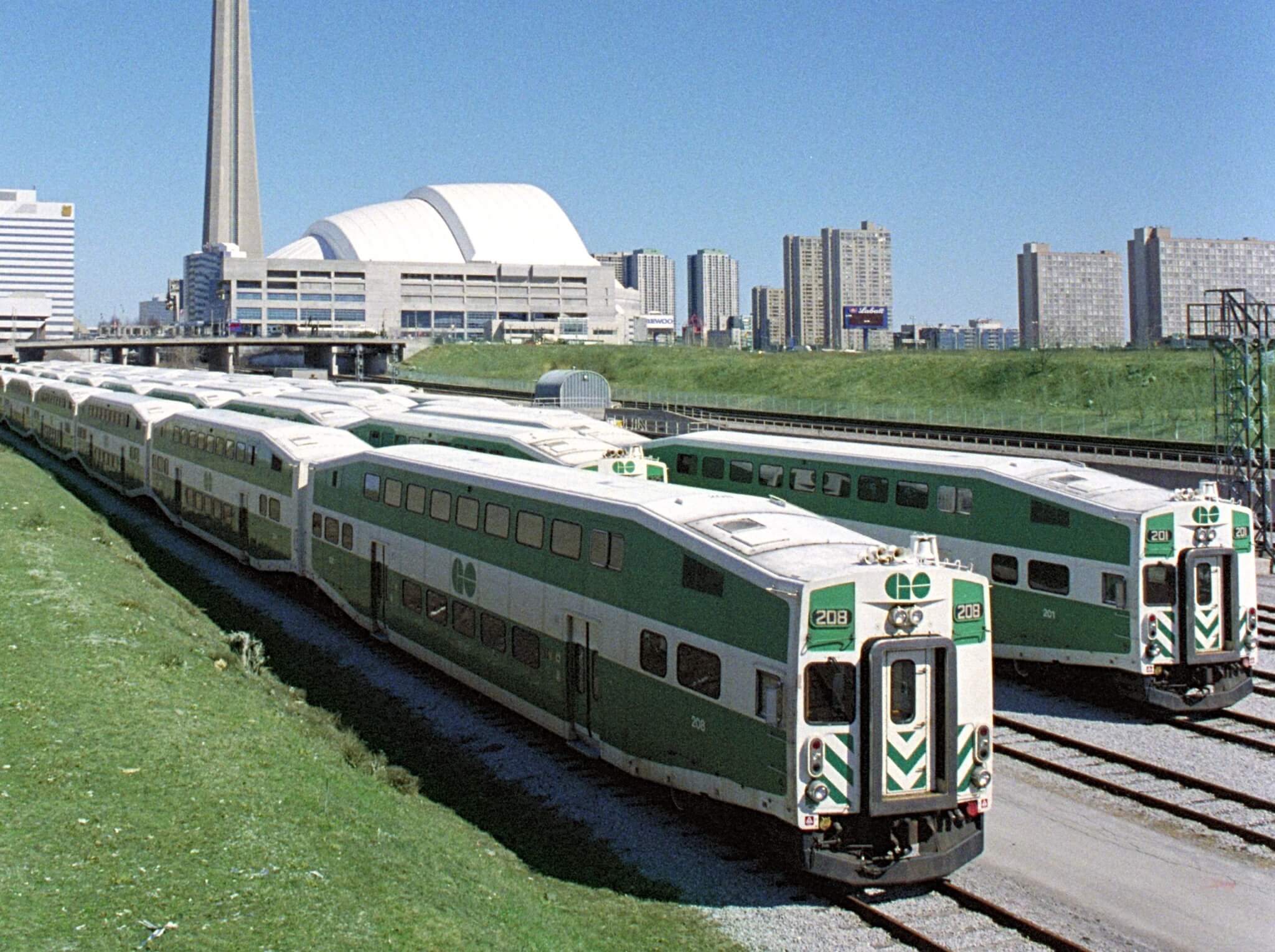
Unpowered Railway Vehicles
Unpowered railway vehicles include passenger coaches, sleeper cars and other rail vehicles that do not have their own propulsion systems. These vehicles are hauled by powered locomotives and are essential components of many long-distance and regional services. This category includes suppliers of unpowered rolling stock, interior fit-outs and components such as bogies, couplers and braking systems.
Rolling Stock News
-
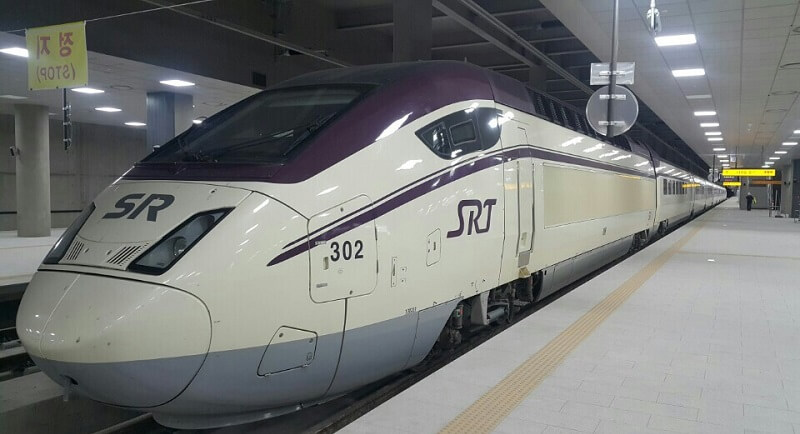
South Korea: Sudokwon High-Speed Line Opens
The South Korea Sudokwon high-speed line – for which Alstom supplied the interlocking system as well as the associated engineering services …
-
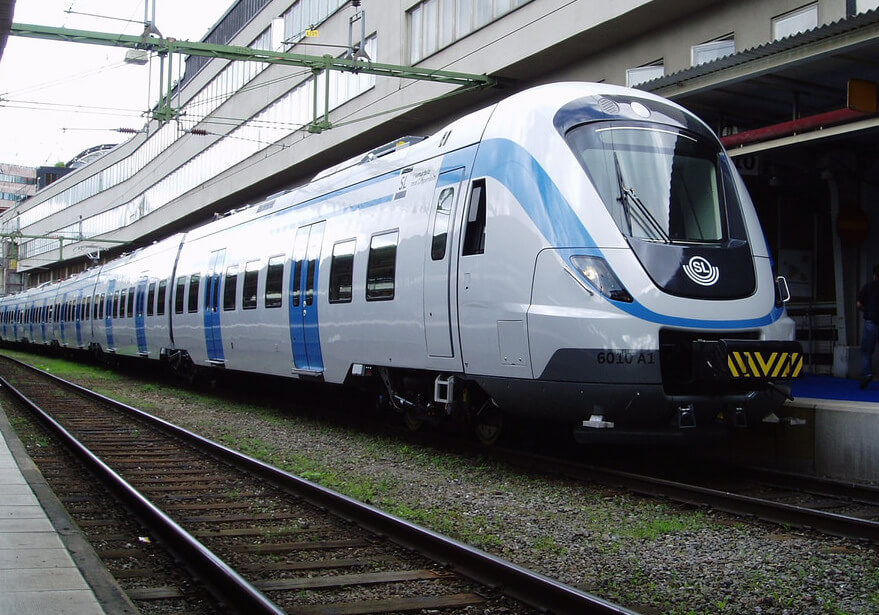
MTR Corporation Takes Over Stockholm Commuter Rail
MTR Corporation, the holder of the London Crossrail concession, is taking over another major European commuter rail service, the Stockholm P…
-

The Fourth Railway Package: Next stop, better rail services!
Ever had a stressful train trip across EU borders? The Fourth Railway Package is new legislation passed by the European Parliament, intended…
-
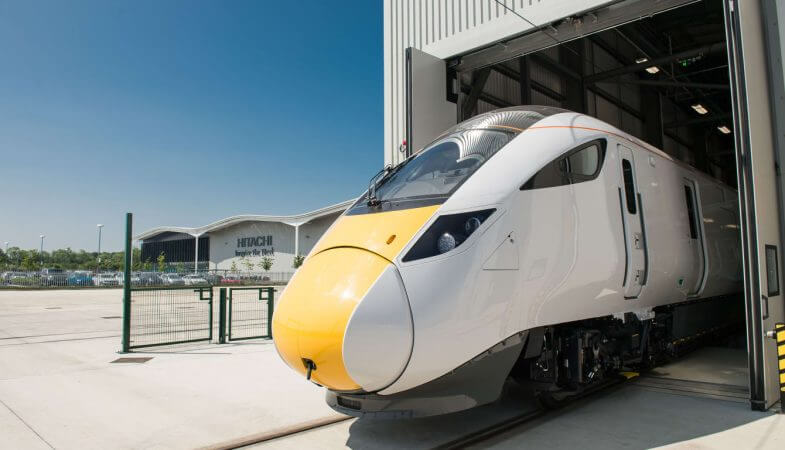
Hitachi Unveils First UK Built Intercity Express Train
Hitachi Rail Europe (HRE), a global rail specialist with over 100 years of industry expertise, today celebrates the first Intercity Express …
-
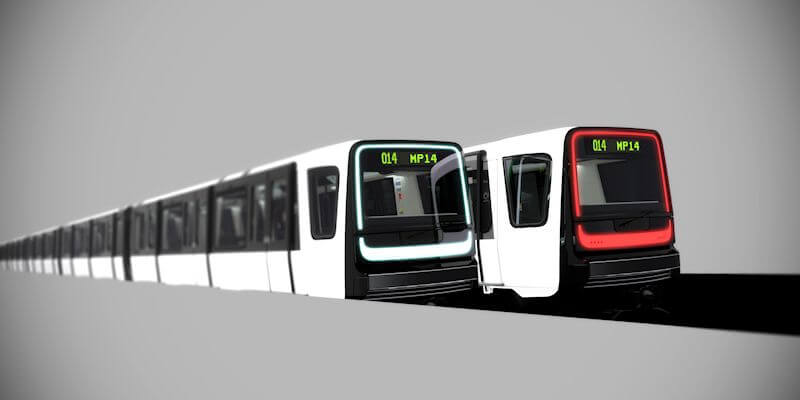
Alstom to Supply 20 Extra MP14 Trains to Line 4 of the Paris Metro
Alstom is to supply 20 MP14 trains consisting of 6 cars each to the STIF and the RATP for an amount of €163 million as part of the automatio…
-

Siemens to Build New Streetcars for Charlotte Area Transit System
The Charlotte City Council chose Siemens to build six new S70 streetcars for the Charlotte Area Transit System (CATS), the public transit...
-
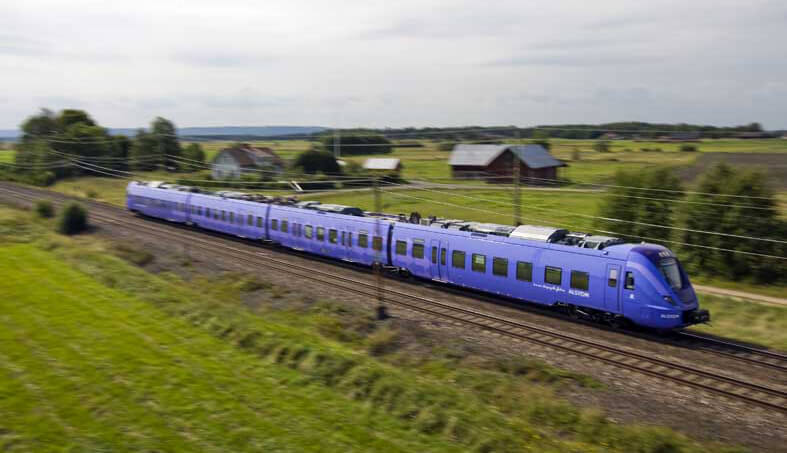
Delivery of 30 Coradia Regional Trains to Sweden Begins
Alstom has started the delivery of the 30 additional Coradia regional trains ordered by Skånetrafiken at the beginning of 2015. As per the c…
-
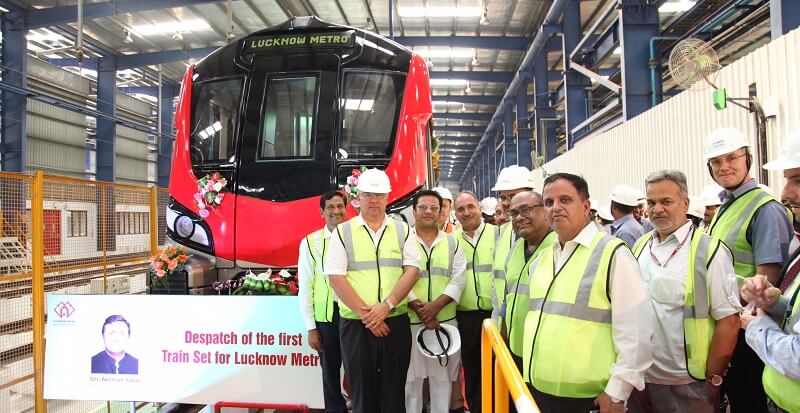
Alstom Delivers Ahead of Schedule the First Lucknow Metro Trainset
Alstom has delivered ahead of schedule the first Metropolis trainset to Lucknow Metro Rail Corporation (LMRC). On 01 December, 2016, the met…
-
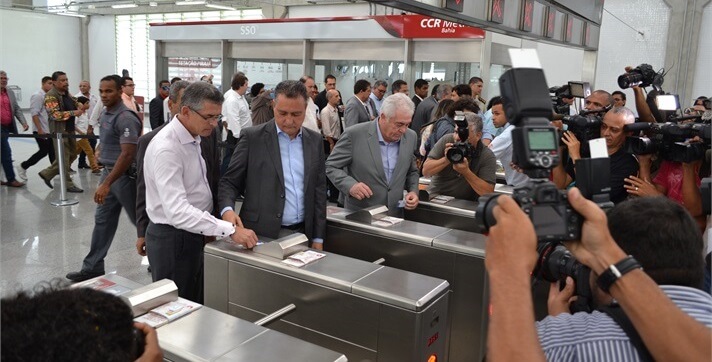
Brazil: Salvador Metro Line 2 Opens
Less than two years after the work order that authorised the beginning of the works, Salvador Metro Line 2 received its first passengers. On…
-
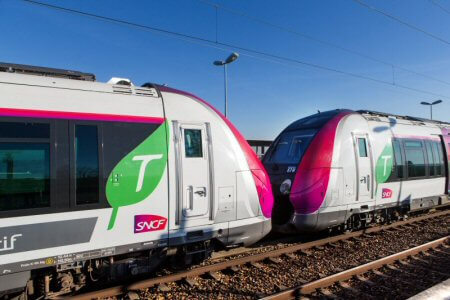
Bombardier to Supply 52 Additional Commuter Trains to STIF and SNCF
-
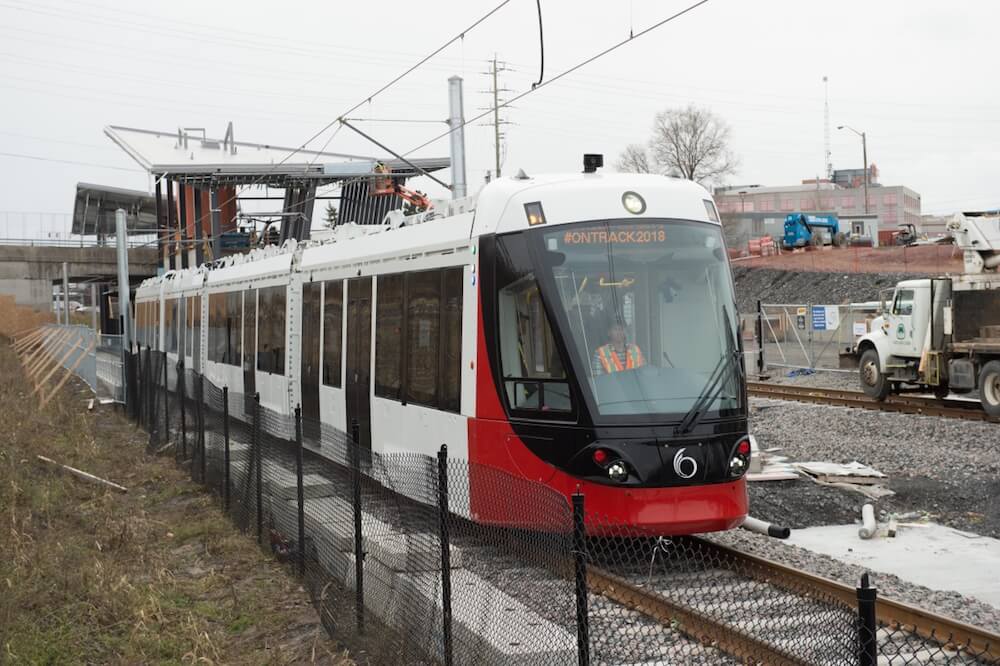
Vehicle Testing Marks Major Milestone for O-Train Confederation Line
A major milestone in the O-Train Confederation Line Light Rail Transit (LRT) project was celebrated as the first light rail vehicle (LRV) as…
-
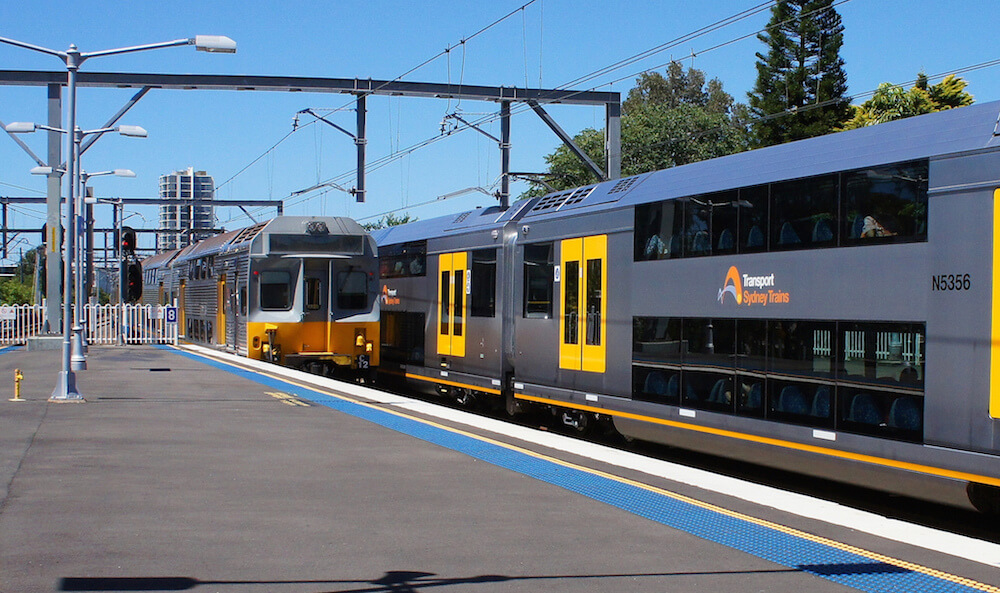
NSW Announces 'More Trains, More Services' Investment Programme
More Trains, More Services is a $1.5 billion capital investment programme that will boost capacity through hundreds of extra services, bette…
-
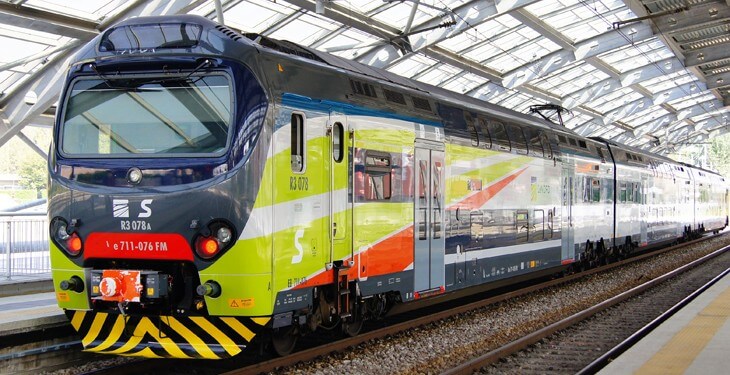
Hitachi Rail Italy Awarded €108m Maintenance Contracts
Hitachi Rail Italy has been awarded three Service contracts for a total amount of 108 million Euros. They are for the provision of maintenan…
-
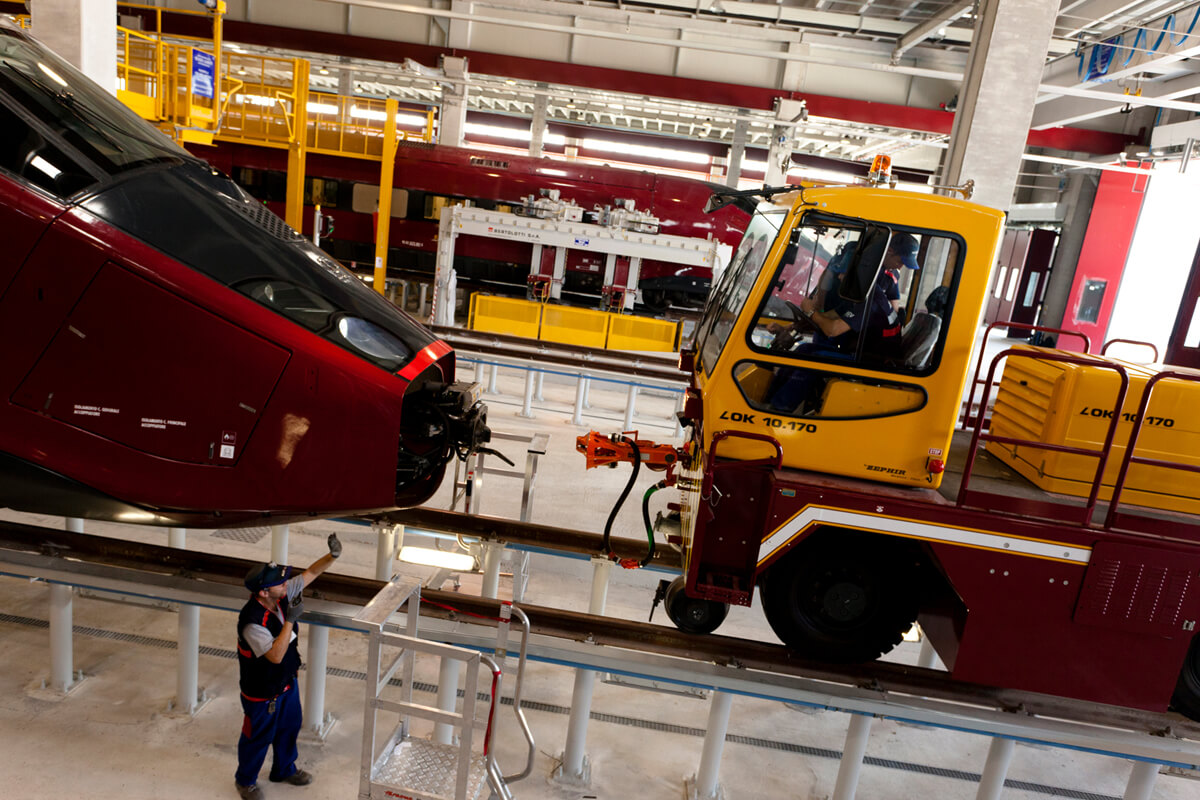
French Government and Alstom Present the Progress of Belfort Site
The Government and CEO of Alstom, presented the progress of the commitments made by the Government and Alstom for the activities at the Belf…
-
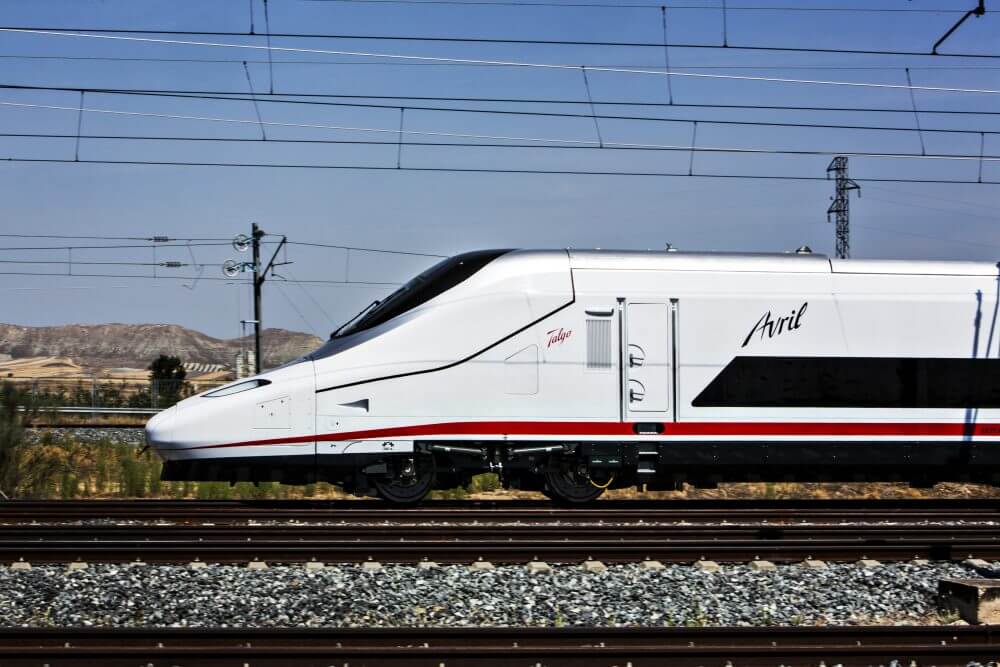
Renfe Selects Talgo for High-Speed Trains Contract
Spanish railways operator Renfe has awarded Talgo a contract for the supply of 15 very high-speed trains with a maximum commercial speed of …
-
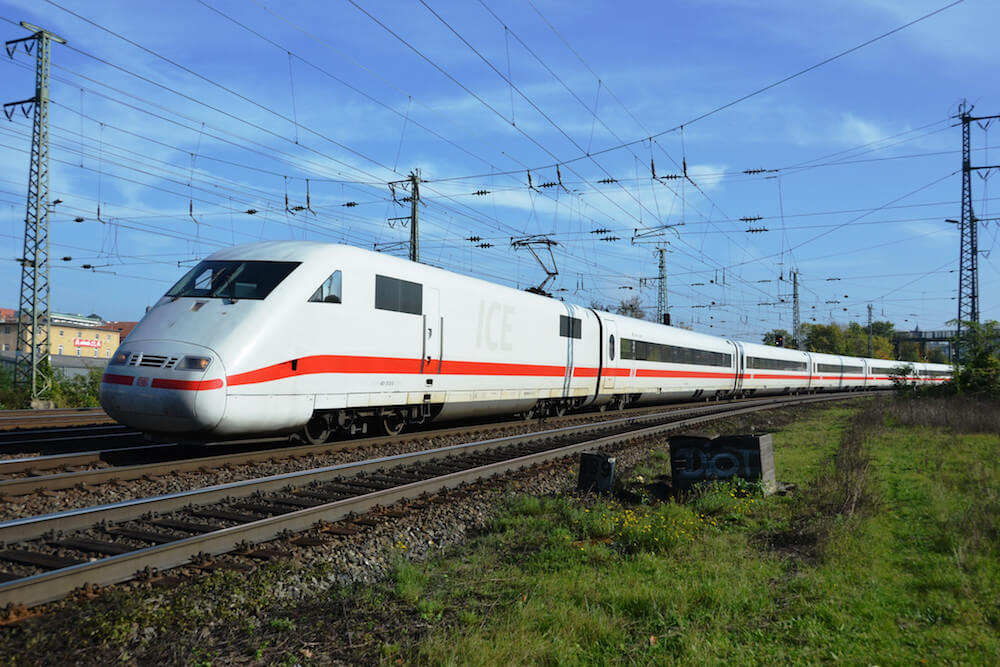
German Railway Industry Demands Policies for More Rail Transport
The eight associations of the German railway industry recently presented three common political demands for the Bundestag election and for t…
-
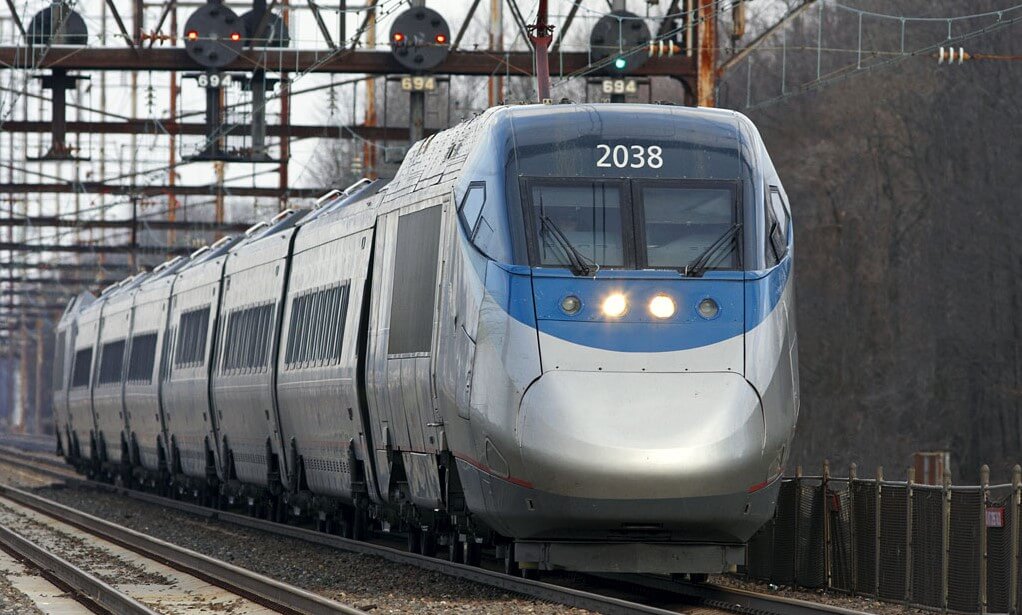
US FRA Propose Safety Standard Updates for High-Speed Trains
The FRA have proposed updates for the passenger train safety standards used in the United States as the country looks to add high-speed trai…
-
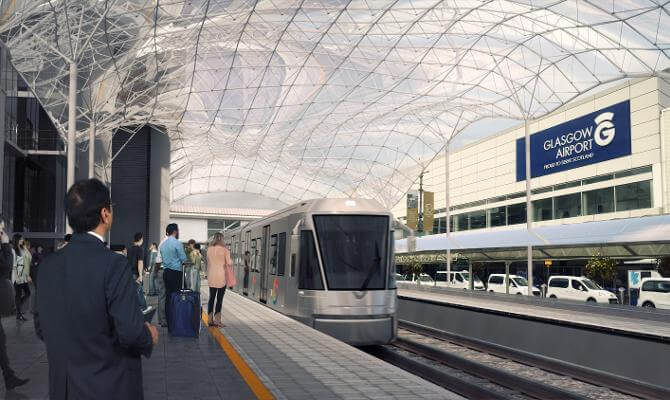
Tram-Train Link Between Glasgow Airport and City Centre Proposed
The £144m Glasgow Airport Access Project, which is the flagship project for the £1.13 billion Glasgow City Region City deal...designed tram-…
-
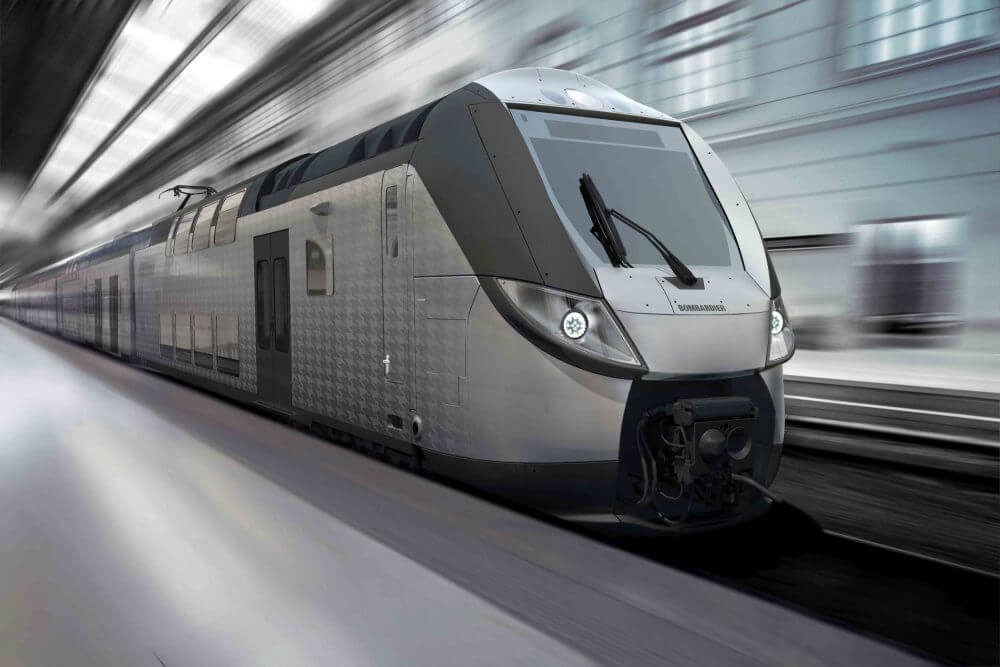
SNCF Orders 40 Premium Double Deck EMUs for Normandy Region
Bombardier Transportation today announced it has received an option order for 40 OMNEO Premium double deck EMUs from SNCF on behalf of the N…
-
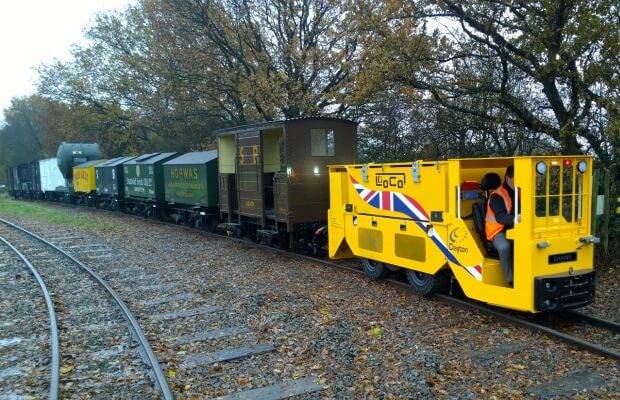
Clayton Equipment Demonstrates New Tunnelling Locomotive
Clayton Equipment successfully demonstrated the new LoCo™, a low cost, high performance tunnelling locomotive, at the unique Statfold Barn R…
-
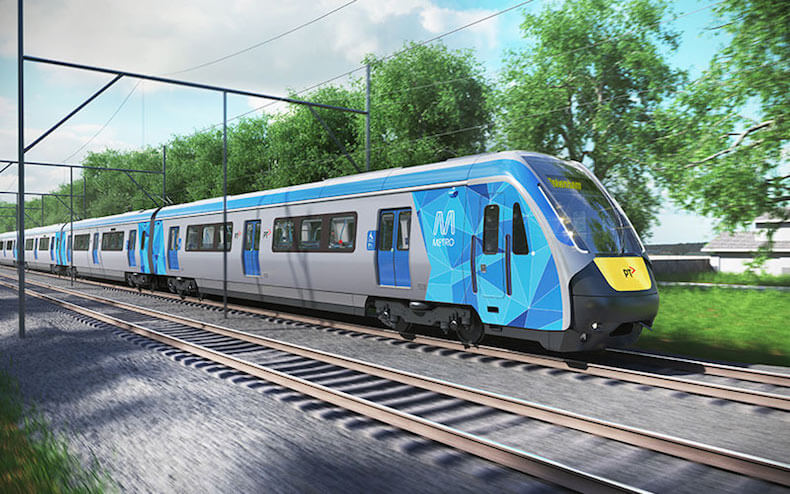
Melbourne High Capacity Metro Trains Contract Signed
Minister for Public Transport Jacinta Allan recently announced that a consortium led by Downer Rail will build the 65 High Capacity Metro Tr…
-
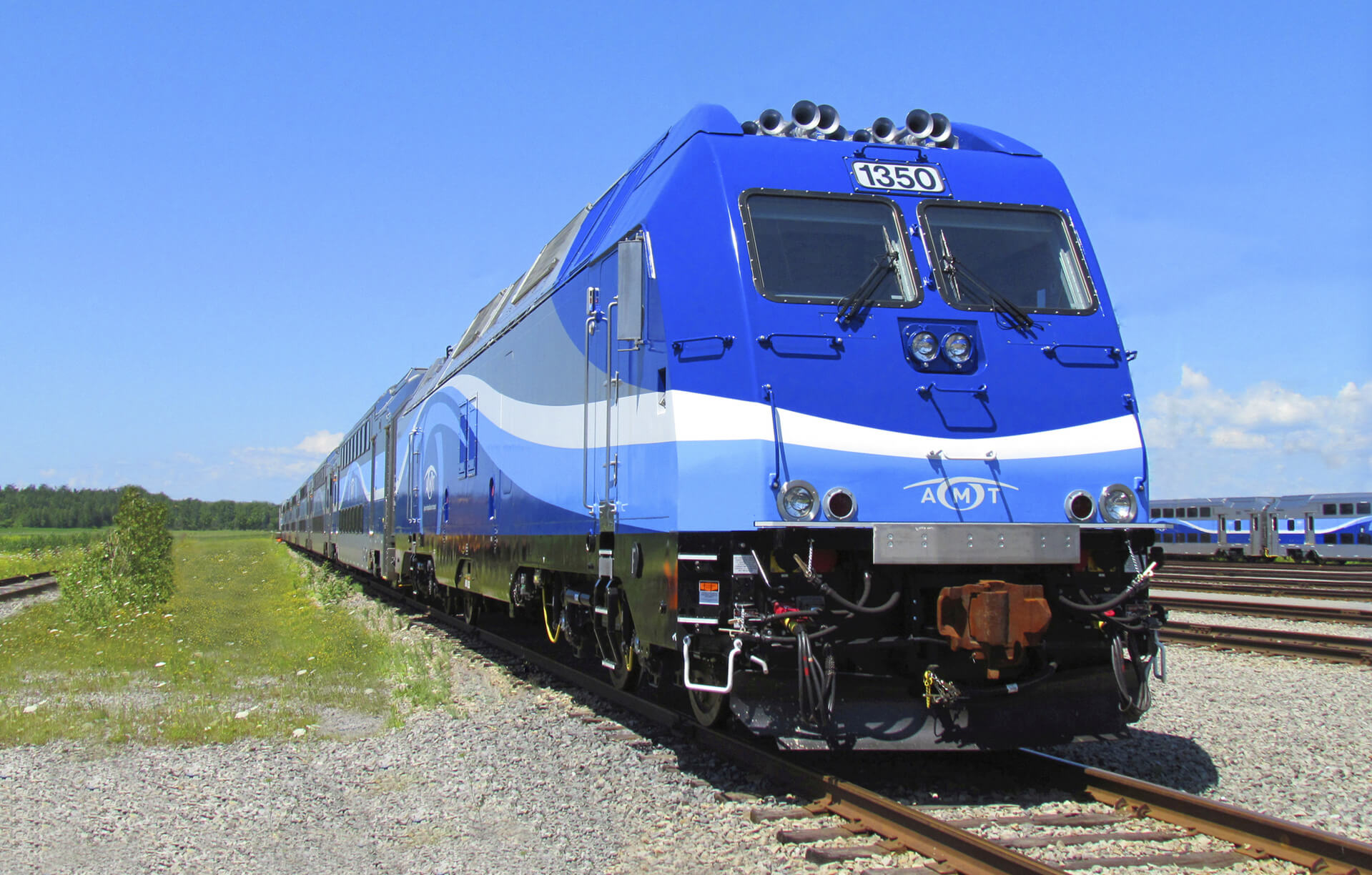
Bombardier Wins Montréal Fleet Operations and Maintenance Contract
Rail technology leader Bombardier Transportation announced that it has been awarded an eight-year contract by Montreal’s Agence Métropolitai…
-
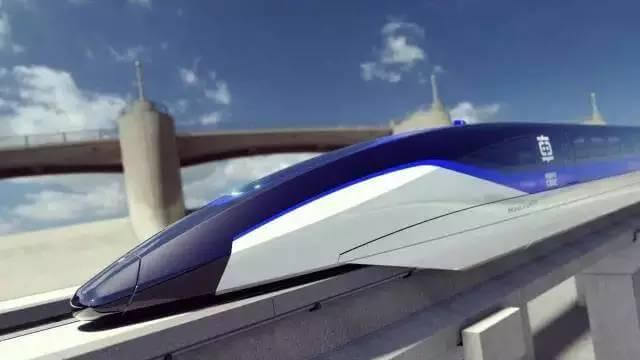
China's High-Speed Maglev Test Line to Complete in 2021
A high-speed maglev test line in Qingdao, with a length of no less than 5 kilometres, is expected to be completed by 2021. Shandong province…
-
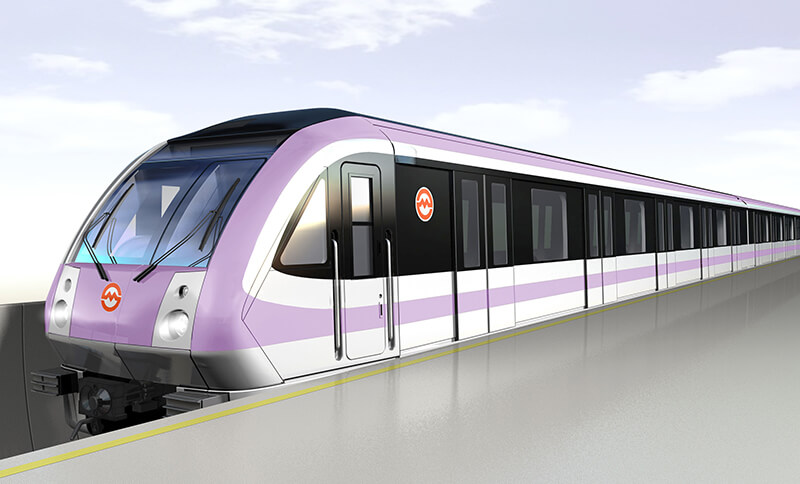
Alstom Awarded Shanghai Traction and Monitoring Contract
Alstom has been awarded a contract worth 31 million euros to supply traction systems and train control monitoring systems (TCMS) for 156 met…