Introduction
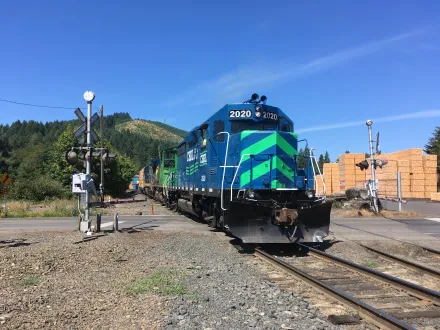
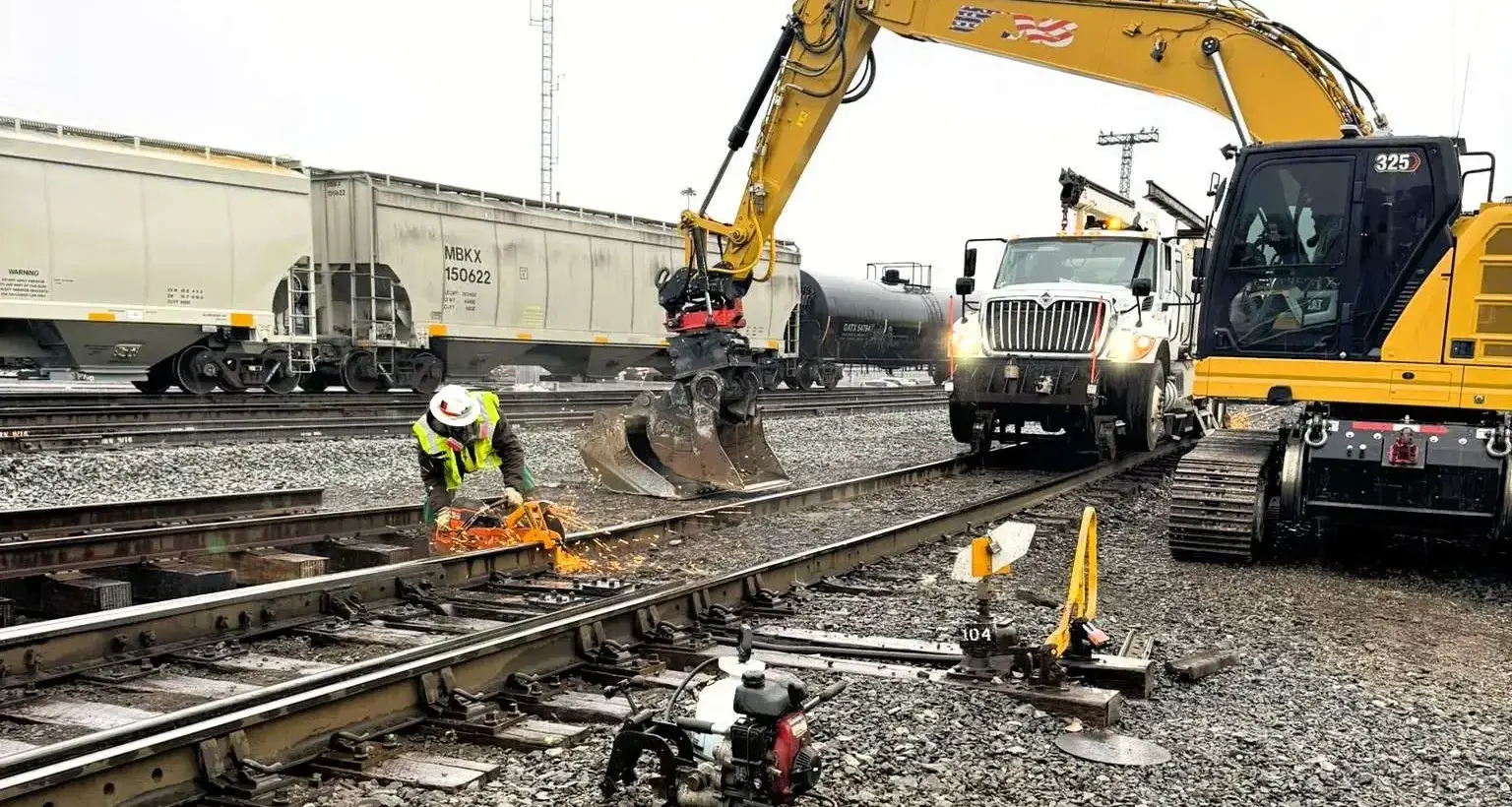
In 2009 Network Rail decided that the up line through Bradley Junction was life expired and would not be able to carry the proposed increase in annual tonnage from 6 million to 11 million.
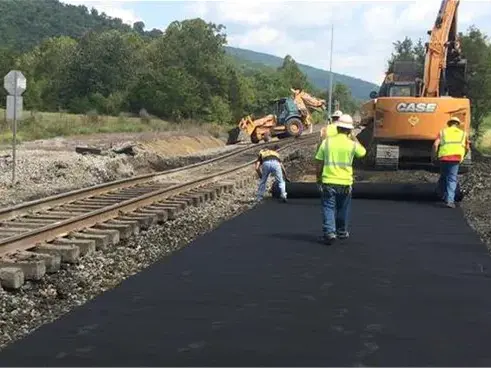
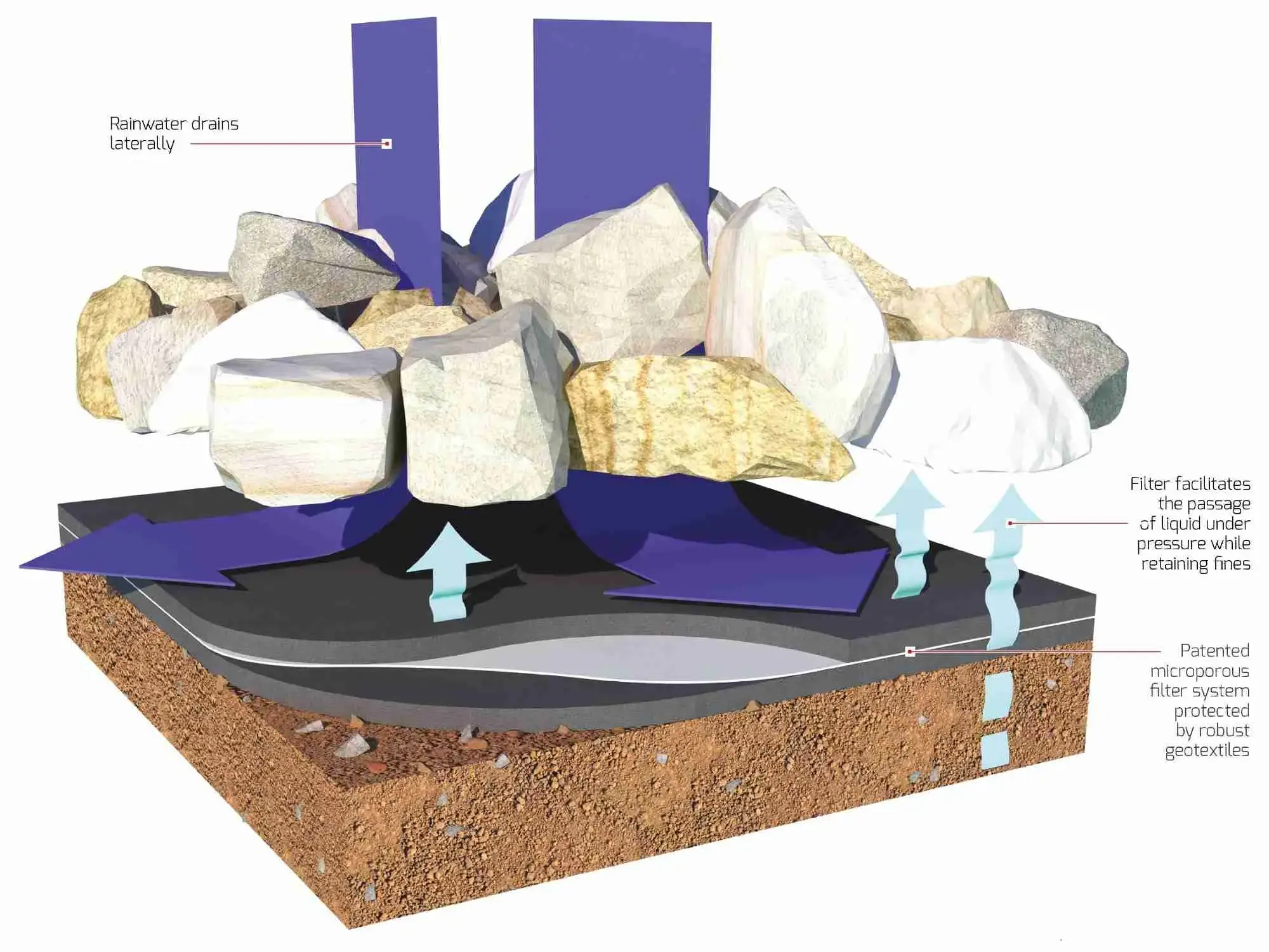
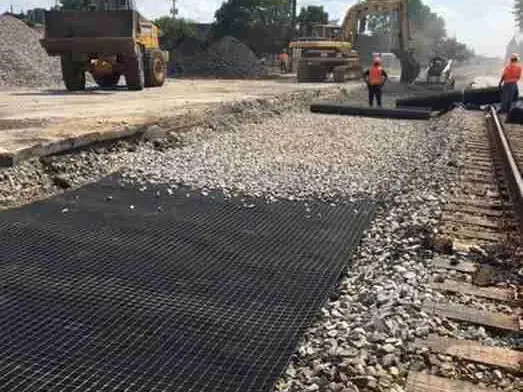
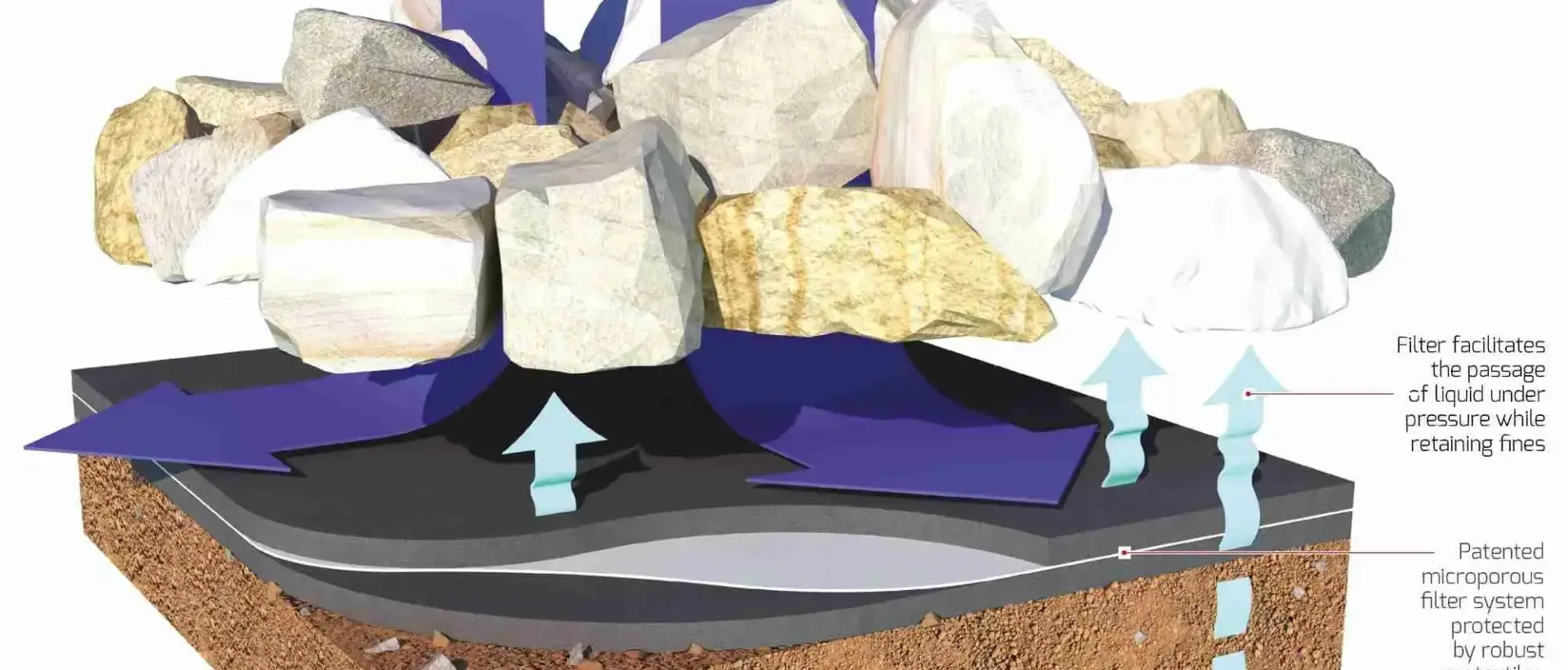
An investigation undertaken in 2010 (AECOM, 2010) described the track bed as variable, with very dirty waterlogged ballast, and evidence of upwards migration of clay formation which had caused the track geometry to deteriorate rapidly. The installation of TrackTex Anti-pumping Geocomposite was selected by Network Rail as a method of preventing mud pumping a prolonging Trackbed performance.
In 2017 Netowork Rail commissioned AECOM to perform a detailed evaluation of the project; a series of test pits were excavated to determine the effectiveness of rehabilitation.
Details
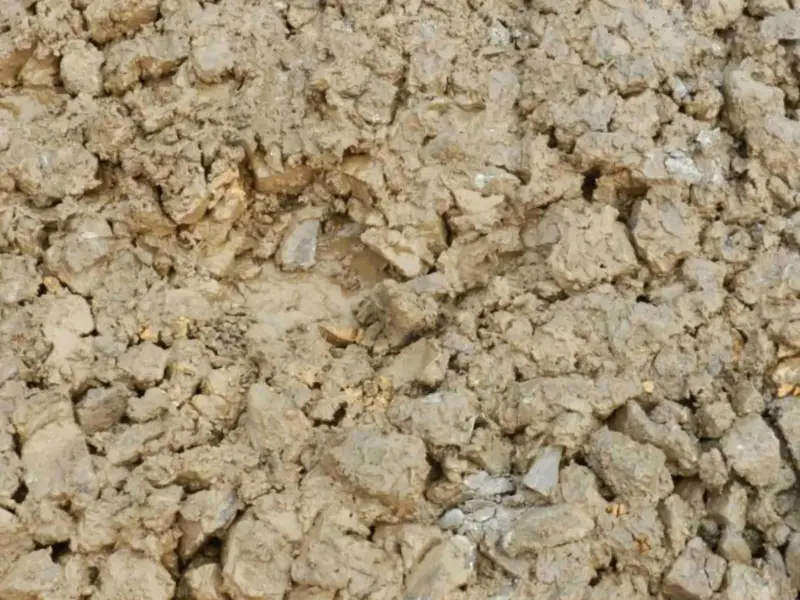
AECOM were commissioned by Network Rail (NR), under a Framework contract (NTR457 Trackbed Investigation Site Works and Reporting) to perform trial holes at a single site in the London North East territory to assess geocomposite performance.
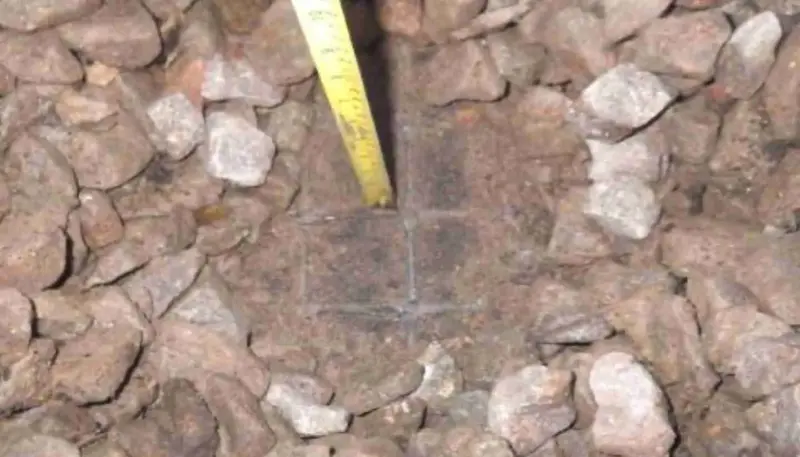
Five separate trial pits were dug along a 100-yard section of Track, two pits in a section prior to the installation of the geocomposite, and three pits where the TrackTex had been installed.

No TrackTex was present at the proposed location of SP 1 & 2, which were advanced before the Tracktex section
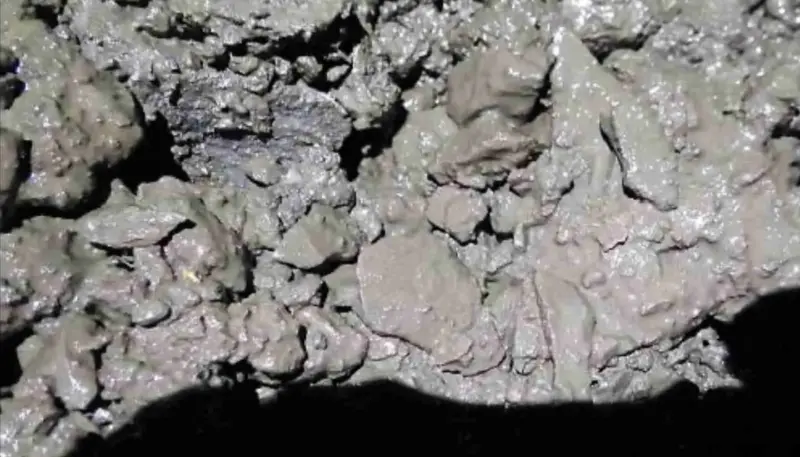
At SP1, where TrackTex was not present, formation failure and wetbeds are evident, with clay and slurry present within the lower trackbed layers and bottom of the ballast layer.
At SP 2, where TrackTex was not present, wet cohesive fines were encountered on lower trackbed layers.
At SP 3, abundant coarse red sand was found to have become intermixed with the bottom of the ballast layer (from approximately 100mm below sleeper bottom). It was concluded that this had not been derived from beneath the geocomposite from the available information and may have migrated laterally.
At SP 4 & 5, the Tracktex appears to be performing well in preventing the migration of clay fines from beneath and preventing any significant loss in the residual life of the ballast.
This article was originally published by TrackTex.