The Problem
The Chicago Transit Authority Blue Line was built in the late 1950’s, and despite regular maintenance and upgrades needed investment as much of the infrastructure reached the end of it’s useful life. This $492 million project aims to deliver improvements to accessibility, as well as making the line safer, faster, and more reliable. Reconstruction of the trackbed over difficult ground conditions was a critical aspect of delivering the works successfully.
CTA’s Blue Line Improvement plan is a multi-million dollar multi-phase project. Before the project started nearly 70% of the Blue Line was subject to slow zones. This project will remove approximately 15,000 feet of slow zone through improvements to trackbed and other works. This works package included the first phase of rebuilding the trackbed on the Forest Park branch.
The section between the LaSalle and Illinois Medical District Stations is in Central Chicago, operates 24 hours a day and has more than 80,000 daily rider so any disruption to service is significant.
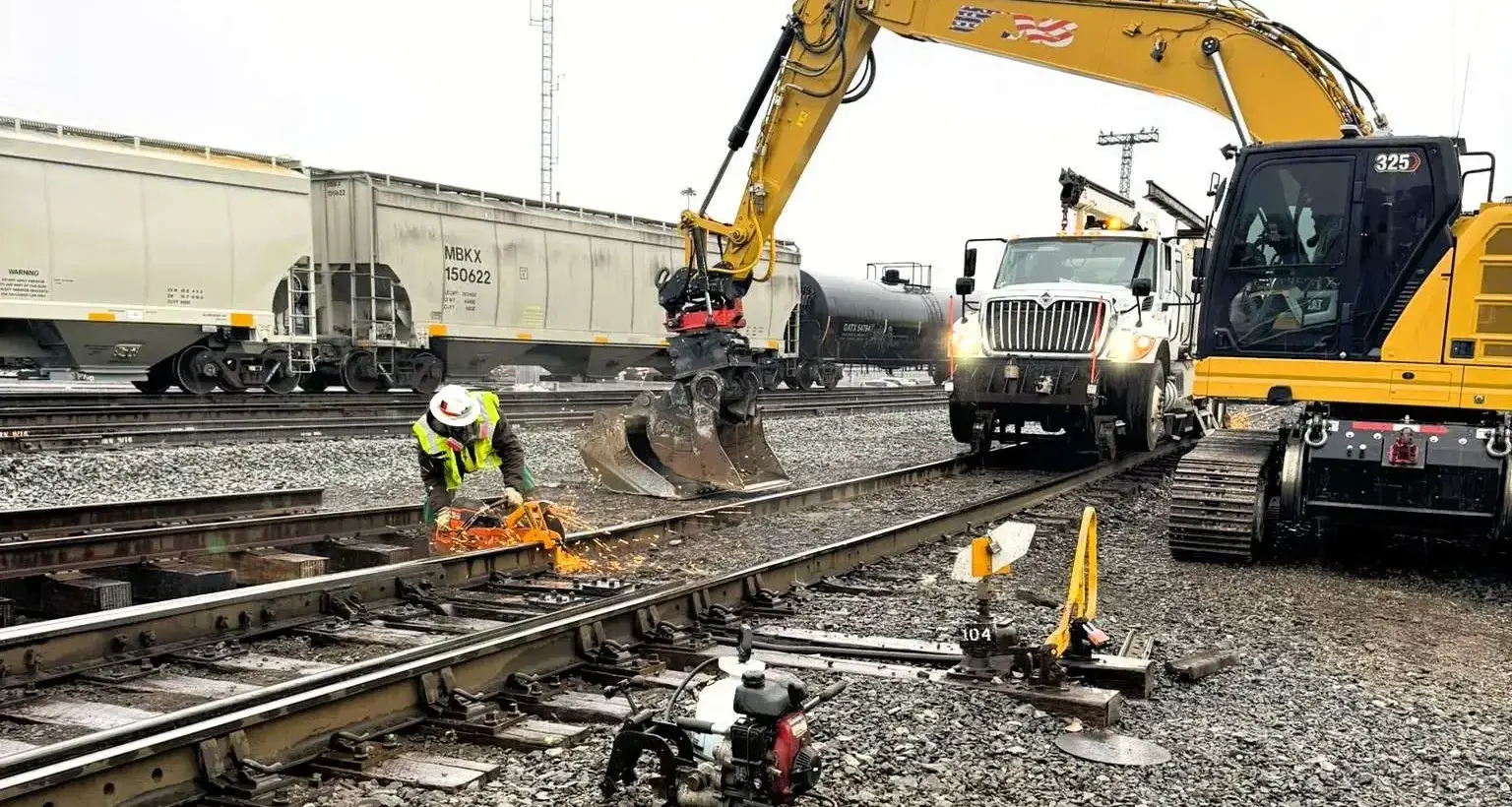
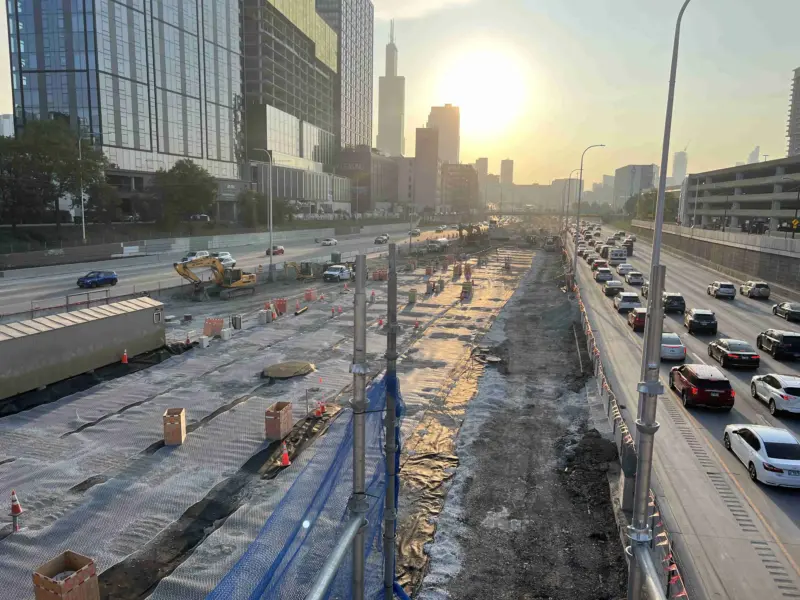
The improvements to this area included upgrades to the drainage system, replacement of rails, and replacement ballast to be installed. The ground conditions were known to be challenging as the underlying ground is soft (Initial Bearing Value of less 4%) and is also susceptible to subgrade erosion meaning a high risk of mud pumping causing ballast contamination issues. Traditionally the solution would be to remove 12” depth of subgrade and replace with good material, before new subballast and ballast is placed. However to minimize impacts to customers the work was planned to an aggressive timeline, meaning it was important to find ways to accelerate construction.
The Solution
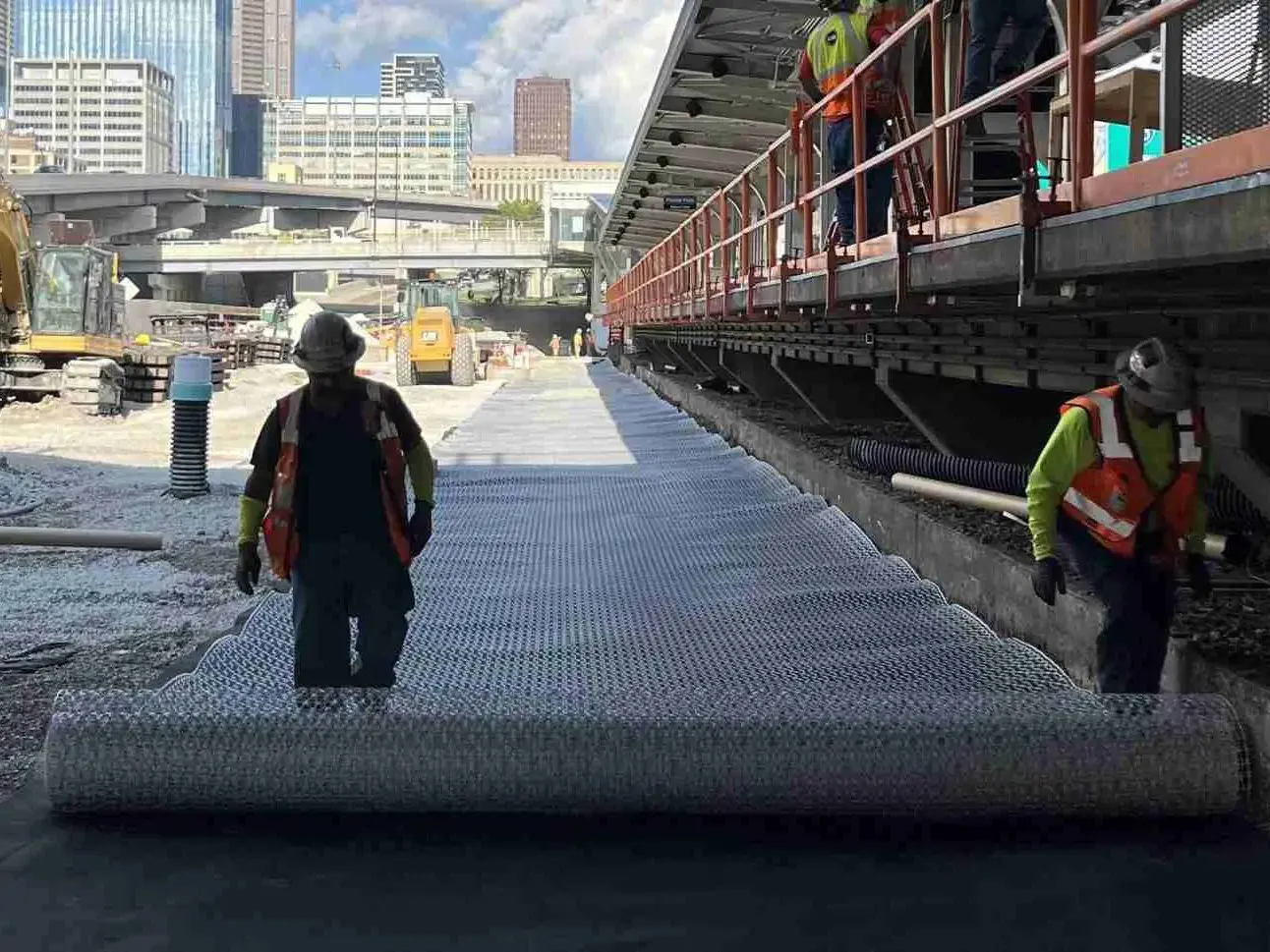
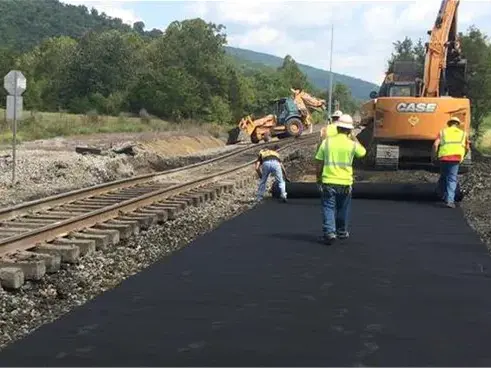
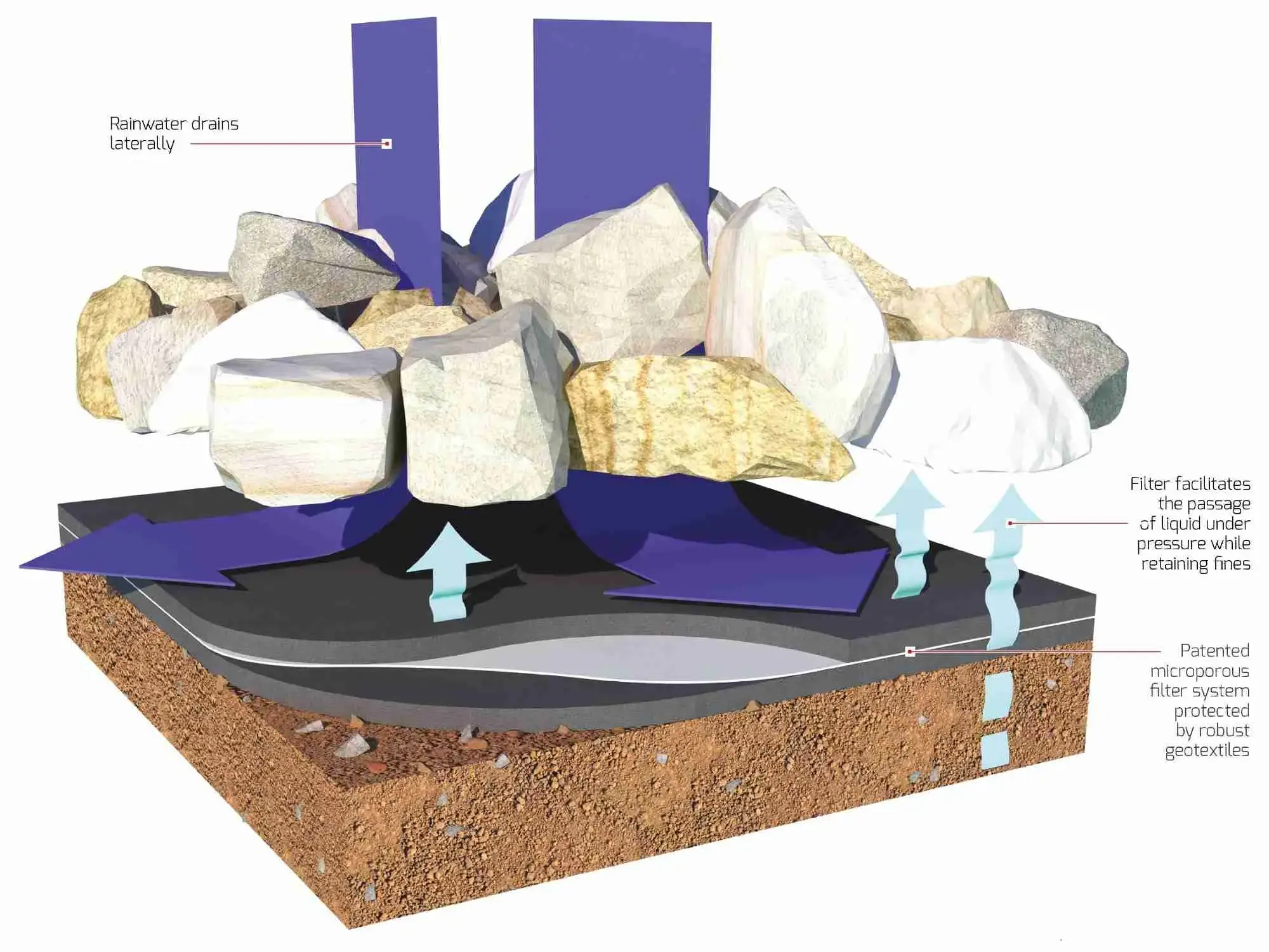
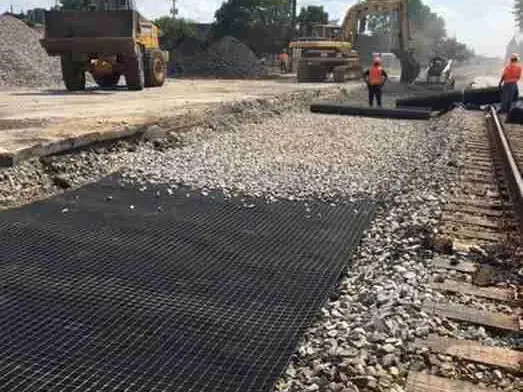
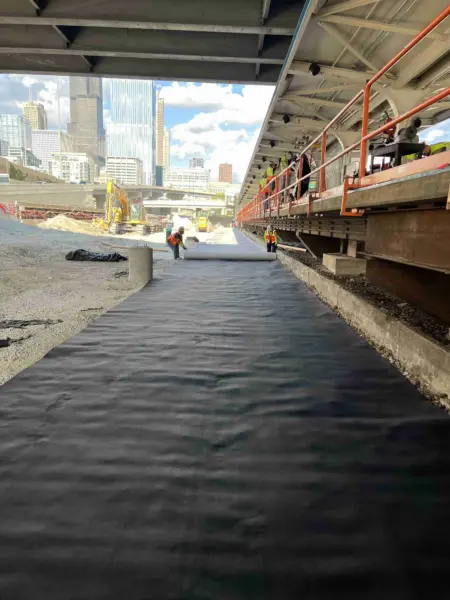
GEOfabrics was approached by the project team looking for value engineered solutions to help reduce construction time and to eliminate the potential for future contamination of the ballast section from fine-grained soils. TrackTex was proposed as a solution to prevent mud pumping and provide separation between construction layers. TrackTex is a heavy duty geocomposite that comprises a microporous membrane sandwiched between protective nonwoven protections geotextiles. The porous microfilter is impermeable to rainfall meaning water cannot penetrate into the subgrade. The microporous filter also prevents movement of fines, so even the small particle sizes found in clays and silts cannot pass. When subject to dynamic loads of passing traffic, the membrane allows pore water to escape which means any mud beneath the TrackTex will over time desiccate as the water is removed so the subgrade strength actually improves over time.
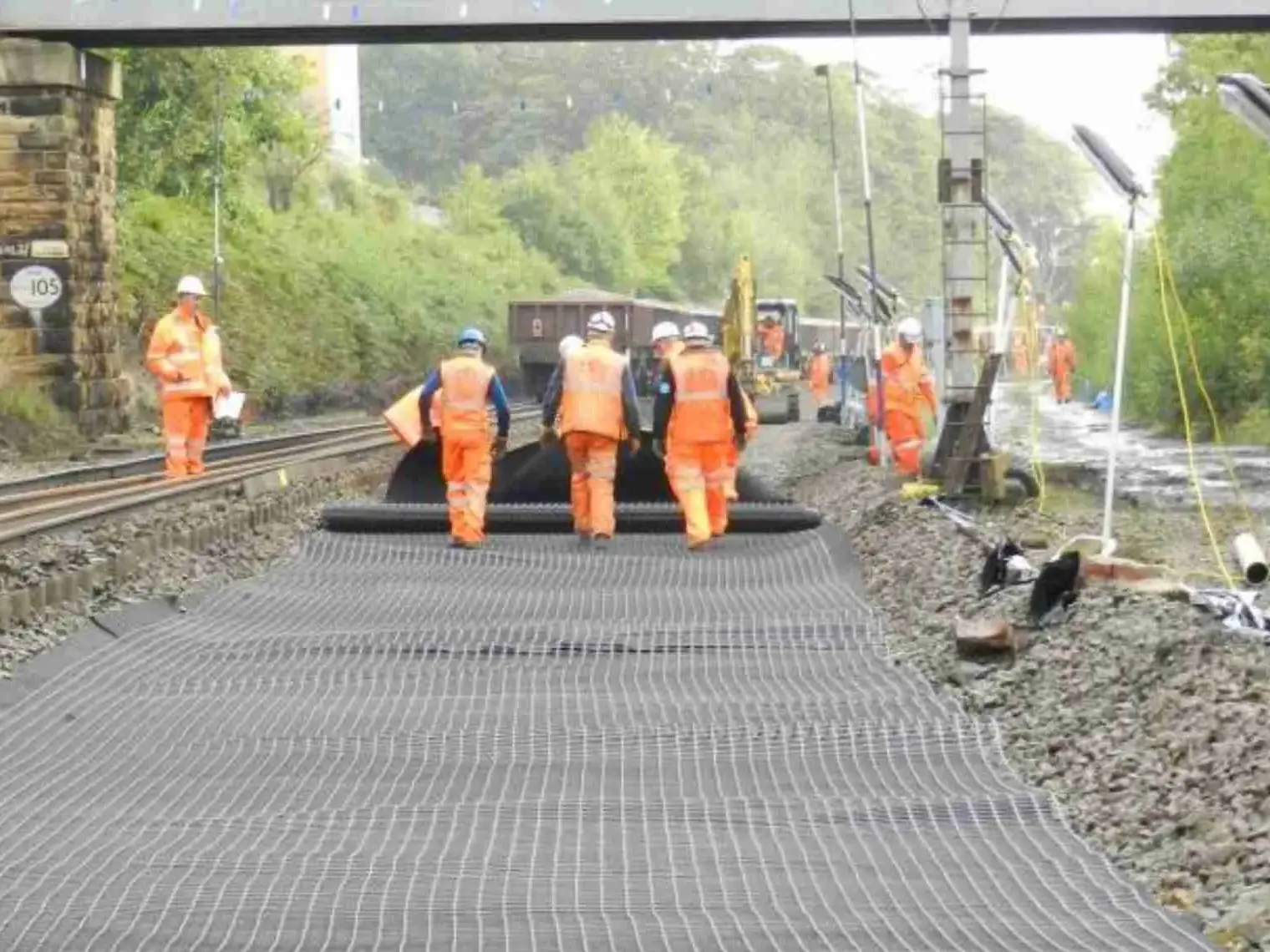
This unique performance capability of TrackTex meant that the poor subgrade materials could be left in situ rather than being excavated and replaced. The low bearing strength of the ground still required a significant thickness of ballast to achieve the required performance and design life. To address this, a second geosynthetic layer, Tensar InterAx NXR2 geogrid, was incorporated atop the Tracktex anti-pumping composite to provide additional stabilization to the ballast section. This approach allowed the construction depth to be reduced to 8” of sub-ballast and 12” of ballast above the geosynthetics layers.
The Outcome
This approach saved and estimated 1,200 truck movements to remove spoil and import materials, providing a cost saving in excess of $500,000. In tight urban project areas such as this, a significant reduction in construction traffic loads on local roads along with the associated CO2 generation are additional major benefits.
The reduction in material handling means installation time is drastically reduced and construction times are faster. The work to rebuild this almost 3-mile long section was completed in just 11 weeks, on time and on budget.
The incorporation of the TrackTex Anti-pumping composite within the ballast section will prevent the ballast becoming contaminated with fines over time, meaning the ballast maintenance intervals will be extended by as much as 25 times.
This article was originally published by GeoFabrics.