Britain’s mainline railway recorded 11,289 assaults on its workforce in 2025-26, a rise of 12% on the year before, according to the Office of Rail and Road. More than half (6,390) were verbal abuse. For many station staff the hardest part of the job comes at the end of the day. Late trains, tired and sometimes intoxicated passengers, thinner rosters and quiet entrances combine into a risk window that daytime planning often misses. Keeping staff safe after dark does not happen by luck. It comes from deliberate choices about rosters, station layout, equipment and reporting.
Why Late Shifts Carry Different Risks
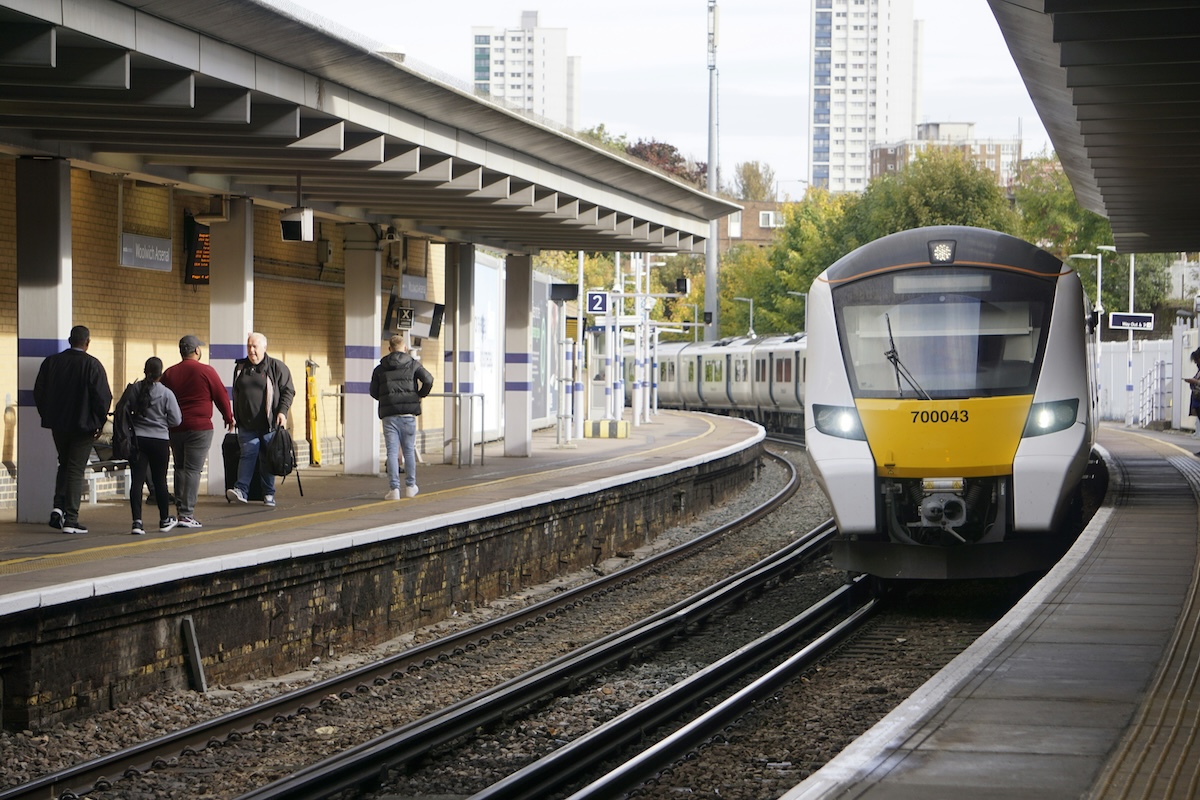
A station at 11pm is a different workplace from the one staff see at 8am. There are fewer colleagues nearby, a smaller crowd to act as informal witnesses and more people who have been drinking. Disputes at the gateline over tickets or missed connections can escalate quickly when someone is anxious about catching the last train home. Then comes closing up, which may mean checking toilets, waiting rooms and car parks alone.
Staff reports confirm the pattern. In a July 2026 analysis, the confidential reporting service CIRAS found that station staff made up 40% of its workplace violence reports, with lone working concerns arising “particularly at night or during other hours of darkness”. Industry measures such as Railway Behaviour Notices deal with repeat offenders, but day-to-day protection still depends on how each station runs its evenings.
Plan Rosters Around the Riskiest Hours
The roster is the first safety tool. Station managers can map incident data by hour and location, then avoid lone working at the busiest late stations and pair staff for closing routines. The Rail Delivery Group and British Transport Police guidance, Designing out Crime, recommends keeping enough staff on duty during late-night economy periods. It also suggests scheduling late trains from platforms close to or within sight of the gateline and restricting access to one entrance during quieter times. Both changes help a small team stay together.
Design the Station for the Night Shift
The same RDG and BTP guidance calls for better lighting to remove dark areas, which also makes CCTV footage more useful. Designated safe spaces, such as a secure point at the gateline, give staff somewhere to retreat and call for help. Clear, well-lit routes between the ticket hall, staff rooms and car parks matter when the last colleague leaves. Railway-News has covered practical approaches to platform lighting that show how lighting upgrades support both passengers and staff.
Give Staff Tools That Deter and Record
Radios, help points and gateline CCTV that captures clear facial images all play a part. Many operators now issue security body cameras to gateline and platform staff, and a study with the University of Cambridge drawing on nearly five years of data found they reduce the likelihood of assault by almost half (47%). In the same research, 80% of frontline staff said cameras should be rolled out fully.
Equipment works best with a clear policy behind it. Staff need to know when to start recording, how to tell a passenger the camera is on and how footage is stored and shared with police. Framed this way, cameras protect staff and produce evidence when it matters. Typical late-shift risks can be matched to practical measures:
- Closing the station alone: use a paired closing routine and a radio check-in.
- Dark car park or exit route: improve lighting and offer an escorted walk to transport.
- Dispute at the gateline: switch the camera on, follow clear escalation steps and keep a safe space nearby.
- Staff spread across several entrances: keep one entrance open during quiet periods.
Facilities management also plays an important role in keeping stations safe after dark. Providers such as Mitie, which offers facilities management for railways, support operators through cleaning, security and maintenance services. From ensuring lighting and CCTV systems remain operational to maintaining safe, accessible station environments, effective facilities management helps reduce risks and provides frontline staff with a safer workplace during late shifts.
Make Reporting Easy and Follow Up
Incidents that go unreported cannot shape next month’s roster. Every case, including verbal abuse, should be logged quickly and shared with British Transport Police. Follow-up matters equally: in the CIRAS analysis, only just over a third of staff who raised a concern said action had been taken. Support after an incident, from a debrief to time off, shows staff their report was worth making. New government powers, under which passengers who ignore authorised staff can be removed or fined up to £1,000, will only work if staff feel confident using them.
As a hypothetical example, a station that logs three ticket barrier incidents between 10pm and midnight in a single month could move its last departures nearer the gateline and add a second member of staff to that window, then compare the next month’s reports.
A Safer End to the Day
Late shifts will always carry more risk than the morning peak, but that exposure can be managed. Rosters built around the riskiest hours, stations designed for the night, equipment backed by clear policy and reporting that leads to action all add up.