What Rail Operators Should Understand About Emergency Glazing Risks
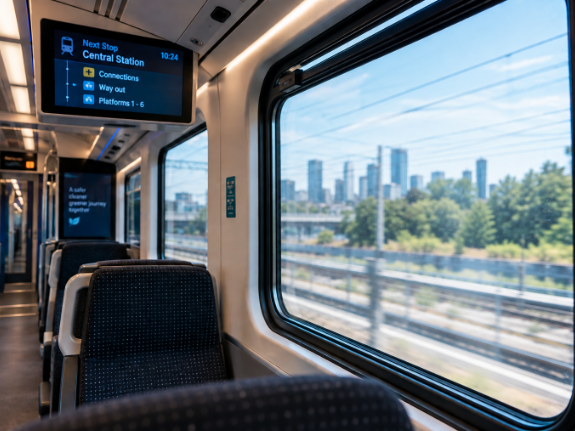
Modern rail systems increasingly incorporate reinforced and laminated glazing technologies designed to improve passenger protection, structural integrity and impact resistance. These materials provide important operational benefits during collisions and infrastructure incidents, but they may also create additional challenges during emergency evacuation scenarios involving smoke, fire or systems disruption.
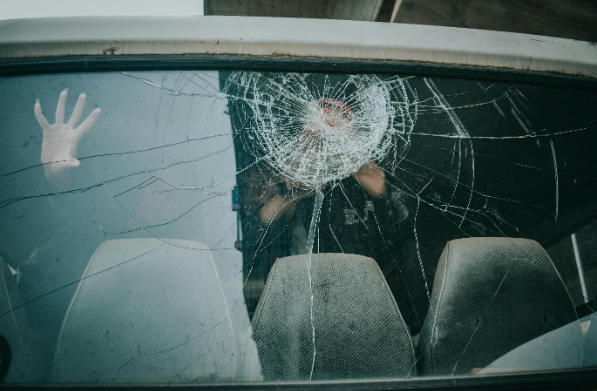
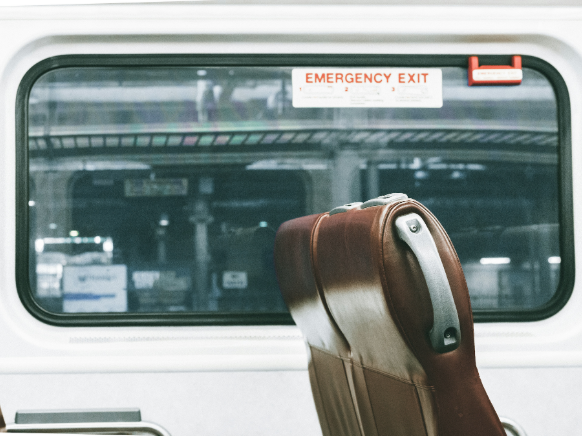
Emergency egress systems within rail environments must balance multiple engineering priorities simultaneously. Passenger windows and emergency glazing systems must remain structurally dependable during normal operations while also remaining removable under crisis conditions where rapid evacuation becomes necessary.
Although UNECE Regulation No. 107 Rev.10 applies specifically to buses and coaches, the regulation’s underlying resilience philosophy offers valuable lessons for rail transport environments. The amendments strengthen emergency glazing requirements by emphasising operational removability during degraded conditions rather than purely material performance under normal operating circumstances.
This reflects an increasingly important transport engineering principle: survivability depends not only on impact protection, but also on whether passengers can physically evacuate during emergencies involving smoke, panic, reduced visibility or operational instability.
The same philosophy also aligns closely with principles reflected in ISO 26262-1:2018, which emphasises maintaining safe outcomes during abnormal operating conditions and systems failures. Within increasingly digitised rail environments, evacuation systems must remain dependable even when wider infrastructure or electronically integrated operational systems become compromised.
For rail operators and manufacturers, this creates growing emphasis on evaluating emergency glazing systems according to real-world evacuation performance rather than compliance metrics alone. Glazing systems that are difficult to fracture, remove or operate under stress conditions may significantly complicate passenger evacuation during emergencies.
Mechanical emergency egress systems such as Safe-T-Punch™ support this resilience-focused approach because they provide direct physical capability for initiating emergency glazing fracture independently of power availability, software systems or electronically integrated operational controls.
As rail systems continue evolving technologically, emergency survivability increasingly depends on maintaining glazing systems that balance structural protection with practical evacuation capability during worst-case operating conditions.
This article was originally published by Safe-T-Punch.