Rail Safety Must Go Beyond Regulatory Compliance
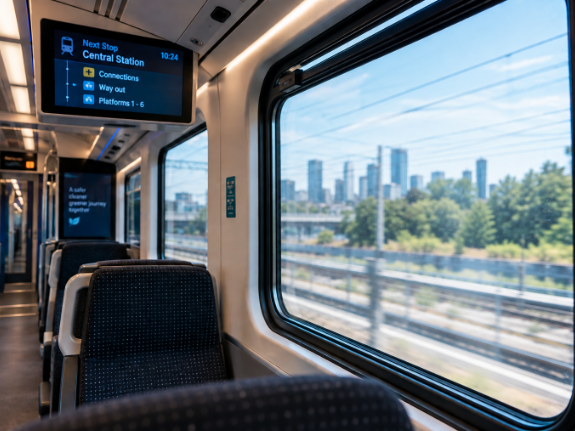
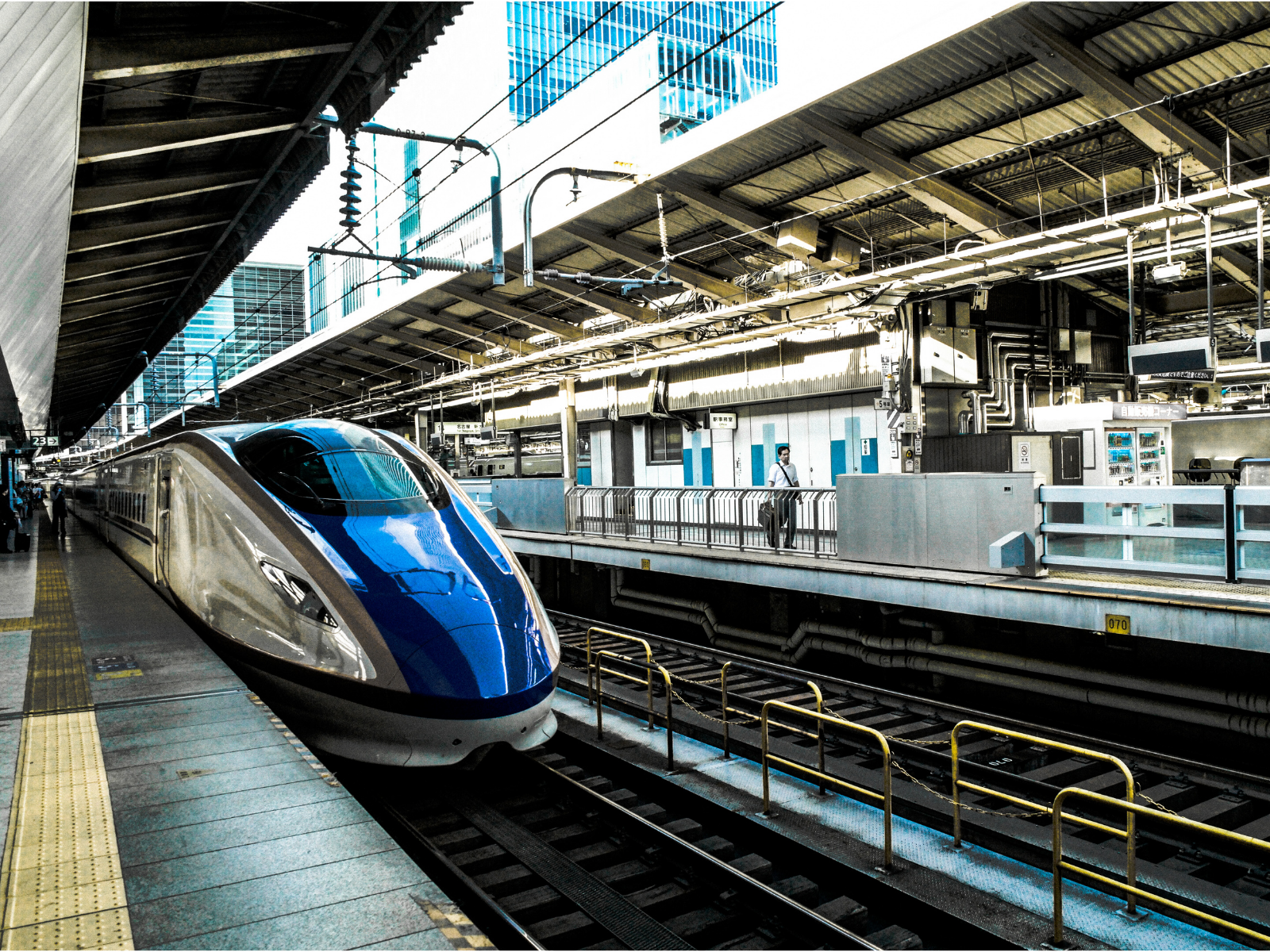
Modern rail systems operate within tightly regulated technical environments. Signalling, operational controls, communications, rolling stock and passenger systems are governed by requirements intended to protect passengers and maintain safe operation. Compliance is essential. But an emergency asks a harder question: will the system still protect passengers when normal operating conditions have deteriorated?

That question is pushing safety thinking beyond conformity alone. Greater attention is being placed on resilience, survivability and the ability of emergency systems to remain usable during smoke, electrical disruption, power loss or systems instability.
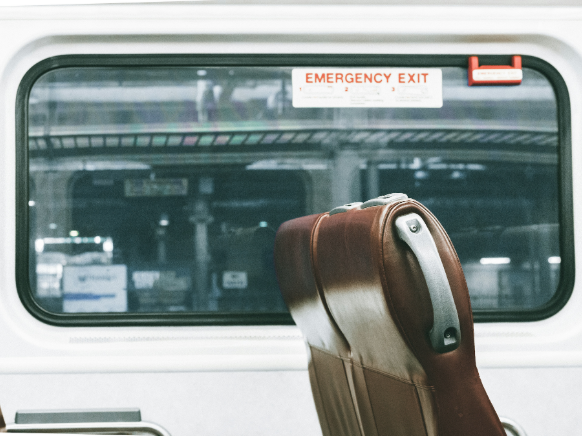
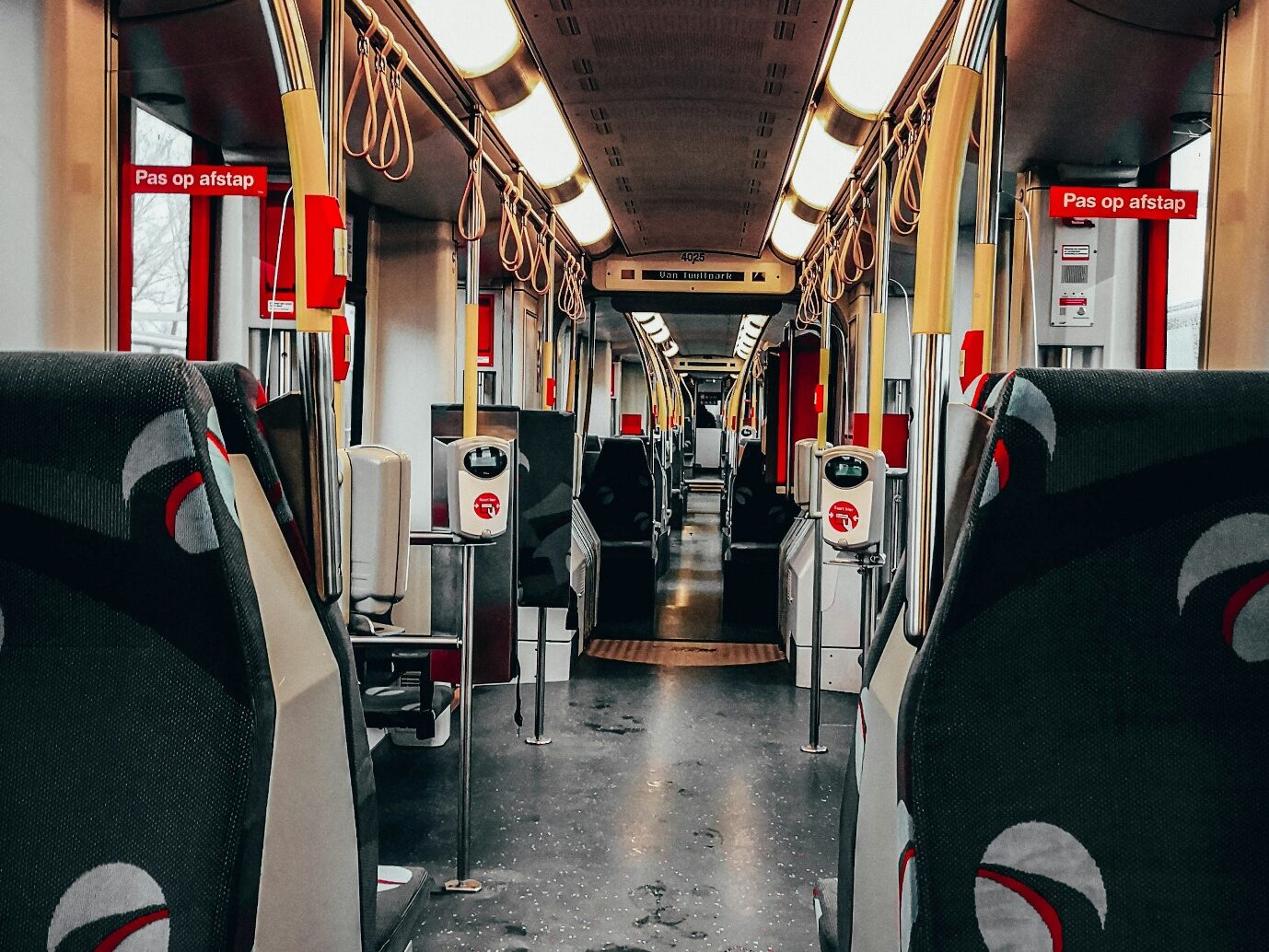
Rail regulation already reflects parts of this principle. The EU Locomotives and Passenger Rolling Stock Technical Specification for Interoperability (LOC&PAS TSI) requires passenger emergency exits to be indicated, accessible, sufficient in size and capable of being opened by a passenger from inside the train. It also recognises power-failure conditions affecting passenger movement.
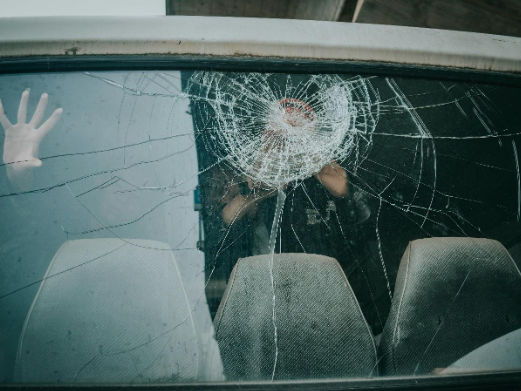
UNECE Regulation No. 107 does not regulate rail vehicles. It applies to buses and coaches, but its amended emergency-window requirements provide a useful cross-sector example of outcome-focused emergency design. For toughened-glass emergency windows, the regulation requires an easy-to-operate device that enables the pane to be broken and removed within 20 seconds by a single person, with the Technical Service verifying the complete operation by test.
The engineering principle is straightforward: compliant equipment is not assured emergency capability. What matters is whether passengers can still identify, reach and operate the means of escape when conditions are no longer normal.
This resilience approach is also consistent with railway-specific RAMS engineering. IEC 62278-1:2025 establishes a railway process for managing reliability, availability, maintainability and safety across the system life cycle. It does not prescribe a particular emergency-egress solution, but it reinforces the importance of considering safety as part of the behaviour and performance of the railway system as a whole.
For rail operators and manufacturers, that places survivability alongside compliance. Emergency systems should remain visible, accessible and dependable even when surrounding infrastructure or electronically integrated systems are compromised.
Safe-T-Punch™ applies that principle to emergency egress where R43 toughened safety glass is used. Its fixed mechanical operation does not depend on software logic, network connectivity or vehicle electrical power, providing an independent physical means of initiating glass fracture at the emergency window.
As rail technology advances, the objective is not to move away from regulation or digital systems. It is to ensure compliance translates into real-world emergency capability when passengers need it most.
Sources and Further Reading
EU LOC&PAS TSI – Commission Regulation (EU) No 1302/2014
Primary EU rail source for passenger emergency exits, including requirements that exits be indicated, accessible, sufficient in size and operable by a passenger from inside the train.
Open source
IEC 62278-1:2025 – Railway RAMS
Official IEC source for the railway-specific process for reliability, availability, maintainability and safety (RAMS) across the system life cycle.
Open source
UNECE Regulation No. 107 amendment – ECE/TRANS/WP.29/2022/53
Primary source used as a clearly identified cross-sector comparison for outcome-focused emergency-window requirements, including the 20-second toughened-glass pathway.
Open source
Safe-T-Punch™ – Emergency Window Escape Devices
Official product source describing Safe-T-Punch™ for R43 toughened safety glass and its mechanical emergency-egress application.
Open source