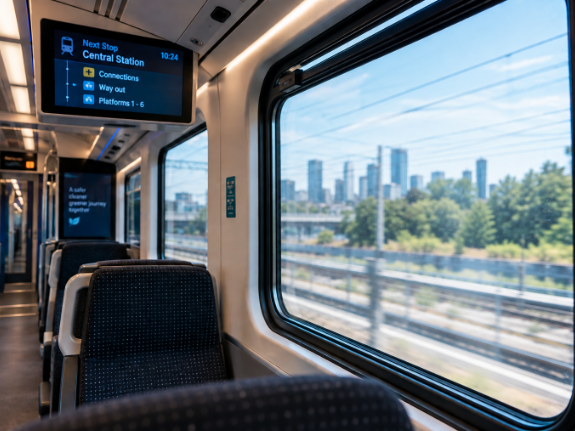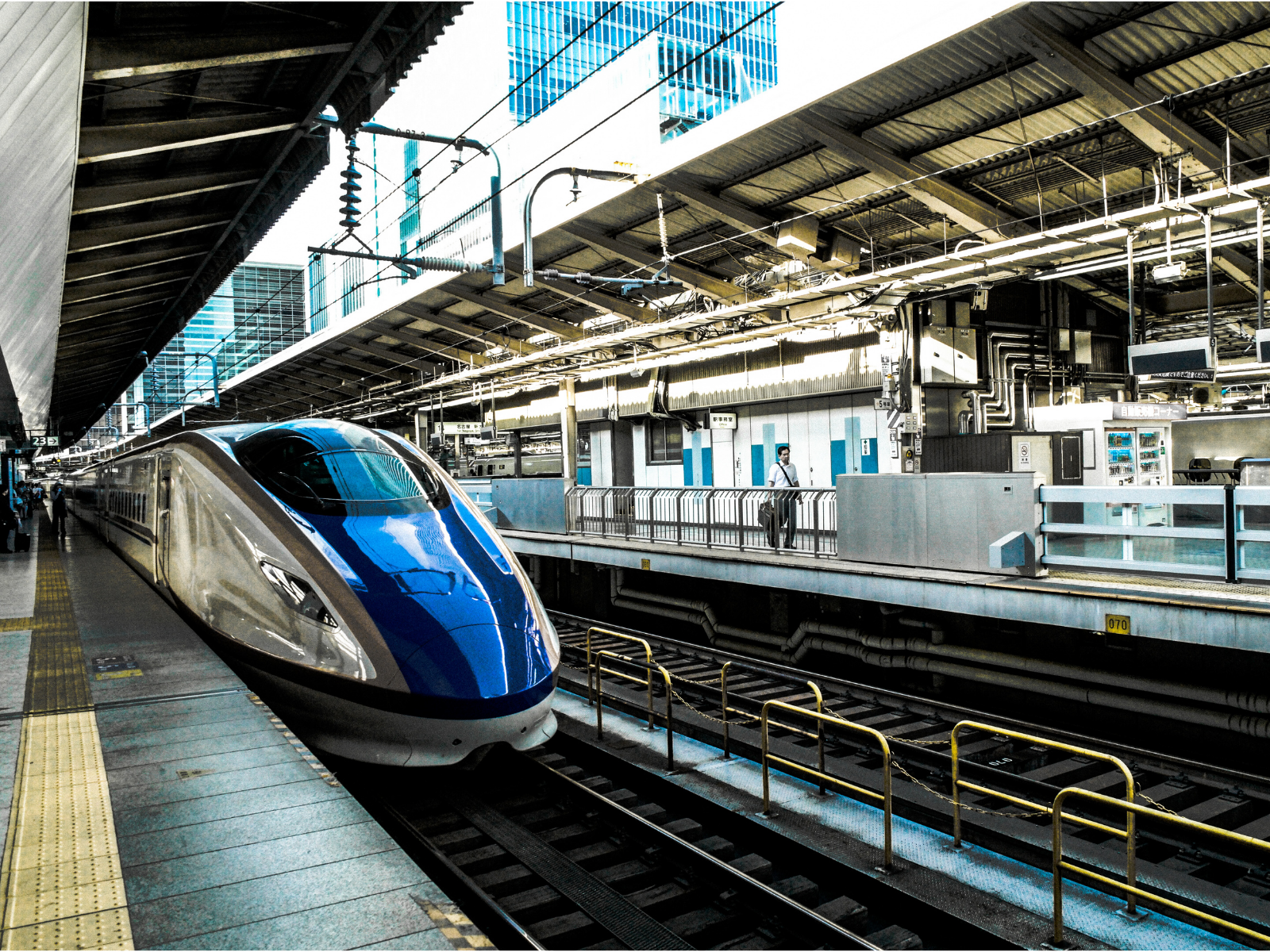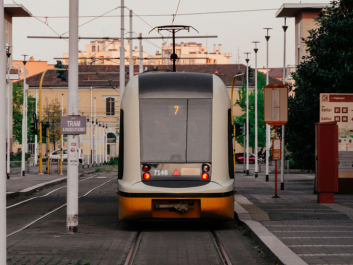
Rail transport is becoming increasingly digital. Modern passenger rail systems rely on signalling and speed-control platforms, onboard data processing, radio communications, passenger information systems and expanding telematics infrastructure. The European Union Agency for Railways describes ERTMS as combining the European Train Control System with railway radio communications and operating rules, while newer telematics requirements are extending interoperable data exchange across the sector.

These developments improve safety, interoperability, capacity and operational visibility, but they also create a growing digital-analog paradox. The more rail systems depend on complex electronic and communications infrastructure during normal operation, the more important it becomes to preserve emergency functions that do not inherit those same dependencies.
Rail already has a dedicated systems-safety framework for managing this complexity. IEC 62278-1:2025 establishes a railway-specific process for specifying and demonstrating reliability, availability, maintainability and safety across the system life cycle. Its systems approach is particularly relevant as rolling stock, signalling and fixed installations become more interconnected.
UNECE Regulation No. 107 Rev.10 does not govern rail vehicles, but its emergency-egress philosophy provides a useful cross-sector lesson. For buses and coaches, the amended requirements recognise that where an electronic emergency device is used, it must remain operational even if the vehicle power supply fails. The principle is significant beyond the regulation’s direct scope: an emergency escape function should not disappear simply because the wider electronic environment has become degraded.
For rail operators and manufacturers, the lesson is not to transplant a bus regulation into rail. It is to examine the resilience principle behind it. Emergency evacuation systems should be assessed against the conditions in which they may actually be needed, including smoke, loss of power, communications disruption, damaged infrastructure and partial system failure.
This is where mechanical independence retains strategic value. A mechanical emergency function does not compete with digital technology; it complements it by providing a different failure pathway. Separating critical escape capability from software, network and power dependencies reduces the number of conditions that must remain healthy before a passenger can act.
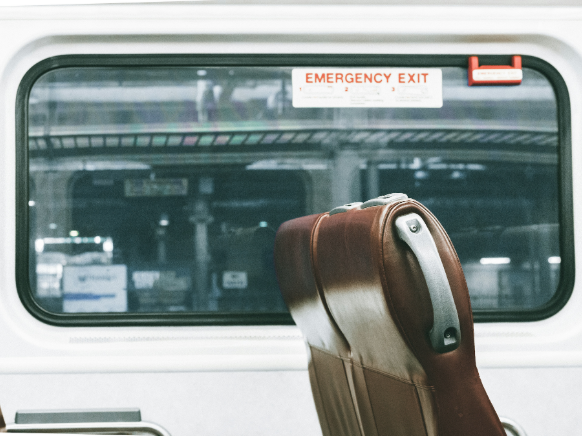
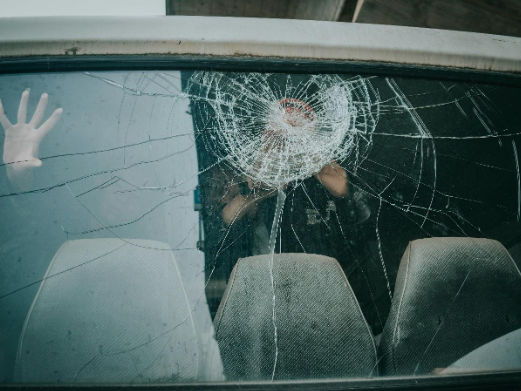
Safe-T-Punch™ applies this principle physically where compatible R43 toughened safety glazing is used. Mounted directly on the emergency exit window, it provides a fixed, hand-operated means of initiating glass fracture without requiring network connectivity, software logic or vehicle power. Its purpose is simple: preserve a direct physical action at the point of escape.
The future of rail will continue to be digital, connected and increasingly automated. The digital-analog paradox is that this progress does not make mechanical resilience obsolete. It makes the independence of the final safety layers more important when the systems surrounding them are at their weakest.
Sources and Further Reading
- European Union Agency for Railways – European Rail Traffic Management System (ERTMS): Primary rail-sector reference for ERTMS, including ETCS, railway radio communications and the role of digitally integrated signalling and control infrastructure.
- European Union Agency for Railways – Telematics Applications TSI: Current reference for the digital transformation of European rail through interoperable data sharing, cybersecurity and safe use of operational data.
- IEC 62278-1:2025 – Railway Applications: RAMS: Railway-specific framework for specifying and demonstrating reliability, availability, maintainability and safety across the system life cycle.
- UNECE – ECE/TRANS/WP.29/2022/53: Primary source for the amended UN Regulation No. 107 emergency-window requirements, used here as a cross-sector resilience reference rather than a rail regulation.
- Safe-T-Punch™ – Emergency Window Escape Devices: Product information on Safe-T-Punch™ for R43 toughened safety glass and its mechanically operated emergency-egress function.
This article was originally published by Safe-T-Punch.