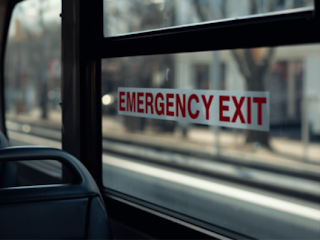
Rail transport safety has traditionally focused heavily on prevention. Signalling systems, operational controls, automated monitoring platforms and infrastructure management systems have historically been designed to minimise the likelihood of accidents and operational failures occurring. While these systems remain essential, modern transport engineering increasingly recognises that not all emergencies can be completely eliminated.
As rail systems become more interconnected, software-defined and operationally complex, the focus of safety engineering is gradually expanding beyond prevention alone. Increasing emphasis is now being placed on survivability during degraded conditions, systems failure and emergency evacuation scenarios.
Although UNECE Regulation No. 107 Rev.10 applies specifically to buses and coaches, its underlying resilience philosophy offers important lessons for rail transport environments. The regulation reinforces the principle that emergency systems must remain usable during real-world failure conditions involving smoke, panic, power disruption and operational instability.
This reflects a broader evolution occurring across public transport sectors. Safety is increasingly being evaluated not only according to accident avoidance capability, but according to whether passengers can evacuate safely when preventative systems become compromised.
The same philosophy also aligns with principles reflected in ISO 26262-1:2018, which emphasises maintaining safe outcomes during electrical or electronic systems failure. While developed for road vehicles, the underlying engineering approach increasingly applies across digitally integrated rail systems where emergency conditions may involve partial infrastructure instability or systems disruption.
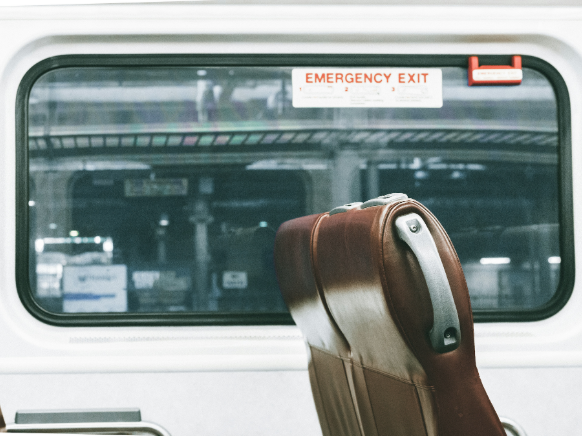
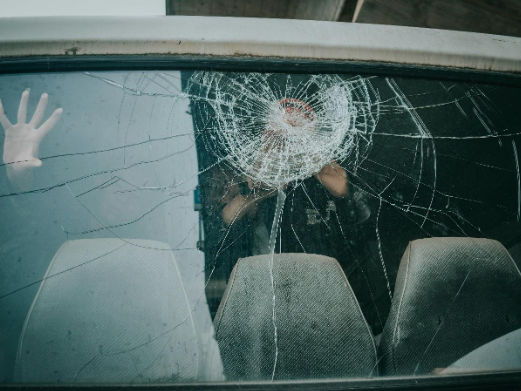
For rail operators and manufacturers, this creates growing emphasis on survivability engineering. Emergency evacuation systems must remain dependable even during highly abnormal operating conditions involving smoke, electrical faults, communications disruption or infrastructure damage.
Mechanical emergency egress systems such as Safe-T-Punch™ support this resilience-focused approach because they function independently of software architecture, power availability or networked operational systems. Their direct physical operation preserves emergency escape capability when digitally integrated systems may become compromised.
As rail systems continue advancing technologically, the future of passenger safety increasingly depends on balancing prevention with survivability. In modern transport environments, emergency resilience is becoming just as important as accident avoidance itself.
This article was originally published by Safe-T-Punch.