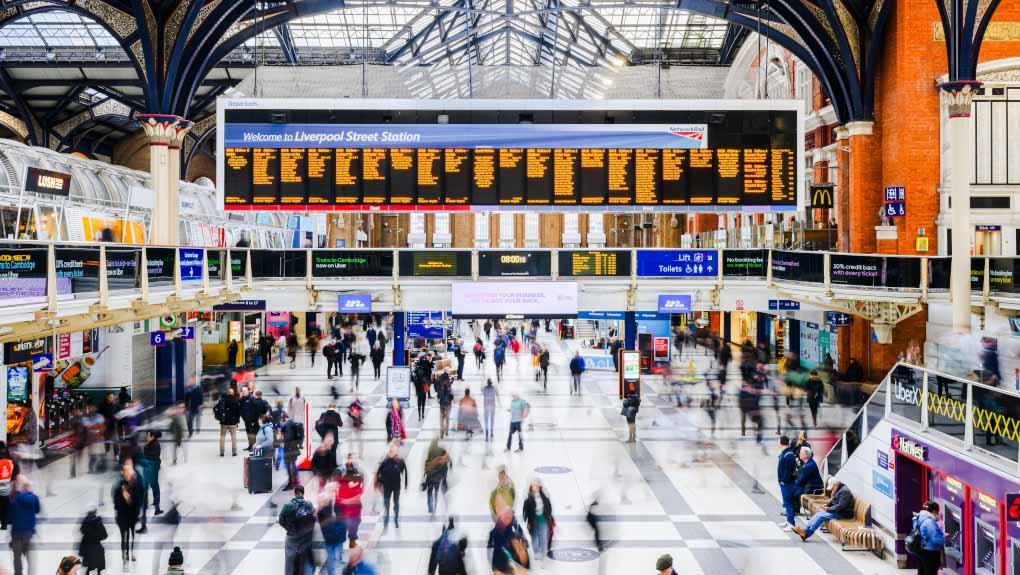
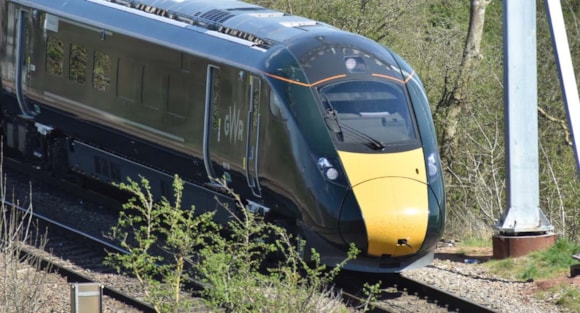
A modern train can diagnose faults, exchange data and coordinate complex movements through software. But there is one safety question no dashboard can answer on its own: what happens when a passenger must act immediately?
Digital railway systems bring enormous benefits. Signalling, monitoring and communications help operators understand what is happening across a network. Their growing sophistication also makes system dependencies worth examining. Power disruption, damaged infrastructure or a software fault may affect supporting functions at precisely the wrong moment.
Mechanical certainty is not nostalgia for an analogue railway. It is an engineering choice: where a critical action can be achieved physically, designers can consider whether a network, controller or power supply needs to stand between the passenger and that action. Independence can reduce specific dependencies, although every mechanism still needs appropriate validation.
The European Union’s Locomotives and Passenger Rolling Stock Technical Specification for Interoperability (LOC&PAS TSI) includes requirements for accessible, usable passenger emergency exits. The IEC 62278-1:2025 railway RAMS framework provides a lifecycle process for examining reliability, availability, maintainability and safety. Neither establishes that every exit device must be mechanical. Both give manufacturers a reason to ask what will remain available under degraded conditions.
A related example comes from another transport mode. UNECE Regulation No. 107, which applies to buses and coaches rather than trains, addresses the availability of emergency-window breaking devices and the operation of electronic devices during vehicle power failure. It offers a useful comparison, not a railway approval route.
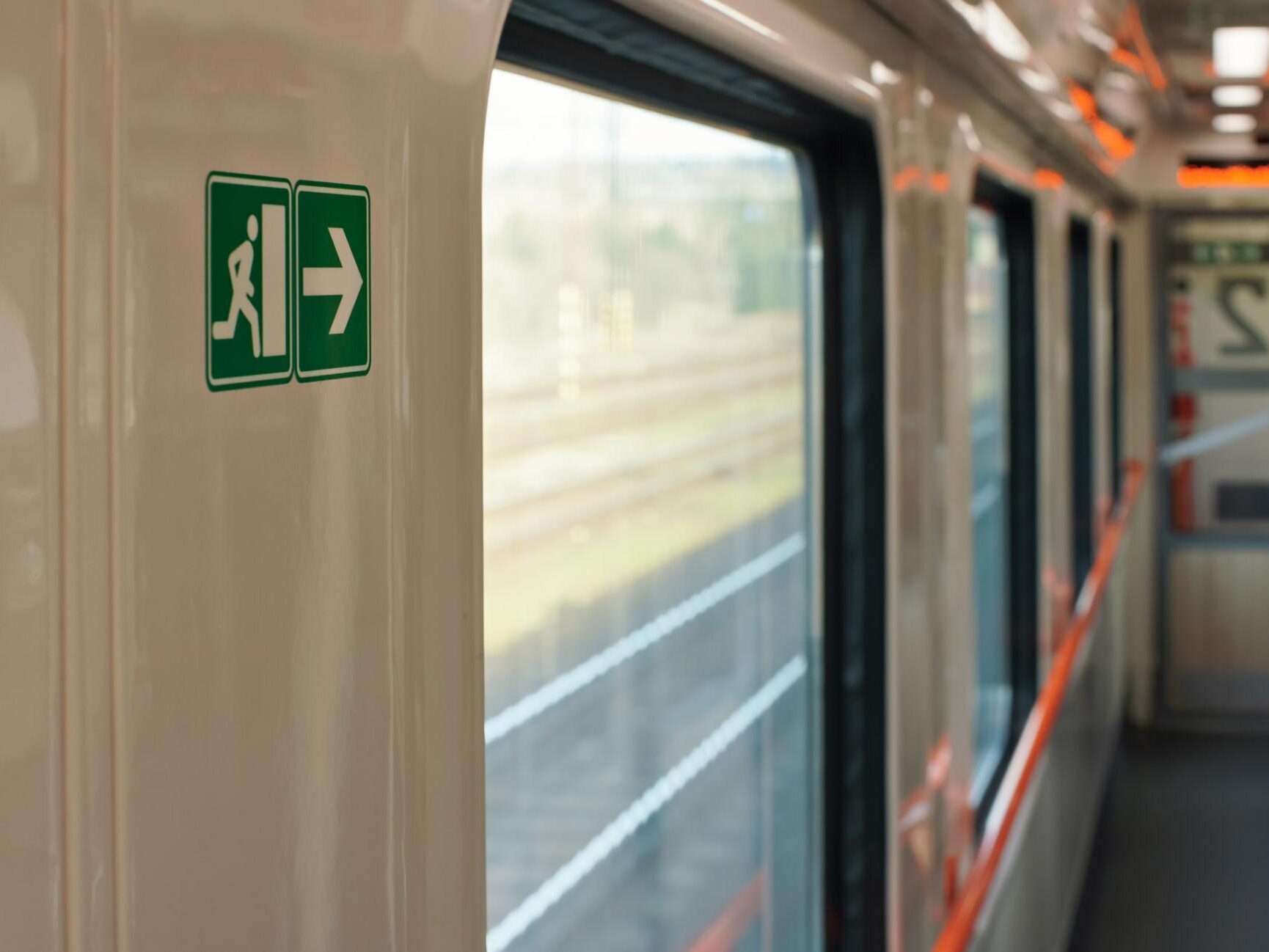
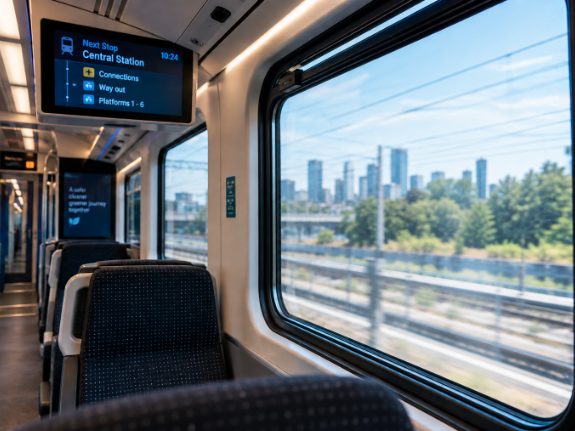
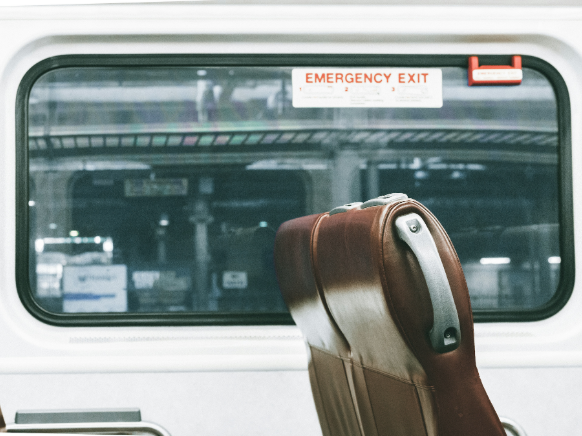
For rolling-stock designers, the useful question is practical. If screens are dark or communications disrupted, which escape arrangements can a passenger identify and use directly? The answer depends on the vehicle’s glazing, signage, access and operating sequence. Reviewing those details early may reveal where an independent mechanical provision complements existing electronic systems.
Safe-T-Punch™ illustrates one such option for designated emergency windows made from suitable toughened glass, where vehicle design and applicable requirements permit. Fixed directly ON the window, the device is operated physically without power, software or connectivity. It is not suitable for laminated glazing, and its use must be assessed for the particular rail application.
The future of rail is undoubtedly more connected. Its final passenger actions should also be considered from the opposite direction: how little must still be working for someone to find a way out?
Sources and Further Reading
EU LOC&PAS TSI, Commission Regulation (EU) No 1302/2014. Official railway requirements concerning passenger emergency exits, accessibility and opening. Open source
IEC 62278-1:2025, Railway applications: RAMS, Part 1. Official IEC description of the system-lifecycle process for managing railway reliability, availability, maintainability and safety. Open source
UNECE Regulation No. 107, 10-series amendments. Bus-and-coach requirements cited only as a cross-sector engineering comparison, not a rail regulation. Open source
Safe-T-Punch™ official website. Manufacturer description of the fixed mechanical window-breaking device and intended glazing. Open source
This article was originally published by Safe-T-Punch.