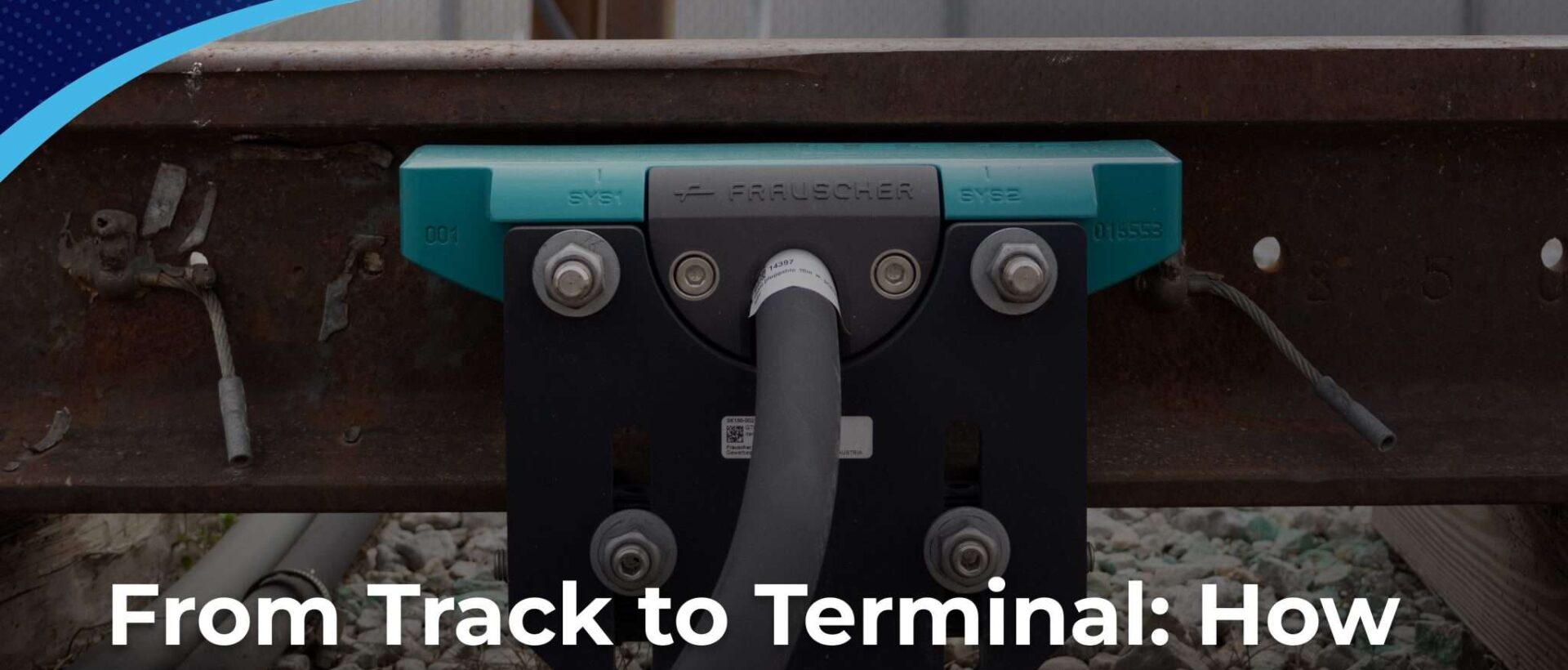
Learn how the right locomotive replacement parts, accurate identification and reliable sourcing can reduce maintenance delays, improve planning and keep equipment in service.

Keeping locomotives in service depends on more than completing repairs correctly. Maintenance teams also need access to the right components, accurate part information, and reliable sourcing support when work needs to be done.
Locomotives operate under demanding conditions that create ongoing wear across braking, suspension, mechanical, and supporting components. When a needed part is unavailable, difficult to identify, or poorly matched to the application, even a routine repair can turn into an extended maintenance event.
That is why locomotive replacement parts should be viewed as part of the maintenance strategy, not simply as a purchasing decision. Better parts planning, accurate identification, and dependable supplier support can help maintenance teams reduce delays and return equipment to service more efficiently.
How Part Availability Affects Maintenance Schedules
A locomotive may be ready for repair, but the work cannot move forward if the required component is not available.
Long lead times, unexpected sourcing challenges, or limited access to commonly used parts can extend downtime and create additional scheduling pressure for both maintenance and purchasing teams. The longer a locomotive remains out of service waiting for a component, the more difficult it can become to keep broader maintenance plans on schedule.
This is where parts availability becomes directly connected to maintenance productivity.
Maintaining access to frequently used locomotive maintenance parts can help teams respond more efficiently to both planned and unplanned repairs. At the same time, working with reliable suppliers can reduce the amount of time employees spend searching across multiple sources for the correct component.
Parts planning also helps organizations anticipate recurring needs instead of reacting to them one repair at a time. Reviewing common replacement patterns, lead times, and supplier availability can make it easier to prepare for future maintenance requirements.
The broader cost of equipment downtime is not limited to the replacement part itself. Delayed maintenance can affect equipment availability, scheduling, and the overall efficiency of the operation. COMET has explored this relationship between component reliability and downtime in its discussion of the cost of equipment downtime.
Correct Part Identification Helps Prevent Maintenance Delays
Finding a replacement part is only useful if it is the correct one.
Many rail components can appear similar while having different dimensions, configurations, or application requirements. Ordering the wrong component can create additional shipping, handling, and scheduling delays, especially if the mismatch is not discovered until installation begins.
Accurate replacement part identification helps prevent those avoidable setbacks.
Part numbers, equipment specifications, existing component information, and clear product descriptions can all help maintenance and purchasing teams confirm the right replacement before placing an order. Knowledgeable supplier support can also be especially valuable when dealing with older, specialized, or unfamiliar locomotive components.
An organized catalog can simplify that process by giving teams a more efficient starting point. Maintenance and purchasing personnel can search COMET’s parts catalog to review available components and narrow down potential replacements.
The objective is straightforward: confirm the correct component before the repair depends on it. Accurate identification helps keep maintenance work moving instead of creating a second sourcing problem after the first one has already begun.
Understanding Common Locomotive Replacement Components
Locomotive maintenance can involve a wide range of components depending on the equipment type, operating conditions, and specific application.
Common replacement categories may include:
- Brake shoes and other braking components
- Springs and suspension-related components
- Mechanical wear components
- Hardware and supporting assemblies
- Specialty locomotive parts
Wear rates are not always predictable. Service demands, loading, operating conditions, and maintenance practices can all influence how quickly individual components require attention. For that reason, maintenance teams should evaluate parts based on actual condition and applicable requirements rather than relying only on fixed replacement intervals.
COMET supplies a range of locomotive components for rail maintenance applications, including locomotive couplers, pockets, draft gears, and wear components.
Understanding which components are most likely to require replacement gives maintenance teams a better foundation for planning both inspections and sourcing.
Why Quality and Fit Matter
A replacement part needs to do more than arrive on time. It also needs to be appropriate for the application.
Proper dimensions, configuration, and compatibility can make installation more straightforward and reduce the likelihood of additional troubleshooting. Poorly matched components can create rework, complicate the repair, and extend the time the locomotive remains out of service.
For this reason, buyers should evaluate more than price alone when sourcing locomotive repair parts.
Availability matters, but so do:
- Correct application fit
- Product quality
- Supplier knowledge
- Clear specifications
- Reliable support
A lower-cost component offers little advantage if it introduces additional delays or uncertainty into the repair.
Consistent sourcing can also help maintenance teams create greater uniformity across repeated repairs. When teams know where to find the right components and whom to contact when application questions arise, the sourcing process becomes more predictable.
The right replacement part should fit the application, support the repair, and help the maintenance team avoid unnecessary rework.
Building a More Proactive Locomotive Parts Strategy
The most efficient sourcing process is not always the one that begins after a part fails.
Historical maintenance records can help teams identify components that are replaced frequently. That information can then support more proactive inventory decisions.
If a particular wear component is regularly required, for example, the organization may decide that stocking it internally or ordering it in advance makes more sense than repeatedly relying on emergency sourcing.
A proactive strategy can include:
- Reviewing frequently replaced components
- Monitoring typical lead times
- Identifying critical wear items
- Stocking selected high-use parts
- Planning advance orders
- Coordinating upcoming needs between maintenance and purchasing
This type of smarter parts inventory planning can reduce dependence on last-minute sourcing and help teams prepare for recurring maintenance needs.
Coordination between maintenance and purchasing is particularly important. Maintenance teams often have the clearest view of which components are wearing or likely to require attention, while purchasing teams have visibility into availability, pricing, and supplier lead times. Bringing that information together can improve planning on both sides.
A knowledgeable supplier can also support this process by helping customers locate parts, identify alternatives, and anticipate future sourcing requirements.
Simplifying Locomotive Parts Sourcing With One Experienced Partner
Managing multiple suppliers can add complexity to locomotive maintenance procurement.
Each additional vendor may introduce another point of contact, another ordering process, separate shipping arrangements, and a different inventory to manage. That may be workable when requirements are limited, but sourcing can become more difficult as maintenance needs expand.
A supplier with experience across locomotive and freight rail components can help simplify that process.
Product knowledge is especially valuable when teams are trying to identify older, specialized, or less familiar components. Instead of beginning a new search every time a maintenance need appears, customers can work with a supplier that understands rail applications and can help move from part identification to sourcing more efficiently.
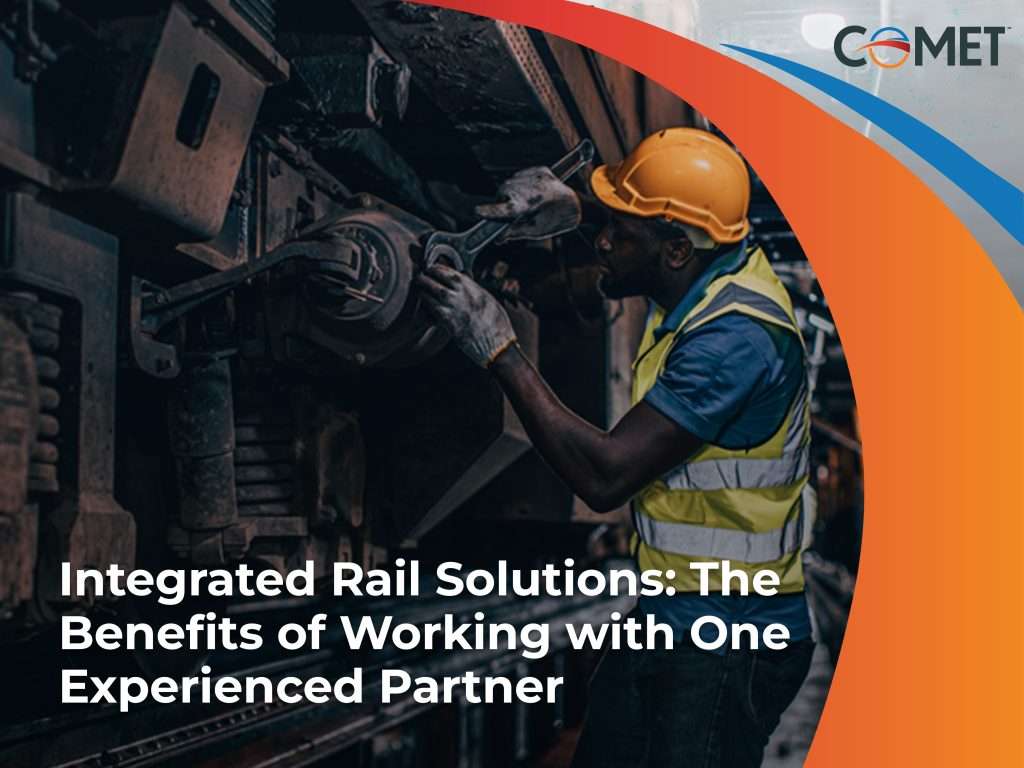
COMET discusses this broader approach through its focus on integrated rail solutions, which brings parts, technical knowledge, and rail support together rather than treating each need as an isolated transaction.
COMET Rail also provides access to a broad range of freight car and locomotive parts, giving maintenance and purchasing teams a single resource for more of their component needs.
The supplier relationship can therefore become part of the maintenance strategy itself.
A dependable locomotive parts supplier can help customers:
- Reduce time spent searching for components
- Navigate part numbers and specifications
- Consolidate more of their sourcing
- Identify alternatives when appropriate
- Prepare for future maintenance needs
That support can be particularly valuable when the primary goal is to keep repairs moving and equipment available.

Find the Locomotive Components You Need With COMET
Efficient locomotive maintenance depends on having the right part available when the repair needs to happen.
COMET supplies locomotive components for a range of rail maintenance applications and provides support for customers working through part numbers, specifications, and sourcing questions.
Maintenance and purchasing teams can use COMET’s online parts catalog to explore available components and identify potential replacement parts. If the exact component is not immediately apparent, COMET’s team can also help customers work through sourcing questions and determine the appropriate next step.
For teams looking for a broader reference, you can also request a rail parts catalog to review available components and support future maintenance planning.
The right locomotive replacement parts, backed by knowledgeable sourcing support, can help maintenance teams spend less time searching for components and more time completing the work that returns equipment to service.
Explore COMET’s locomotive components or request a quote for the parts your maintenance team needs.
This article was originally published by COMET.