Disconnected systems and manual processes create costly rail visibility gaps. Discover how connected rail data improves tracking accuracy, operational efficiency, and real-time decision-making.
Rail operations are the backbone of industrial logistics, yet they are often only as strong as the visibility systems supporting them. For operators in terminals, industrial plants, and rail-served facilities, success depends on answering fundamental questions with absolute certainty: Where are the railcars? When did they arrive? How long have they stayed? When did they leave?
While these questions seem simple, the methods used to answer them are often anything but. For many operations, visibility is limited by a combination of manual processes, disconnected tools, and delayed information. This creates a significant gap between the real-time needs of a modern facility, and the historical data traditional tracking provides. When railcar movement data is scattered or incomplete, operational visibility inevitably starts to break down.
The Friction of Manual Rail Tracking
In many busy yards and plants, teams still rely on a patchwork of spreadsheets, radio updates, phone calls, and handwritten logs. While manual tracking can be sufficient for low-volume sites with simple activity, it creates immense operational friction as complexity grows.
Manual systems are inherently prone to delays and inconsistencies. A railcar arrival might not be recorded at the exact moment it occurs because the team member responsible was managing another task. These small errors ripple outward, creating confusion across logistics, customer service, and management teams who rely on that data to make decisions.
Fragmented Systems, Fragmented Visibility
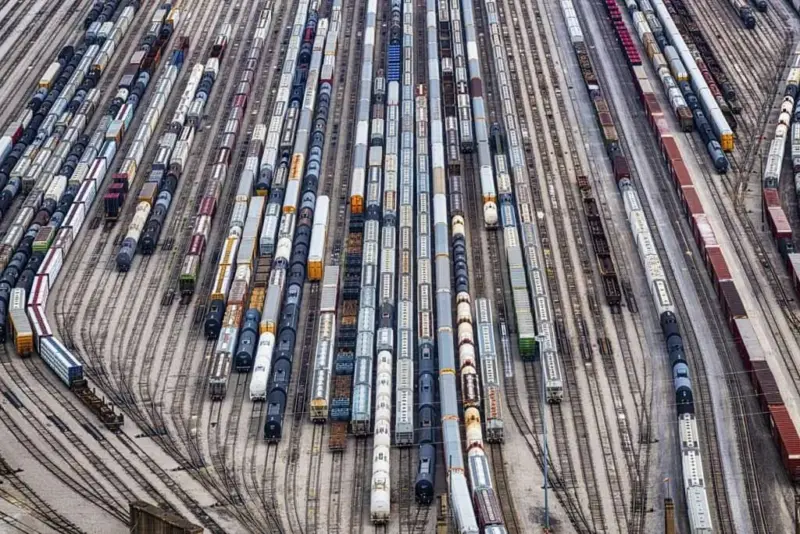
Even when facilities invest in technology, visibility often remains fragmented. Data frequently lives in separate “silos”; AEI readers, yard management systems, dispatch updates, and internal reporting tools that do not communicate with one another.
When systems are disconnected, teams are forced to reconcile multiple sources of truth before they can take action. This lack of integration means that site-level activity may be invisible to stakeholders who need it most, and historical records often become difficult to export or verify. Ultimately, data that is trapped in separate systems fails to translate into usable operational visibility.
Where Visibility Breaks Down Most Often
The breakdown of visibility typically manifests in several critical areas of operation:
- Arrival and Departure Tracking: When times are manually recorded, teams lose confidence in their records, leading to disputes and planning errors.
- Dwell and Demurrage Monitoring: Without reliable, time-stamped movement data, it is difficult to accurately track how long a car has been on-site, making demurrage conversations harder to support.
- Yard and Zone Awareness: If teams cannot see movement across specific tracks or gates, yard planning remains reactive rather than proactive.
- Cross-Team Communication: Fragmented tracking makes it nearly impossible to keep operations, logistics, and customer service aligned on the same set of facts.
The Operational Cost of Limited Visibility
The consequences of these visibility gaps are more than just administrative headaches; they have real-world impacts on the bottom line. Limited visibility leads to slower decision-making, increased manual follow-up, and more time spent reconciling conflicting records.
Operations become reactive. Without a clear view of railcar status, facilities struggle to plan labor, truck activity, and site resources effectively. The issue is rarely that teams lack data altogether, it is that they lack connected data that is timely, organized, and actionable.
What Connected Rail Data Changes
Connected rail data acts as a bridge, bringing trackside activity and movement records into a unified view. By capturing movement events closer to when they actually happen, these systems provide time-stamped records that restore confidence in arrival, departure, and dwell information.
Instead of a generic list of cars, connected data allows information to be organized by site, track, gate, or defined zone. This helps turn raw field activity into usable operational insight without requiring constant manual updates.
Moving from Reactive to Proactive
The shift to connected data fundamentally changes how rail teams work. In a reactive environment, teams are constantly chasing information, waiting for updates, and manually reconciling records after delays have already occurred.
With connected data, teams gain a clear view of movement as it occurs. Records are easier to verify, site activity can be monitored across specific zones, and patterns become visible. Operators stop chasing information and start using it to drive efficiency.
A Modern Industry Standard
As rail-served facilities face increasing pressure to improve throughput and coordination, manual processes are becoming harder to scale. Customers and internal stakeholders now expect faster, clearer status updates as the standard. Modern operations require systems that seamlessly connect what happens in the field with business-level visibility.
How COMET Supports Connected Rail Visibility
COMET Industries understands the physical realities of the rail yard and the digital needs of the front office. Through its C-Suite ecosystem, COMET helps operators modernize their visibility from track to terminal.
The ecosystem combines proven hardware and software to eliminate data silos:
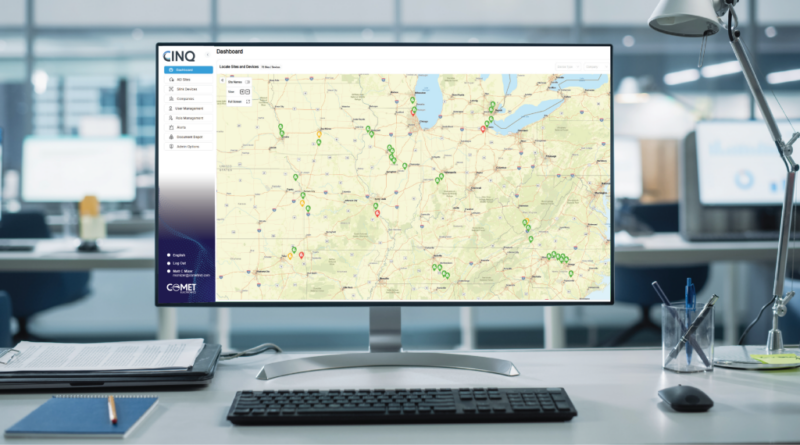
- Cinq: A connected dashboard for unified rail intelligence.
- Cinq Edge: Technology that captures activity at key field locations.
- RailNet AEI: Provides industry-standard railcar identification.
Together, these tools ensure that trackside activity is instantly available to the teams who need to act on it.
Conclusion: Strengthening the System
Rail visibility does not fail because teams aren’t working hard enough; it fails when the systems behind them are disconnected. By adopting connected rail data, operators can reduce visibility gaps, support smarter decisions, and build a more reliable foundation for modern rail operations.
FAQs
What causes rail visibility breakdowns?
Rail visibility often breaks down due to manual tracking processes, disconnected systems, delayed updates, and fragmented data sources that make it difficult to maintain accurate railcar movement records.
How does connected rail data improve operations?
Connected rail data provides time-stamped movement records, centralized visibility, and real-time access to railcar activity, helping teams make faster and more informed decisions.
Why is railcar dwell tracking important?
Accurate dwell tracking helps facilities monitor how long railcars remain on-site, supporting better resource planning, operational efficiency, and demurrage management.
What are the risks of using manual rail tracking methods?
Manual tracking can lead to delayed updates, data inconsistencies, communication gaps, and increased administrative effort, especially in complex or high-volume rail operations.
How do AEI systems support rail visibility?
AEI systems automatically identify railcars as they move through key locations, providing reliable tracking data that improves visibility, reporting accuracy, and operational awareness.
This article was originally published by Comet.