Learn how railcar tracking, AEI technology, and connected data transform railcar movement into operational intelligence that improves visibility, efficiency, and decision-making.
Railcar Movement Creates Data, But Data Alone Is Not Enough
Every rail operation generates a constant stream of information. Railcars move through yards, terminals, industrial facilities, and mainline networks every day, creating valuable operational data at every stage of the journey. Each railcar read, arrival, departure, and dwell event represents an opportunity to better understand how assets are moving across the network. However, collecting data alone does not improve performance. Many rail operations still struggle with fragmented visibility, manual reporting processes, and disconnected systems that make it difficult to turn raw information into actionable insight.
Modern rail operations require more than basic railcar detection. They need connected intelligence that helps teams understand what is happening in real time, identify emerging issues, and make informed decisions that improve efficiency and service levels. The true value of railcar movement tracking is realised when data moves beyond simple detection and becomes clear, connected operational intelligence.
Trackside Detection: Where Operational Intelligence Begins
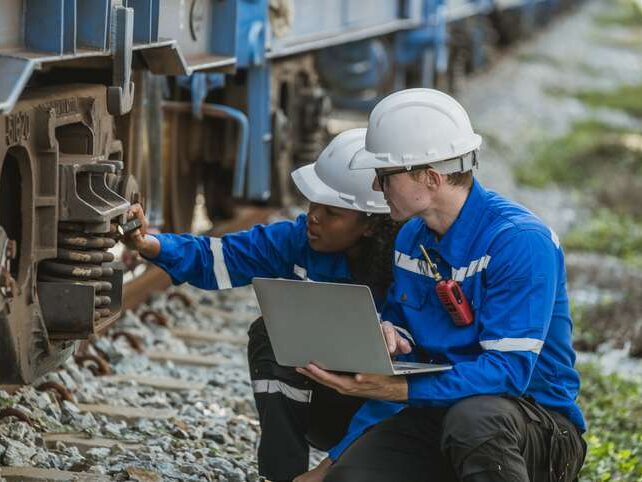
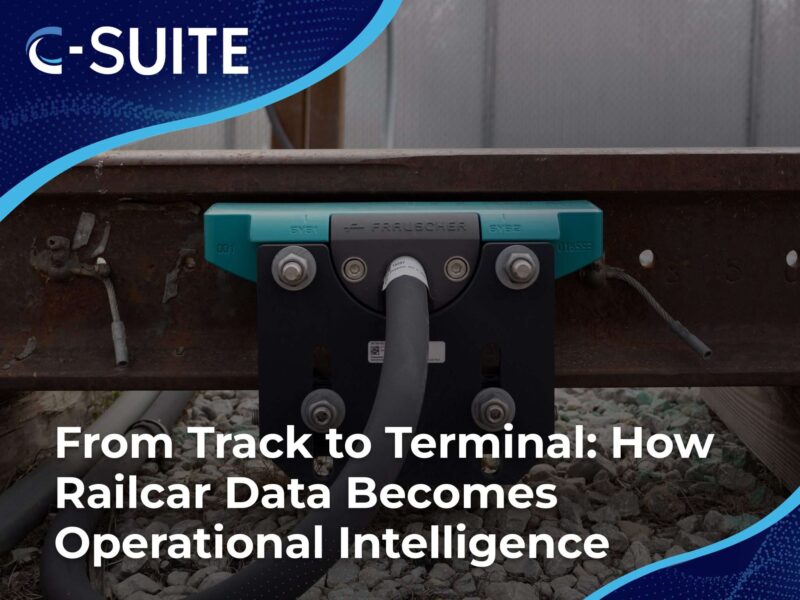
Operational intelligence begins where railcars move: on the track. Trackside detection systems serve as the foundation for rail visibility by capturing railcar activity at critical locations throughout a rail network. Whether monitoring a busy terminal, industrial facility, switching yard, or mainline corridor, these systems provide the first layer of information needed to understand railcar movement.
Trackside equipment monitors railcar activity as assets pass through designated points across an operation. These detection points create a record of movement events that can help operations teams maintain visibility into railcar locations and traffic flow.
AEI Technology and Sensor-Based Intelligence
By identifying individual railcars and connecting that information with location, timing, direction and movement data, AEI technology helps create a dependable record of railcar activity across a facility or network. This makes AEI an important foundation for reporting, compliance, asset visibility and operational decision-making across rail operations.
In addition to the identification and data processing capabilities of AEI systems, sensor-based technologies add another layer of movement intelligence. These sensors help capture the physical activity happening at the track, including details such as direction and movement data. When combined with AEI system data, sensor inputs help create a more complete picture of railcar activity in the field. Instead of simply knowing which railcar passed a reader, teams can better understand how, when and where movement is occurring across a facility or network.
From Field Data to Centralised Platforms
Accurate operational intelligence starts at the track, where railcar movement is detected, identified, validated and recorded. Capturing railcar movement is only the first step in the intelligence journey. Once data is collected in the field, it must be transmitted to systems where operators, managers, and decision-makers can access and use it. Without reliable connectivity, valuable information often remains isolated at individual sites, delayed by manual reporting processes, or disconnected from broader operational workflows.
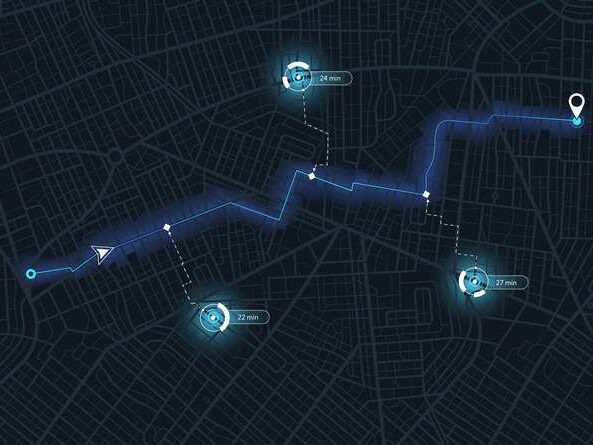
Effective rail operations depend on the seamless movement of information from trackside infrastructure to centralised platforms. When railcar movement data is transmitted in near real-time, organisations gain operational visibility that extends beyond a single location. Teams can monitor activity across multiple facilities, track asset status, and respond more quickly to changing conditions.
For more information, visit COMET Industries.
This article was originally published by COMET Industries.