Rail operations depend on visibility. Teams need to know when railcars arrive, how long they remain onsite, where movement is occurring, and when cars depart. When that information is tracked manually or spread across multiple systems, even relatively simple questions about rail activity can become difficult to answer.
Spreadsheets, radio calls, physical checks, and handwritten logs can all play a role in day-to-day operations, but they can also create gaps in the record. An arrival may be documented in one system while a departure is recorded somewhere else. Updates may depend on an employee being available to enter information. When questions arise later, teams can spend valuable time reconstructing what happened.
Automated railcar tracking offers another approach. By capturing railcar movement as it occurs, companies can create a consistent, time-stamped record of activity that supports better railcar visibility, more effective demurrage management, and stronger operational planning.
For facilities looking to move beyond disconnected tracking processes, connected rail visibility can provide the dependable information needed to understand what is happening across an operation.
What Automated Railcar Tracking Captures
At its core, an automated railcar tracking system turns physical railcar movements into usable operational data.
Depending on the system and configuration, automated tracking can capture events such as:
- Railcar arrivals
- Railcar departures
- Direction of movement
- Movement within defined track areas
- Time spent onsite
- Dwell within specific track zones
Instead of relying solely on someone to observe a movement and record it manually, automated technology creates a time-stamped record as rail activity occurs. That creates a more consistent picture of which cars have arrived, which remain onsite, and which have departed.
Near-real-time information can help operations teams understand current conditions without waiting for manual updates. The same records can later become historical data for reporting, analysis, and planning.
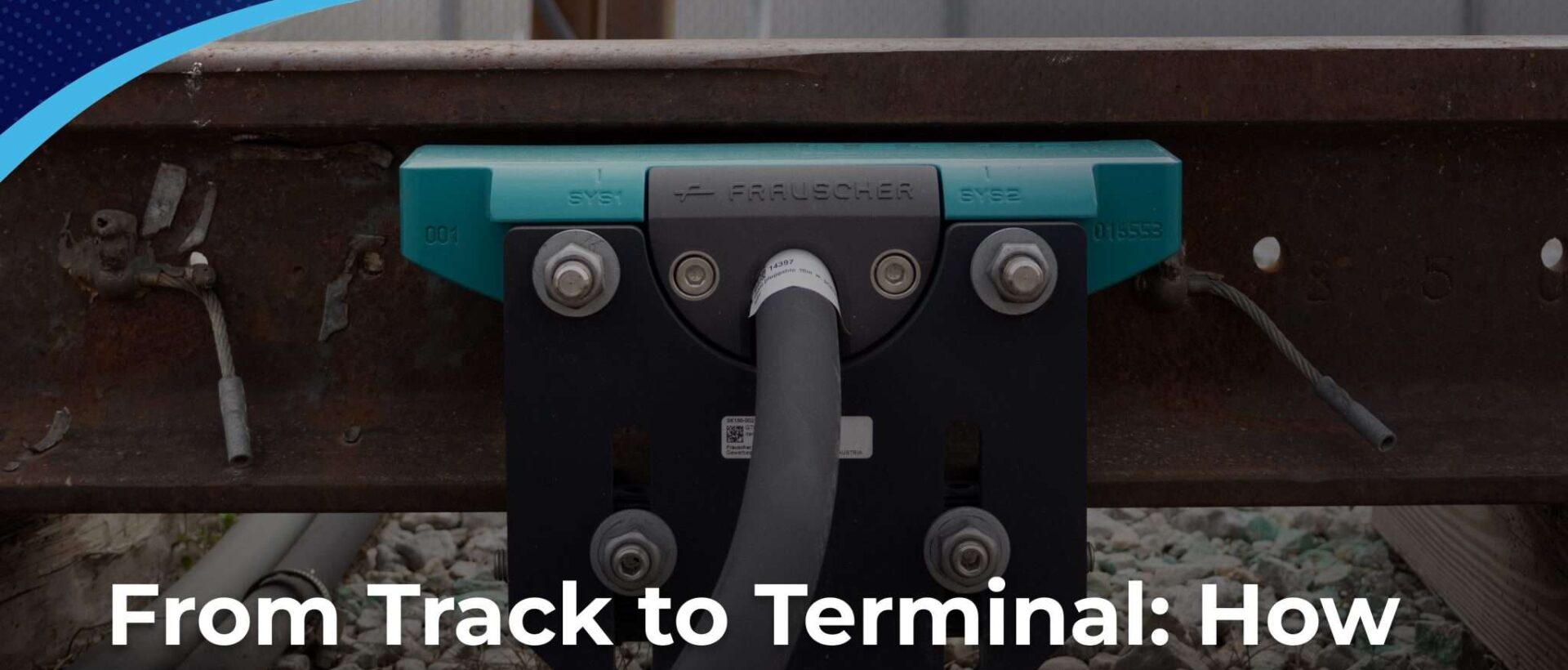
Solutions such as Cinq Edge railcar tracking can bring automated identification and movement visibility to rail yards, industrial facilities, terminals, and other environments where understanding rail activity is important. COMET positions Cinq Edge as a field-deployable AEI solution for monitoring railcar arrivals, departures, and dwell.
The result is not simply more data. It is a dependable record that teams can actually use.
Using Dwell Data to Support Demurrage Management
Demurrage is closely connected to time. When railcars remain at a facility beyond established periods, additional charges may result. Managing that exposure becomes more difficult when the actual arrival, departure, and dwell history is unclear.
Automated railcar dwell tracking can provide an independent, time-stamped record of those movements.
With clearer dwell information, teams can identify cars that have remained onsite longer than expected and investigate what may be contributing to the delay. Operations personnel may be able to prioritize unloading, coordinate switching, address workflow issues, or otherwise respond before dwell continues to increase.
Historical records also become valuable when reviewing demurrage charges. Instead of trying to rebuild a timeline from spreadsheets, emails, radio communication, or employee recollection, a company can reference its own movement history when evaluating activity or investigating discrepancies.
A centralized rail operations platform can further support this process by consolidating movement information and automatically tracking the amount of time railcars remain within monitored facilities and track zones. COMET’s Cinq platform is designed to use these records to support dwell analysis, bottleneck identification, reporting, asset utilization, and demurrage management.
Automated tracking does not eliminate demurrage charges on its own. Its value is in providing better information so companies can manage dwell more proactively, validate rail activity, and make decisions based on a reliable record.
Turning Railcar Visibility Into Better Operational Planning
The value of automated railcar tracking extends well beyond demurrage.
Knowing what has arrived, what remains onsite, and what has departed can influence decisions throughout a rail-served operation.
Arrival data, for example, can help teams anticipate the labor, equipment, unloading areas, and track capacity that may be needed. Departure information creates a clearer picture of available space and inventory movement. Dwell trends can reveal areas where congestion or workflow delays repeatedly occur.
With greater rail operations visibility, companies can use movement data to support:
- Switching plans
- Track utilization
- Labor scheduling
- Loading and unloading coordination
- Outbound planning
- Track capacity planning
This changes the planning process from one based largely on assumptions or periodic updates to one supported by current operating information.
Consider a facility where several cars are scheduled for unloading but a group of previously arrived cars has remained onsite longer than expected. Without reliable dwell and movement information, personnel may not recognize the developing capacity issue until additional cars arrive. With better visibility, the operation has more information available to adjust priorities before the situation becomes more difficult to manage.
Reliable railcar data cannot remove every operational constraint, but it can give teams a clearer foundation for making decisions.
Creating a Reliable Record of Rail Activity
One of the less visible benefits of automated railcar tracking is consistency.
Without a centralized movement history, different departments may depend on different sources of information. Operations may maintain one spreadsheet, logistics personnel another, while customer-facing employees rely on emails or verbal updates.
That fragmentation can lead to conflicting answers about when a car arrived, how long it remained onsite, or when it departed.
Automated tracking creates the opportunity for teams to reference the same activity history. Operations, logistics, management, and customer-facing personnel can work from a more consistent record instead of maintaining separate versions of events.
That record can support:
- Demurrage review
- Customer inquiries
- Operational reporting
- Performance analysis
- Process improvement
- Internal documentation
A dependable movement history also reduces reliance on institutional knowledge. Instead of needing to find the employee who remembers what happened on a particular shift or day, teams can review a time-stamped record.
This is an important step toward creating a true single source of operational information. COMET’s Cinq rail operations platform is designed around that concept, bringing information from AEI readers, wayside devices, connected sensors, and monitored locations together within one operational environment.
Using Historical Railcar Data to Identify Operational Patterns
Real-time visibility helps teams manage what is happening now. Historical data helps them understand what happens repeatedly.
As automated railcar movement records accumulate, companies can begin looking beyond individual arrivals and departures to identify trends.
Historical dwell data may show that cars consistently spend more time in a particular area than expected. Arrival patterns could reveal recurring periods of congestion. Repeated delays might point to opportunities to adjust staffing, switching schedules, loading processes, or track utilization.
This is where organizations can begin to turn railcar movement data into operational intelligence.
Instead of asking only, “Where is this car?” teams can begin asking broader questions:
Why does dwell repeatedly increase during certain operating periods? Are particular track areas consistently becoming constrained? Do changes in switching schedules improve throughput? Are loading or unloading processes creating recurring delays?
Consistent data provides a stronger foundation for answering those questions and measuring whether operational changes are producing results.
The goal is not to collect more information simply because technology makes it possible. The goal is to transform that information into better decisions.
From Manual Tracking to Connected Rail Visibility
Manual processes become increasingly difficult to manage as rail operations grow in size or complexity.
More track, more railcars, multiple facilities, additional departments, and higher freight volumes can all create more information to capture and reconcile. A process that works adequately for a smaller operation may become cumbersome when dozens of movements need to be documented across several areas.
Automated railcar tracking can reduce that dependence on manual reporting by capturing activity as it happens.
The next step is connecting that information so teams can use it across the operation.
A connected rail intelligence ecosystem can combine field-level detection with centralized data and analytics, creating a broader view of rail activity. COMET developed C-Suite to connect trackside detection, railcar movement data, and operational analysis rather than leaving those capabilities isolated from one another.
That connected approach can give teams greater visibility across yards, industrial facilities, terminals, and other rail environments while maintaining the historical documentation needed for analysis and reporting.
Automated tracking then becomes more than a way to know that a car passed a particular point. It becomes part of the infrastructure supporting broader rail operational intelligence.
This article was originally published by COMET.