Industrial sites, intermodal terminals and short line railroads all need to know where their railcars are. See how connected rail visibility solutions fit each operation.
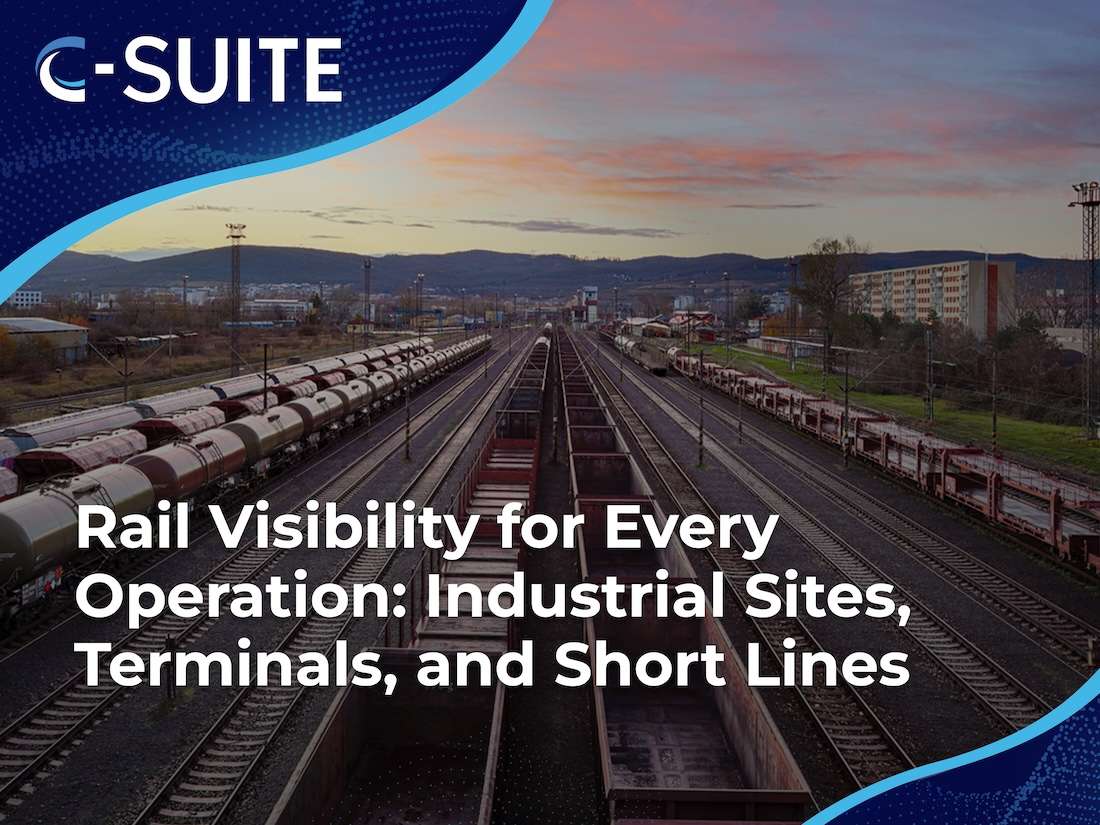
No two rail operations look alike. A manufacturing plant might handle a few dozen railcars a week on its own spur. An intermodal terminal can see trains arriving and departing around the clock. A short line railroad might serve dozens of customers across a network of sidings, yards, and interchange points.
The scale and daily demands are different, but the core questions are the same. Where are our railcars? When did they arrive? How long have they been here? When did they leave?
When those answers depend on spreadsheets, radio calls, phone updates, and walking the tracks, rail visibility gets harder to maintain as volume grows. Records fall behind what’s actually happening, teams work from different versions of the facts, and questions about dwell or demurrage take hours to reconstruct. We looked at why rail visibility breaks down in an earlier article.
Connected rail technology can close those gaps, but the right approach isn’t the same for every operation. Here’s how rail visibility solutions apply to three common environments: industrial sites, intermodal rail facilities, and short line railroads.
Industrial Sites: Improving Railcar Tracking and Dwell Management
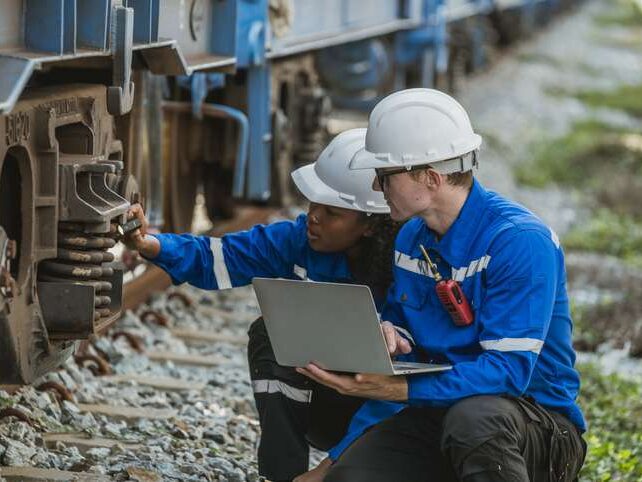
For a rail-served industrial facility, railcars are part of the supply chain. Inbound cars carry raw materials that production is waiting on. Outbound cars carry finished product that customers are waiting for. In between, cars sit on plant tracks while they’re loaded, unloaded, stored or switched.
Common operational concerns include:
- Limited visibility into railcar arrivals and departures: Without a reliable record of when a car entered or left the site, it’s hard to know what’s actually on hand or to plan loading and unloading crews around it.
- Manual tracking of railcars entering and leaving the facility: When someone has to walk the tracks, read car numbers and type them into a spreadsheet, the record is only as current and accurate as that person’s last check.
- Difficulty monitoring dwell time and demurrage exposure: Demurrage charges are tied to how long cars are held. If your own arrival and release records are incomplete, it’s harder to spot cars aging on site or to review a demurrage bill with confidence.
- Coordination between logistics, production and transportation teams: Logistics wants to know what’s arriving, production wants to know what’s ready to unload, and transportation wants to know what can be released. When each team keeps its own records, those conversations slow down.
Automated railcar tracking addresses these problems at the source. Detection equipment at the points where cars enter or leave the facility, or move between track zones, creates a time-stamped record of each car’s identity, direction, and timing. That record becomes the basis for onsite inventory, dwell monitoring, and planning, without depending on someone to write it down. Our article on automated railcar tracking and demurrage planning goes deeper on how dwell records support those conversations.
For many industrial facilities, this is where Cinq Edge™ fits. Cinq Edge is a field-deployable AEI solution designed for yards, industrial sites and other locations without traditional wayside infrastructure. It’s solar powered, so it needs no hut, wiring, or external power, and it sends railcar identification and direction data to Cinq™ for near real-time railcar monitoring, alerts, and reporting.
Intermodal Terminals: Managing High-Volume Railcar Movement
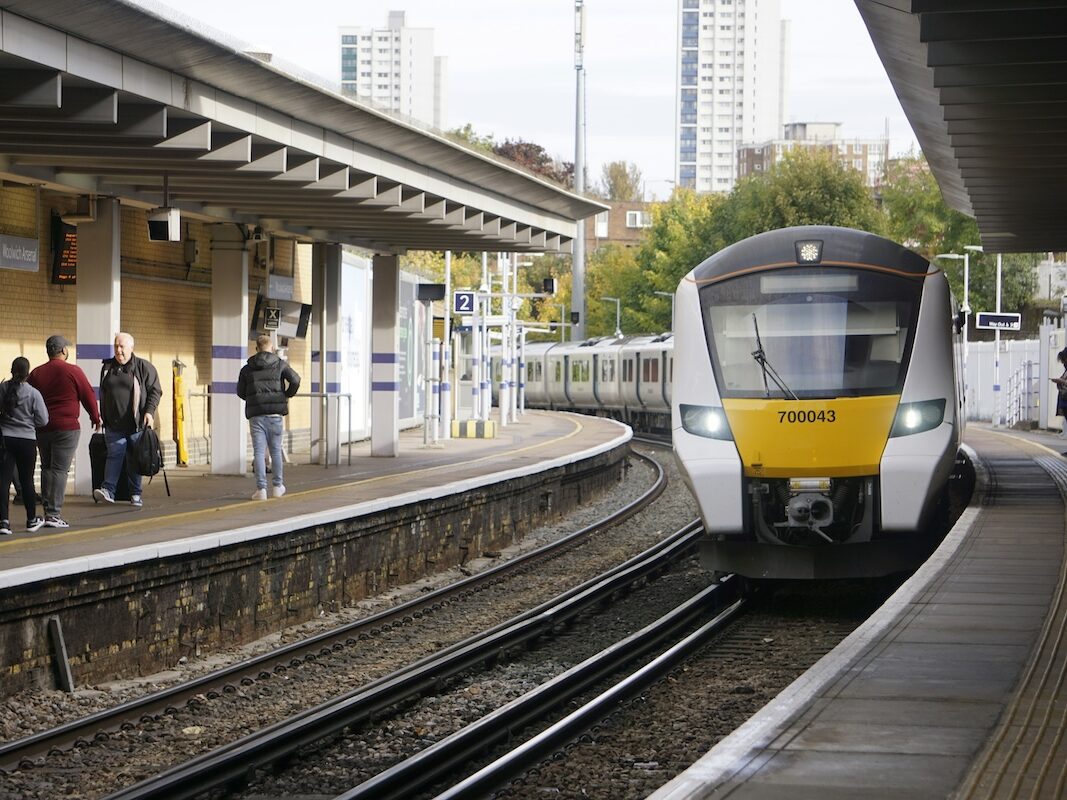
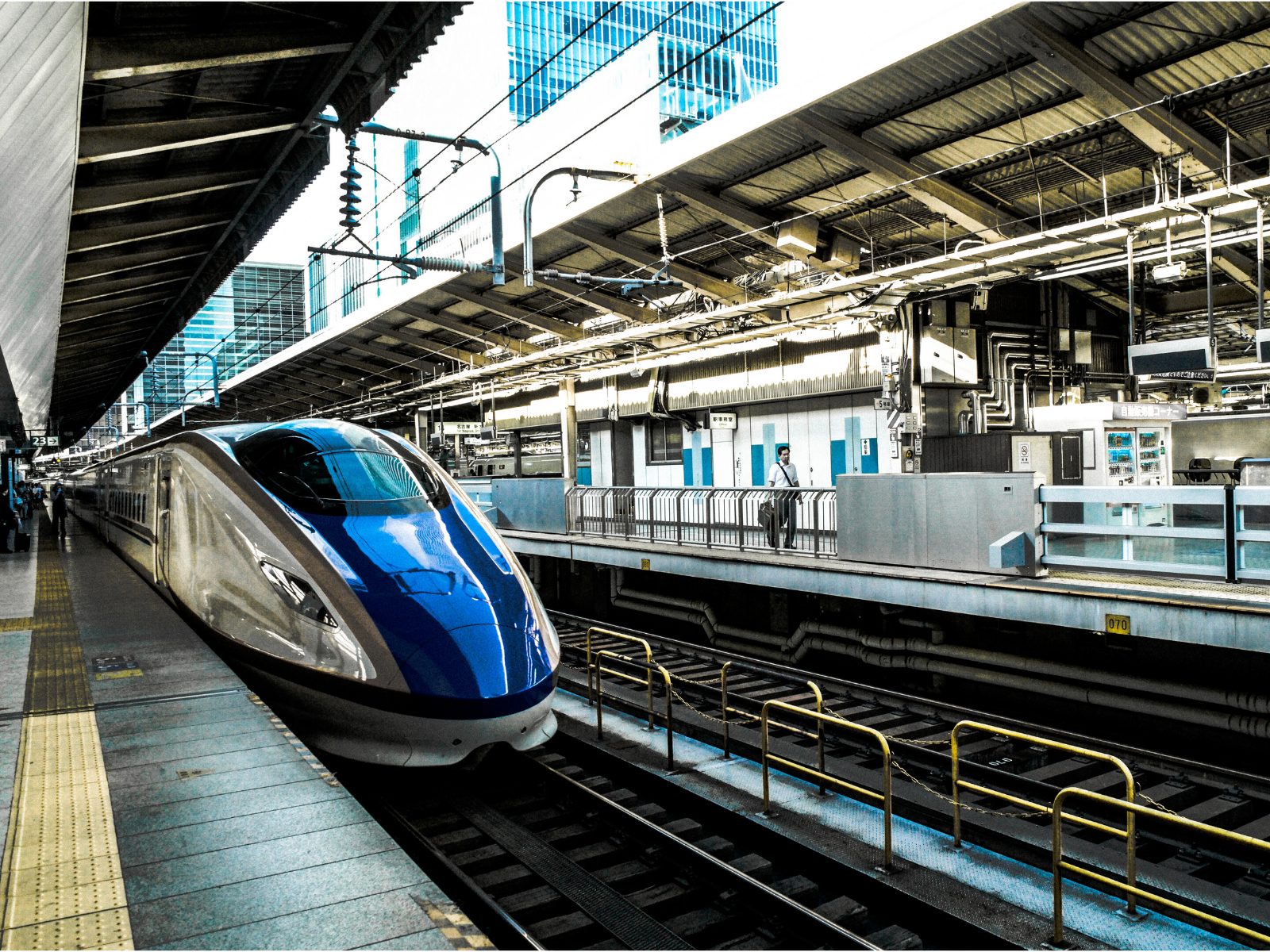
Intermodal terminals run at a different pace. Trains arrive and depart on tight windows, containers and trailers move between rail and truck, and several teams coordinate the work across tracks, gates, and loading areas. In intermodal terminal operations, a missed or late record isn’t just an administrative problem. It can affect how quickly a train is worked and released.
Common challenges include:
- High volumes of inbound and outbound rail traffic: Recording every car by hand becomes impractical as train counts grow.
- Accurate records across multiple entry and exit points: A terminal with several lead tracks and access points needs consistent records at each one, not just the busiest.
- Coordinating railcar movements between operating teams: Operations, yard, and customer-facing staff all need the same picture of what’s on site and what’s moving.
- Identifying delays and improving terminal throughput: Without a reliable movement history, it’s hard to see where cars are waiting and why.
Automated detection at key movement points gives intermodal rail facilities a consistent record of when cars pass, which direction they’re moving and how long they stay. Cinq Edge is built for those chokepoints, including terminal entrances, rail access lanes and high-traffic control zones. As cars pass, it captures each car’s ID and direction without manual input.
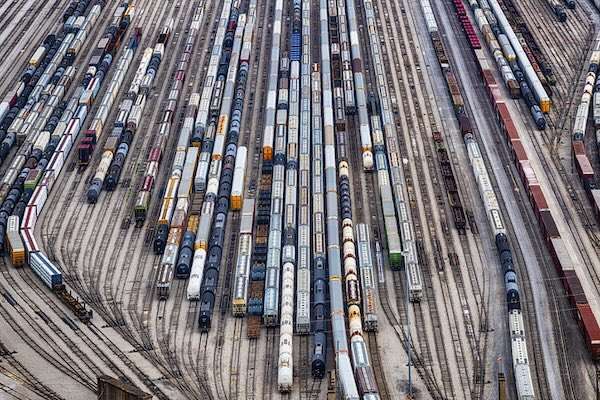
That data flows into Cinq, where teams can view arrivals, departures, dwell and onsite activity in one centralized platform, set alerts and export reports. For a busy intermodal yard, the value isn’t only the individual record. It’s one shared, time-stamped history that operations, yard, and customer service teams can all work from. See how Cinq Edge captures railcar movement for a closer look at the detection side.
Short Line Railroads: Connecting Visibility Across the Network
Short line railroads face a different kind of complexity. Instead of one busy site, a short line may manage railcar movements across many customers, yards and interchange points spread over miles of track, often with a lean team.
Common considerations include:
- Tracking railcars across dispersed locations: Cars move between customer sidings, yards and interchange points that can be far apart.
- Maintaining accurate interchange and movement records: Interchange with connecting railroads depends on accurate car identification and consist data.
- Supporting customer communication and shipment visibility: Shippers want to know where their cars are, and answering every question by phone takes time.
- Managing infrastructure and technology investments: Short lines need to get the most from the systems they already have before adding new ones.
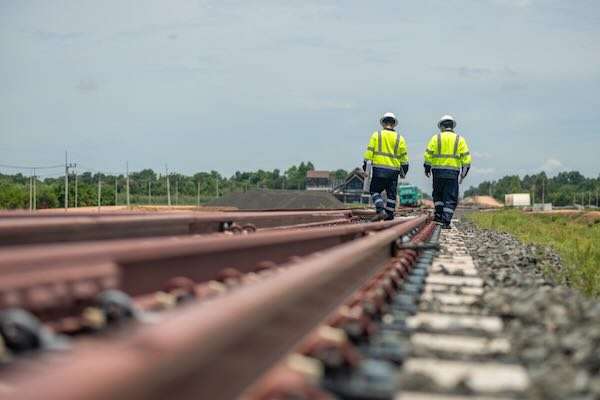
Connected AEI data and centralized reporting help short line operators see railcar activity across the network without relying solely on manual updates. For many railroads, part of that infrastructure is already in place.
COMET’s RailNet™ AEI System has been in service for more than 30 years, with nearly 5,000 installations across North America. Class I and regional railroads rely on it for wayside car identification. It complies with AAR AEI standards and can transmit clean consist data in multiple formats to multiple host locations. Through its integration with Cinq, the AEI data RailNet already captures can be viewed alongside other C-Suite™ data in one place. That extends the value of existing tracking infrastructure instead of replacing it.
Where a short line also needs visibility at a customer facility or yard that has no wayside infrastructure, Cinq Edge can add detection at those specific points, with the data flowing into the same Cinq platform.
One Connected Ecosystem, Multiple Rail Applications
Industrial sites, intermodal terminals and short line railroads each need something different from their rail technology, but they share one requirement: railcar data that’s reliable and easy to use. That’s the idea behind COMET’s C-Suite Rail Intelligence Ecosystem, a connected approach to railcar detection, monitoring, and reporting.
- Cinq: Centralizes railcar movement data, reporting and operational insights. From one secure login, teams can view arrivals, departures and dwell across customizable track zones, receive alerts and export time-stamped movement history.
- Cinq Edge: Provides flexible trackside detection for facilities, yards and terminals, including locations without traditional wayside infrastructure. Cinq Edge runs on an active Cinq subscription, which includes COMET-managed communications.
- RailNet AEI: Delivers established automatic equipment identification for rail networks and wayside applications, now connected to Cinq.
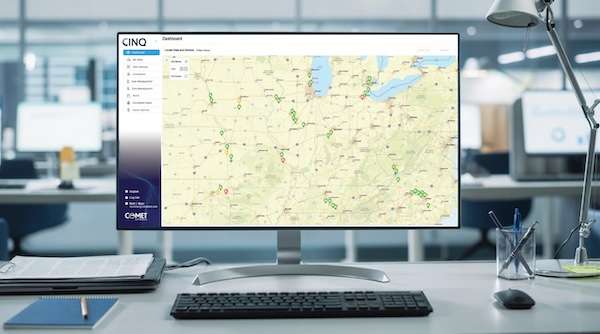
Together, these technologies connect physical railcar movement with actionable operational data: detection at the track, data in a central platform, and reporting the whole team can use.
The right deployment depends on the operation. An industrial plant without wayside infrastructure may start with Cinq Edge at its rail gate. A terminal may place Cinq Edge at several entry and exit points. A short line may connect existing RailNet sites to Cinq and add Cinq Edge where it needs more coverage. Your operating environment, existing infrastructure, and visibility requirements should drive the decision, not a one-size-fits-all package.
Finding the Right Rail Visibility Solution with COMET Industries
Improving rail visibility starts with understanding your operation’s specific tracking challenges and goals. Before choosing technology, think through what you need it to do:
- Arrival and departure tracking: Where do cars enter and leave your operation, and how are those movements recorded today?
- Dwell time monitoring: Do you need to know how long cars stay on site, or how long they sit in specific zones?
- Railcar identification and movement reporting: Who needs the data, how often and in what format?
- Existing infrastructure integration: Do you already have AEI readers or other wayside systems you want to keep using?
- Scalability across locations or operational areas: Will you need visibility at one gate, several tracks or an entire network?
COMET has supported rail operations with AEI and wayside technology for decades. Our team can help you identify the right combination of detection hardware and connected data for your operation, whether you manage an industrial facility, an intermodal terminal or a short line railroad.
Find the Right Rail Visibility Solution for Your Operation
Every rail operation has different tracking needs. Take COMET’s Product Selector Survey to discover whether Cinq Edge or RailNet is the right fit for your operation.
FAQs
What is rail visibility?
Rail visibility is the ability to know where railcars are, when they arrived, how long they’ve stayed and when they left. Rail visibility solutions capture that information automatically at the track and make it available to every team that needs it.
What is automated railcar tracking?
Automated railcar tracking uses trackside equipment to identify railcars and record their movements as they happen. Each event is time-stamped, creating a consistent record of arrivals, departures, direction and dwell without manual logging.
What’s the difference between Cinq Edge and RailNet?
Cinq Edge is flexible, solar-powered detection hardware for industrial sites, yards and terminals, including locations without traditional wayside infrastructure. RailNet is COMET’s established wayside AEI system used across rail networks. Both connect to Cinq as part of the C-Suite ecosystem, but they serve different roles.
This article was originally published by COMET Industries.