Rather than coordinating multiple vendors for parts, fabrication, reconditioning, truck assemblies, and technical support, many railroads are finding value in working with experienced partners that offer integrated rail solutions. Bringing these capabilities together creates greater consistency, streamlines communication, and helps railroads respond more efficiently throughout the entire railcar lifecycle.
The Hidden Cost of Managing Multiple Suppliers
Every additional supplier introduces another layer of coordination. Purchasing teams must manage separate inventories, schedules, shipping arrangements, quality standards, and communication channels. While this approach may appear flexible, it often creates unnecessary complexity.
When multiple vendors are involved, maintenance schedules can be delayed by inconsistent lead times or unavailable components. Quality expectations may vary between suppliers, creating additional inspection requirements and rework. Administrative tasks also increase as procurement teams manage multiple purchase orders, invoices, and service agreements.
These hidden costs affect more than purchasing—they impact fleet availability. Delayed repairs can keep railcars out of service longer than necessary, reducing operational efficiency and increasing downtime.
A single-source partner simplifies these processes by providing coordinated support across multiple maintenance needs, allowing maintenance teams to focus on keeping equipment moving rather than managing supplier relationships.

What Do Integrated Rail Solutions Include?
Integrated rail solutions extend well beyond supplying replacement components. The greatest value comes from bringing together complementary capabilities that support multiple aspects of rail operations—from procurement and fabrication to reconditioning, truck assemblies, inspections, and technical support.
These capabilities often include:
- Comprehensive railcar parts inventory
- Railcar parts reconditioning
- Welding and fabrication services
- Truck assemblies
- Technical engineering support
- Inspection and quality testing
Rather than treating each service as an independent transaction, an integrated provider supports multiple stages of the maintenance process. This coordinated approach improves communication, reduces handoffs, and helps maintenance projects move more efficiently from planning through completion.
Reliable Parts Availability Keeps Maintenance Moving
Maintenance planning depends heavily on having the right components available when they’re needed.
When replacement parts must be sourced from several suppliers, even one delayed shipment can disrupt an entire maintenance schedule. Coordinating deliveries across multiple vendors often extends turnaround times and complicates planned maintenance activities.
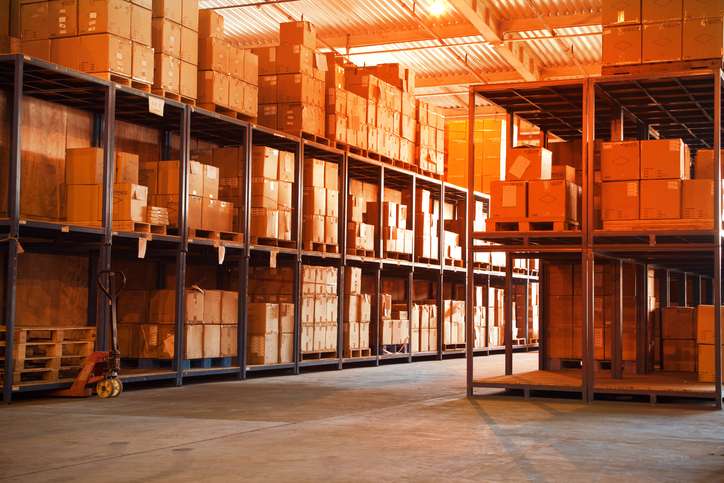
A experienced rail partner with a broad inventory helps minimize these disruptions by providing:
- Faster access to commonly used railcar components
- Better coordination for scheduled maintenance
- Quicker response during unexpected repairs
- Simplified purchasing through one supplier relationship
Reliable inventory doesn’t simply reduce delays—it supports better planning. Maintenance teams can schedule repairs with greater confidence, helping improve overall fleet utilization.
Why Railcar Parts Reconditioning Matters
Not every worn component requires replacement. In many cases, railcar parts reconditioning offers a practical solution that restores qualifying components to dependable operating condition while extending their usable service life.
Professional reconditioning involves carefully inspecting components, restoring structural integrity where appropriate, verifying dimensional accuracy, and ensuring components meet required performance standards before returning to service.
This approach provides several advantages:
- Extends the railcar parts lifecycle
- Maximizes the value of existing assets
- Reduces unnecessary component replacement
- Supports cost-effective long-term maintenance planning
When performed under established quality procedures, reconditioning becomes an important part of a comprehensive railcar maintenance strategy. Rather than viewing new and reconditioned parts as competing options, successful maintenance programs use both to optimize fleet performance and maintenance budgets.
Welding and Truck Assemblies Reduce Downtime
Maintenance efficiency extends beyond individual components.
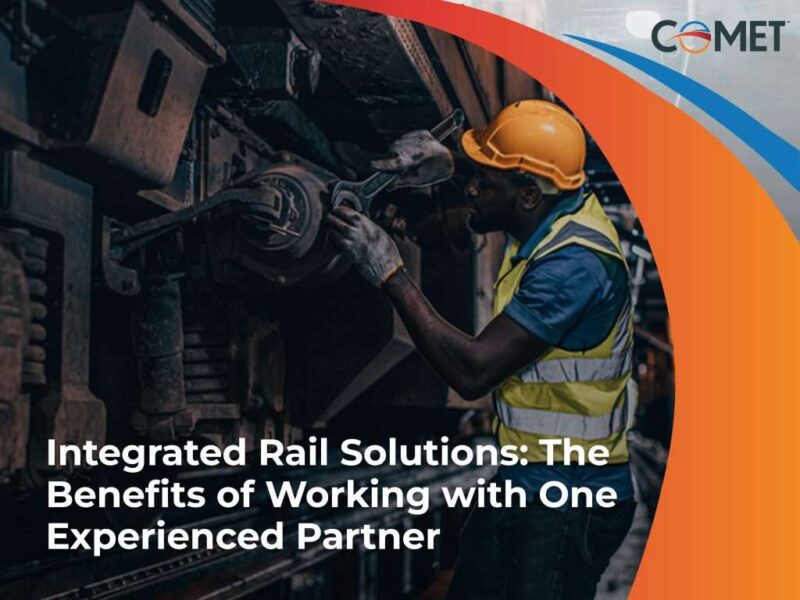
Professional welding and fabrication services restore critical assemblies using controlled repair procedures that support safe, reliable operation. These repairs can often eliminate the need for more extensive replacements while helping maintain equipment integrity.
Preassembled truck assemblies provide another opportunity to reduce downtime. By completing assembly work before components arrive at the maintenance facility, installation becomes faster and more consistent. Maintenance crews spend less time assembling components in the field and more time returning railcars to service.
When welding, truck assemblies, and parts support are coordinated together, maintenance teams avoid unnecessary scheduling conflicts and supplier handoffs that commonly delay repairs.
The Operational Advantages of Integrated Rail Solutions
The value of integrated rail solutions extends well beyond maintenance.
Bringing together parts availability, fabrication, reconditioning, truck assemblies, and technical expertise creates efficiencies throughout procurement, planning, maintenance, and day-to-day operations.
Organizations benefit from:
- Simplified purchasing processes
- Clear communication through a single point of contact
- Consistent quality standards
- Coordinated maintenance scheduling
- Reduced administrative workload
- Improved accountability
- Faster response to maintenance needs
- More predictable repair planning
These operational improvements allow maintenance teams to spend less time coordinating vendors and more time focusing on fleet reliability and availability.
Building Long-Term Rail Partnerships
The strongest partnerships extend beyond individual purchase orders or maintenance events.
An experienced rail partner develops a deeper understanding of fleet requirements, maintenance priorities, and operational goals. Over time, this knowledge enables more informed recommendations that support both routine maintenance planning and unexpected repair situations.
As maintenance needs evolve, a knowledgeable partner can provide technical guidance, recommend appropriate repair options, and help identify opportunities to improve efficiency throughout the maintenance process.
Rather than acting solely as a parts supplier, the right partner becomes an extension of the maintenance organization, supporting long-term operational success.
Simplify Railcar Maintenance with the Right Partner
Today’s railroads face increasing pressure to improve fleet performance, simplify operations, manage costs, and keep assets moving efficiently. Meeting those challenges requires more than quality products—it requires experienced partners who understand the complexities of modern rail operations.
An experienced provider of integrated rail solutions that provides inventory, railcar parts reconditioning, welding, truck assemblies, quality inspections, and technical expertise helps simplify every stage of railcar maintenance.
By bringing together railcar parts, locomotive parts, reconditioning, welding, truck assemblies, inspection, and technical expertise, integrated rail solutions help railroads simplify operations, improve coordination, reduce downtime, and keep fleets performing at their best.
This article was originally published by COMET Industries.