In a world rapidly turning a vast majority of its business practices toward automation, the rail industry is hardly one looking the other way.
From self-driving trains and automatic infrastructure maintenance to AI-based digitalisation; the industry seems hell-bent on blazing a trail straight into a hands-off, meticulously coordinated future – and in 2026 it’s hard to argue that it’s anything other than a crucial development.
With roads becoming more congested and sustainable, accessible transport becoming more and more necessary, rail demand across the globe is at an all-time-high, and increased stresses being put on networks worldwide are seeing the industry become increasingly marred by an ageing workforce and a shortage of new skilled talent.
So, what’s holding the industry back? Whilst there are certainly a large number of breakthroughs and developments hitting headlines on almost daily basis; roadblocks still remain – one of these being a lack of harmonisation between key continents across the world. In Europe, the wealth of open-access operators and their own requirements, specifications and laws means that a truly seamless, automated system is still a long way from realisation.
However, this does not mean there might not be another solution – albeit an, admittedly, temporary one. A bridge, if you like, in the form of technology already used in depots across the world today: Remote Train Operation (RTO).
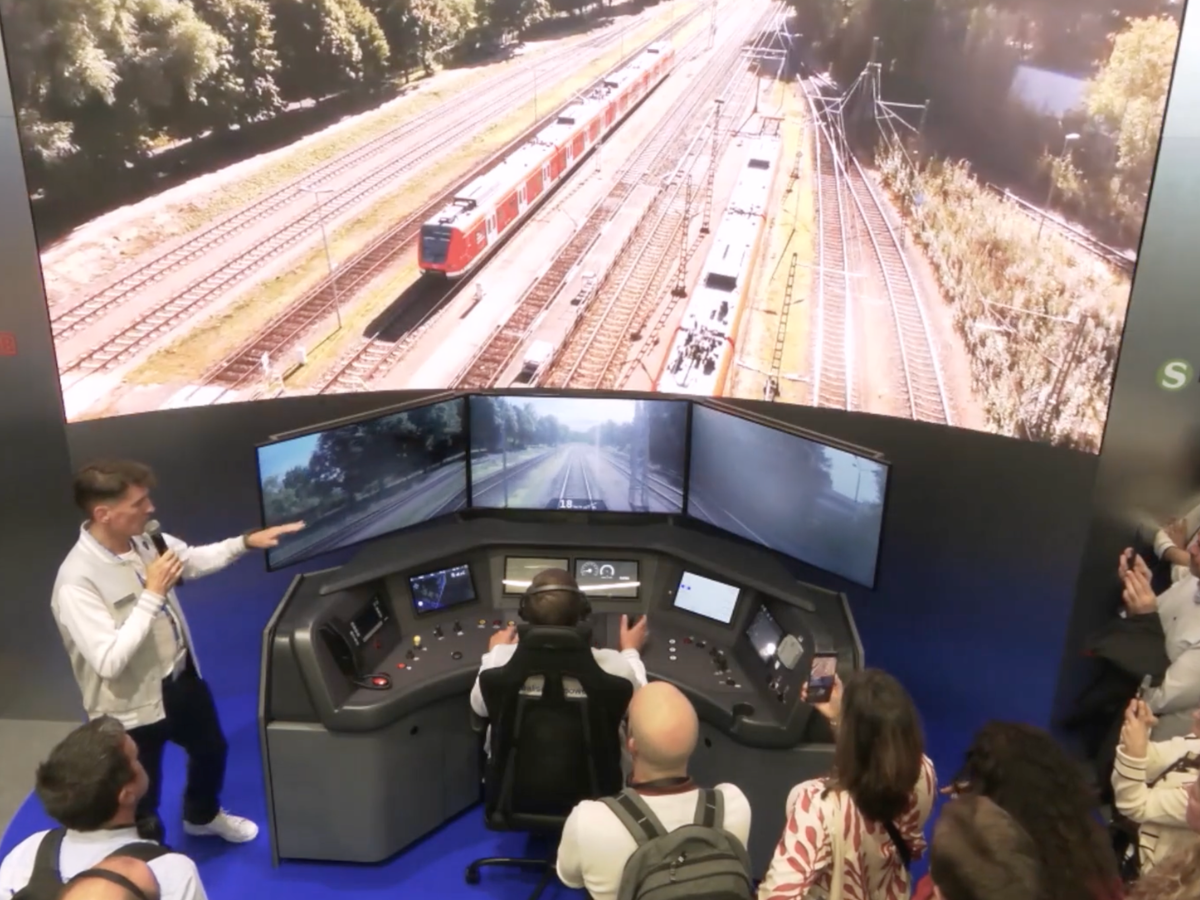
RTO, as one might expect, is a process in which operators are able to control, drive, and monitor trains from a distant control centre or via portable units instead of physically being present in the cab.
Why does RTO possess such a strong potential for the future of rail? Well, for starters, it stands to fix the current productivity and workforce equation by introducing a situation in which the tools are brought to the expert, rather than bringing the expert to the tools. This will allow for much more flexibility in how certain roles are performed, and may result in the reduction of a range of concerns relating to physical barriers, exhaustion and more.
Additionally, the technology is able to be deployed without any significant changes to existing infrastructure – expediting its introduction and removing one of the biggest roadblocks currently preventing the transition to true automation.
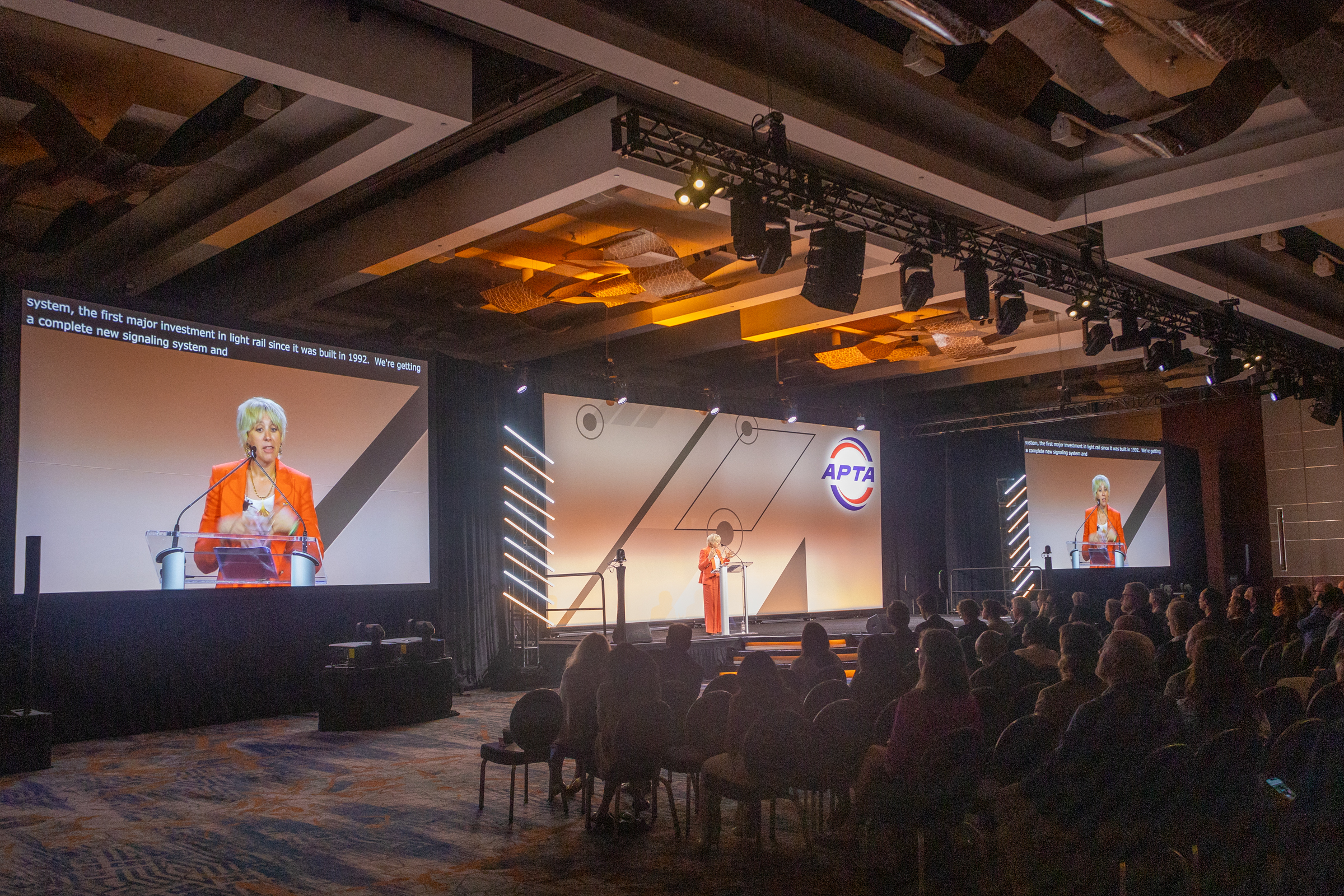
During a presentation at InnoTrans 2026; Bastian Simoni, Railway Automation Design Authority at Alstom spoke of his company’s efforts to further the use of RTO. He stated that research carried out by Alstom discovered that introduction of RTO could increase both productivity and competence in any given operational context by anywhere between 20–30% – a sizeable increase that could be achieved, according to Simoni, by freeing up valuable hours and using them to provide a better experience for passengers.
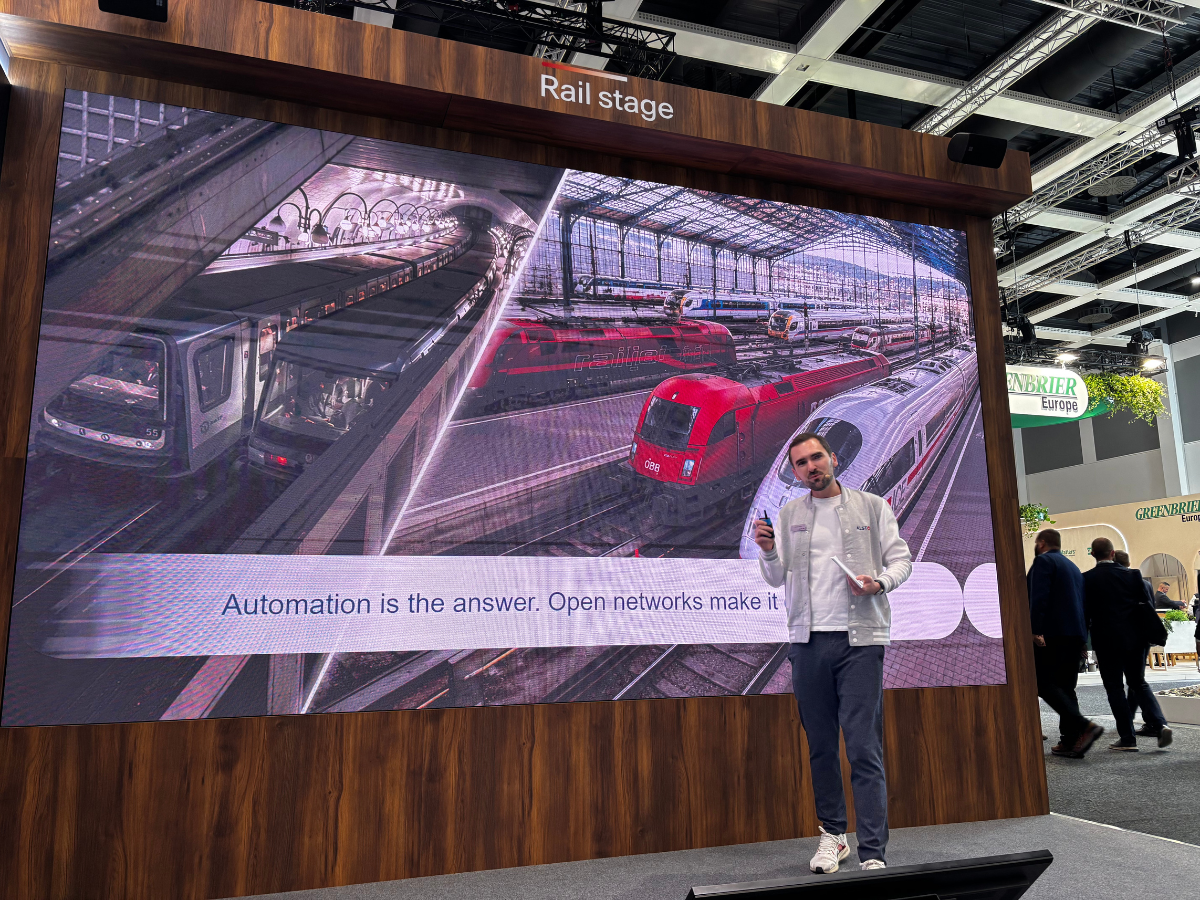
Alstom has been conducting tests with RTO for some time now, including those carried out in collaboration with Deutsche Bahn (DB) earlier this year. During his presentation, Simoni proposed that, in order for the technology to be fully implemented, a set of three key pillars must be implemented in unison: the software-defined train, fleet management system, and, of course, a remote driving desk.
With these three key systems; Simoni certainly believes that any operator would be well on the road to a smarter, more resilient, tightly regimented service schedule – all the while preparing for what might seem to be a pretty inevitable automated future. Whilst there are still some potential risks that would need to be explored – one audience member questioned the integrity of cybersecurity for such a setup – the technology makes an extremely strong case for becoming the bridge from traditional operation to full automation.
For more coverage of InnoTrans 2026, be sure to follow Railway-News for updates both during and after the event – including unveilings, editorial content, overviews and more.