At this year’s APTA Rail Conference, industry experts explored a period of fleet renewal for the US passenger rail industry, leveraging the latest technologies for new rolling stock.
The message from Amtrak, Hitachi Rail and Arup was relatively consistent: electrification remains the ideal solution wherever it is practical, but advances in battery systems, hybrid power and modern rolling stock are rapidly expanding the options for operators facing ageing fleets and partially electrified networks.
Amtrak’s Fleet Renewal Programme
Over the next several years, Amtrak is introducing three major fleets: the NextGen Acela trains, the new Airo trainsets, and eventually a new long-distance fleet. Together, they represent one of the largest rolling stock investments in Amtrak’s history.
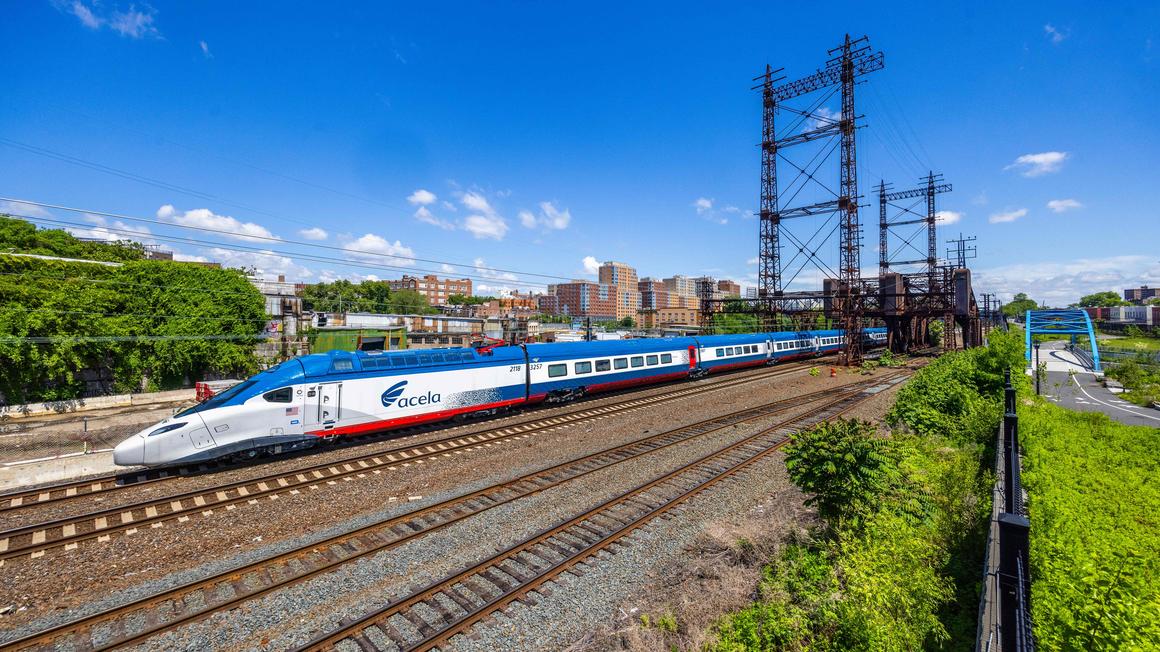
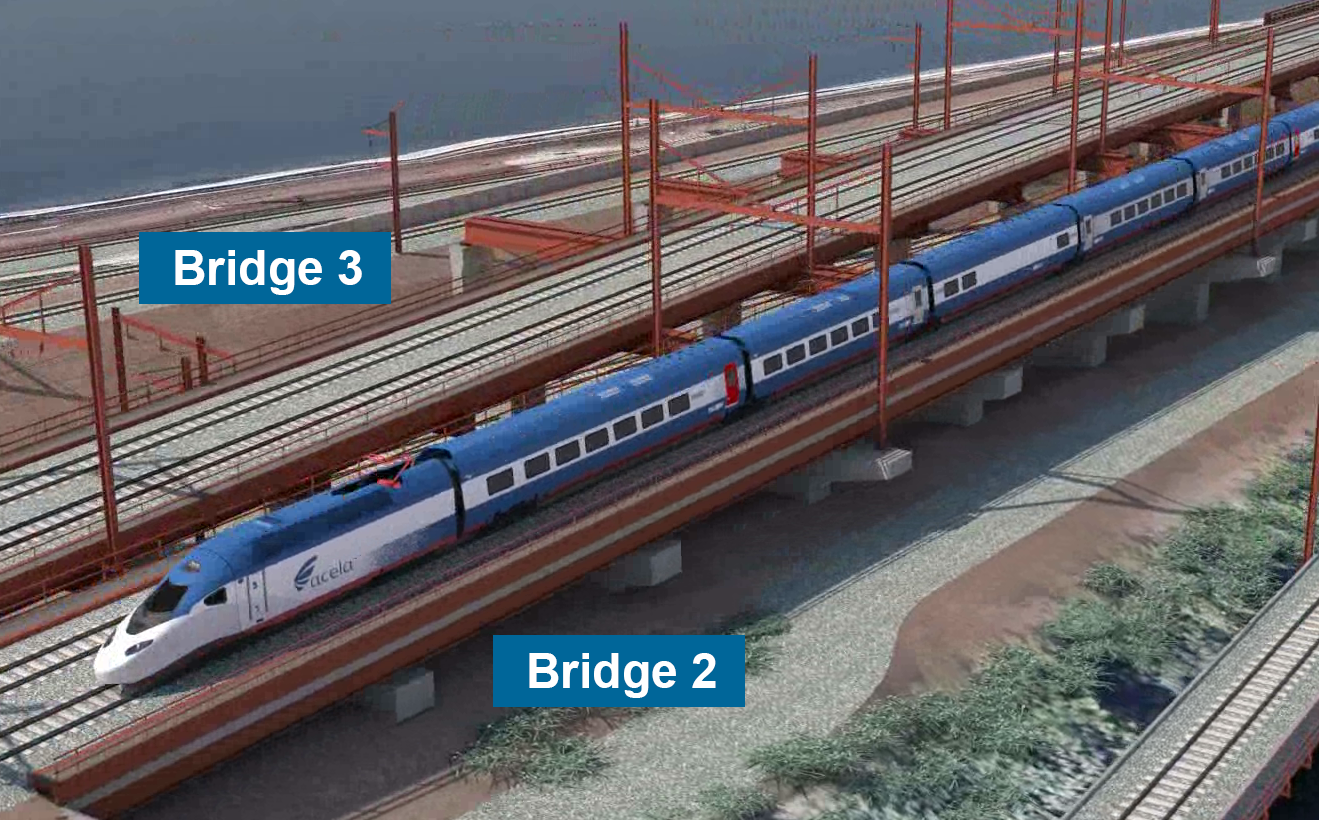
NextGen Acela
Chris Jagodinski, Vice President of Operations at Amtrak noted that the original Acela fleet, introduced in 2000, fundamentally changed intercity travel in the Northeast Corridor. The trains routinely operate up to 900 miles per day, accumulating as much as 28,000 miles every month.
These demanding duty cycles eventually drove the decision to procure a replacement fleet, and rather than pursuing an experimental design, Amtrak deliberately chose proven technology.
The new Acela trains increase capacity from 304 seats to approximately 360 while extending each trainset by only about 20 feet. This is a critical consideration on the space-constrained Northeast Corridor, where station platforms, maintenance facilities and urban real estate leave little room for expansion.
15 of the planned 28 trainsets have now been delivered as testing and commissioning continue.
Airo
The Airo family will replace Amfleet coaches dating from 1974 and 1975. The base Airo order includes 83 trainsets, with configurations tailored for different corridors across the national network.
A notable feature of this replacement programme is the new fleet’s dual-power architecture. Instead of designing an entirely new locomotive, Amtrak worked with Siemens to adapt the ALC-42 platform into the ALC-42E. An Auxiliary Power Vehicle (APV) positioned behind the locomotive carries transformers and electrical equipment, allowing the train to draw power from overhead catenary where available while retaining conventional diesel capability elsewhere.
This concept reduces equipment complexity while dramatically improving operational flexibility. Rather than changing locomotives at Washington Union Station, trains will transition between electric and diesel operation in minutes.
Dual-power operation reduces idle time, simplifies fleet management and improves resilience during power outages or infrastructure disruptions.
Jagodinski said:The dual-mode train eliminates all the locomotive changes. Before, in Washington, D.C., you'd sit there while crews cut off one locomotive and coupled on another. People are sitting there—it's hot, it's cold—it's time, it's effort, it's maintenance, it's equipment. We can make that change in just a couple of minutes—before it would take the time just to unload the people. That means less equipment, less work, less station time and much better efficiency.
Out of the 83 Amtrak Airo trainsets ordered from Siemens Mobility, 50 are dual-power units.
Long Distance Fleet
Amtrak is also laying the groundwork for a replacement of its long-distance rolling stock. Procurement is actively underway, with proposals from manufacturers expected later this year and a contract award targeted by the end of 2027.
The programme could ultimately cover around 800 cars, making it one of the largest passenger rail vehicle procurements in North America. Although Jagodinski was unable to discuss design details due to the live procurement, he acknowledged that the project would replace much of Amtrak’s ageing long-distance fleet, much of which dates back to the 1970s and 1980s.
Battery Technology
The role of battery technology was also discussed throughout the session. Alessandro Vannucchi, Head of Product Portfolio Management at Hitachi Rail highlighted how it is becoming a practical complement to conventional electrification.
He acknowledged that electrification remains the best widespread solution, but noted that battery trains require little or no modification to existing infrastructure and can bridge unelectrified sections.
As such, Hitachi Rail’s strategy is deliberately modular. Rather than designing entirely new vehicles, the company has developed scalable battery packages that can replace diesel power modules or be integrated into new multiple units.
The technology has already entered commercial service in Europe, including Italy’s Blues trains, which combine electric, diesel and battery operation within a single platform. The latest variant removes the diesel engines entirely, replacing them with battery packs exceeding 600 kWh and offering ranges approaching 100 kilometres between charges.
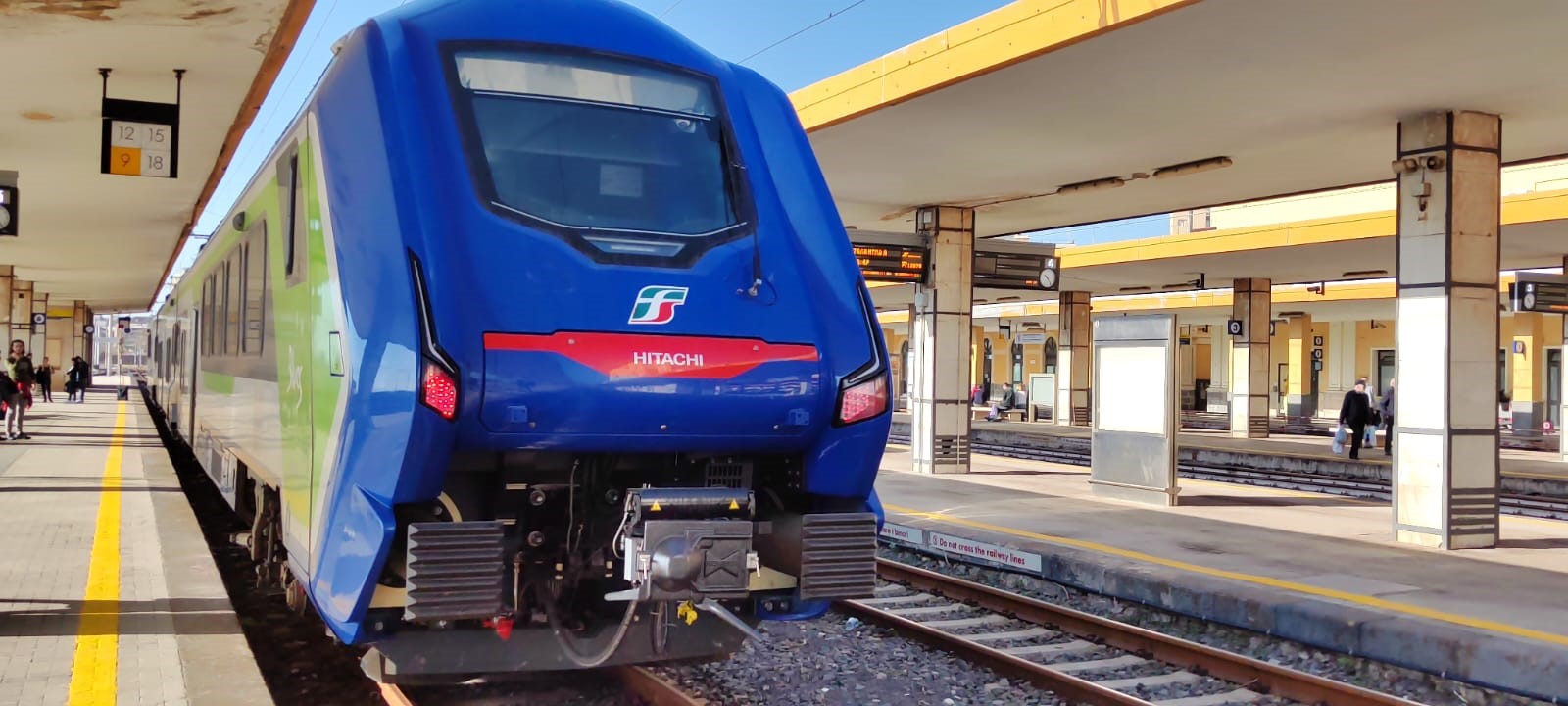
Such developments are made possible as battery technology has matured rapidly over the past decade. Vannucchi indicated that battery energy density has increased by around 60 percent, while improvements in battery management systems, thermal protection and recycling strategies are making the technology increasingly attractive for regional rail operations.
In the US, where large portions of the passenger rail network remain unelectrified and full corridor electrification is often prohibitively expensive, these advances could prove significant. Battery-equipped trains offer operators a practical pathway to reduce diesel operations, bridge gaps between electrified sections and modernise regional services without the cost and disruption of installing overhead wires across entire routes.
Hydrogen Power
As an alternative, zero-emission power source, Luv Sehgal, Senior Rail Engineer at Arup also presented the utility of hydrogen technology, which remains one of rail’s most debated technologies.
Rather than advocating hydrogen as a universal solution, Sehgal examined where it makes genuine operational sense. Large parts of the world’s railways, including in the US, remain unelectrified, and in some regions, particularly lower-density routes, installing overhead wires may never be commercially justified. For these corridors, hydrogen could provide a zero-emission alternative to diesel.
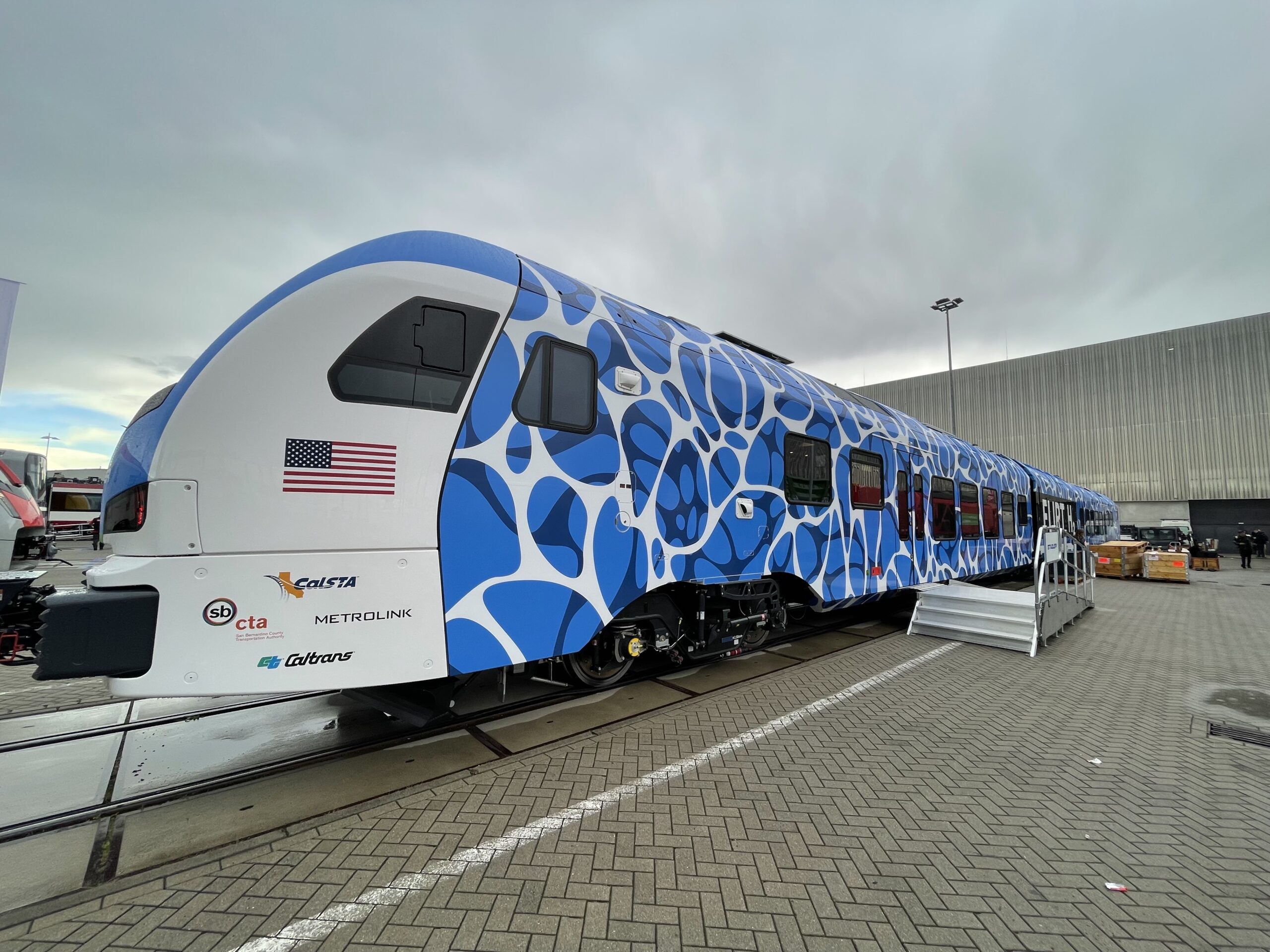
Sehgal’s presentation pointed to hydrogen’s high energy density and long operating range while acknowledging significant infrastructure requirements, including electrolysers, storage facilities and specialised refuelling stations.
He also challenged the assumption that hydrogen should be used primarily as a retrofit technology. Studies comparing conversions of older diesel multiple units with newer electric multiple units suggested that designing purpose-built hydrogen trains offers far better system integration than attempting to retrofit ageing diesel fleets.
Overall, across all three presentations, the conclusion repeatedly emerged that there is no universal answer to choosing the right technology.
Sehgal concluded:There is technically no silver bullet. It really depends what your conditions are.
Low-frequency, medium-to-long-distance routes may favour hydrogen, while high-frequency, high-speed operations remain best served by conventional electrification.
Meanwhile, battery systems are becoming increasingly modular, scalable and adaptable, allowing operators to tailor rolling stock to individual corridors rather than forcing every route into the same technological solution.
Amtrak’s Airo programme reflects this philosophy, as rather than committing exclusively to one propulsion technology, the railway is deploying electric, diesel, and battery capabilities across a single integrated fleet architecture.