If Congress is looking for evidence that public transportation deserves greater investment, it does not need to commission another study; it simply needs to look at what is unfolding across North America during the FIFA World Cup 2026.
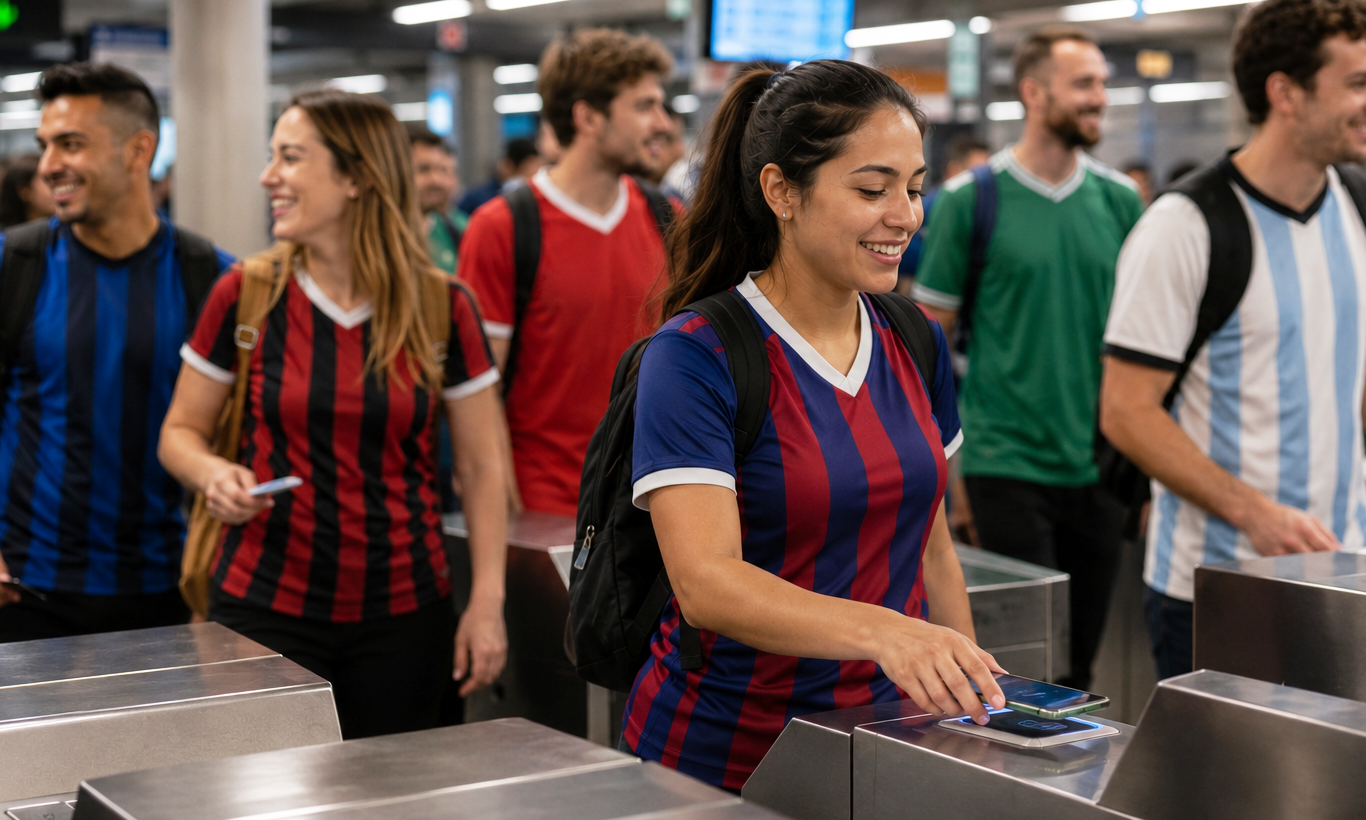
Across 11 host cities in the US, transit systems are acting as key enablers for the tournament. Trains, commuter rail, light rail, and bus networks have become the operational backbone of one of the largest sporting events in history, moving unprecedented volumes of passengers while keeping cities functioning for residents, workers, and everyday riders.
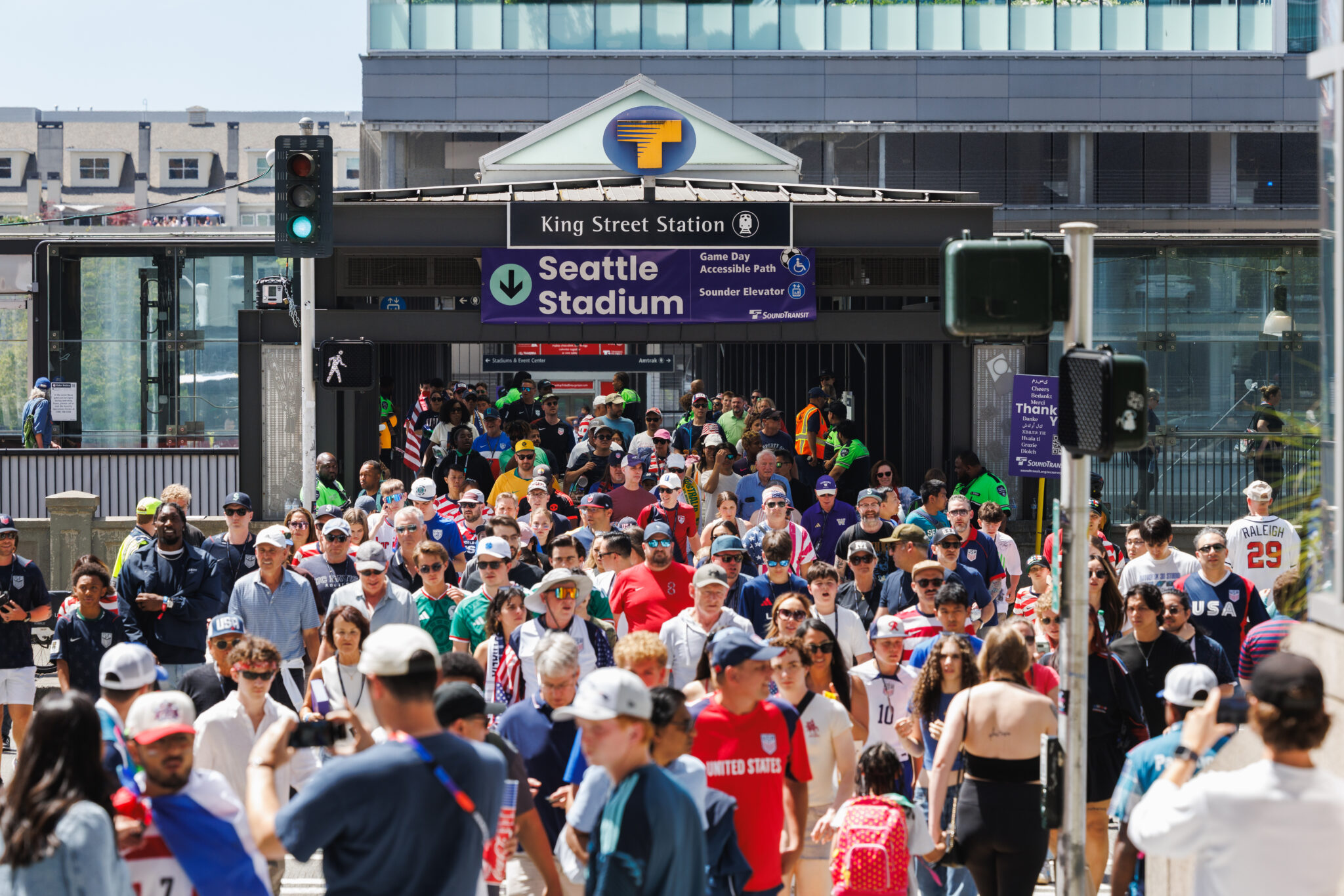
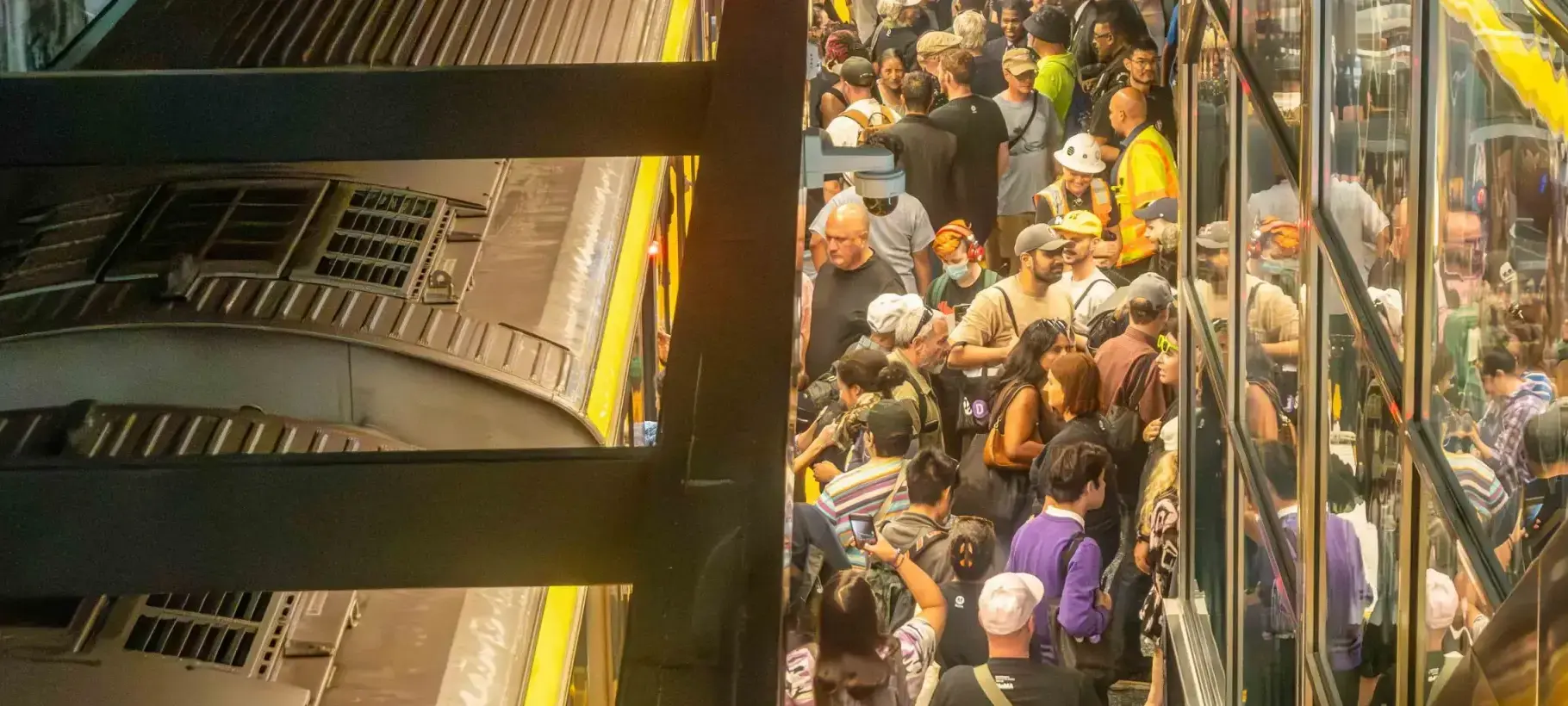
For example, Seattle’s Link light rail recorded its busiest day in agency history during a USA–Australia match, carrying an estimated 280,000 riders. The Bay Area’s coordinated network of BART, Caltrain, and VTA moved tens of thousands of fans to Levi’s Stadium, with ridership spikes exceeding 160 percent at key stations. Kansas City’s streetcar set new daily records. Atlanta’s MARTA has already moved approximately 1.7 million passengers to matches and fan festivals since the tournament began, while Philadelphia’s Broad Street Line is sustaining tens of thousands of riders per match with the capacity to move roughly 15,000 people per hour. Similar surges have been reported in Los Angeles, Boston, Dallas–Fort Worth, Houston, New York/New Jersey, and Miami.
These are not isolated success stories but are the outcome of sustained investment and long-term operational planning across more than 26 transit agencies.
Speaking at the APTA Rail Conference in Baltimore, APTA President and CEO Paul P. Skoutelas argued that the FIFA tournament represents the clearest real-world demonstration yet of public transportation’s value as national infrastructure. Indeed, the same rail systems moving fans to stadiums today are the systems that will carry workers tomorrow morning, students next semester, and families every weekend. They are everyday infrastructure operating at peak visibility.
The current success is aided by a 100 million USD investment in Federal funding to support World Cup-related transit, enabling agencies to expand service, deploy additional staff, introduce new technologies, and manage the extraordinary demand.
However, when considering long-term transit funding, the timing of this demonstration matters greatly. Congress is currently shaping the next surface transportation authorization. While proposals such as the House’s Build America 250 Act include reforms long sought by transit agencies, industry leaders argue that they still fall short of the funding levels required to meet growing mobility demand and future-proof urban transit systems.
Transit as a Real-Time System
At the APTA Conference, former U.S. national soccer player Joanna Lohman offered a lens that resonates strongly with the transit sector’s current moment. Football, she argued, is a “naturally chaotic system”—a high-variance environment where outcomes depend on small margins, rapid decisions, and constant adaptation. Transit, she suggested, operates under the same conditions: volatile demand, shifting constraints, and the need for real-time responsiveness.
Her central argument was that in both football and transit, success is determined less by individual brilliance than by preparation, coordination, and trust between roles.

This framing is visible in the World Cup operation. Transit agencies are not functioning as isolated operators but as integrated networks, coordinating schedules, managing passenger flows, deploying ambassadors, and adapting services dynamically as crowds surge before and after matches. This coordination has translated into measurable results: record ridership, maintained reliability, and safe passenger movement at an unprecedented scale.
But the policy question now extends beyond these irregular cases of operational success. If public transportation can move millions of fans efficiently during the most demanding global sporting event, what does that imply about its role in everyday economic productivity, climate resilience, and national competitiveness?
The answer is that these are not separate categories. They are interconnected outcomes of the same infrastructure system.
Skoutelas said:These numbers are proof of what public transportation can do when it has the resources to perform. As Congress continues work on the next surface transportation authorization bill, the World Cup is showing, in real time, exactly why sustained Federal investment in public transit and passenger rail matters — not only for global events like the World Cup, but for the millions of people who rely on public transit every day.
As Congress debates long-term transportation funding, the FIFA World Cup offers rare observable, real-time evidence of its performance under pressure.
If lawmakers are searching for justification for greater investment in rail and transit, they simply need to follow the crowds leaving the stadium and boarding the train home.