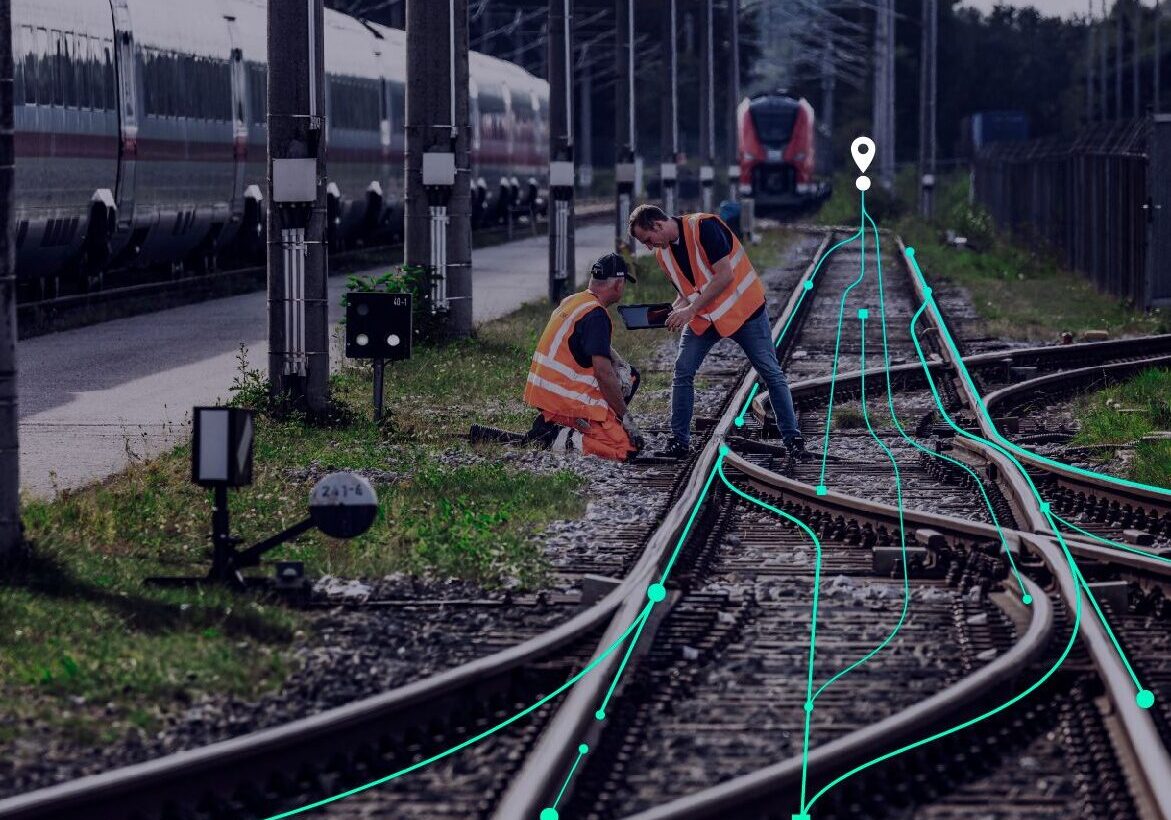
At last year’s Wayside Digitalisation Forum (WDF), industry experts described North America’s gradual shift towards modern train control, highlighting a signalling landscape shaped by legacy infrastructure, fragmented standards and evolving digital technologies.
This year, the 2026 APTA Rail Conference in Baltimore provided a deep dive into how agencies can successfully deliver this shift. Executives from Washington Metropolitan Area Transit Authority (WMATA), Maryland Transit Administration (MTA Maryland) and Sound Transit shared their experiences at different stages of implementation.
Throughout the discussion, the agencies delivered a consistent message, emphasising that CBTC adoption requires sustained executive leadership, organisational alignment and cross-functional collaboration.
For example, Sound Transit is currently advancing its next phase of regional light rail expansion while also implementing CBTC to support a higher-capacity, more reliable network across the Puget Sound region.
Shankar Rajaram, Deputy Executive Director, stressed that this process requires the agency to prioritise organisational readiness alongside technical planning. Rather than allowing engineering teams to lead the programme in isolation, the agency has brought together operations, asset management, information technology, finance and capital delivery teams from the outset to establish common objectives before entering procurement.
Shankar Rajaram, Deputy Executive Director, Sound Transit said:Don't look at the signalling project—it is a business transformation project. The technology piece is actually the easier part.
Meanwhile, WMATA, which is in the early stages of its own rail modernisation programme, echoed the importance of establishing a clear business case before delivery begins. Andrew Off, Deputy General Manager, explained that demonstrating to the public how CBTC could increase network capacity and improve operational efficiency proved essential in securing support for what will become one of the agency’s largest capital investments.
Brownfield Projects
While new-build railways can integrate digital train control from day one, modernising existing networks presents unique challenges.
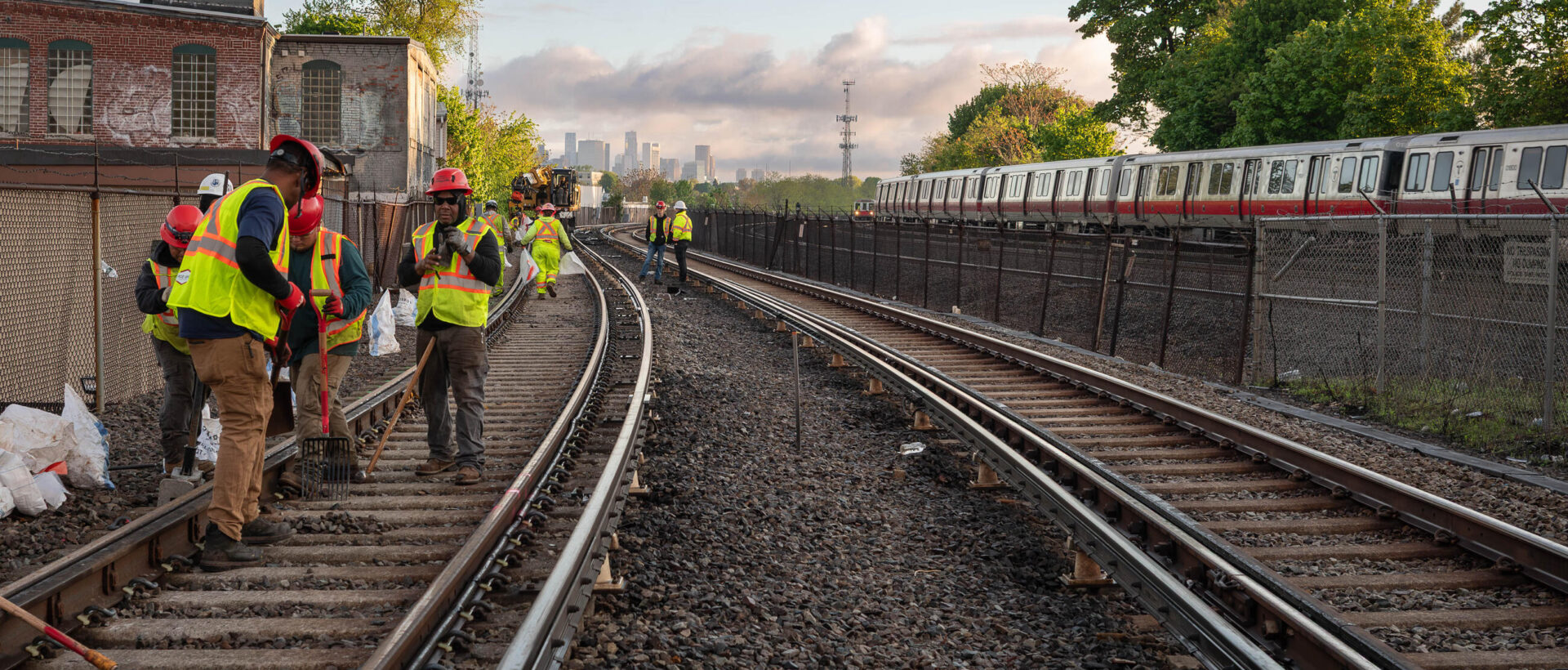
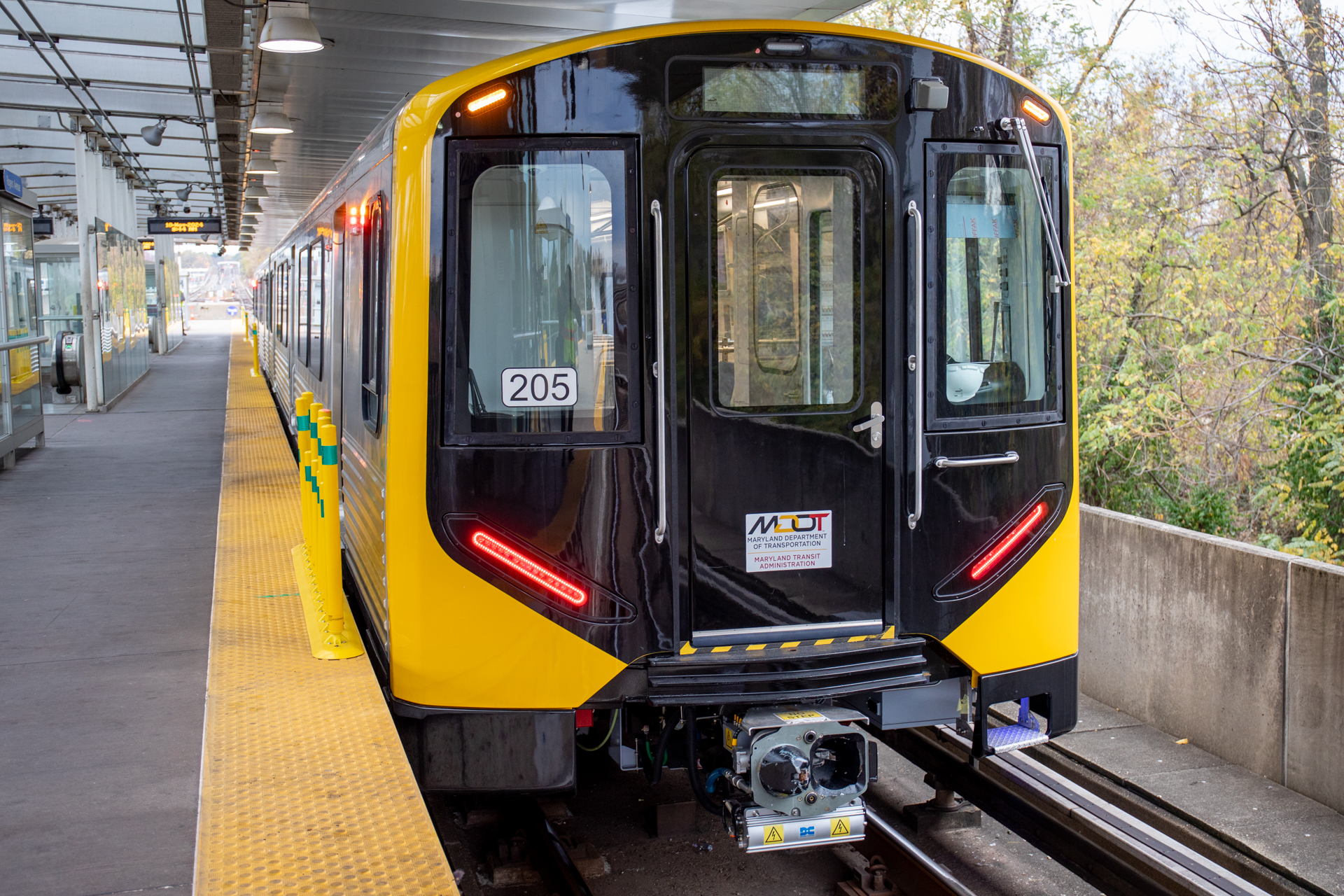
Maryland MTA, which has now introduced CBTC on its Metro Subway, described the balancing act between maintaining passenger services and providing contractors with sufficient access for installation, testing and commissioning.
For operating railways, overnight engineering windows are often too short to complete meaningful work, forcing agencies to negotiate carefully between operational requirements and project delivery. Weekend possessions and extended maintenance windows can provide additional access, but carry consequences for existing passengers.
The discussion reinforced that these operational realities should be considered during programme planning rather than becoming problems to solve during construction. Likewise, documentation, verification activities, independent reviews and coordination with oversight bodies require substantial resources and should be built into project schedules from the beginning rather than treated as final milestones before revenue service.
Holly Arnold, Administrator and CEO, Maryland Transit Administration, said:The biggest lesson we've had is that testing and commissioning is the most challenging phase.
As such, Arnold acknowledged that testing, commissioning and safety certification demanded considerably more time and organisational capacity than originally anticipated.
She thus encouraged agencies to invest significantly in laboratory testing before systems reach the railway, arguing that rigorous integration testing can identify many issues before they emerge during field commissioning. While laboratory environments cannot replicate every operational scenario, they can significantly reduce project risk.
Preparing the Workforce
While CBTC adds additional layers of automation to railway operations, the panel also addressed workforce transition, emphasising the need to develop new skills across operations, maintenance and engineering.
Andrew Off, Deputy General Manager at WMATA, stressed that as modern trains become increasingly software-driven, operators and control centre staff need to understand not only how the technology functions, but also how it behaves under operating conditions unique to each railway.
Supplier training alone is therefore insufficient. Agencies must develop operational training programmes that reflect their own procedures, recovery strategies and service requirements if they are to fully realise the benefits of digital train control. Arnold stressed that such plans must prepare for the operating environment when things go wrong, rather than solely when the technology works as anticipated.
Building Partnerships
To ensure the success of these initiatives, the panellists highlighted the importance of strong partnerships between transit agencies and the supply chain.
Rather than describing suppliers as contractors delivering predefined requirements, they repeatedly referred to them as long-term partners contributing expertise throughout the full programme lifecycle.
The speakers encouraged consultants and suppliers to share lessons learned openly and to challenge agency assumptions where appropriate. Indeed, honest discussions about risks and delivery challenges often provide greater value than presentations focused solely on technical capability.
Within this approach, Shankar Rajaram, Deputy Executive Director at Sound Transit, also pointed to the value of its extensive market engagement before procurement, noting that industry feedback directly influenced its programme requirements and procurement strategy. The agency has also incorporated performance incentives designed to encourage collaborative project delivery rather than purely contractual compliance.
The discussion at the APTA Rail Conference thus stressed that success depends not only on the signalling system technology, but also on organisational structures, behaviours and partnerships that support its implementation.
RAIL: