The conversation around the rising cost of building rail often centres on inflation, labour shortages and escalating material prices. These pressures are real and urgent, but at this year’s APTA Rail Conference, industry leaders highlighted that they are only part of the story.
Indeed, many costs are created long before construction begins or the first vehicle enters production. Agencies, manufacturers and consultants pointed to high levels of uncertainty around utilities, project scope, procurement requirements, contractual risk and stakeholder coordination. This is a factor that ultimately becomes embedded in project prices.
As such, the way projects are developed, procured and managed has become a significant cost driver for the industry.
Risk Has a Price
A clear point of consensus throughout the conference arose around risk allocation. For example, Ian Choudri, CEO of the California High-Speed Rail Authority, questioned the long-standing practice of transferring major project risks to contractors.
Using utility relocations and third-party coordination as examples, Choudri argued that public agencies often attempt to transfer risks they ultimately remain responsible for. Communities, elected officials and utility companies continue to look to the public agency, not the contractor, when problems arise. Meanwhile, unrealistic risk transfer simply encourages contractors to price uncertainty into their bids.
Choudri explained that the California High-Speed Rail Authority has begun restructuring procurement accordingly. Commodity purchases such as rail, steel and other major materials are increasingly being managed directly, while utilities and land acquisition remain agency-led. Contractors are then expected to concentrate on what they do best: construction.
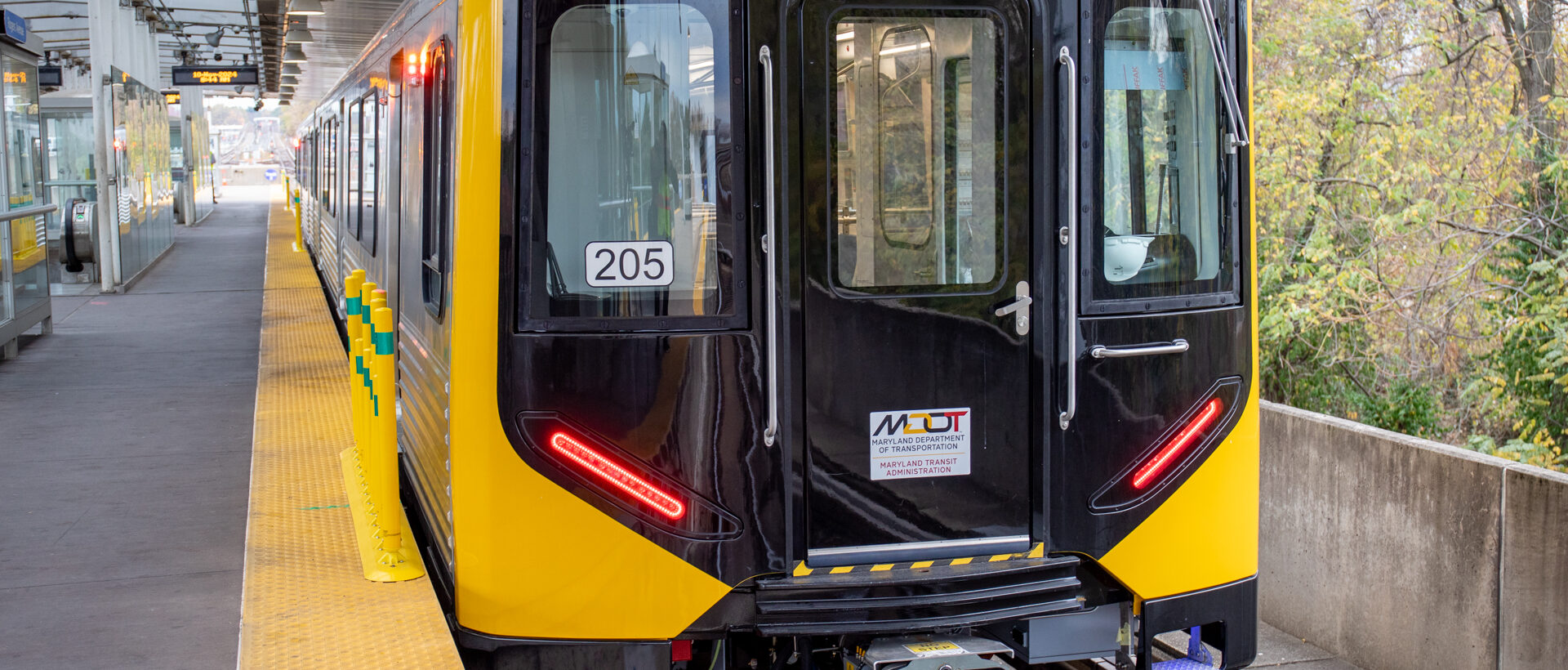
The significance of early site and utility work was a recurring theme throughout the conference. Discussing Maryland’s Purple Line, Holly Arnold, Administrator of the Maryland Transit Administration, described how more than 500 utility conflicts and changing site conditions became major contributors to rising costs over the project’s lifetime. The agency is now considering earlier utility packages for future projects, including the revived Red Line, to remove that uncertainty before major construction contracts begin.
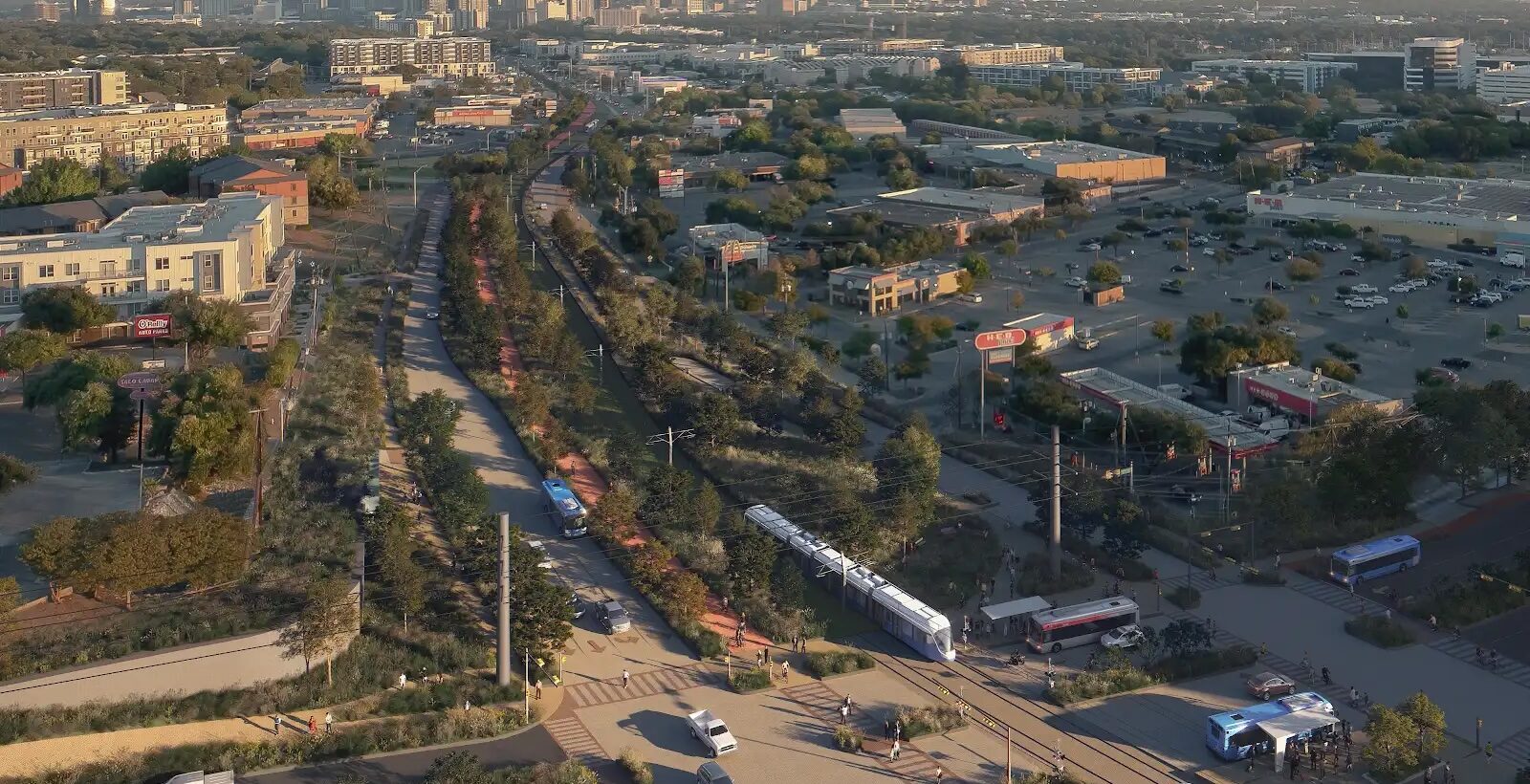
Meanwhile, Greg Canally, CEO of Austin Transit Partnership, explained that Austin deliberately spent years engaging contractors before procurement, releasing draft contract language early and encouraging industry feedback. Rather than waiting until procurement to resolve commercial issues, the agency sought to identify potential problems while contracts were still being developed.
Delivery Models
The panel thus highlighted a broader shift towards bringing owners, designers and contractors together earlier to reduce uncertainty before major commercial decisions are made. This can lean into certain delivery models such as Progressive Design-Build (PDB).
For Canally, Progressive Design-Build is about creating “contracting agility”. Austin spent several years engaging with industry before procurement, releasing draft contract documents for comment and encouraging contractors to challenge commercial terms before they became fixed. By the time contracts were awarded, project teams were able to move immediately into collaborative design rather than beginning a traditional owner-contractor relationship.
A similar philosophy is shaping the BART Silicon Valley Extension. Carolyn Gonot, CEO and General Manager of Santa Clara Valley Transportation Authority, explained that ongoing market volatility made it increasingly difficult for contractors to commit to fixed prices early in the process. In response, the agency adopted Progressive Design-Build before evolving elements of the programme into a target-price-plus-fixed-fee structure that provides greater transparency over costs while allowing both parties to manage changing risks together.
Procurement Costs
A separate panel discussion also demonstrated that the same dynamics exist in rail vehicle procurement. Rather than focusing on manufacturing costs alone, speakers emphasised the way procurement processes themselves influence bid prices.
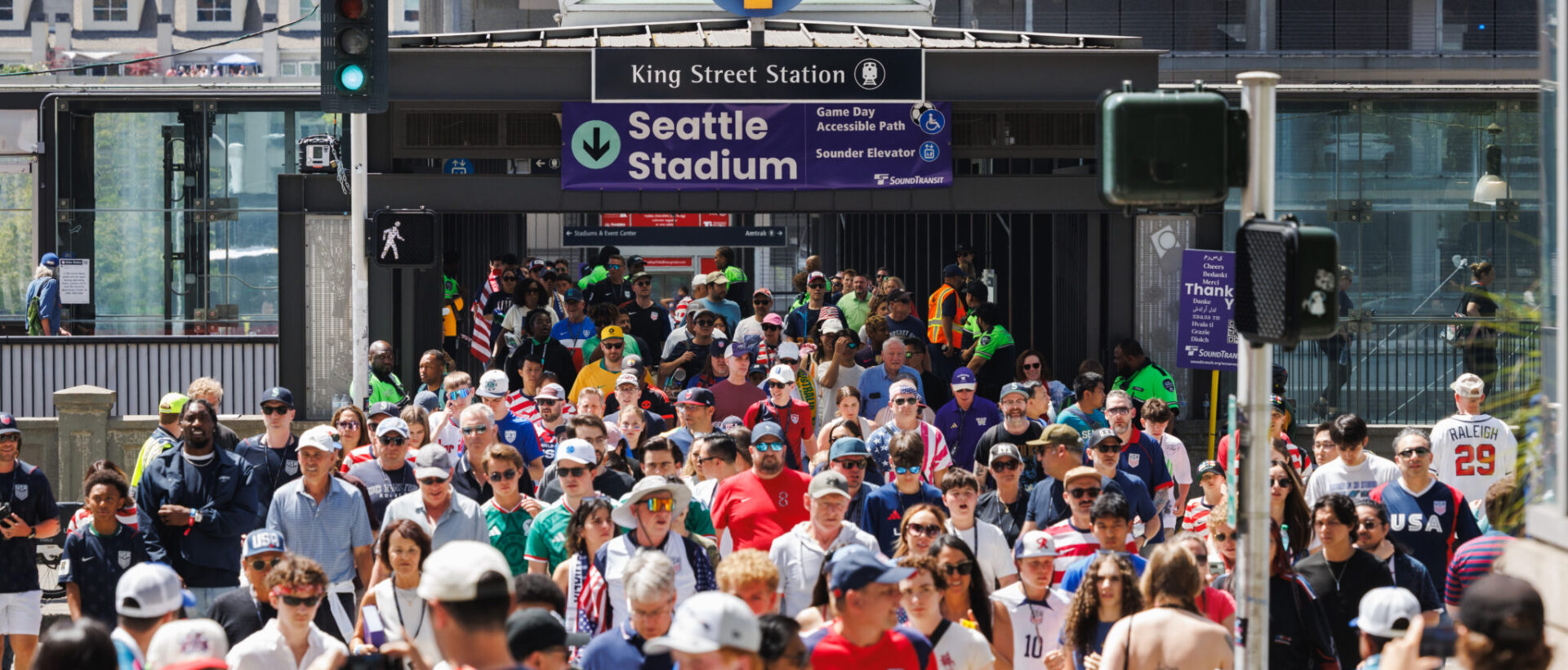
Erin Buch, Senior Contracts Analyst at Sound Transit, described how the agency reframed its latest rolling stock procurement around a series of questions rather than predetermined solutions. Those questions included how to account for total lifecycle cost, how to manage technology obsolescence, how to encourage innovation without introducing unnecessary risk and how procurement could better align with market capability.
This philosophy shaped a collaborative procurement process. Sound Transit issued multiple requests for information, held industry days, published draft procurement documents and invited manufacturers to review pricing structures and technical requirements before formal tendering. Feedback from manufacturers directly influenced aspects of the procurement, including maintenance considerations and opportunities to reduce capital costs.
For Kyle Stockley, General Manager of Maintenance at Utah Transit Authority, collaboration also began early when procuring new rolling stock. UTA invited multiple manufacturers to workshops before procurement, sharing system information and discussing emerging technologies to determine what would genuinely provide long-term value. Stockley argued that agencies should be selecting long-term partners rather than simply awarding contracts, because every project inevitably encounters challenges throughout its lifecycle.
Manufacturer Uncertainity
At the conference, rolling stock manufacturers acknowledged that inflation, tariffs and labour costs have increased prices. However, Robin Stimson, Vice President of Business Development at Siemens Mobility, argued that from a manufacturer’s perspective, one of the greatest unknowns is the procurement process itself. Stimson explained that assessing the engineering content of a vehicle is relatively straightforward. It is more difficult to estimate the time required to work through specifications, approvals, design reviews and commissioning with each individual agency.
Manufacturers therefore need agencies to communicate clearly on the outcomes that matter most, rather than relying solely on lengthy specifications. Trust developed before procurement allows both sides to remove unnecessary contingency from pricing.
Robin Stimson, Vice President of Business Development at Siemens Mobility said:The engineering is relatively straightforward. What's much harder is assessing the hours it takes to work with an agency through design reviews, approvals and commissioning. Trust only comes through open, transparent communication, and that's how you reduce the risk that gets built into every procurement.
Jitendra Tomar from CAF USA identified similar issues. He pointed to increasingly detailed reliability requirements, extensive documentation demands and highly prescriptive specifications as recurring cost drivers. Performance-based specifications, he suggested, often allow manufacturers to achieve the desired operational outcomes more efficiently than prescriptive requirements dictating exactly how every component should be designed.
Meanwhile, Pallavi Lal, Global Director of Vehicles & Operations at Hatch, described consultants increasingly acting as translators between agencies and manufacturers. Her role, she explained, frequently involves interpreting market conditions, supply chain risks, escalation mechanisms and procurement requirements to help agencies produce realistic independent cost estimates while ensuring procurement remains commercially achievable.
The Cost of Uncertainty
As such, the two discussions consistently reinforced one another in emphasising the cost of uncertainty. Civil contractors, vehicle manufacturers, consultants and transit agencies all described different projects, different markets and different procurement methods, yet the recurring themes remained consistent.
Utilities create uncertainty. Changing project scope creates uncertainty. Poorly allocated risk creates uncertainty. Customisation creates uncertainty. Long procurement timelines create uncertainty. These uncertainties ultimately find their way into project costs.
Major infrastructure projects will always involve unknowns, but the speakers argued that identifying those unknowns earlier, assigning responsibility more realistically and maintaining genuine collaboration throughout procurement can prevent them from becoming unnecessarily expensive.