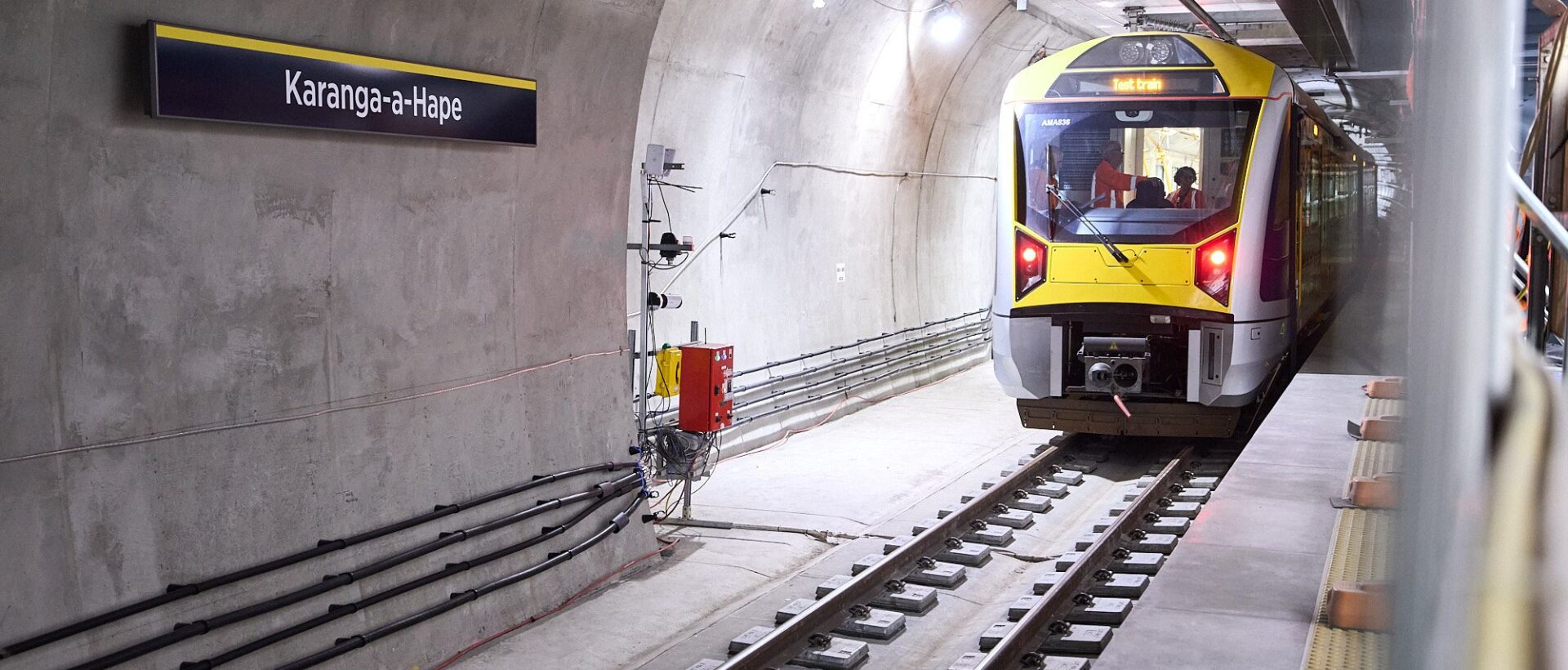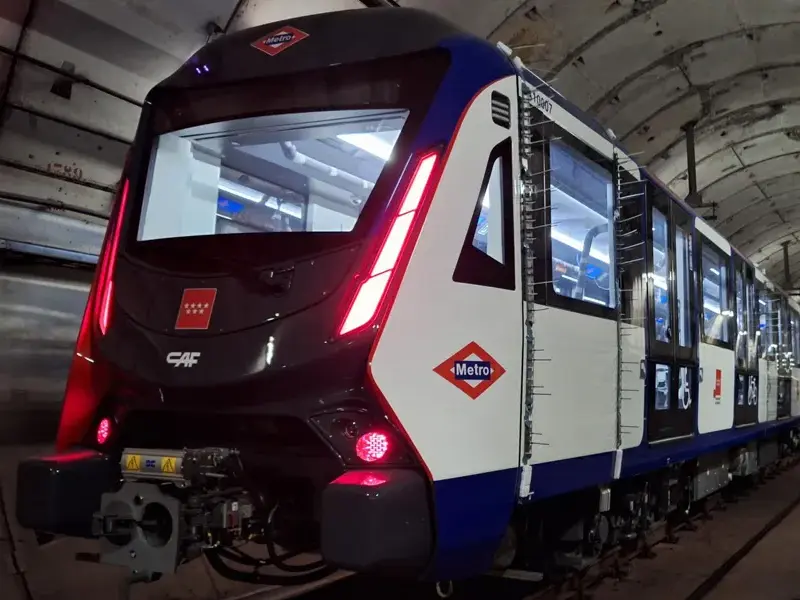
Railway infrastructure has long been delivered in pieces. One contractor lays the track. Another installs the overhead lines. A third handles signalling. The result is a project landscape defined by interfaces, dependencies and the ever-present risk that where one scope ends, problems begin.
GCF (Generale Costruzioni Ferroviarie) has built its identity around a different proposition.
The Rome-headquartered group brings together multiple areas of expertise within a single integrated organisation. This reduces contractual handoffs, tightens coordination across disciplines and gives infrastructure managers a single point of accountability across the full infrastructure stack.
This isn’t a recent rebranding exercise. Over more than seven decades, GCF has grown by deliberately expanding its technical capabilities through sustained investment in specialist machinery, strategic acquisitions and the development of proprietary technologies, building an organisation where each discipline reinforces the others rather than operating in isolation.
The result is a group that can take on large-scale turnkey projects: designing, constructing, electrifying and commissioning complete railway infrastructure, from high-speed intercity lines to metro systems threading through dense urban environments. As the complexity of modern rail projects continues to grow, that capability is becoming harder to replicate, and increasingly valuable to the clients who need it.
Four Core Disciplines — One Organisation
A modern railway is a complex, interconnected system where infrastructure, energy and technology must work together seamlessly, and GCF’s strength lies in its ability to integrate four highly specialised disciplines.
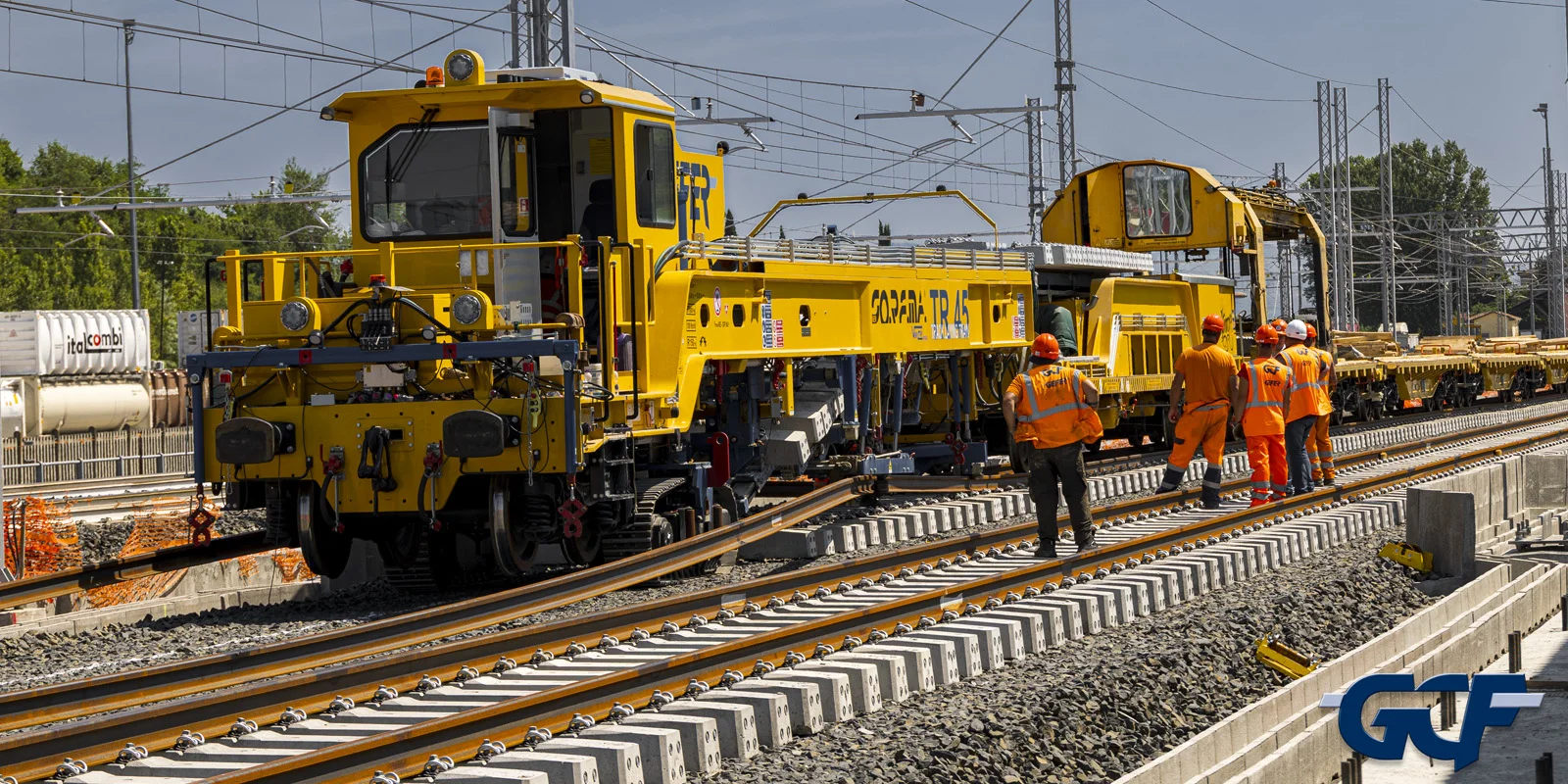
At its foundation is track construction and renewal. From new high-speed lines to the rehabilitation of existing networks, this remains GCF’s historic core and the discipline around which everything else was built.
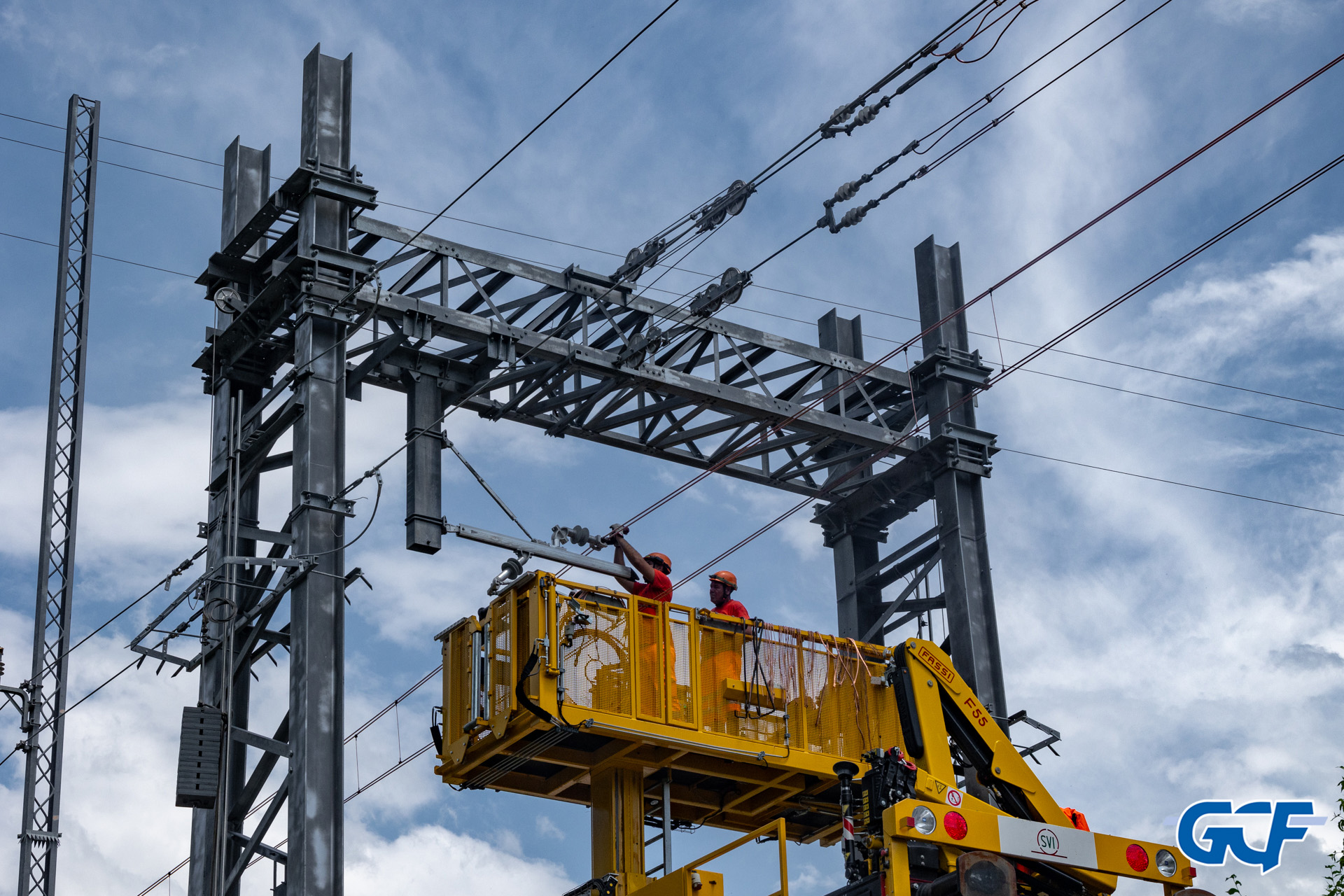
Complementing this is railway electrification: overhead contact lines, traction power substations and the energy systems that keep trains running reliably and efficiently. As electrification becomes central to sustainable mobility strategies across Europe and beyond, this capability’s only growing in relevance.
The third discipline is signalling, telecommunications, automation and control — covering the installation and integration of technologies that contribute to the safe and reliable operation of railway infrastructure.
Finally, there’s urban mobility — metro, light rail and tramway projects — where all of the above must be delivered within the particular constraints of dense city environments, such as limited possessions, live operations overhead and an unforgiving public eye on disruption.
Bringing these four capabilities together under one roof means GCF can manage complex interfaces more effectively, reduce delivery risk and support clients across the entire lifecycle of a project, from early planning and design through construction, commissioning and long-term maintenance. The group works with operators, infrastructure managers, general contractors and system integrators as long-term partners rather than counterparties on a single contract, with a shared focus on transparency, responsiveness and performance.
Fleet, Technology and a Philosophy of Practical Innovation
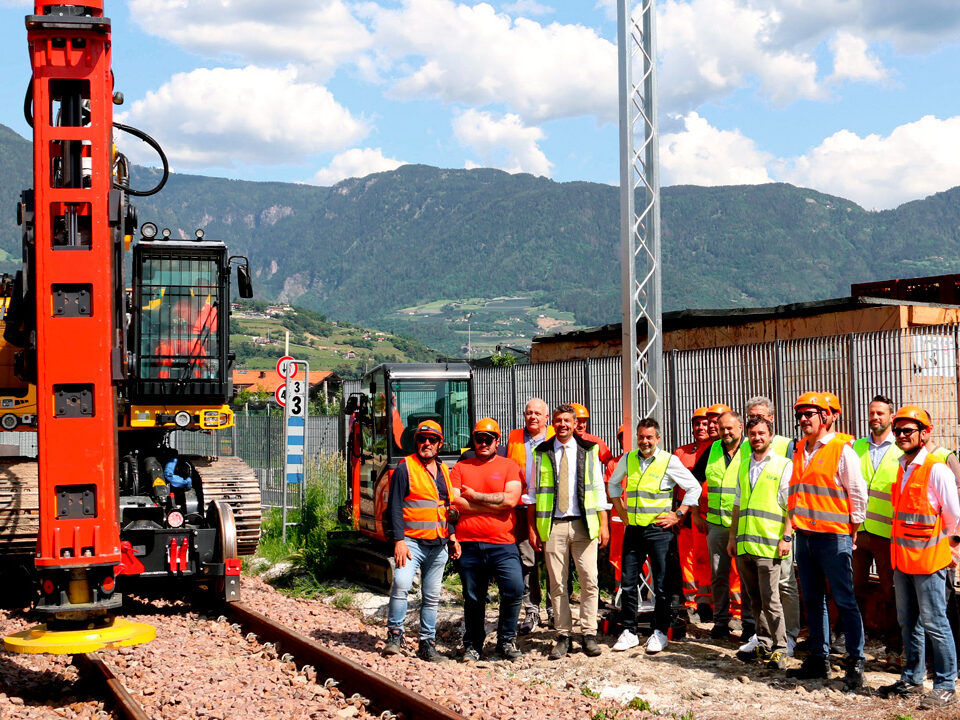
GCF is best known not for a single product or solution, but for its ability to deliver highly specialised railway infrastructure projects, underpinned by one of the most advanced fleets of railway construction and maintenance equipment in Europe. Continuous investment in track renewal trains, electrification equipment and construction technologies has allowed the group to work faster, reduce possession times and maintain consistently high standards across increasingly complex programmes.
Because GCF designs, builds and maintains railway infrastructure, it has a direct understanding of the operational pressures its clients face, and that field experience shapes how the group approaches innovation. Whether the objective is increasing productivity, reducing possession times, improving asset performance or enhancing safety, the starting point is usually something encountered on a live project rather than in a laboratory.
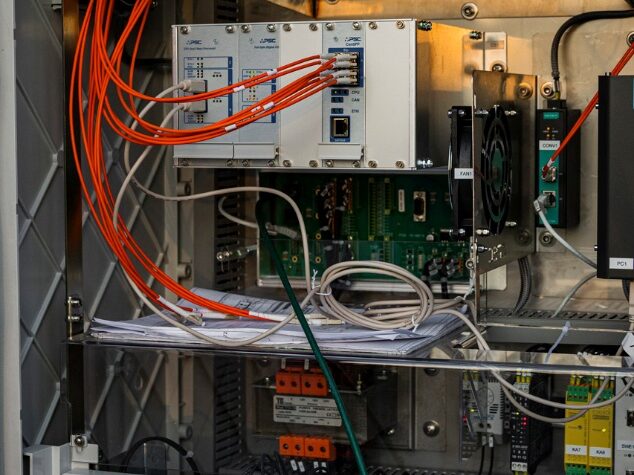
That thinking is formalised through GCF’s dedicated technologies division, which develops tailored solutions for specific railway challenges. A notable example is its level crossing protection system: a SIL4 certified, radar-based safety technology that detects potential obstacles within a crossing area and interfaces directly with signalling systems to prevent unsafe train movements.
Tested Across Europe’s Most Demanding Markets
GCF’s integrated model has been put to the test across some of Europe’s most demanding railway environments, and a consistent theme runs through its international project portfolio: core expertise applied with genuine sensitivity to local conditions. Railway infrastructure is shaped by national standards, certification procedures and operating practices, and GCF has built the flexibility to adapt its methods, equipment configurations and safety procedures to meet local requirements without compromising on quality or performance.
In France, GCF leads the Transalp Renouvellement Consortium and plays a key role in SNCF’s Suite Rapide network renewal program, one of the continent’s most technically exacting operating environments. The company deploys specialised high-performance renewal trains and machinery to deliver track renewals to exceptionally demanding schedules.
In Switzerland, GCF contributed to the railway infrastructure of the Monte Ceneri Base Tunnel. This was a landmark alpine project that demanded tight coordination across multiple disciplines and left little room for error.
Its urban transit credentials are equally strong. Work on the Copenhagen Metro and Denmark’s first modern light rail transit (LRT) line in Aarhus showed that GCF’s railway expertise translates effectively into city environments.
Further afield, the group has more than a decade of experience in Morocco starting in 2014. Work ranges from conventional lines and stations renovation and upgrades to design and construction of high-speed lines, as the ongoing HS line Kenitra – Marrakech, Lot 2.
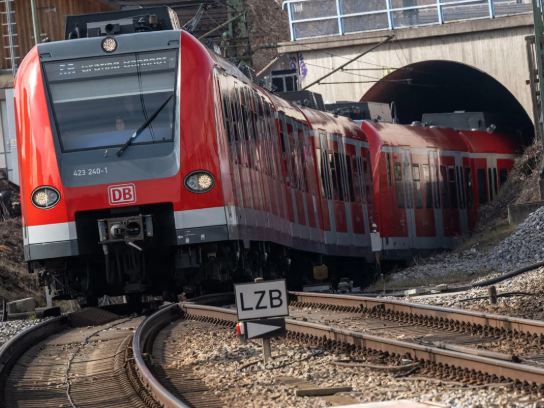
Closer to home, GCF secured its first Deutsche Bahn contract in Germany — no small achievement in a market widely regarded as among the most rigorous in European rail.
North America represents GCF’s latest strategic frontier. Building on a well-established presence, the company is now expanding its operations across both the US and Canadian markets.
Building for the Long Game
The direction of travel for GCF is clear. Investment in people, technology and specialist machinery continues, with a particular eye on the opportunities opening up from large-scale electrification programmes across Europe and North America.
People are part of that investment too. GCF is building out its internal academy programmes to make sure technical expertise, safety culture and operational know-how keep pace with the complexity of the projects coming down the line. In an industry where qualified and experienced people are every bit as important as the right equipment, that’s not a nice-to-have, it’s a strategic priority.
GCF will be at InnoTrans 2026 to present its integrated offer to the global rail community, explore new partnerships, and spend time with the infrastructure managers, operators and engineering companies that will define the next wave of major railway projects.
The goal isn’t simply to show what GCF does today. It’s to build the relationships that will carry the group into the next phase of its international growth — in Europe, in North America, and wherever rail investment is accelerating and the demand for capable, integrated contractors is strongest.
Visit GCF at InnoTrans Hall 26B, Stand 315