The Kalamaria extension of the Thessaloniki metro has officially commenced passenger service, marking the next phase in the expansion of Greece’s first fully automated, driverless metro network.
With an aim to provide improved connectivity for both residents and visitors across the greater Thessaloniki area; the 4.8km underground extension branches from the existing metro line at 25 Martiou, and adds five brand-new stations: Nomarchia, Kalamaria, Aretsou, Nea Krini and Mikra.
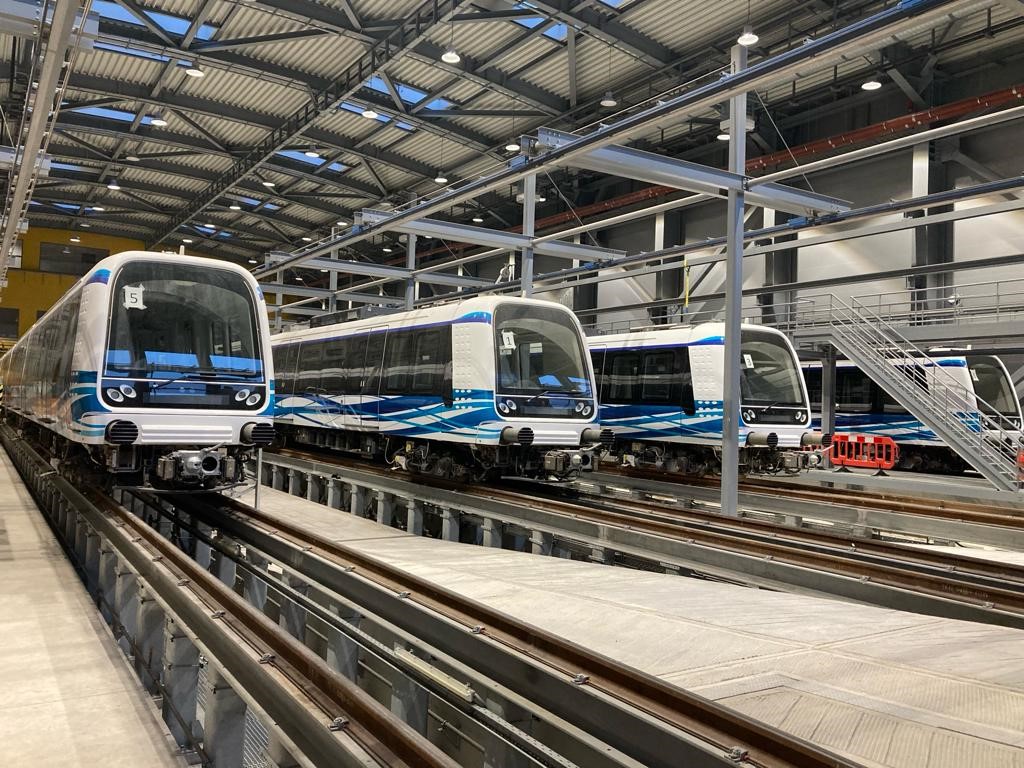
This new section ultimately extends the reach of the Thessaloniki Metro whilst seeking to enhance sustainable urban mobility and supporting the city’s longer-term transportation needs.
The extension’s Communications Based Train Control (CBTC) signalling technology was supplied by Hitachi Rail, enabling Grade of Automation 4 (GoA4) operations, which support fully automated, driverless service. In order to complete delivery of the solution, Hitachi collaborated in a joint venture with Aktor, providing a signalling system that integrates seamlessly with the existing metro network and seeks to enable a consistent passenger experience across the entire line.
Representing the next phase of development of the Thessaloniki metro network; the Kalamaria extension builds on the existing network’s success. As Greece’s first fully automated rapid transit system, it was delivered through a turnkey contract by the AIASA joint venture involving Aktor, Webuild and Hitachi Rail, consists of a 9.6km underground line with 13 stations running from New Railway Station to Nea Elvetia.
A Hitachi Rail spokesperson, said:The opening of the Kalamaria Extension marks another important milestone for urban mobility in Thessaloniki.
By delivering our proven CBTC technology, we are helping expand a fully automated metro network that provides reliable and sustainable transportation for the city and its growing communities.