With the American Public Transportation Association (APTA) Rail Conference taking place in Baltimore this week, the industry is looking ahead from a city that helped launch rail transport in the United States.
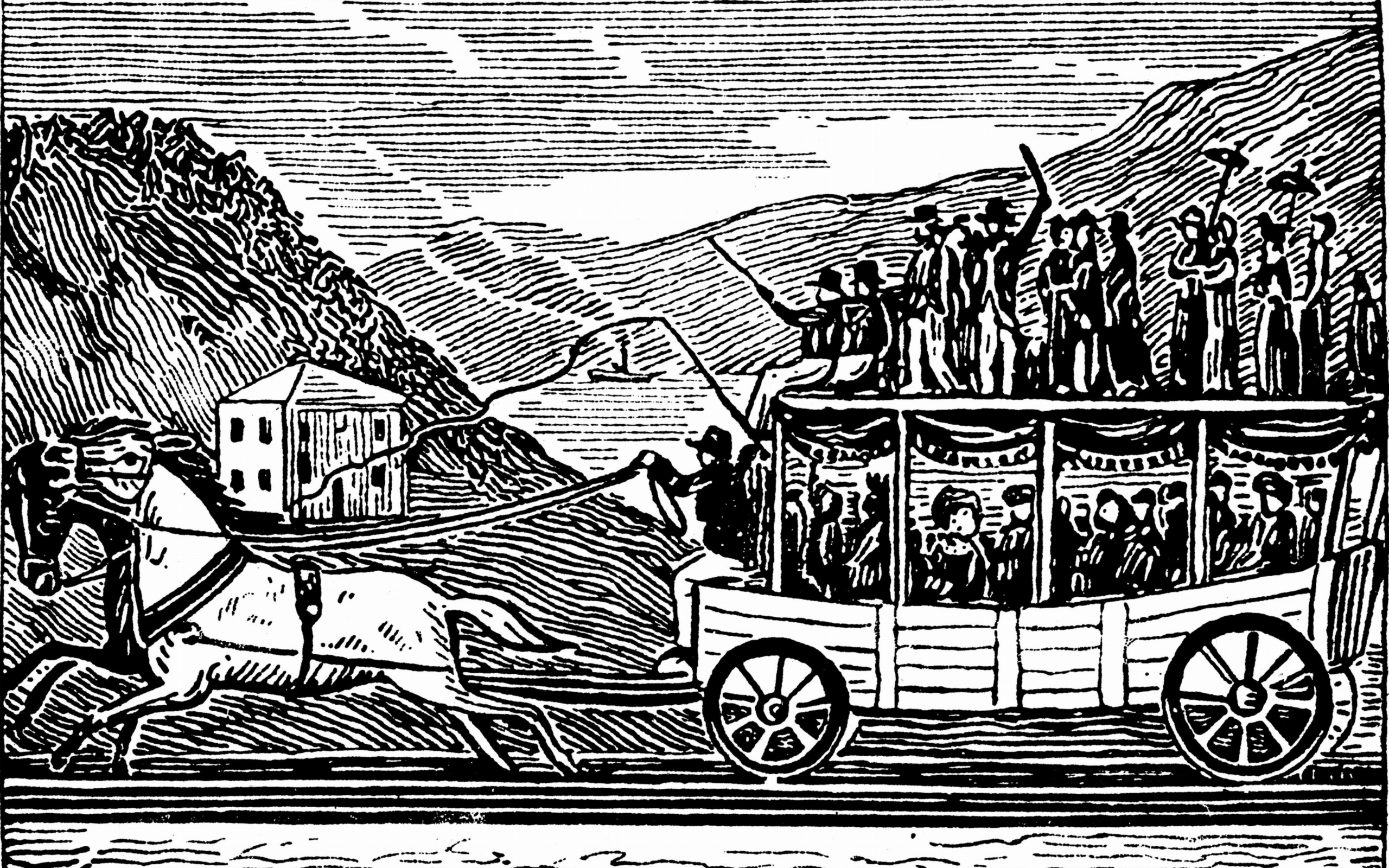
Home to the Baltimore and Ohio Railroad (B&O), the nation’s first common-carrier railroad, Baltimore occupies a unique place in American railway history. Established in 1827, the B&O began carrying passengers between Baltimore and Ellicott’s Mills in 1830 on what is widely regarded as the country’s first regular passenger rail service. It also introduced several national firsts, including America’s first passenger station, passenger timetable and the Tom Thumb, the first American-built steam locomotive to operate on a public railroad.
This history was acknowledged at the APTA Rail Conference, which is taking place in the city this week. However, the message from the conference was not one of nostalgia, as speakers instead emphasised the need to write the next chapter in American rail’s history.
Arguably, the future of the nation’s rail network hinges on the reauthorisation of US surface transportation legislation. With the Infrastructure Investment and Jobs Act (IIJA) due to expire later this year, the next federal funding package will determine the direction of federal public transport investment for the next five years.
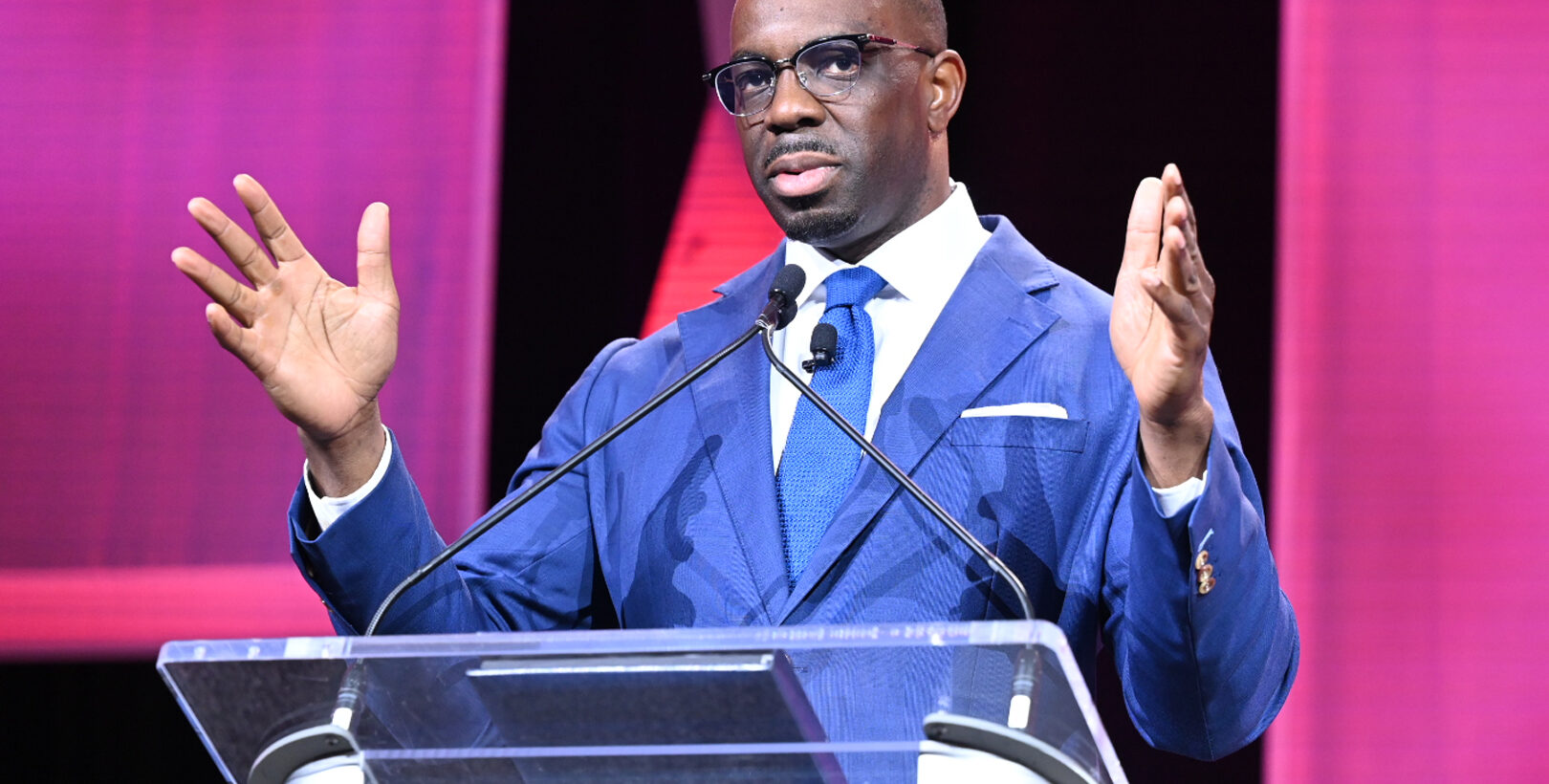
APTA Chair Leanne Redden said:We are proud of our grand history, much of which began right here in Baltimore. But we're also here to talk about our future. We get to write our rail future once every five years. As APTA Chair, I pledge to make my top priority advocating for the next pro-transit, pro-passenger rail surface transportation authorisation. Achieving this single goal will define public transportation not just for the next five years, but for decades to come.
While APTA welcomed the House Transportation and Infrastructure Committee’s Build America 250 Act as a positive starting point, both Redden and APTA President and CEO Paul Skoutelas argued that Congress must increase investment levels for passenger rail if the authorisation is to build on the progress made under the IIJA.
In advocating for the government to support the future of rail, Redden highlighted that every dollar invested in public transport generates five dollars for the wider US economy.
The timing of the conference also allowed the industry to point to a live demonstration of rail’s value. Speakers repeatedly referenced the ongoing 2026 FIFA World Cup, where transit systems across host cities have carried record numbers of passengers while maintaining everyday commuter services. These operations provide a tangible example of why continued investment matters.
Against this backdrop, the city of Baltimore served as a reminder that rail history is still being made. Holly Arnold, CEO at Maryland Transit Administration, outlined a programme of investment spanning new metro rolling stock, a 1.4 billion USD light rail modernisation programme, progress on the Purple Line and the replacement of the 150-year-old Frederick Douglass Tunnel in partnership with Amtrak.
As such, nearly two centuries after Baltimore helped launch American railroading, the city is now hosting discussions that could shape the industry’s future.
APTA President and CEO Paul P. Skoutelas said:We want to thank the Maryland Department of Transportation and the Maryland Transit Administration for hosting this important annual event at a critical time for passenger rail,” said Skoutelas. “Baltimore’s place in the story of American passenger rail goes back nearly 200 years, to the founding of the B&O Railroad. There’s no better backdrop for an industry conversation about where passenger rail is headed next than in a city that helped define where it began.
Stay tuned or subscribe for upcoming coverage from the conference, including detailed discussions about the BUILD America 250 Act, the impact of the FIFA World Cup, project delivery models, state and local revenue ideas, cost drivers, signalling upgrades, and the future of US rolling stock.