Discover how smart technology and real-time data are transforming rail traffic and route optimization for faster, more efficient freight movement.
In today’s fast-paced supply chain environment, rail networks play a critical role in moving freight across vast distances efficiently. But as freight volumes increase and infrastructure ages, rail systems are under pressure to perform better than ever. Optimizing traffic flow and route management is no longer optional—it’s essential for building future-ready rail systems that are both resilient and responsive.
This blog explores how rail network optimization, powered by near real-time data and smart rail technology, improves freight efficiency. While COMET does not directly manage rail traffic or routes, its technology—including AEI systems and remote monitoring tools—provides the insight required to make smarter decisions.
The Case for Rail Network Optimization
Rail network optimization goes beyond increasing train speeds. It’s about creating a system that runs smoothly, safely, and efficiently under growing pressure.
Benefits of optimizing rail systems include:
- Reduced rail congestion
- Lower fuel consumption
- Improved asset utilization
- Enhanced scheduling accuracy
However, many rail operators still rely on legacy systems that limit visibility and flexibility. These outdated approaches often lead to delays, inefficient routing, and underutilized resources—highlighting the urgent need for digital rail modernization.
Improving Traffic Flow in Rail Systems
Managing rail traffic flow is one of the biggest challenges in today’s logistics landscape. Fortunately, modern tools and technologies are transforming how rail operators address this issue.
Key Technologies Improving Traffic Flow Include:
- Rail signal optimization systems
- Advanced scheduling software
- Dynamic routing tools
These solutions help reduce bottlenecks, improve railway safety, and increase network capacity. With fewer delays and better coordination between terminals, rail yards, and operators, freight moves faster and with greater reliability.
Route Optimization for Freight Efficiency
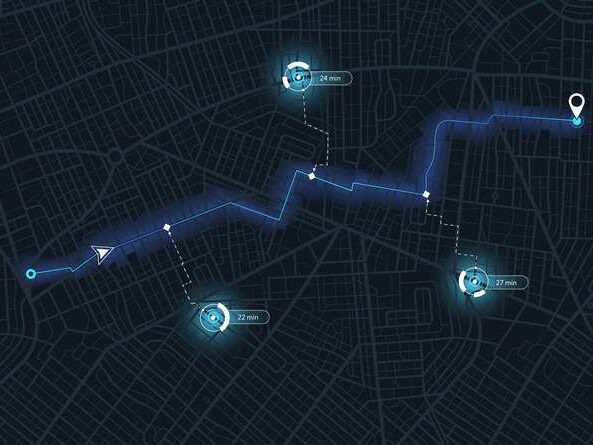
Route optimization in freight rail is the process of using data to identify the most efficient, cost-effective, and timely paths for cargo movement. It’s about more than just avoiding delays—it’s about maximizing every movement.
Benefits of Rail Route Optimization Include:
- Shorter transit times
- Improved on-time performance
- Reduced fuel consumption
- Minimized emissions
With the help of predictive rail analytics and near real-time monitoring, railroads can select optimal routes based on track availability, weather, congestion, and cargo type. These insights drive better decision-making at every level of the operation.
Supporting Technologies That Make Optimization Possible
Modern rail optimization wouldn’t be possible without the technology infrastructure that powers it.
Key Enablers Include:
- AEI tag systems for automatic equipment identification
- Remote monitoring tools for near real-time condition tracking
- Data collection systems that feed into analytical models
COMET’s technologies support these initiatives by delivering reliable, near real-time data that helps operators better manage both rail traffic and routing decisions. While COMET doesn’t control route selection directly, its tools give customers the visibility they need to make informed choices.
Integration Across the Rail Ecosystem
True optimization depends on collaboration. For rail traffic management and routing to succeed, there must be seamless integration across the rail ecosystem.
Coordination is Needed Between:
- Rail operators
- Rail yards and terminals
- Freight carriers
- Third-party logistics providers
Shared access to interoperable data systems and consistent communication protocols ensures all stakeholders are aligned. Supporting infrastructure must be able to keep pace with digital-first rail systems, where decisions are made quickly based on accurate data.
Final Thoughts
Optimizing rail traffic flow and route management is no longer just an operational improvement—it’s a strategic necessity. As railroads look to modernize, the foundation of that effort lies in actionable insight powered by near real-time rail data.
COMET’s smart rail solutions—including AEI systems and remote monitoring systems—enable rail operators to gather the information they need to optimize routes, manage congestion, and improve performance.
If you’re looking to reduce costs, improve delivery times, and increase the reliability of your rail operations, it may be time to evaluate whether your current systems are holding you back.
FAQs
What is rail network optimization and why is it important?
Rail network optimization involves using data and technology to improve the efficiency, safety, and reliability of freight rail systems. It’s essential for reducing congestion, improving scheduling, and maximizing resource use as freight demand grows.
How does COMET support rail traffic and route optimization?
While COMET doesn’t directly control rail traffic or routes, its AEI systems and remote monitoring tools provide near real-time data that empowers operators to make informed decisions about routing and congestion management.
What technologies are used to improve rail traffic flow?
Technologies such as rail signal optimization systems, dynamic routing tools, and advanced scheduling software help streamline operations, reduce delays, and increase rail network capacity.
What are the benefits of route optimization in freight rail?
Optimized routing leads to shorter transit times, better on-time performance, reduced fuel use, and lower emissions—improving both operational efficiency and environmental impact.
Why is collaboration across the rail ecosystem necessary for optimization?
Effective optimization requires coordination among rail operators, terminals, logistics providers, and carriers. Shared data systems and communication protocols ensure all parties are aligned and can respond quickly to changing conditions.
This article was originally published by COMET Industries.