Understanding the True Railcar Component Lifespan
In the rail industry, the cost of “getting it wrong” is measured in more than just dollars, it is measured in safety, risk, and operational longevity. Railcar components do not fail in an instant; they undergo a predictable, albeit complex, degradation over time. The true challenge for fleet managers is not simply performing maintenance but knowing exactly when to act.
Failing to accurately time these interventions leads to two costly extremes:
- Replacing too early: Resulting in unnecessary capital expenditure.
- Repairing too late: Increasing the risk of unplanned downtime and catastrophic failure.
To make cost-effective decisions, a deep understanding of the railcar component lifespan is essential.
Understanding the True Railcar Component Lifespan
While it is tempting to track maintenance by the calendar, service years rarely tell the whole story. Two components of the exact same age can exhibit vastly different conditions depending on their load cycles, total mileage, and environmental exposure.
At COMET Industries, we evaluate lifespans across diverse component types, including:
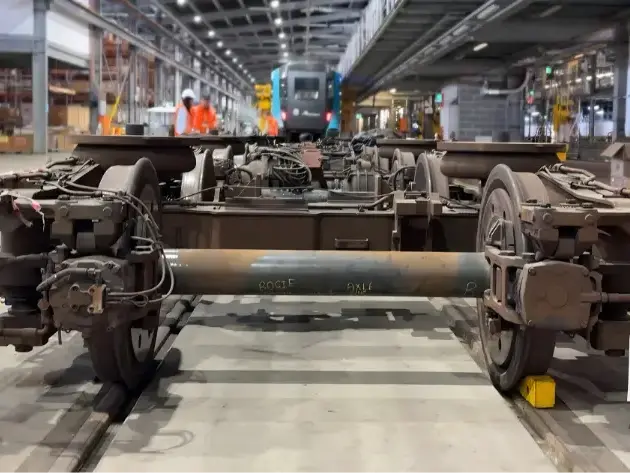
- Truck Assemblies
- Bolsters and side frames
- Coupler components
While AAR guidelines and service limits provide a necessary baseline, real-world performance often requires a deeper evaluation beyond these standard industry thresholds.
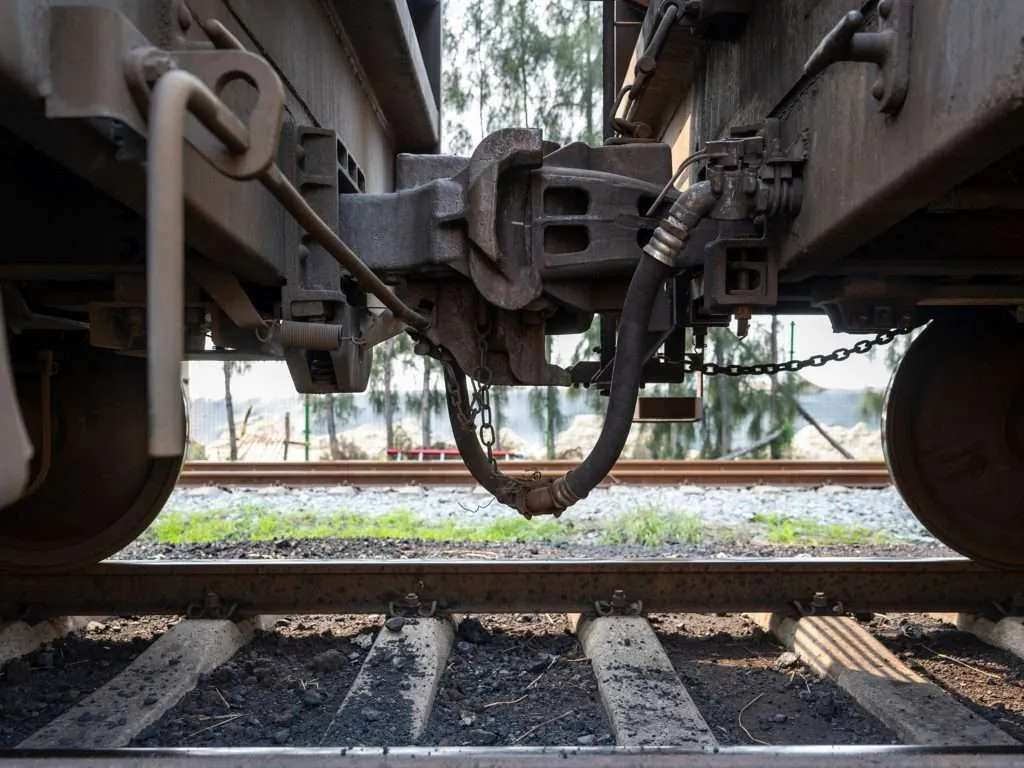
Wear Analysis: The Foundation of Smart Decisions
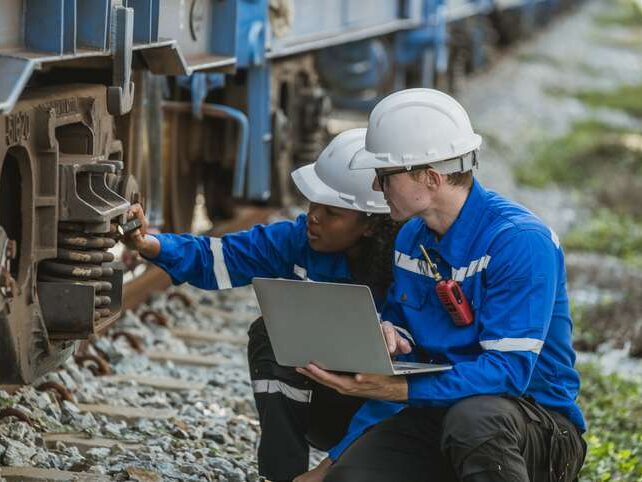
Effective maintenance moves away from reactive “fixing” and toward data-driven strategy. This begins with a rigorous wear analysis. By utilizing inspection methods such as visual assessments, non-destructive testing (NDT), and magnetic particle testing, we can identify hidden threats before they manifest as failures.
Key indicators of degradation include:
- Fatigue cracks: Identifying structural compromises early.
- Material deformation: Noticing changes in the physical shape of the component.
- Surface degradation: Monitoring wear patterns that indicate an accelerated failure risk.
Repair: Extending Value Through Reconditioning
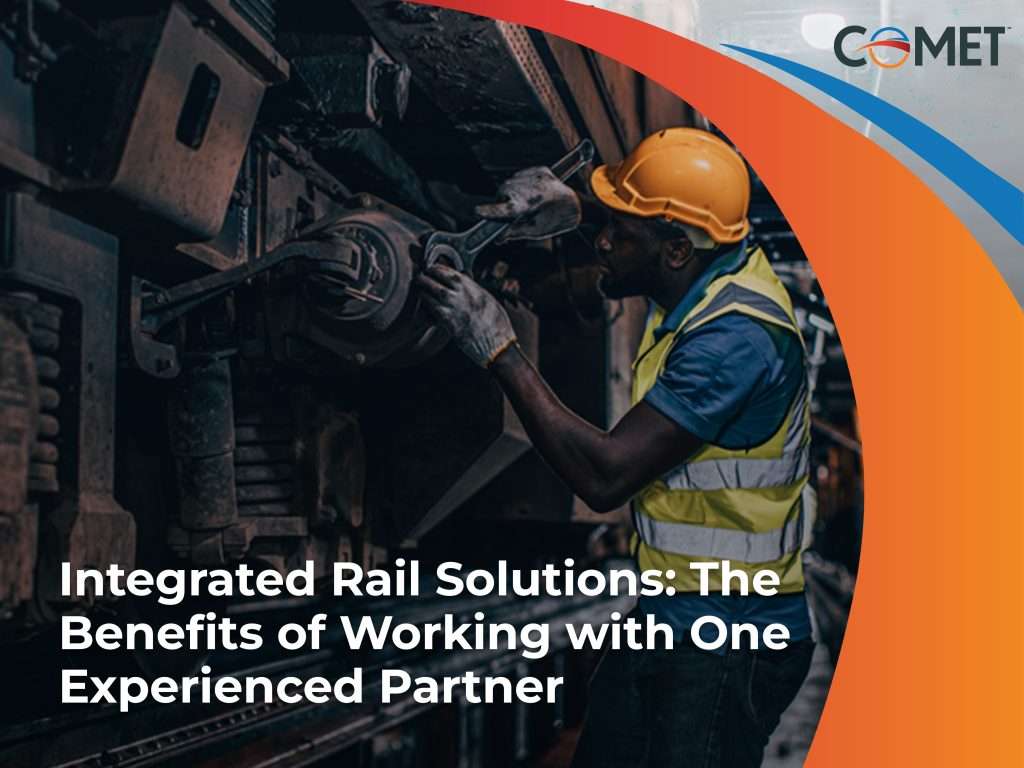
When a component remains structurally sound and its wear is within acceptable limits, repair is often the most strategic choice. Reconditioning allows you to extend the usable life of an asset at a significantly lower cost than a full replacement.
However, the quality of the repair matters. Certified reconditioning ensures:
- Consistency: Controlled processes that meet rigorous standards.
- Compliance: Full traceability and adherence to industry requirements.
- Performance: Long-term support for asset health rather than a “quick fix”.
Knowing When to Replace: Defined Thresholds
There is a point where repair is no longer viable or safe. These replacement thresholds are defined limits based on wear limits, structural integrity, and safety requirements.
Common triggers for a full replacement include:
- Crack propagation that has moved beyond repairable limits.
- Excessive material loss that compromises the part’s function.
- A statistical increase in the likelihood of failure.
Deciding to replace is a balance of short-term savings versus long-term operational impact. Avoiding unplanned service disruptions is almost always more cost-effective than squeezing one last cycle out of a failing part.
The Decision Framework
To build a repeatable, objective decision process, fleet managers should ask four critical questions during every inspection:
- What does the formal wear analysis indicate?
- Is the component currently within replacement thresholds?
- What is the projected remaining usable life?
- How does the total cost of repair compare to a new replacement?
By combining standardized evaluation criteria with historical performance data, you can optimize both performance and cost over the entire lifecycle of your fleet.
Smarter Lifecycle Management
Better insight leads to better outcomes. By mastering the nuances of railcar component lifespan, utilizing precise wear analysis, and respecting replacement thresholds, your operation can reduce risk and keep your fleet moving efficiently.
FAQs
How do rail operators decide whether to repair or replace a component?
Rail operators evaluate wear analysis results, structural integrity, projected service life, and total lifecycle cost to determine whether repair or replacement is the most cost-effective option.
What factors affect the lifespan of railcar components?
Component lifespan is influenced by load cycles, mileage, environmental conditions, maintenance history, and operational stress rather than age alone.
What is wear analysis in rail maintenance?
Wear analysis is the inspection process used to identify fatigue cracks, material deformation, and surface degradation before failures occur, helping fleets make proactive maintenance decisions.
When is railcar component reconditioning a better option than replacement?
Reconditioning is often preferred when the component remains structurally sound and wear levels are within acceptable limits, allowing operators to extend service life at a lower cost.
Why are replacement thresholds important in rail operations?
Replacement thresholds help prevent catastrophic failures, reduce unplanned downtime, and maintain safe fleet performance by identifying when a component can no longer be reliably repaired.
This article was originally published by COMET Industries.