The rail industry has never managed more complexity than it does today.
Operators and contractors are expected to deliver reliable services while dealing with increasing cost pressure, ageing workforces, changing regulatory requirements and growing expectations around punctuality, safety and operational resilience. At the same time, projects are becoming larger, workforces more specialised and operational environments more dynamic.
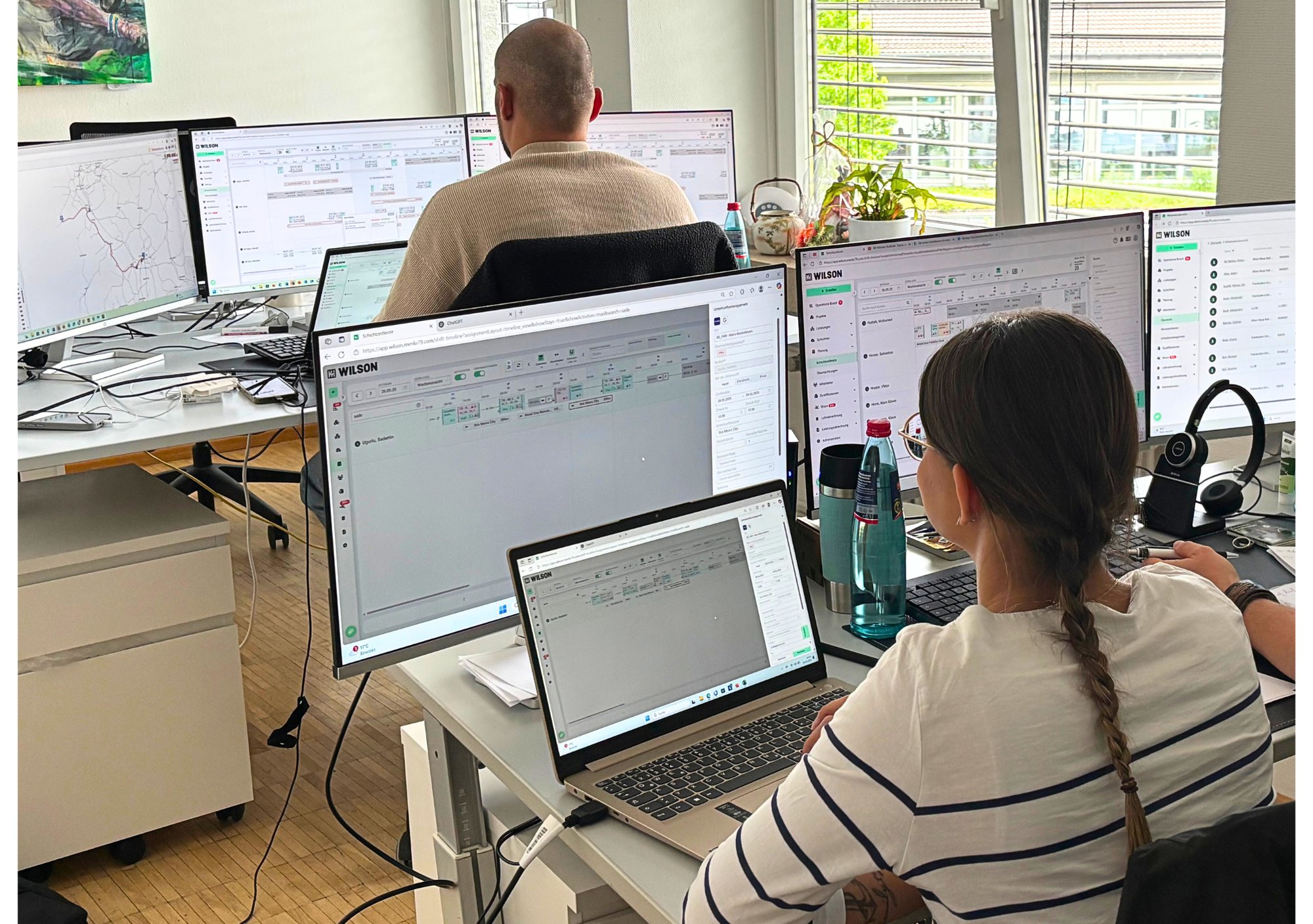
Over the last decades, the industry has invested significantly in infrastructure, rolling stock, signalling and digital traffic management. Yet one critical operational asset has often remained supported by fragmented systems and highly manual processes: the workforce.
People are at the centre of every railway operation. Drivers, dispatchers, maintenance teams, shunters, controllers, inspectors and many others ensure that services run safely every single day. Coordinating these resources efficiently has become one of the industry’s greatest operational challenges.
Increasingly, this is no longer simply a planning exercise. It is about orchestrating people, competencies, compliance, operational services and real-time information as one connected system, creating the foundation for intelligent, AI-supported operational decision-making.
Workforce Management Has Become a Performance Discipline
For many organisations, workforce management is still perceived as an administrative function. In reality, it directly influences operational performance.
Every roster adjustment, every qualification check, every fatigue validation and every payroll correction consumes valuable time. Small manual activities accumulate throughout the organisation, creating unnecessary administration while reducing the time available for operational decision-making.
Many railway organisations continue to work across multiple disconnected applications, spreadsheets and legacy systems. Information is entered several times, operational changes are transferred manually between departments and valuable workforce data remains fragmented across different platforms. The result is familiar throughout the industry: higher administrative effort, slower decision-making, reduced flexibility and increased operational risk.
Organisations that have digitised these processes consistently report significant improvements. Modern workforce management solutions can reduce administrative effort by around 70%, lower workforce administration costs by approximately £250 per employee per month and increase workforce productivity by 10–15%, depending on the operational environment.
As workforce data becomes increasingly connected, organisations are beginning to move beyond digitalisation towards intelligent automation, using AI to support planners with recommendations, detect operational risks earlier and reduce repetitive administrative work.
Perhaps even more importantly, digital workforce management enables organisations to react more confidently to disruption. Whether managing last-minute changes, unexpected absences or evolving operational requirements, planners gain greater visibility and significantly more time to focus on making informed decisions rather than completing repetitive administrative tasks.
Beyond Rostering: Connecting the Entire Operational Workforce
Today’s operational reality requires considerably more than simply assigning shifts.
Modern workforce platforms should bring together every aspect of workforce coordination into one integrated environment.
That includes competency and qualification management, fatigue management aligned with RSSB and ORR guidance, operational service planning, digital time capture, payroll preparation, mobile workforce communication and seamless integration with existing business systems. Rather than treating these as isolated processes, they become part of one continuous operational workflow.
Operational services – whether train driving, shunting, inspections or other railway activities – can be planned, assigned, monitored and completed within the same digital environment. Changes become immediately visible across the organisation, while automated rule validation supports planners in maintaining compliance without increasing administrative effort.
The result is greater transparency, improved operational resilience and more efficient collaboration between planners, operations teams and service providers.
From Workforce Management to Workforce Orchestration
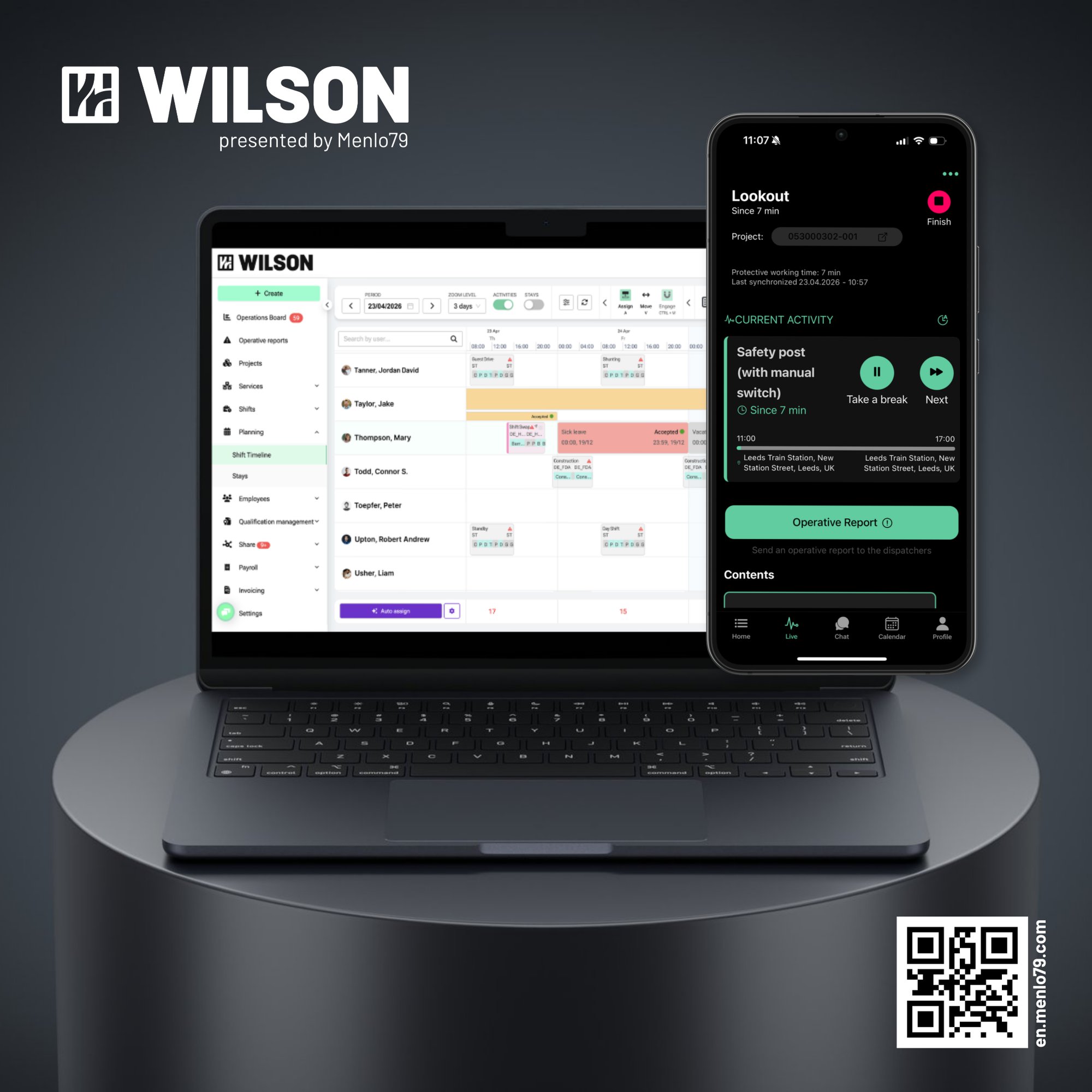
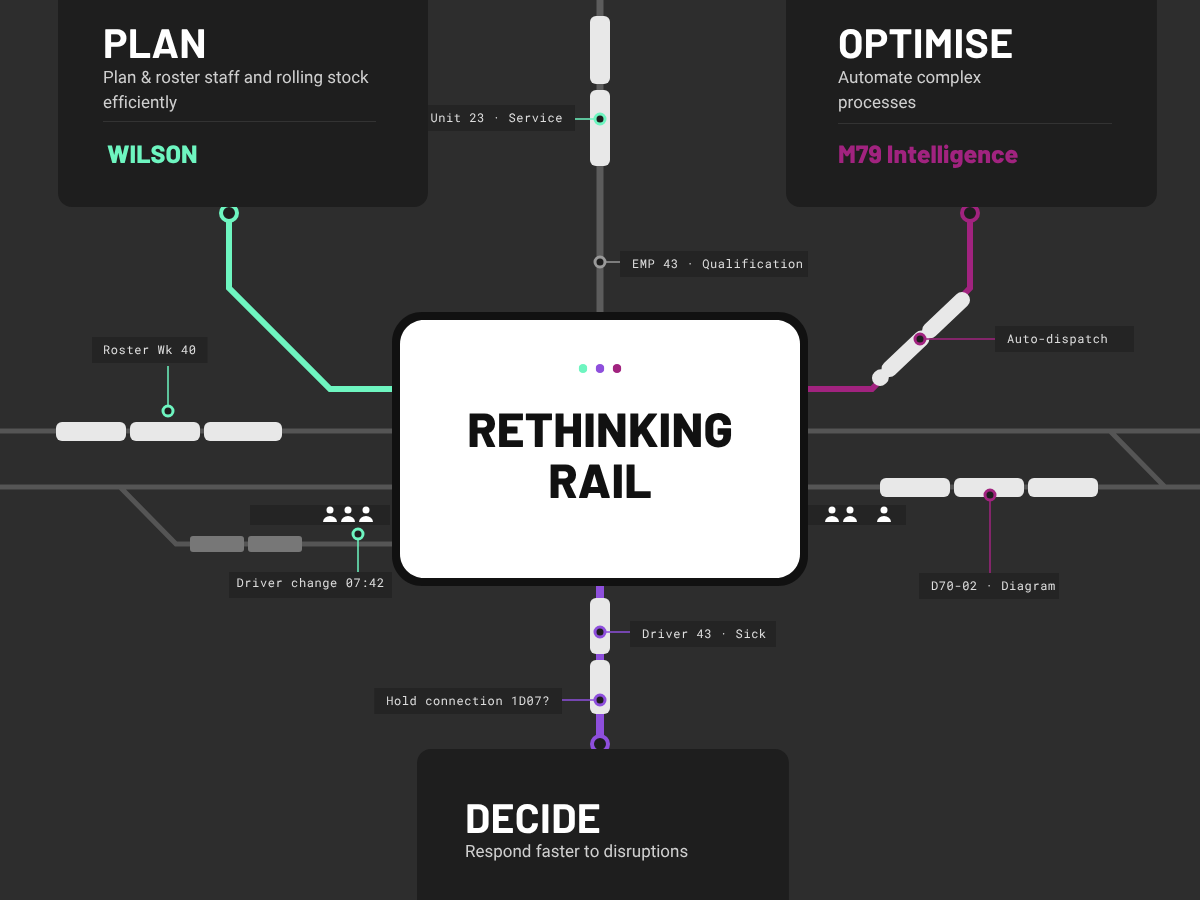
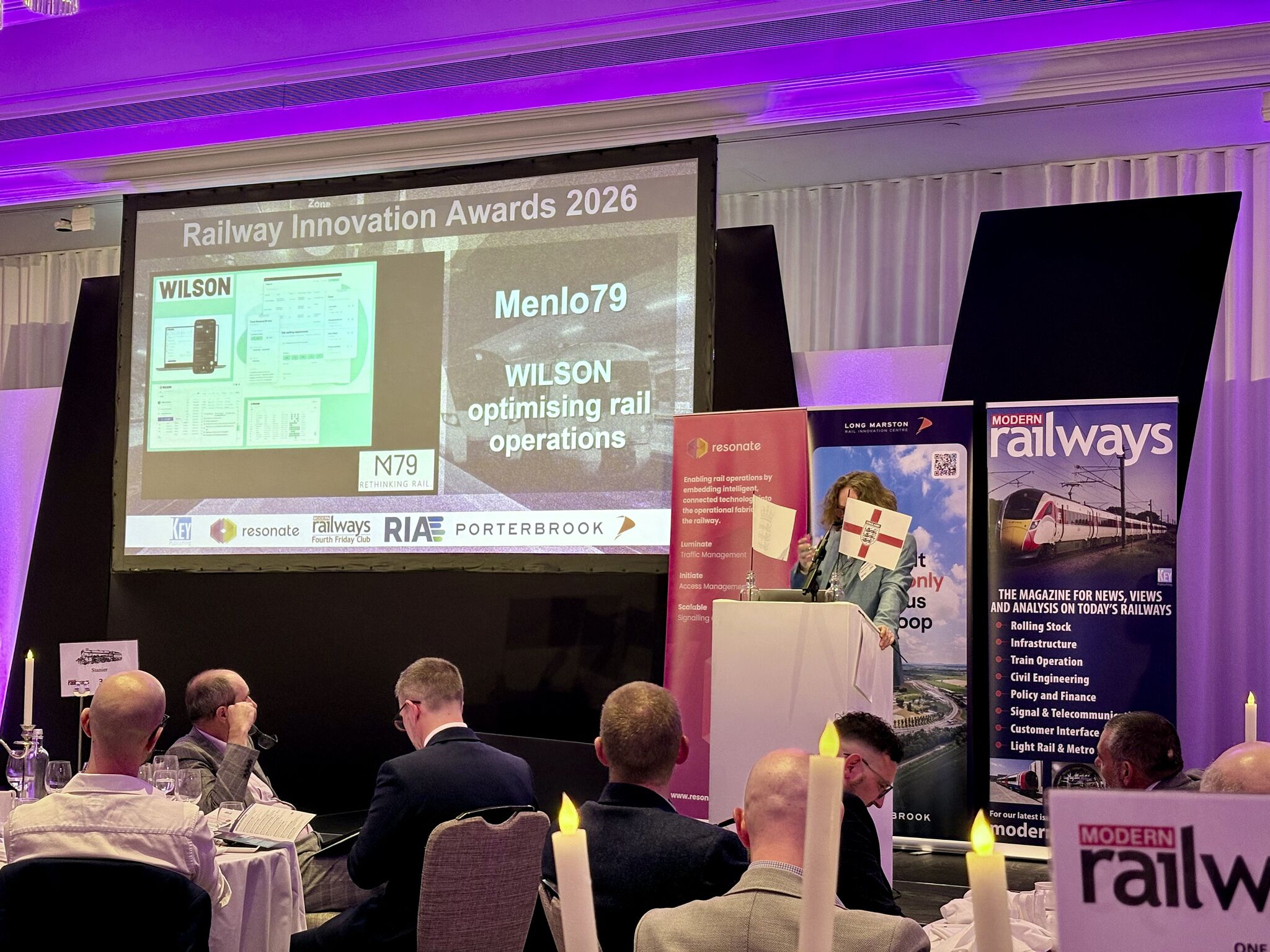
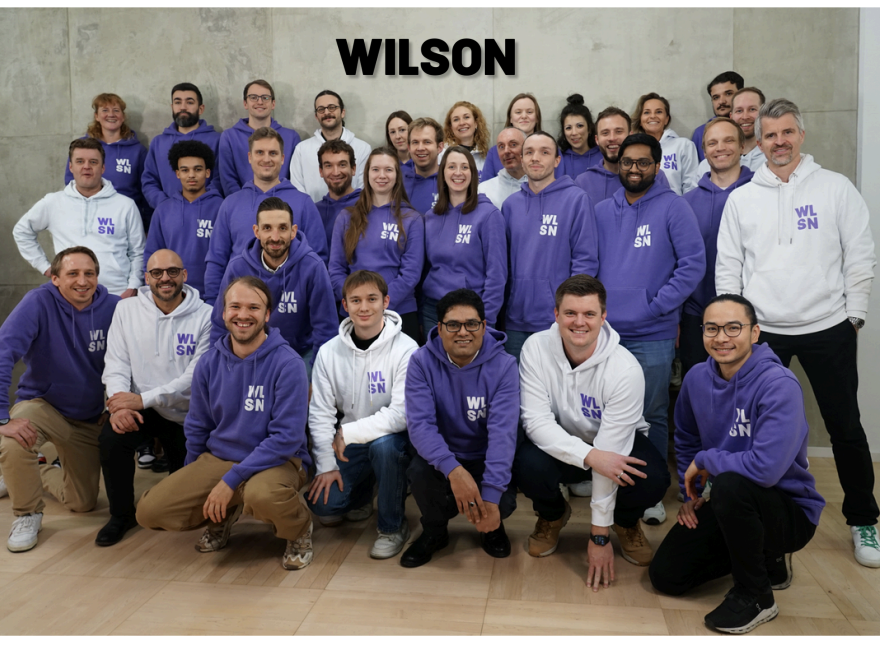
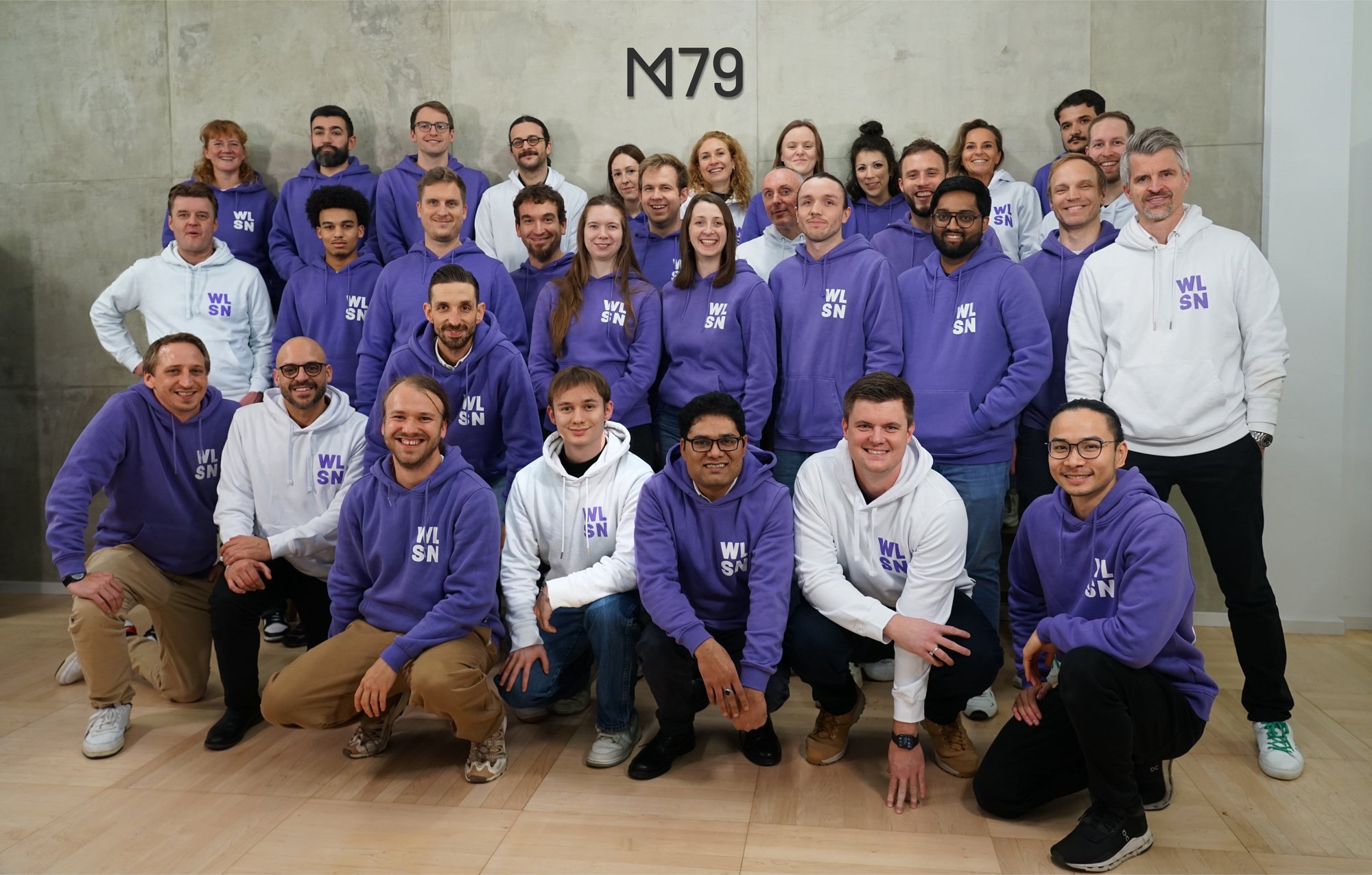
At Menlo79, this broader perspective has shaped the development of the software solution WILSON. Instead of focusing solely on crew rostering, WILSON has been designed as a workforce orchestration platform that connects operational planning, competency management, fatigue management, workforce deployment, digital time tracking and payroll preparation within a single solution.
The platform has also been built with the next generation of AI capabilities in mind. Rather than treating artificial intelligence as a standalone feature, Menlo79 sees AI as an integral layer across workforce planning, operational decision support and administrative automation.
Designed specifically for complex operational environments, WILSON supports organisations in managing their workforce more efficiently while remaining compliant with UK industry requirements, including fatigue management principles aligned with RSSB and ORR guidance.
The objective is not simply to digitise existing processes. It is to create an operational environment where information flows automatically, planners have complete visibility and routine administration is significantly reduced, allowing teams to focus on delivering safe, reliable and efficient railway operations.
As rail continues its digital transformation, workforce orchestration is becoming an increasingly important capability. The organisations that achieve the greatest operational improvements over the coming years are unlikely to be those that simply automate individual tasks. They will be those that connect people, competencies, operational services and business processes into one intelligent operational ecosystem.
Artificial intelligence will undoubtedly play a major role in this evolution. However, AI can only create value when it is built upon high-quality operational data and well-structured workforce processes. Organisations that invest in workforce orchestration today are laying exactly this foundation.
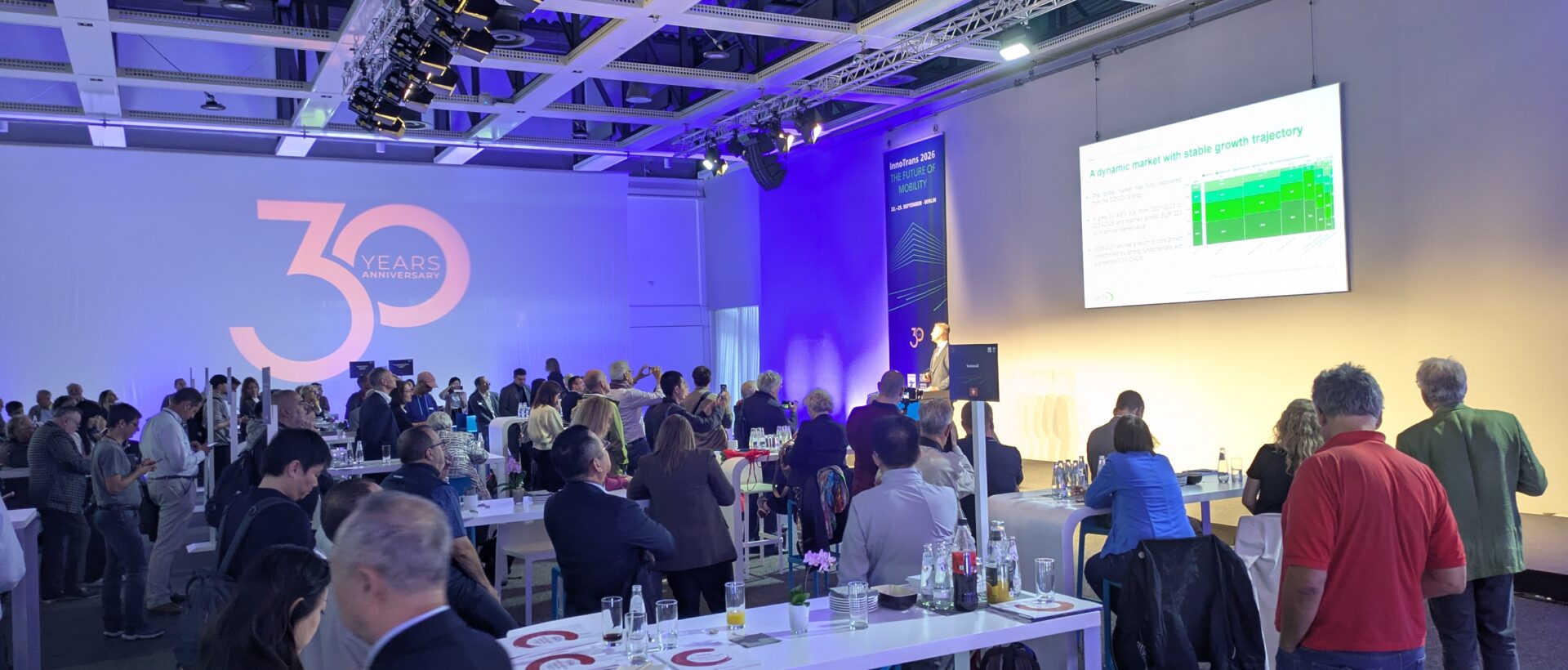
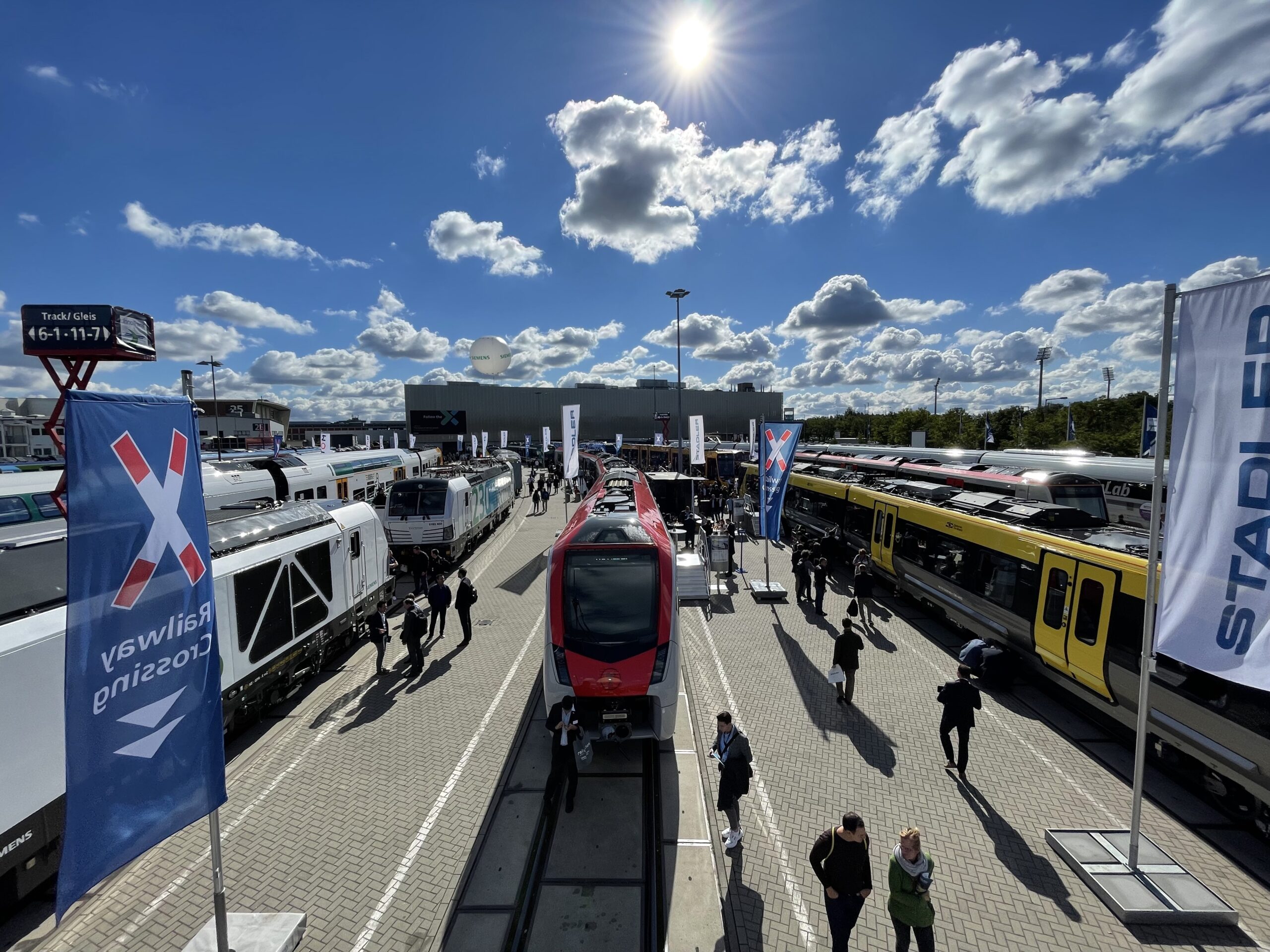
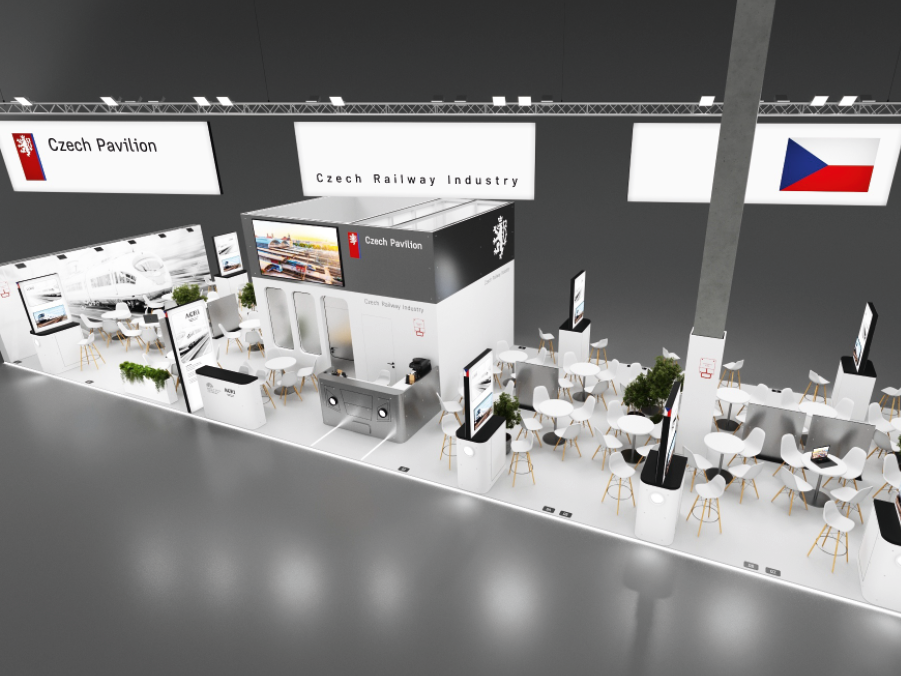
If these challenges resonate with your organisation, we’d be delighted to continue the conversation. Meet the Menlo79 team at InnoTrans 2026 in Berlin (CityCube, Hall B | Stand 320) and discover how WILSON is helping rail organisations transform workforce management into workforce orchestration.