By Peter Basile, Local Division Manager, ABB
Heavy rail systems now deliver 23% more vehicle miles per kilowatt-hour than they did 30 years ago, while light rail and streetcar systems have improved by 6%¹. Yet rail expansion across America has failed to keep pace with population growth. On a per-capita basis, the US now has more than 7% fewer miles of metro rail than in 1990, when four of the world’s 14 largest metro networks were American – today there are none.²
Meanwhile, growing demand for mobility is placing pressure on existing transport infrastructure. In America’s cities, public transport is a vital part of daily life, with more than 6.1 million people commuting by transit.¹
However, as populations grow, there is a demand for networks to be more reliable, efficient and attractive, which will require more than new rail lines. From commuter rail and metro systems to light rail and intercity networks, electrified rail has a critical role to play in moving people, with 55% lower emissions and greater energy efficiency than private vehicles.¹ Its success will depend on integrated technologies, local expertise and long-term lifecycle support across rail systems.
Integrated solutions for increased reliability
In 2024, the US recorded 7,877 collision events and 159 derailments.¹ One of the most significant recent safety initiatives has been the nationwide implementation of Positive Train Control (PTC); this is a complex signalling technology designed to make rail operations even safer by automatically slowing or stopping trains.
The industry is recognising that operators no longer need isolated components; they need integrated systems capable of meeting network demands. That requires closer integration between propulsion technologies, electrical systems, digital monitoring and operational control. Real-time diagnostics and predictive maintenance are increasingly important for identifying faults before they escalate into major disruptions.
The Long Island Rail Road (LIRR) in New York is the busiest commuter railroad in North America, carrying approximately 250,000 customers each weekday across 947 daily trains.³ The recent contract for the supply of 316 Auxiliary Power Supply units by ABB, illustrates the industry’s shift from standalone components to integrated rail systems.
The project includes engineering and design customisation, testing and qualification, cybersecurity deliverables, technical documentation, training and ongoing engineering support.
Developed in partnership with Alstom, this demonstrates how operators are increasingly looking for complete lifecycle solutions that combine electrification, digital capabilities and technical support to improve resilience and support safer day-to-day operations.
Optimising regenerative braking performance
Energy efficiency is another area where integrated systems matter. Research into regenerative braking has shown that braking energy is often underutilised when electrical systems are unable to effectively capture and redistribute it.⁴ This can create both efficiency losses and voltage-management challenges across networks.
Integrated propulsion and control systems help address this problem by coordinating traction converters, auxiliary converters, motors and train control software within a connected operating framework. Optimised correctly, these systems can improve reliability, reduce energy waste and lower lifetime operating costs. For hydrogen-powered trains, these converters play a critical role in integrating fuel cells and enabling efficient propulsion while reducing both energy consumption and emissions.
Modern rail increasingly depends on integrated systems that work reliably across the full asset lifecycle. Whether supporting metropolitan rail, light rail or streetcar fleets, a complete propulsion and control package that combines traction systems, auxiliary power, motors and train control technologies can improve reliability, energy efficiency and performance.
Local-for-local strategy
Increasingly, rail development across the United States must move toward a “local-for-local” approach. This is where manufacturing, engineering and long-term service support are embedded within domestic markets rather than heavily dependent on imported systems.
As rail systems expand in scale and complexity, operators need faster support, stronger supply chains and local engineering expertise capable of responding rapidly when issues occur – particularly as short disruptions can cause widespread operational and economic impacts. Local manufacturing and servicing not only reduce lead times but also strengthen long-term operational resilience.
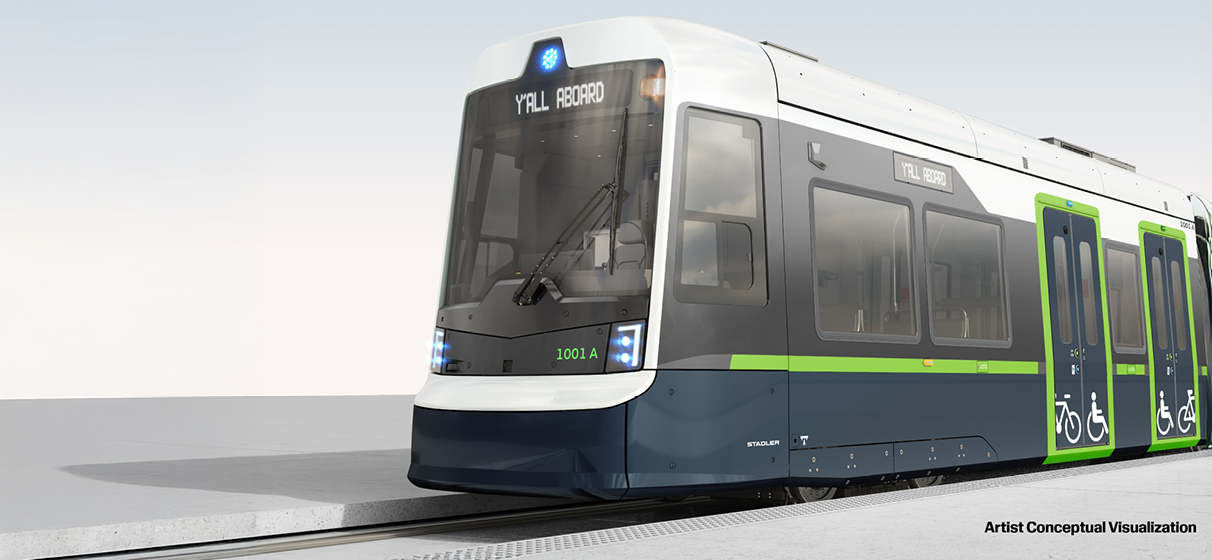
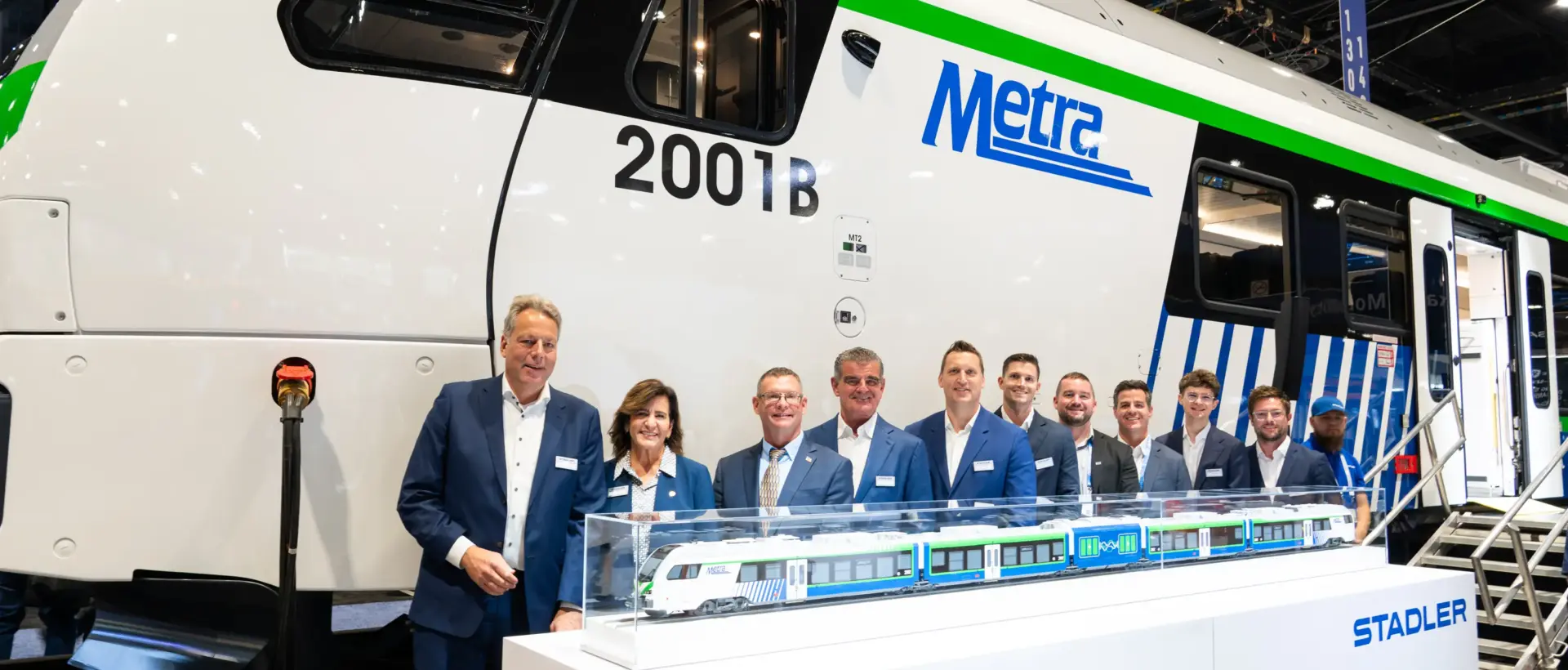
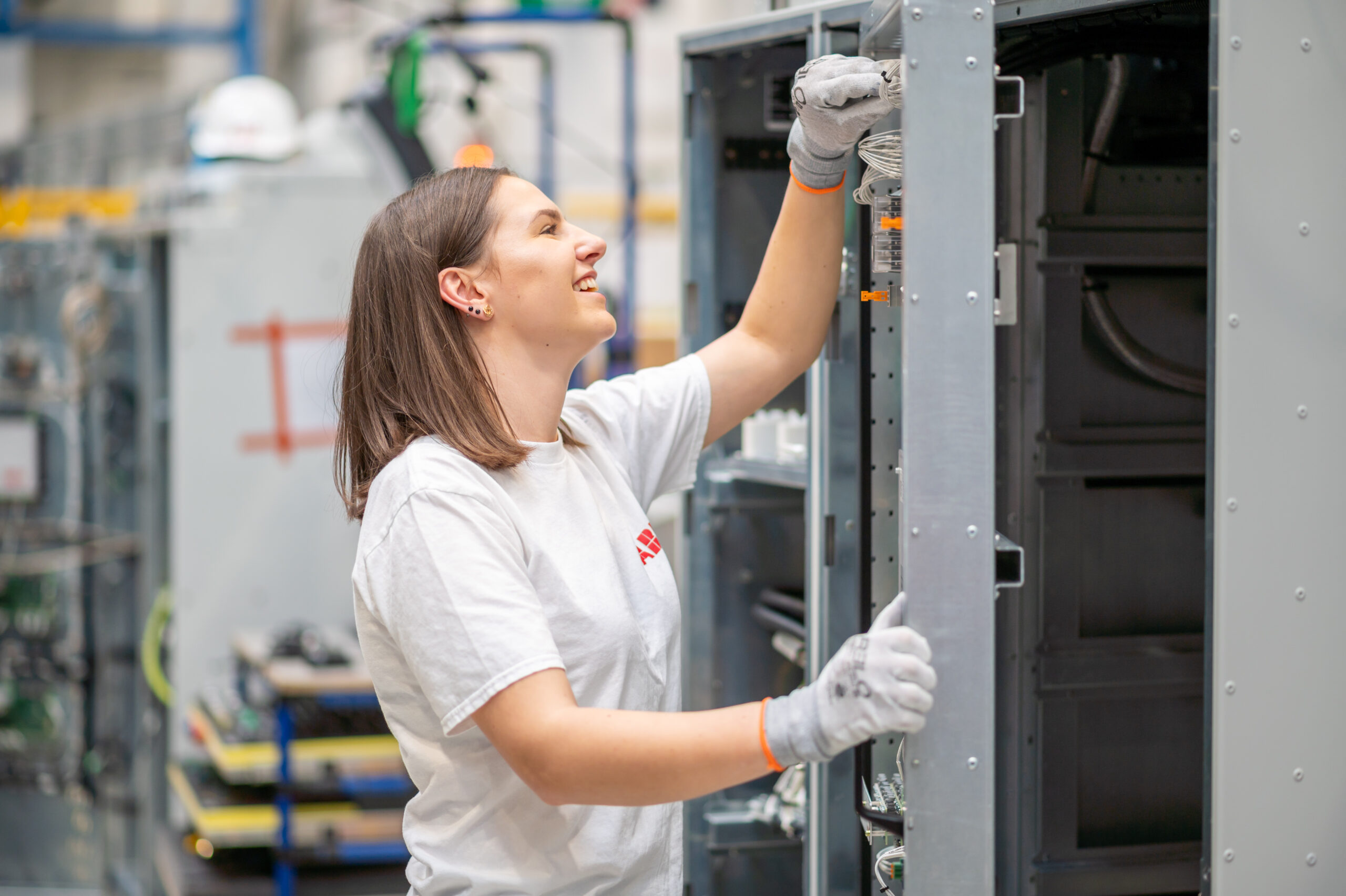
Our partnership with Stadler demonstrates how, for US passenger rail projects, global technology can be delivered through local manufacturing and engineering capabilities. Traction components are both assembled and tested in Virginia, which employs nearly 100 skilled production workers.
Local-for-local delivery models can reduce supply chain complexity, shorten lead times and provide the in-market support that increasingly complex rail networks require.
Rail networks are not fixed assets installed once and left unchanged. They are long-life systems that require continuous servicing and upgrades over decades of operation. Building local capability therefore becomes just as important as building the infrastructure itself.
Passenger experience and pollution
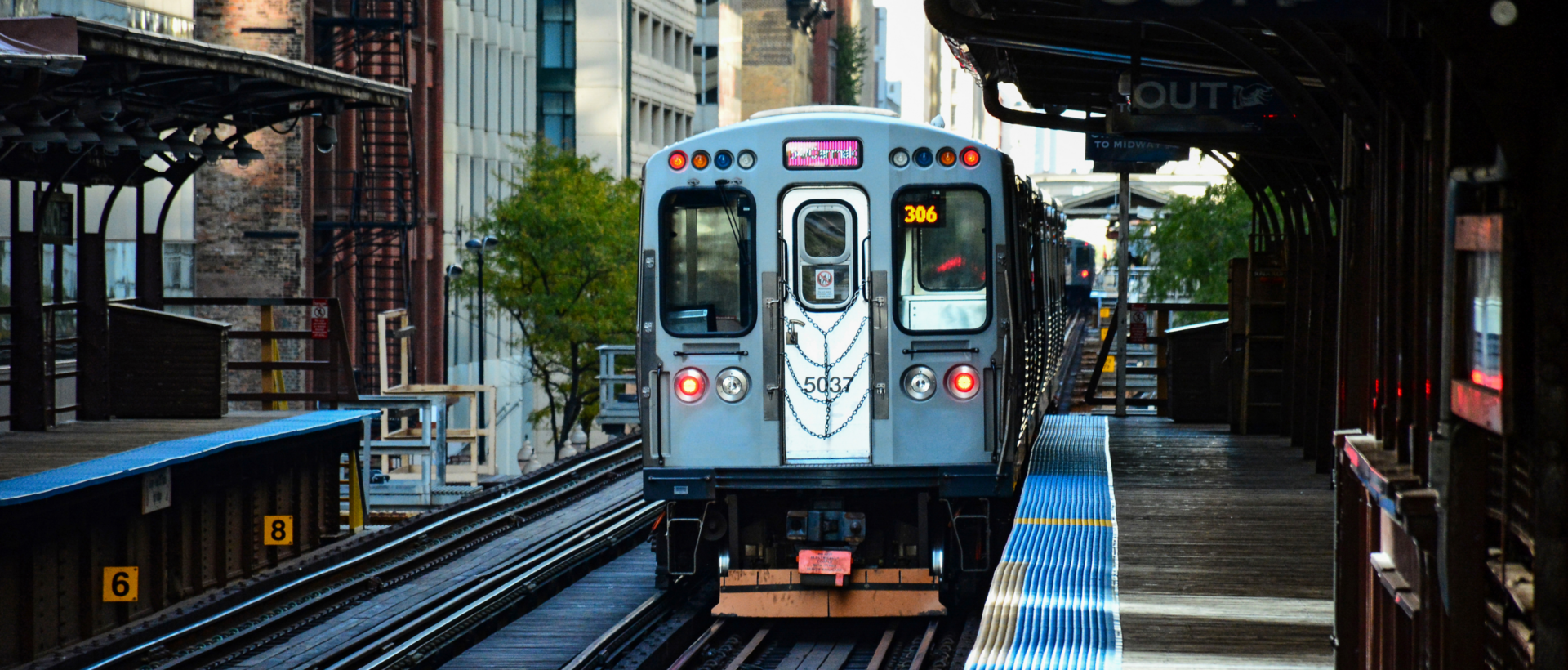
For rail electrification, passenger experience is becoming just as important as infrastructure. In many of America’s largest metropolitan areas, overcrowding, service disruptions and ageing infrastructure can quickly undermine public confidence in public transport systems. Cleaner, quieter and more reliable systems can reduce road congestion and improve daily journeys.
Passenger experience is increasingly shaped by how seamlessly rail systems integrate into the urban environment. Efficient electrification and control technologies can significantly improve comfort by reducing noise, vibration and energy consumption while enabling smoother, more dependable journeys. In cities where millions rely on public transport every day, these operational details have a direct impact on commuters’ choice between public and private transport.
Conclusion
America’s rail systems are becoming more efficient, but efficiency gains alone will not meet the growing demand. As cities seek to reduce congestion and lower emissions, they must focus not only on expanding networks but on ensuring they operate reliably throughout their lifecycle. Success will depend on combining advanced technology, integrated systems and strong local support capabilities. The operators that deliver reliable, energy-efficient and passenger-focused services will be best placed to encourage a long-term shift towards public transport.