Springs may be among the least visible components in a modern bogie, but they’re among the most critical. For nearly 200 years, Grueber has been perfecting them, and is now bringing digital innovation to one of rail’s oldest technologies.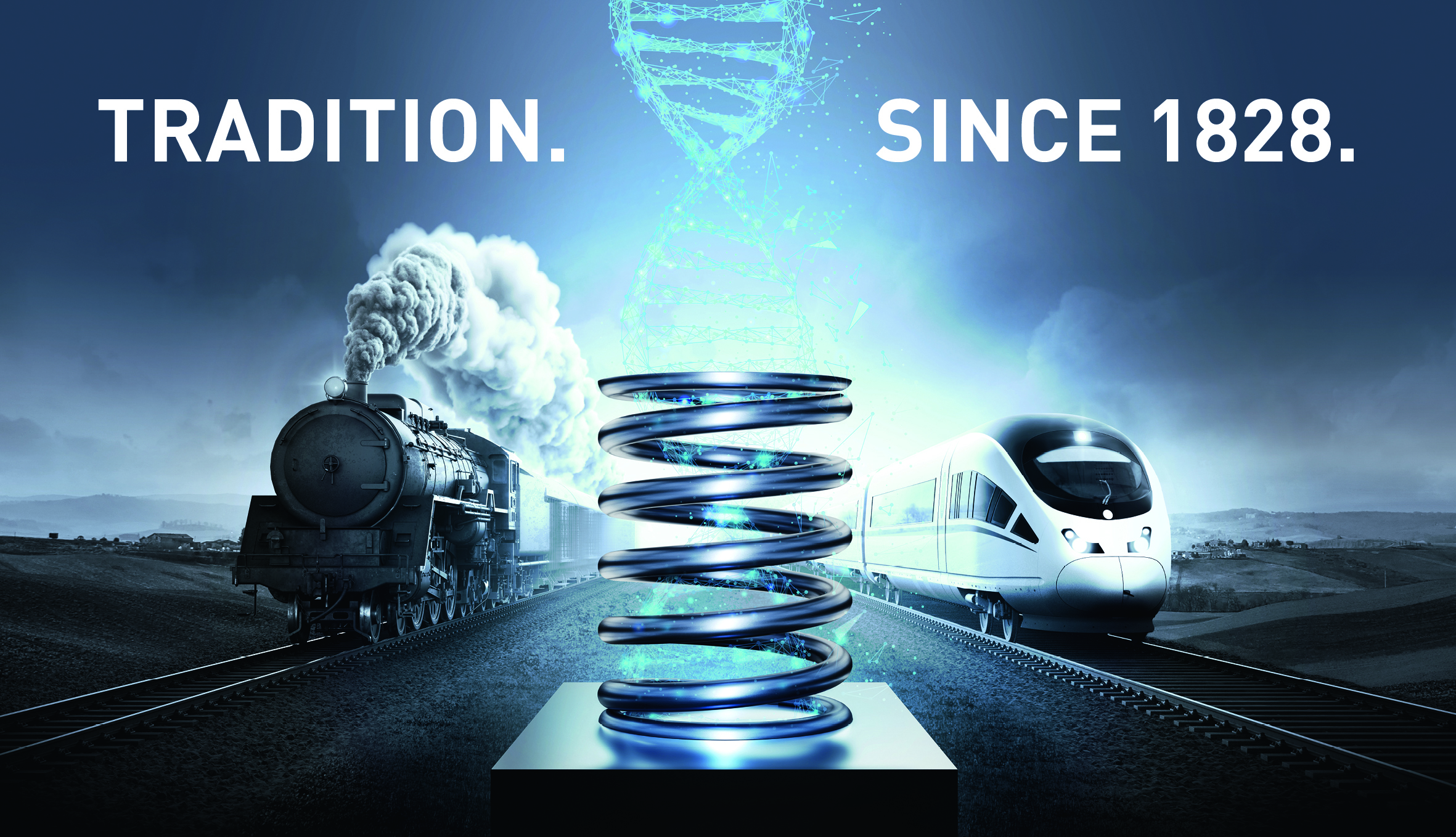
In the complex ecosystem of modern railway engineering, where high speeds, immense loads and uncompromising safety standards converge, some of the most critical components are also the most easily overlooked. Tucked away within the undercarriage, springs are fundamental to a train’s performance, safety and comfort. They are the silent workhorses that manage the interface between the vehicle and the track.
For nearly two centuries, one company, Grueber, has dedicated itself to mastering the science and art of spring technology, evolving from a historic forge into a vital engineering partner for the global rail industry.
Rail Transport Heritage
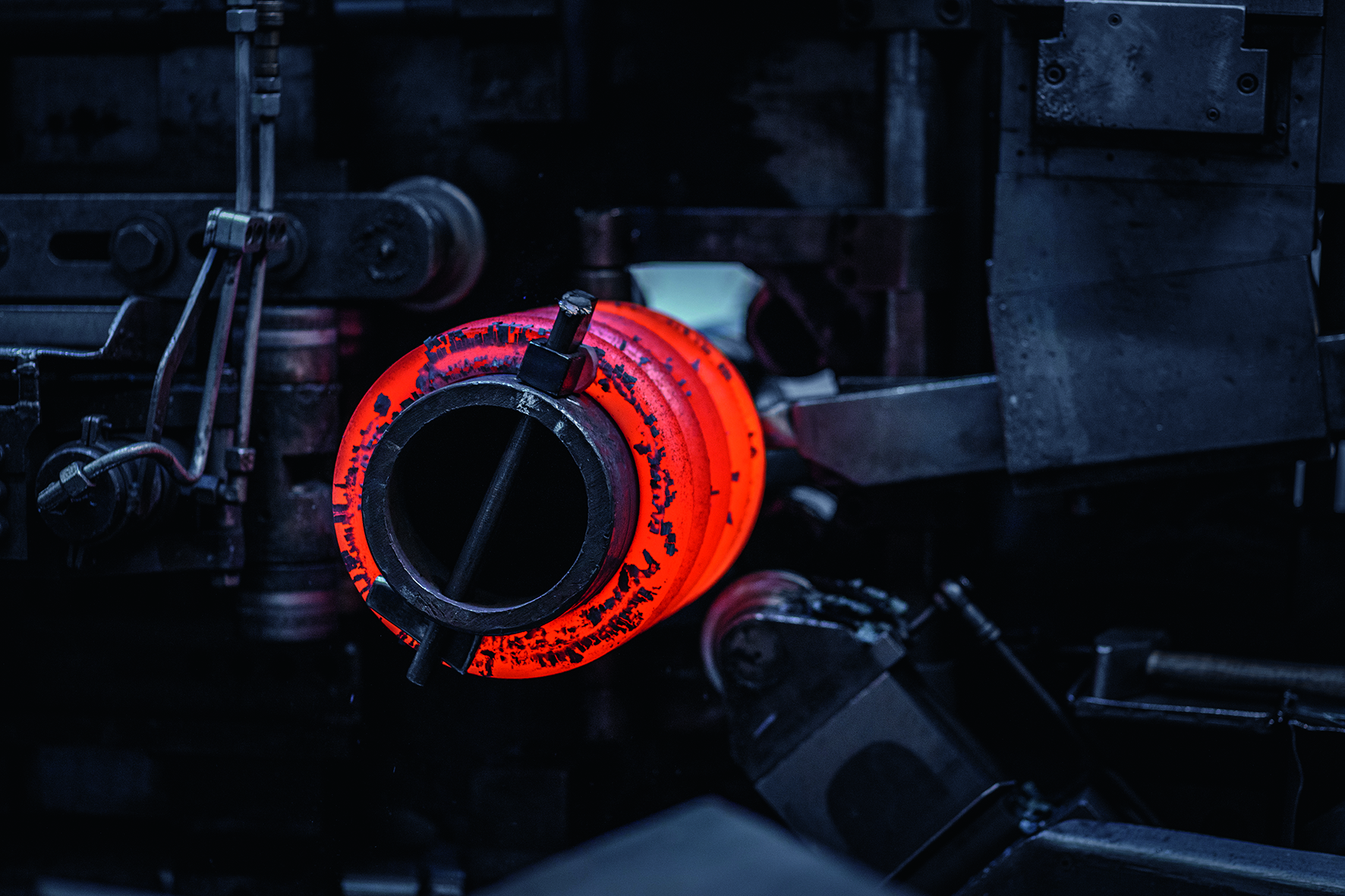
Founded almost 200 years ago, the German-based Federnwerke J.P. GRUEBER GmbH & Co. KG began its journey forging steel into high-quality products. Today, its state-of-the-art facilities produce precision-engineered springs and bent parts for a host of industries, but its heritage is deeply intertwined with the evolution of rail transport.
The company’s involvement in the sector dates back to around 1880, a period when the Industrial Revolution was driving the rapid expansion of railway networks across the world. As demand grew for high-performance steel products capable of withstanding the rigours of this new mode of transport, Grueber’s technological capabilities positioned it as a key supplier.
This legacy of collaboration was established early. At the beginning of the 20th century, industrial pioneers like Siemens sought out Grueber for its advanced engineering expertise. This tradition of partnership continues to define the company’s ethos today, serving a roster of leading international manufacturers including Alstom, Skoda, Hitachi, Siemens and Stadler, as well as major operators like Indian Railways. From Canada to China, Grueber springs are an integral part of the systems that ensure reliable ride quality and safety on a global scale.
The Unsung Hero of the Bogie
To a casual observer, a spring may seem like a simple component. In reality, it’s a highly stressed, precision-engineered product operating in one of the most demanding environments imaginable.
In railway applications, springs must endure millions of load cycles, constant vibrations, significant temperature fluctuations and immense dynamic forces over a service life that can span decades. As the company explains, even minor deviations in material properties, surface treatment, or geometry can have a profound impact on performance and longevity.
The technical challenge is compounded by the fact that real-world operating conditions are often far more complex than theoretical models can predict. This makes the manufacturer’s accumulated knowledge and experience absolutely critical. It’s this deep-seated expertise, built over generations, which enables Grueber to design and produce components that perform reliably under immense static and dynamic loads, ensuring the integrity of the entire vehicle.
A Partner, Not Just a Supplier
In an industry where precision and reliability are paramount, Grueber distinguishes itself by fostering deep engineering partnerships rather than engaging in simple transactional relationships. The company emphasises that its collaboration with a client truly begins, rather than ends, with the delivery of a product. Its key strengths are identified as speed, reliability and, above all, technical competence.
A cornerstone of this philosophy is the principle of early involvement. Grueber advocates for working with vehicle manufacturers during the initial concept and development phases of a project. This allows its specialists to contribute their extensive know-how in the design of primary and secondary suspension springs, helping to identify potential challenges and optimise the overall system from the outset.
When springs are only considered later in the design process, many critical parameters are already fixed, potentially leading to compromises in performance or cost. Early collaboration, therefore, often yields technically superior and more economically efficient solutions.
Direct Customer Engagement
This collaborative spirit extends to knowledge sharing. The company regularly hosts customer days, technical forums and workshops designed to foster an open exchange of ideas between operators, engineers, developers and other industry experts. These events delve into innovative technologies, new manufacturing possibilities and emerging market demands, with recent topics including advanced surface treatments and maintenance strategies.
The goal is to create synergies and share practical experience that participants can apply to their daily project work, driving efficiency across the board. The revision of the ISO 9001 standard, which now requires a systematic approach to knowledge management, underscores the value of this practice — a discipline Grueber has been cultivating for years through a comprehensive digital knowledge database and internal engineering forums.
Innovation for the Future of Mobility
As railway technology advances, the expectations placed on component manufacturers continue to rise. The drive for higher speeds, longer maintenance intervals, and ever-tighter tolerances requires continuous innovation in both product design and manufacturing methods. Grueber has consistently met these demands by investing in advanced manufacturing processes, surface technologies, and testing capabilities, including fatigue and endurance testing, crack detection, and fully documented quality control.
Looking ahead, Grueber sees its role as being intrinsically linked to the major trends shaping the future of rail: sustainability and mobility. The industry-wide push to reduce vehicle weight, improve energy efficiency, and lower the carbon footprint of transport presents significant opportunities. As a specialist in high-performance spring solutions, the company is actively developing innovative products to support these goals.
Digital Spring Measurement
This focus on the future will be on full display at InnoTrans 2026. Grueber plans to unveil its next-generation Steel Spring Generation 4.0 technology, alongside iSpring, a digital measurement and monitoring system for in-service railway applications. This digitised steel spring represents a leap forward in predictive maintenance and performance analysis, demonstrating that even a component as traditional as a steel spring can be a focal point for digital innovation.
Ultimately, Grueber’s message to the industry is clear: while spectacular innovations often capture the headlines, the future of sustainable and safe mobility also depends on the flawless performance of reliable, long-lasting components. By combining nearly 200 years of experience with a relentless drive for innovation and a commitment to true partnership, Grueber continues to play its vital, if often unseen, role in making modern rail transport possible.
Visit Grueber at Hall 9, Stand 425