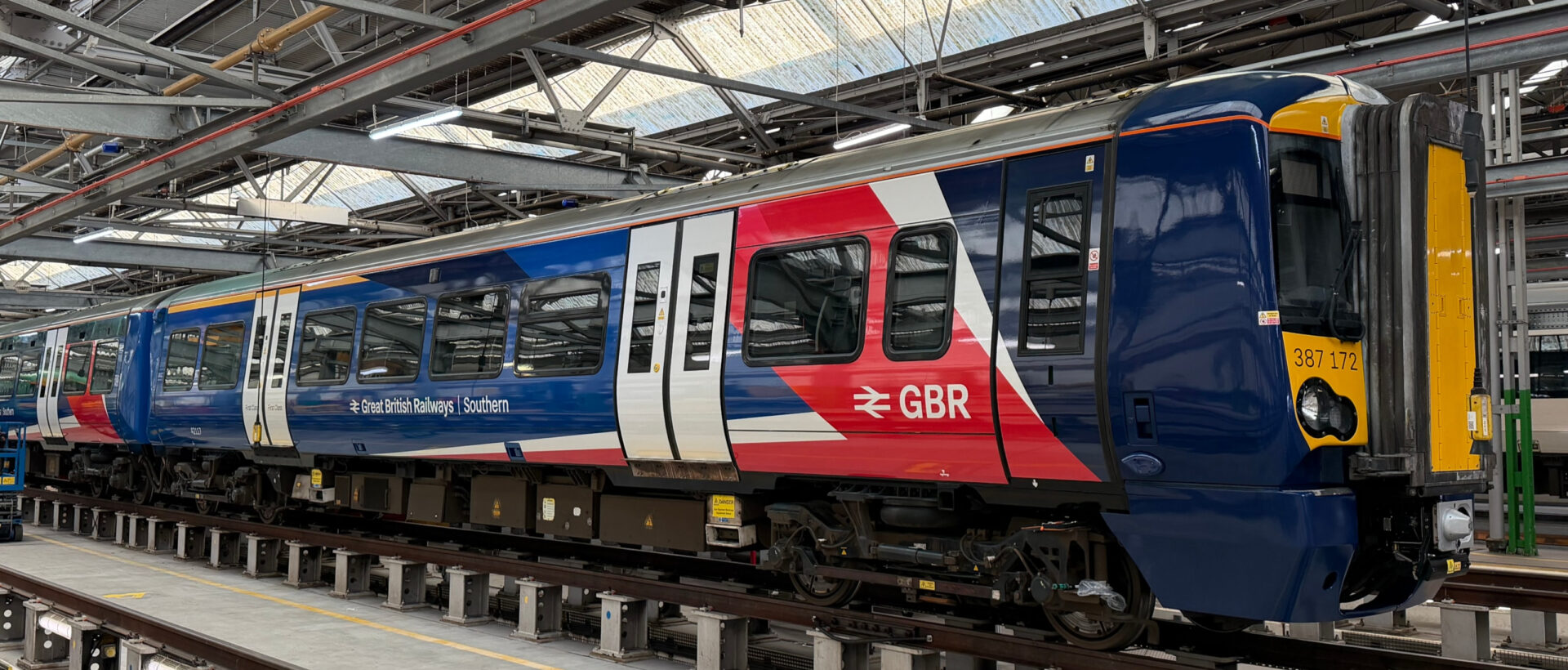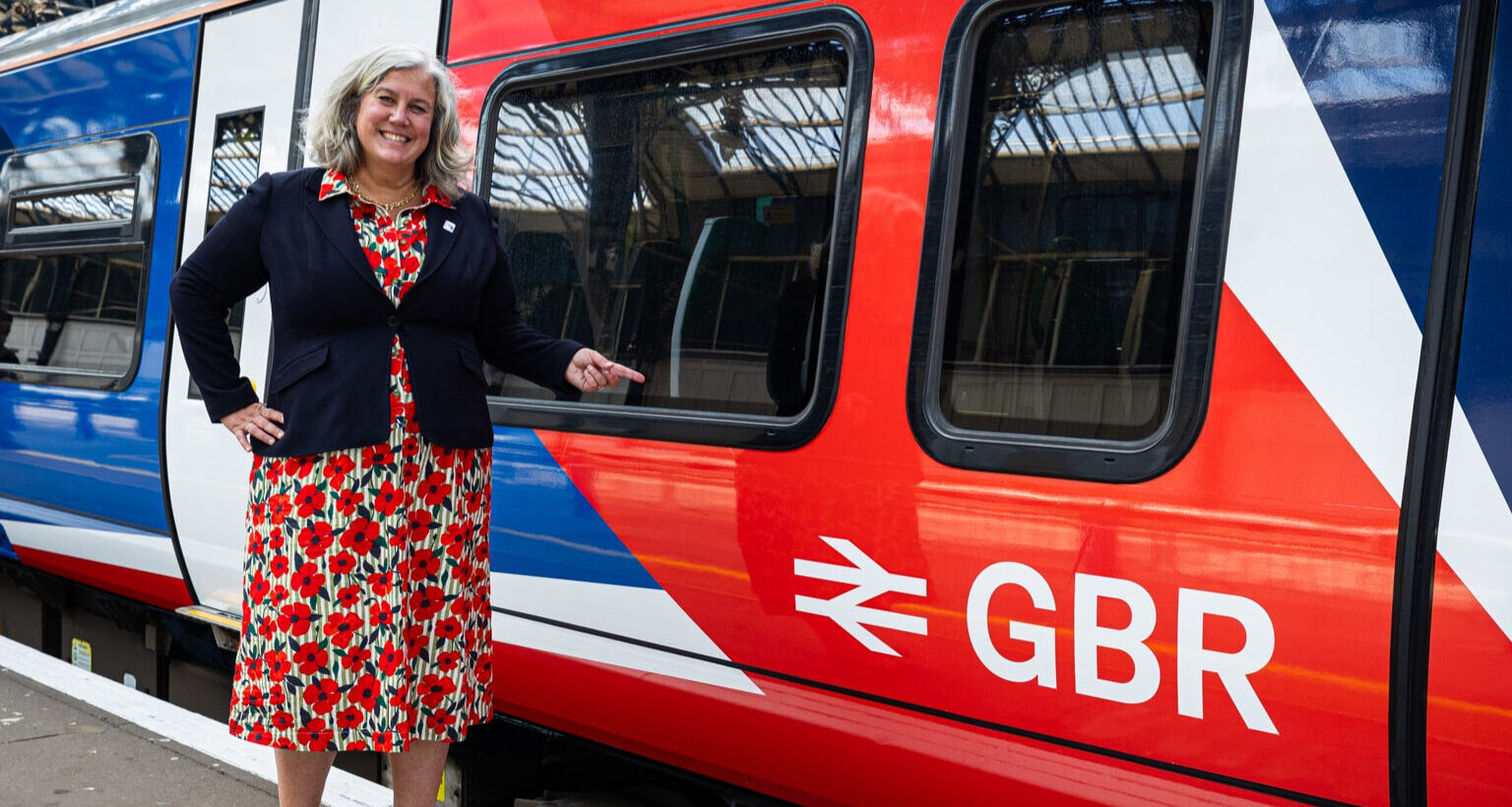
At current time of writing; to say that Britain’s rail sector is in a state of flux might be considered something of an understatement. The formation of Great British Railways (GBR) is poised to change not just the current industry landscape, but the very fabric of the country’s rail operations; leading to a sense of uncertainty that pervades every aspect of what, at this point, is a one-way train very much rolling down the track toward an unknown, uncertain, unclear final destination.
With this in mind, there are several questions that simply cannot be overlooked – should infrastructure and train operations be integrated, or should they be separated? What lessons can we learn from different ownership models from across the world, and what do they tell us about performance and outcomes?
In essence, then, what can GBR learn from these international experiences – and what can Britain offer the world in return?
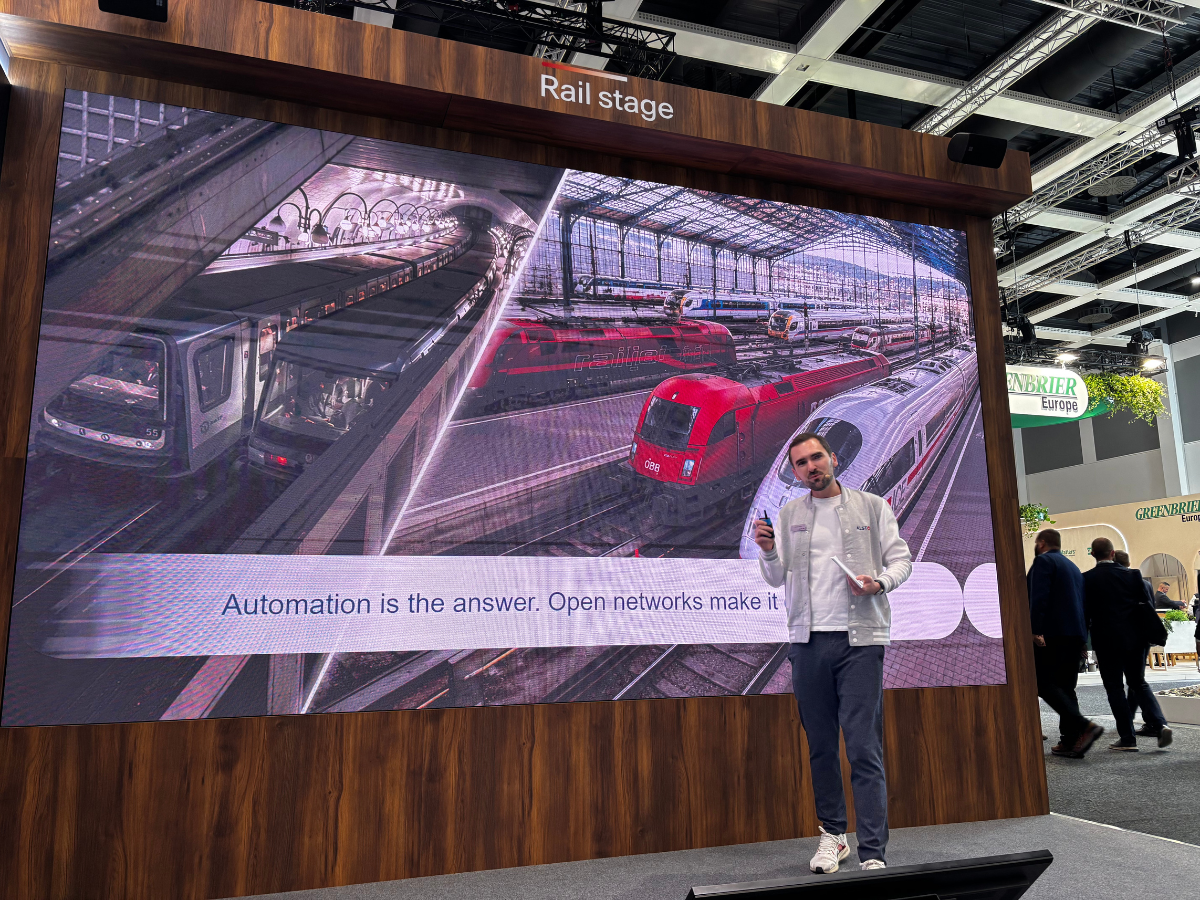
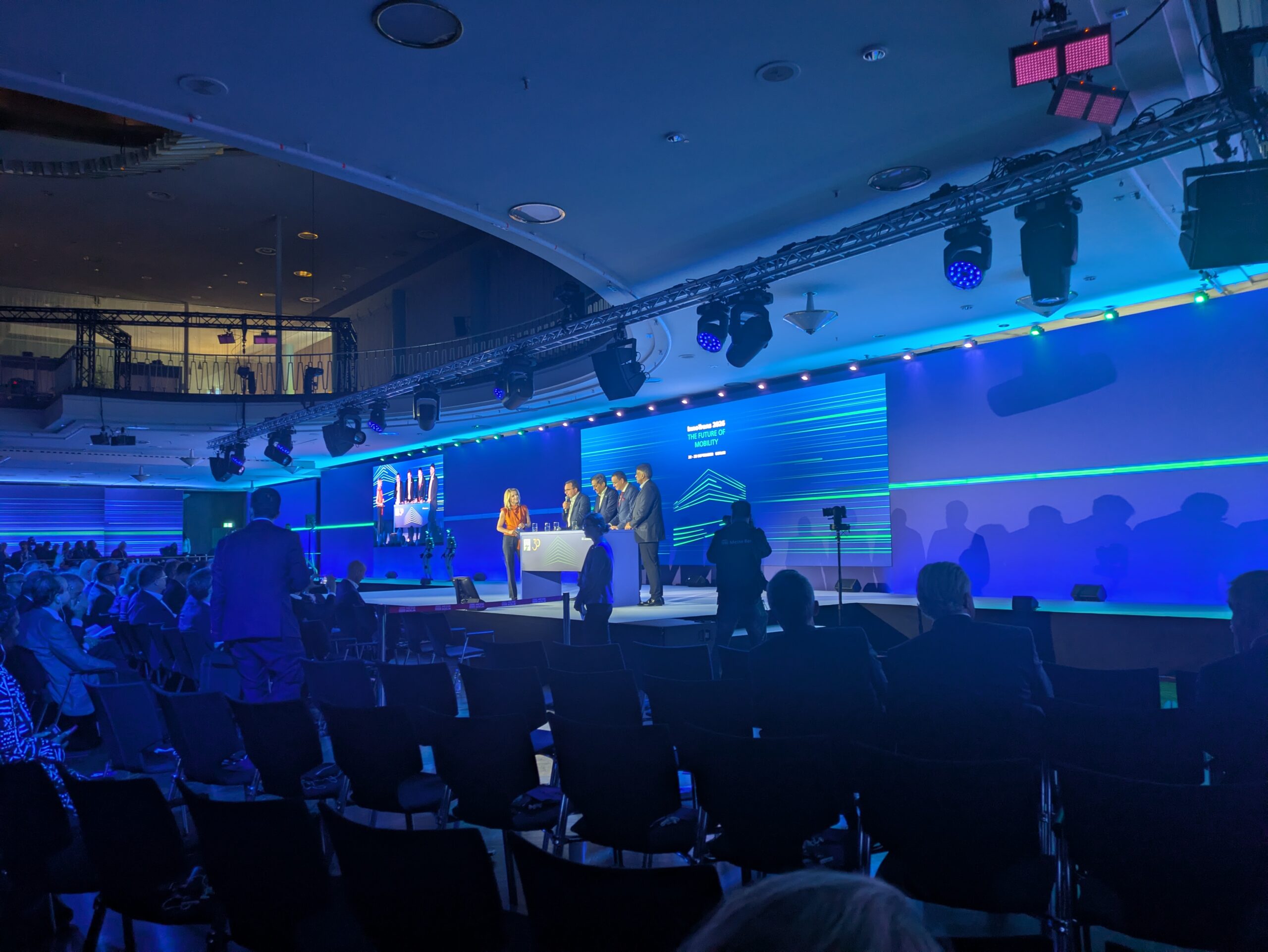
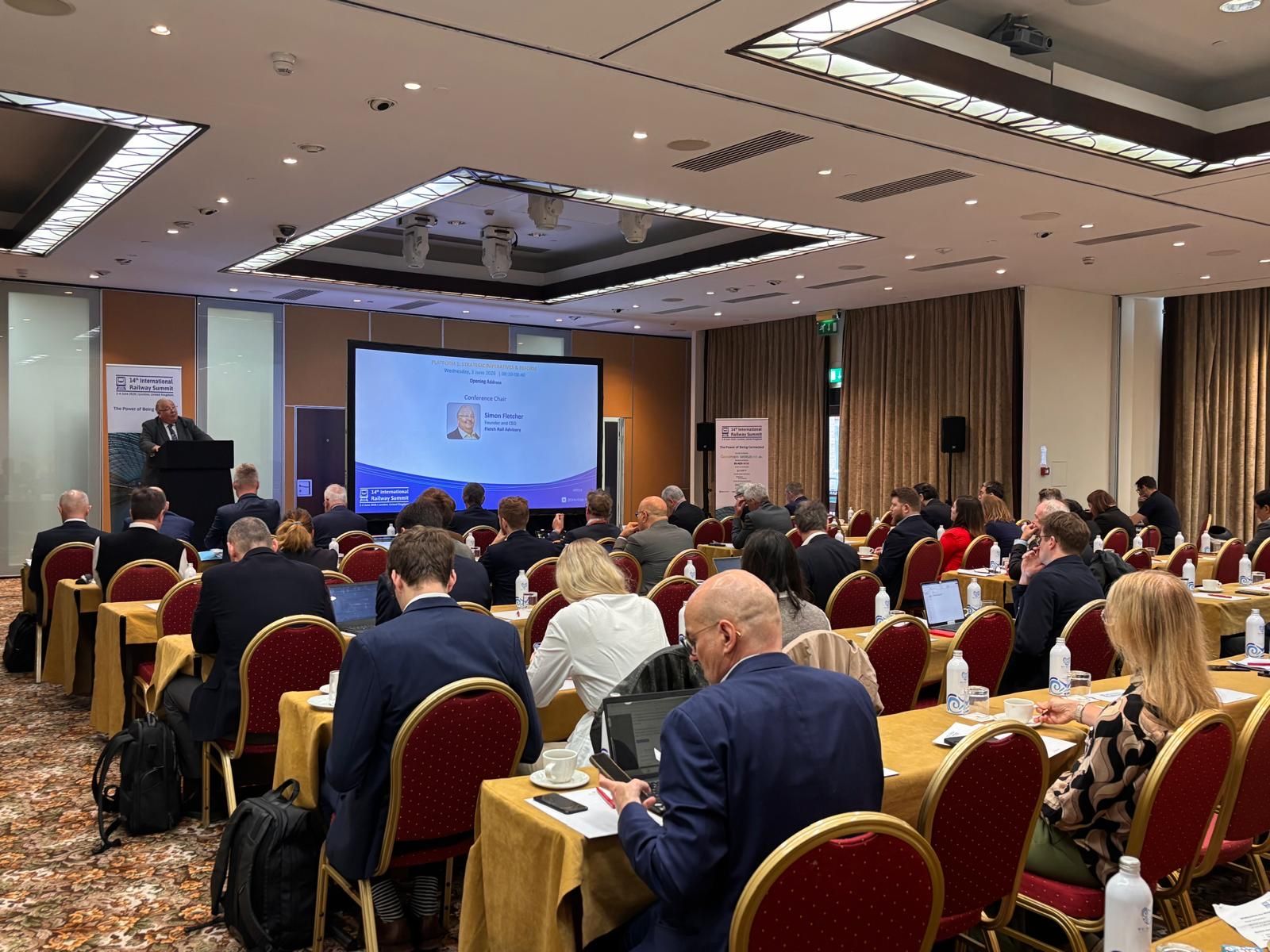
At this year’s International Railway Summit (IRS) – a conference now in its 14th year – industry figureheads offered their thoughts on the country’s move to a reintegrated public structure, and what this seismic shift will really mean for not just Britain – but the sector as a whole – providing insight & answers to each of these burning questions and much, much more.
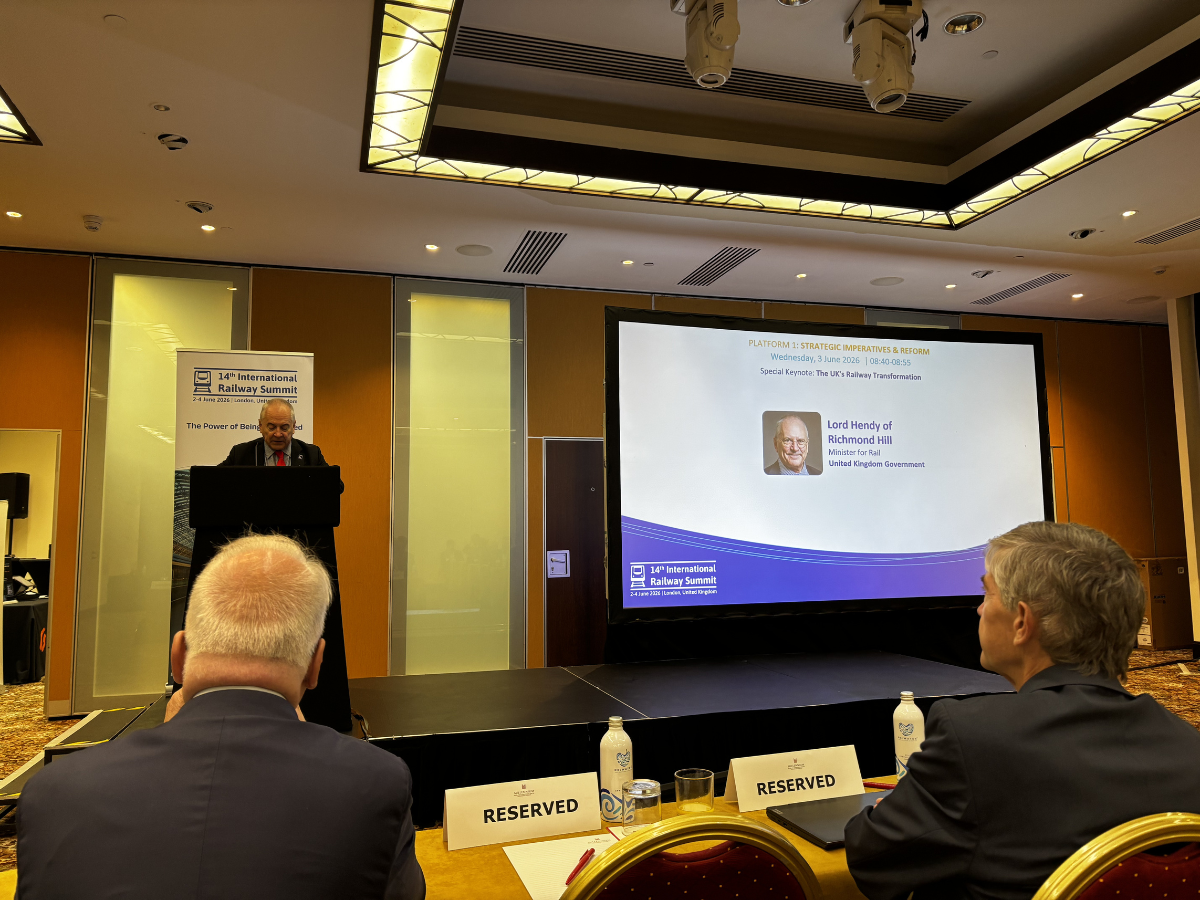
Opening proceedings at London’s Millennium Hotel & Conference Centre; Rail Minister Lord Hendy puts in a (quite brief) appearance to, amongst other things, reflect on the Railways Act of 1993, which, of course, split Britain’s public railway into pieces, fundamentally splitting both infrastructure and operations into two separate tracks – if you’ll pardon the pun.
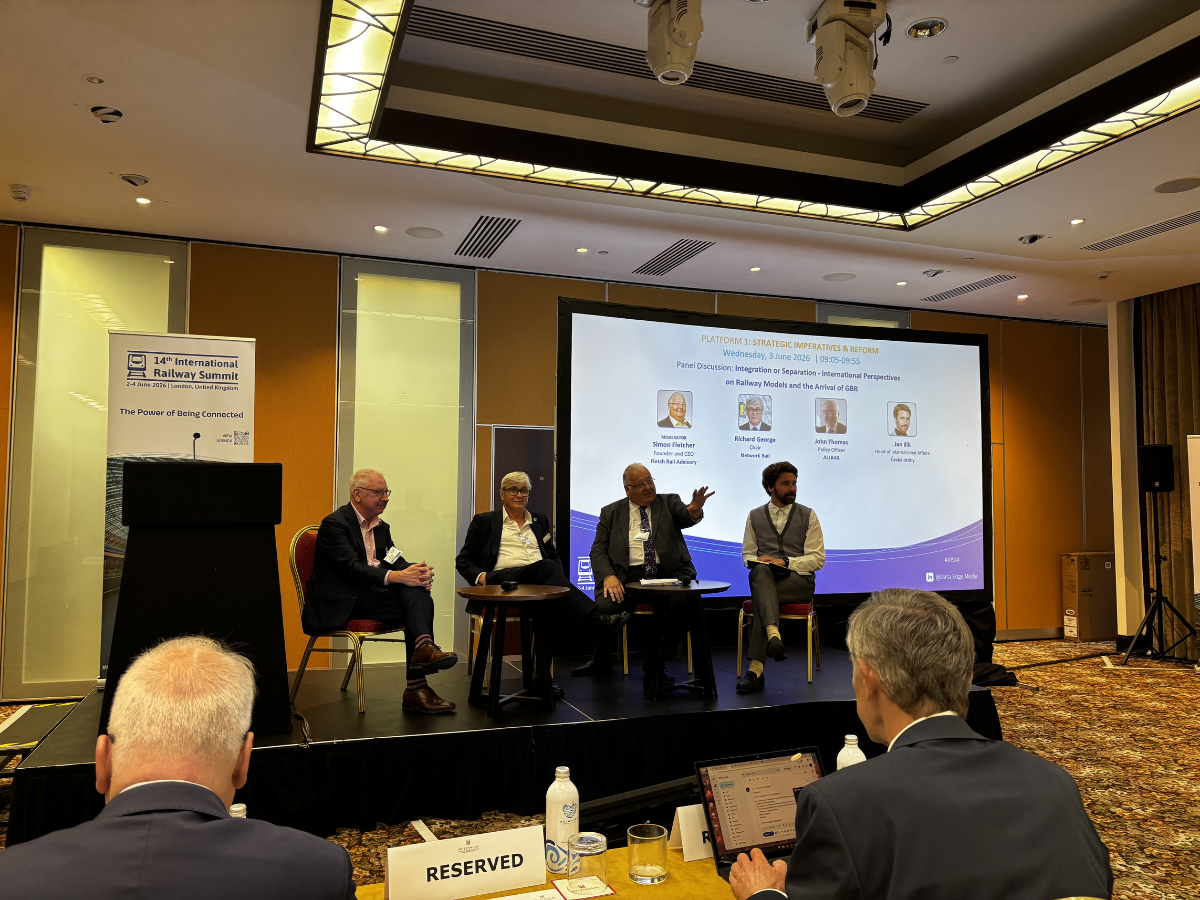
At the time, as Lord Hendy mentions, this move was ultimately rather successful in its goal – which was to increase both passenger numbers and overall revenue. However, as later referenced by Richard George, Chair of Network Rail, during the panel discussion ‘Integration or Separation – International Perspectives on Railway Models and the Arrival of GBR’; whilst this may have worked to begin with, things quickly changed and, come the COVID-19 pandemic, it very quickly became necessary to save these companies before what at the time could have been seen as an unavoidable collapse of the entire private operating sector.
So, the decision was made to suspend private rail franchise agreements in 2020 – effectively nationalising the network and beginning the journey towards what we will soon know as GBR. However, whilst it might sound like a simple task – pressing the undo button and bringing back what had previously become scattered – George posits that putting it back together will be ‘a lot harder than splitting it all up’.
The British rail industry had ended up with a set of contractual obligations that were too difficult to deliver on, leading to what might have seemed like an eternity of dealings with lawyers, red tape and ever-shifting policy. Make no mistake, George is correct – this is going to be quite the clean up operation.
But despite the looming raft of seemingly unsurmountable challenges, GBR promises to bring integration to a country’s fragmented rail network – and this is something that (almost) all parties present during today’s programme seem to agree that integration is what the industry so desperately needs.
Reflecting on his own country’s current rail system; Jan Ilík, Head of International Affairs at České dráhy stresses that a separated model cannot also be a simple one. Taking into account Czechia’s model, Správa železnic (the state) owns and manages all tracks, stations and signalling systems, whilst train services themselves are operated by a mix of, again, the state, and a slew of private companies – all of which are contracted by the national Ministry of Transport through a competitive bidding process.
This brings with it a plethora of different challenges, and a system with not one clear goal, but instead many goals – resulting in a complex game of ‘who’s responsible for what’. So, with one unified, fully integrated system; decisions can be made across the scope of the entire railway, avoiding the piecemeal approach of the last thirty-three years and enabling effective management of the network as a whole – from the operator carrying commuters to work to the very ticket in your Apple (or Google) Wallet.
With this somewhat tortured segue, then, what of the integration of ticketing – a topic that could be subject to debate ad infinitum (and honestly likely will be). In his keynote speech; Lord Hendy spoke of the fragmentation of the industry, lamenting that, until now, customers could be pointed to any one of 14 different ticketing websites – and that’s without even broaching the subject of the eight main ticket types themselves.
Touching on this, George states that GBR’s formation must provide people with the trust that no matter where they go, they will be purchasing the right ticket, at the right price, and that wherever they get it from they will be walking away the best possible outcome, claiming that there is ‘no point’ in nationalisation if customers do not benefit.
He provides a brief anecdote concerning his wife, who, for almost her entire adult life, has simply tapped in and tapped out when using TfL services – surely a sign of total trust in the system and, one would assume, a belief that there is no need for any alternative, as well as a strong case study for what GBR might offer to travellers across the country.
However, this viewpoint does this come unopposed. Sitting on the panel with George is John Thomas, Policy Officer at ALLRAIL, who, in one of several instances of what might appear to be playing devil’s advocate, suggests that GBR’s total control of ticketing will lead the entity to hold a firm grip on not only ticketing and pricing, but any and all competition, including retailing, access and amendments for areas such as freight.
Throughout the panel; Thomas goes on to suggest that whilst entirely demonised by the public (and a large portion of the government & industry itself); privatisation across the sector was not just a short-lived success: much like Lord Hendy mentioned previously, the move in fact doubled passenger numbers for quite some time – until COVID, that is. Not only this, but it grew the market exponentially, generating additional revenue that was funnelled directly back into the railway.
In essence, then; privatisation, according to Thomas, was best for the customer. It enabled competition, forced operators to adapt and acknowledge what others might have been doing to keep their passengers happy.
In response, George assures all in attendance that GBR will ‘absolutely’ take amendments into account, stating that, in the beginning, the pressure for the entity to deliver will be so absolute that it will have no choice but to prove itself at any and all costs – even though, as he mentions, it will very likely be taken to appeal for all decisions made for at least the first three years of its existence.
When it comes to open access and the question of competition; George also agrees that the former can be a crucial aspect to the industry – so long as it’s bringing benefits to the customer. He posits that, at first, distrust for GBR will be high, but decisions will be made taking into account not only the desires of the entity itself, but both freight and open access operators, as well as those looking to make use of the country’s infrastructure capacity.
Jumping back one final time; in his keynote speech Lord Hendy spoke of his time at Network Rail – where he held his position as Chairman for nine years between 2015 and 2024. During this time, Lord Hendy states that one thing was truly unanimous between operators, infrastructure managers and everybody in-between: everybody, no matter who they are, wants to provide a better service for passengers.
Nobody works in this industry to make things more difficult for the customer. In recent years, things may have gone off the rails (final pun), but with the impending formation of GBR, it is impossible to overlook just how strong the optimism is within Britain’s rail industry.
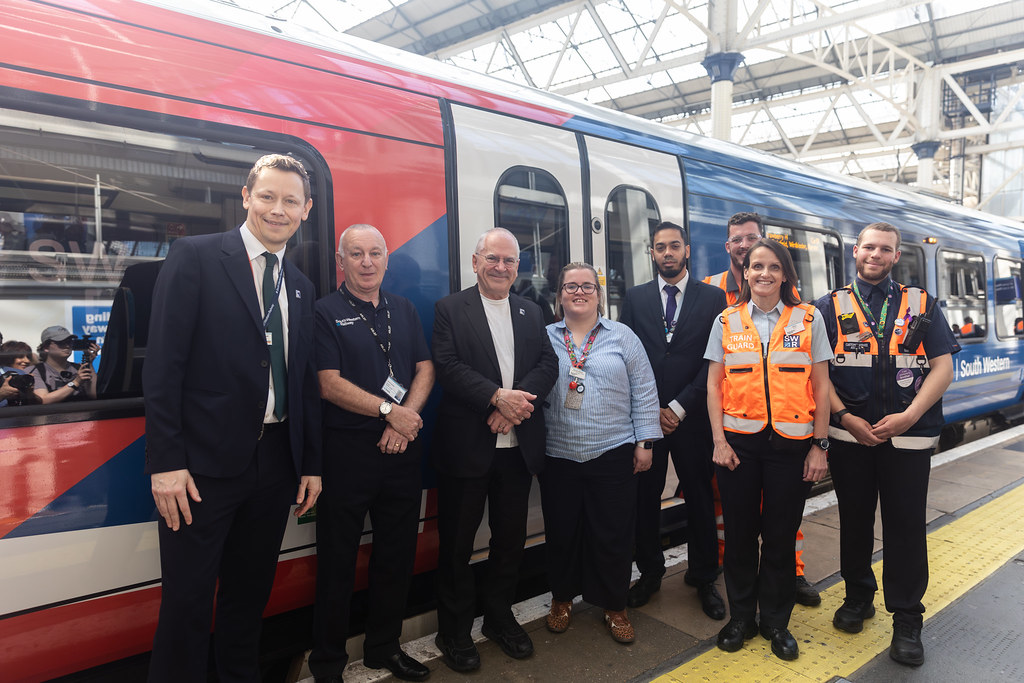
When the Labour Government was elected in 2024 and Lord Hendy was named Minister for State for Rail; he states that South Western Railway possessed 84 trains that were all relegated to remain in sidings because there were no drivers to drive them. The rail industry was unattractive, it was expensive and there seemed, at the time, to be no end in sight for the trouble that had plagued it for the best part of 35 years.
Now, with the formation of GBR and, additionally, the new Railways Bill, Britain’s railway is poised to be given the chance it’s been crying out for since that fateful decision in 1993. It won’t be simple, and it might get a little bit bumpy, but that final destination’s getting a little bit clearer – even if the outcome might still be a little bit murky.