One year after South Western Railway became the first train operator to move into public ownership under the Government’s rail reforms, passengers are beginning to see changes across parts of the network, particularly on suburban routes into London Waterloo station.
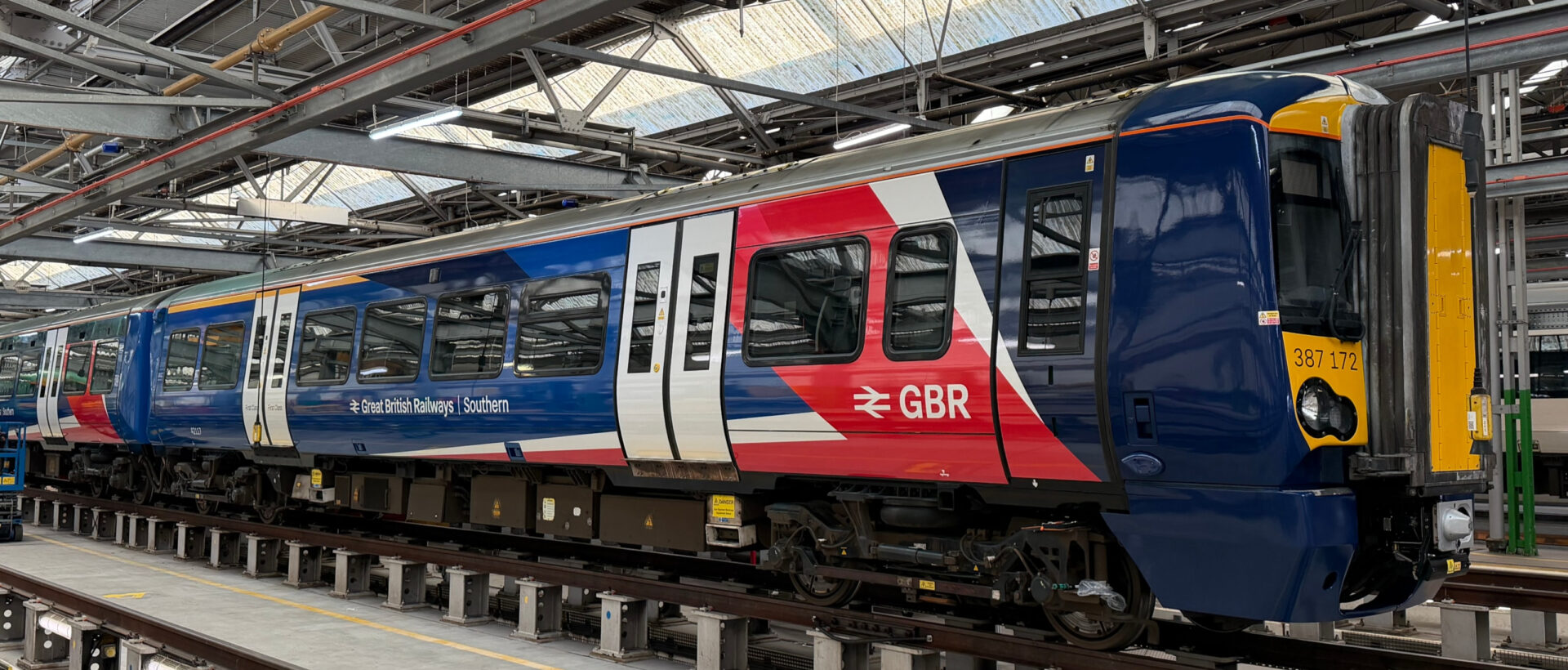
The UK Department for Transport notes that the most visible change has been the accelerated rollout of SWR’s Arterio fleet. Since May 2025, 39 additional Arterio trains have entered passenger service, bringing the total number in operation to 45. The trains are expected to replace older suburban stock entirely by early 2027.
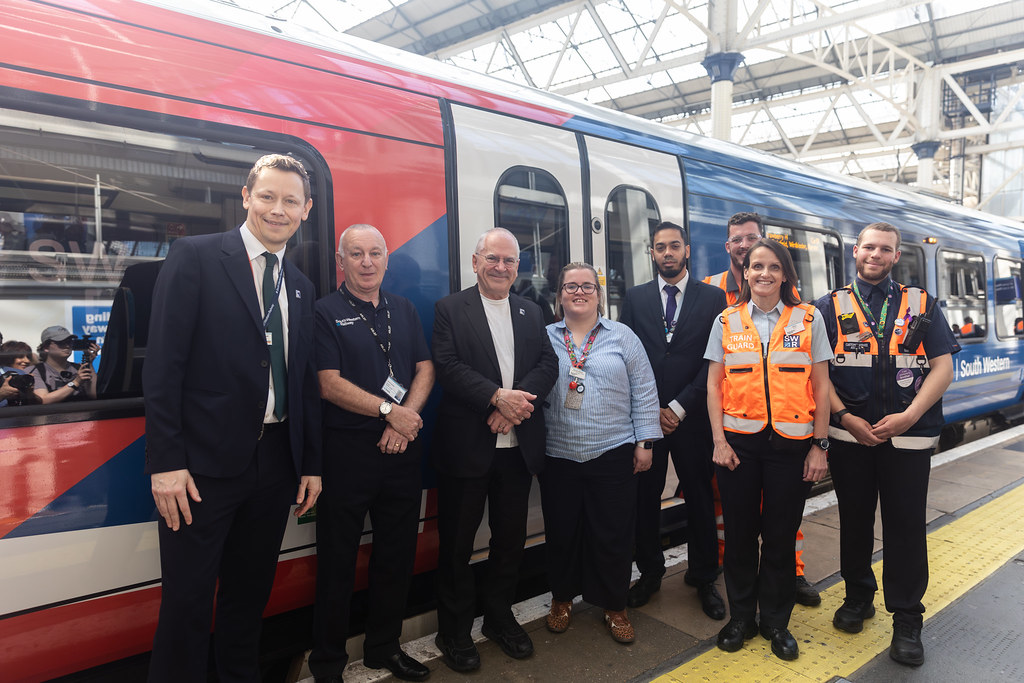
The increase in trains has expanded seating and standing capacity on suburban services into Waterloo by 27 percent. Some routes, including Windsor, Hampton Court and services via Ascot to Aldershot, have seen larger increases.
The new trains include air conditioning, charging points at every seat, onboard Wi-Fi, accessible toilets and live passenger information systems. SWR also says the trains can board passengers more quickly and reduce delays because of faster acceleration and braking.
Rail Minister Peter Hendy said:One year on from the first train operations entering public ownership, passengers are seeing and feeling the difference. Modern trains, more seats and greater capacity are restoring confidence in the railway and showing what can be achieved when we put passengers first rather than profit.
The rapid roll‑out of the South Western Railway Arterio fleet is a clear example of how nationalisation is cutting red tape that held the railway back for decades. These trains are transforming journeys for hundreds of thousands of people every day.
This milestone marks real progress towards a genuinely integrated railway under Great British Railways – a railway that’s improving and supporting economic growth, jobs and homes.
Alongside the fleet rollout, SWR has announced wider upgrades across its network. These include refurbishment work on the Class 158 and 159 diesel trains, installation of improved Wi-Fi systems using satellite technology and infrastructure projects with Network Rail.
However, despite ongoing investment, reliability problems and delays continue to affect passengers across the network. Overcrowding during peak hours also remains an issue on some routes, despite the introduction of higher-capacity trains.
Ageing Infrastructure
In May, a fault in the railway’s GSM-R communication system caused major disruption across southern England, with delays and cancellations affecting services from Waterloo. Separate signalling failures near Clapham Junction and Wimbledon also disrupted journeys in recent weeks, while fallen trees and infrastructure faults have continued to impact services during periods of poor weather.
These problems show the limitations of focusing on train operators, as many delays stem from ageing infrastructure rather than the trains themselves.
In acknowledgement of these issues, the government is investing in infrastructure schemes. This includes a 129 million GBP resignalling programme between Farncombe and Petersfield, and a 120 million GBP signalling replacement project in the Havant area. SWR is also introducing thermal imaging technology to detect track faults earlier and using drones during disruption incidents to improve operational responses.
Meanwhile, the operator is recruiting and training 144 new drivers this year in an effort to improve resilience and reduce the impact of disruption. A consultation on a revised timetable is also expected later in 2026.
The Government maintains that bringing operators under public control will reduce fragmentation across the rail system and improve coordination between infrastructure and train services as part of plans for Great British Railways.
Since SWR transferred into public ownership, c2c, Greater Anglia and WM Trains have also moved under Department for Transport control. Govia Thameslink Railway is expected to follow at the end of May, with Chiltern Railways and Great Western Railway due to transfer later this year.
For many passengers, the changes so far are most noticeable in the more efficient rollout of newer trains, providing increased capacity. Whether the reforms lead to broader improvements in reliability and punctuality across the network may become clearer over the next several years.