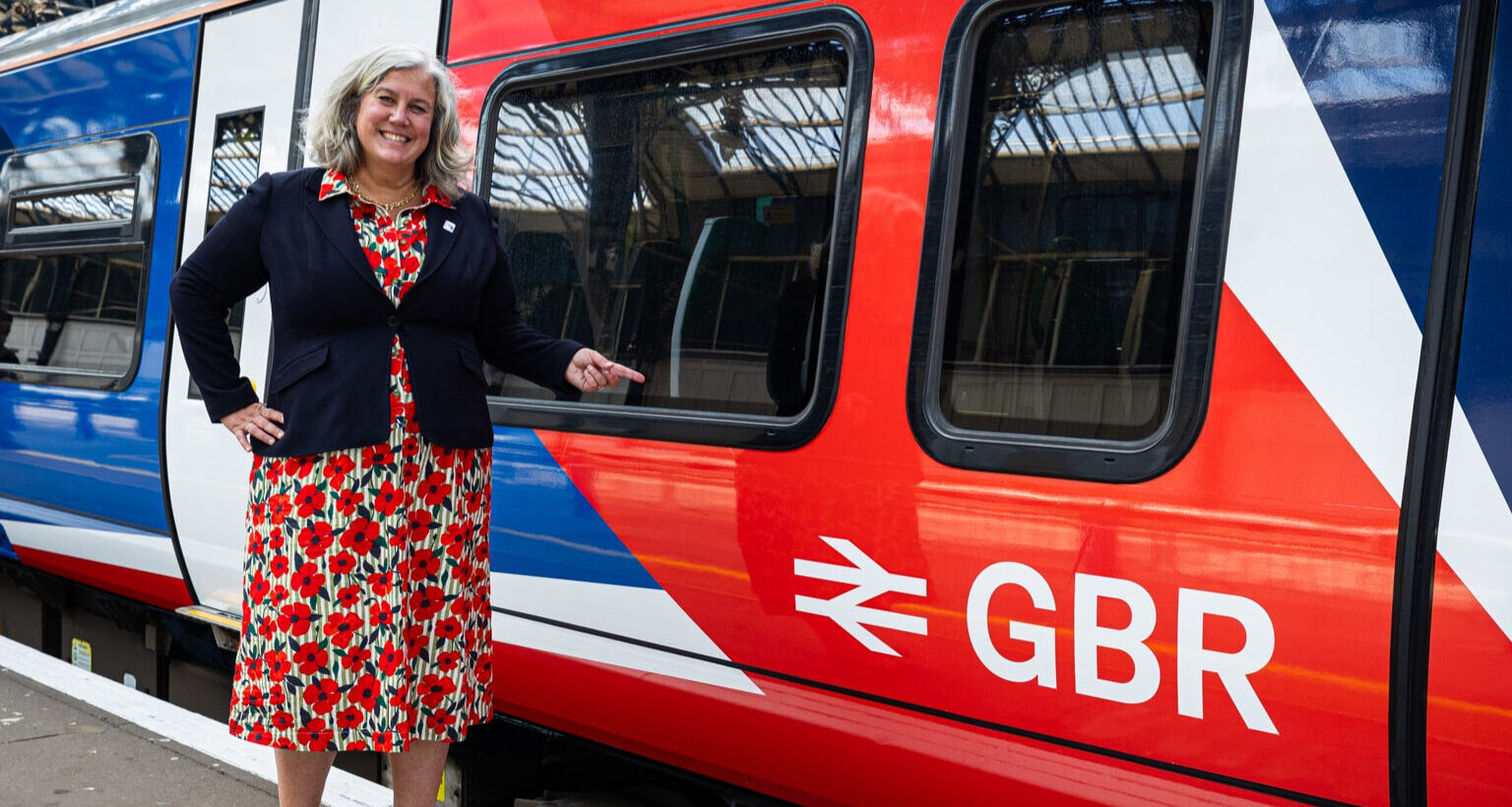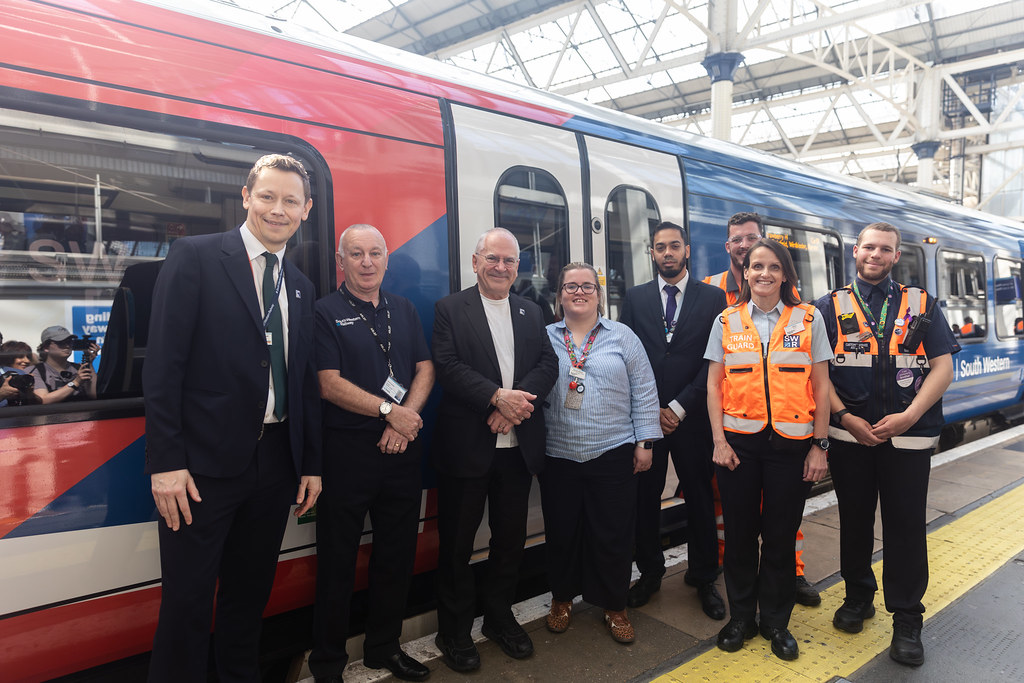
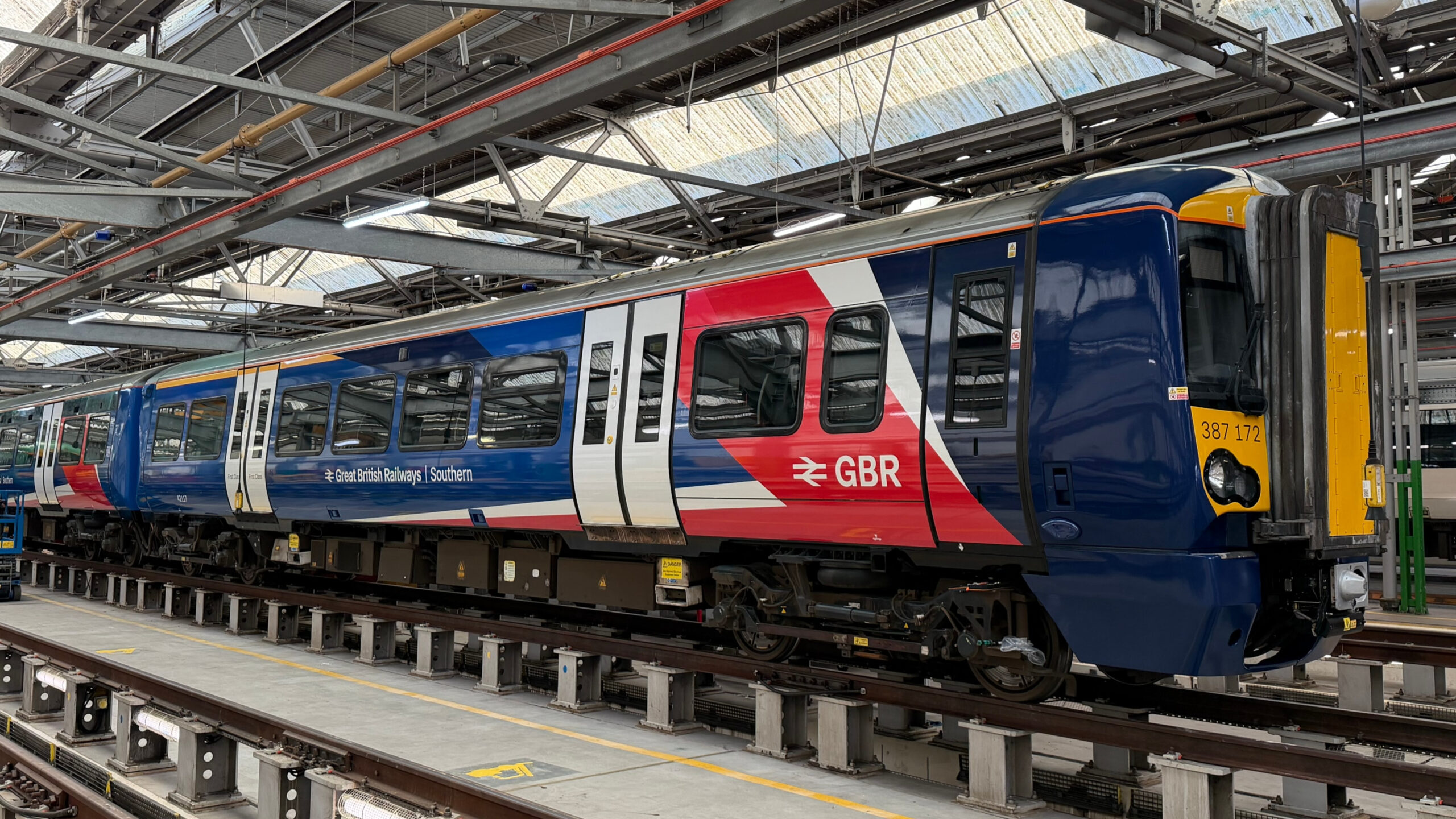
In a new report published by Campaign for Better Transport, senior figures with experience of British Rail have shared lessons that could help shape the future of Great British Railways (GBR).
The report, Track Record: What Great British Railways can learn from British Rail, draws on discussions between former British Rail leaders and current rail industry figures as the Government progresses plans to establish GBR as the new public body responsible for Britain’s rail network.
Campaign for Better Transport organised two roundtable events to gather insights on the topic. One involved senior figures who worked within British Rail during key periods of change, while the second brought together current and emerging rail sector leaders to examine the relevance of those experiences today.
Ben Plowden, Chief Executive of Campaign for Better Transport, said:Our roundtable participants had decades of experience in British Rail from the frontline to the boardroom and an extraordinary wealth of first-hand knowledge to share. That knowledge can and should be harnessed to maximise the success of Great British Railways. Much has changed since British Rail’s days, but many of the same key challenges remain – from operating with constrained funding, to recruiting staff and fostering their talent, to embracing and scaling up new technologies, all while managing the needs of a plethora of stakeholders and making sure the trains run on time.
British Rail operated most rail services in Great Britain between 1948 and 1997. The report argues that, despite significant changes in technology, passenger expectations and industry structure, some of the challenges faced by the railway remain consistent.
The report identifies five key observations for those responsible for developing and leading the new organisation.
1. Building a culture that can adapt
GBR should be designed to evolve over time, rather than operating according to a fixed model. The report suggests that establishing a clear organisational culture and long-term vision from the outset will be important as the railway responds to changing political, financial and customer demands.
Roundtable participants also highlighted the importance of the government providing clear objectives for the industry, with decisions throughout the organisation aligned to those goals.
2. Balancing national oversight with local decision-making
The report argues that decisions affecting passengers and freight customers should be made as close as possible to the point of service delivery.
At the same time, it notes that a nationally integrated railway requires central coordination to manage network-wide priorities and ensure consistency. Participants described the challenge as finding the right balance between local flexibility and national oversight.
3. Managing competing priorities
According to the report, tensions between different objectives and stakeholder interests are likely to remain a feature of railway management.
Participants said GBR should adopt transparent processes for explaining how decisions are made and how competing priorities are balanced, recognising that not all stakeholders will agree with every outcome.
4. Developing future talent
The report highlights concerns about skills development within the rail sector. Many former British Rail employees who took part in the discussions began their careers in frontline operational roles before progressing through structured training and management programmes.
Participants said industry fragmentation in recent decades has reduced opportunities for staff to gain experience across different parts of the railway system. The report suggests GBR should invest in career development and strengthen recruitment efforts.
It also points to the need to improve workforce diversity. Women currently account for around 19 percent of the rail sector workforce, according to the report.
5. Expanding the use of innovation
The report concludes that the rail industry already has access to many of the technologies and operational practices likely to influence its future development.
Rather than focusing solely on new inventions, participants argued that greater attention should be given to implementing proven innovations across the network. The report states that successful pilot projects often fail to be adopted at scale, limiting their wider impact.
Rail Reform
Britain’s railways are undergoing significant structural reform, with Great British Railways expected to bring track and train operations together under a single publicly owned organisation.
Campaign for Better Transport said the experiences of former British Rail leaders offer practical insights that could help inform the transition and support the development of the new body as it takes shape.