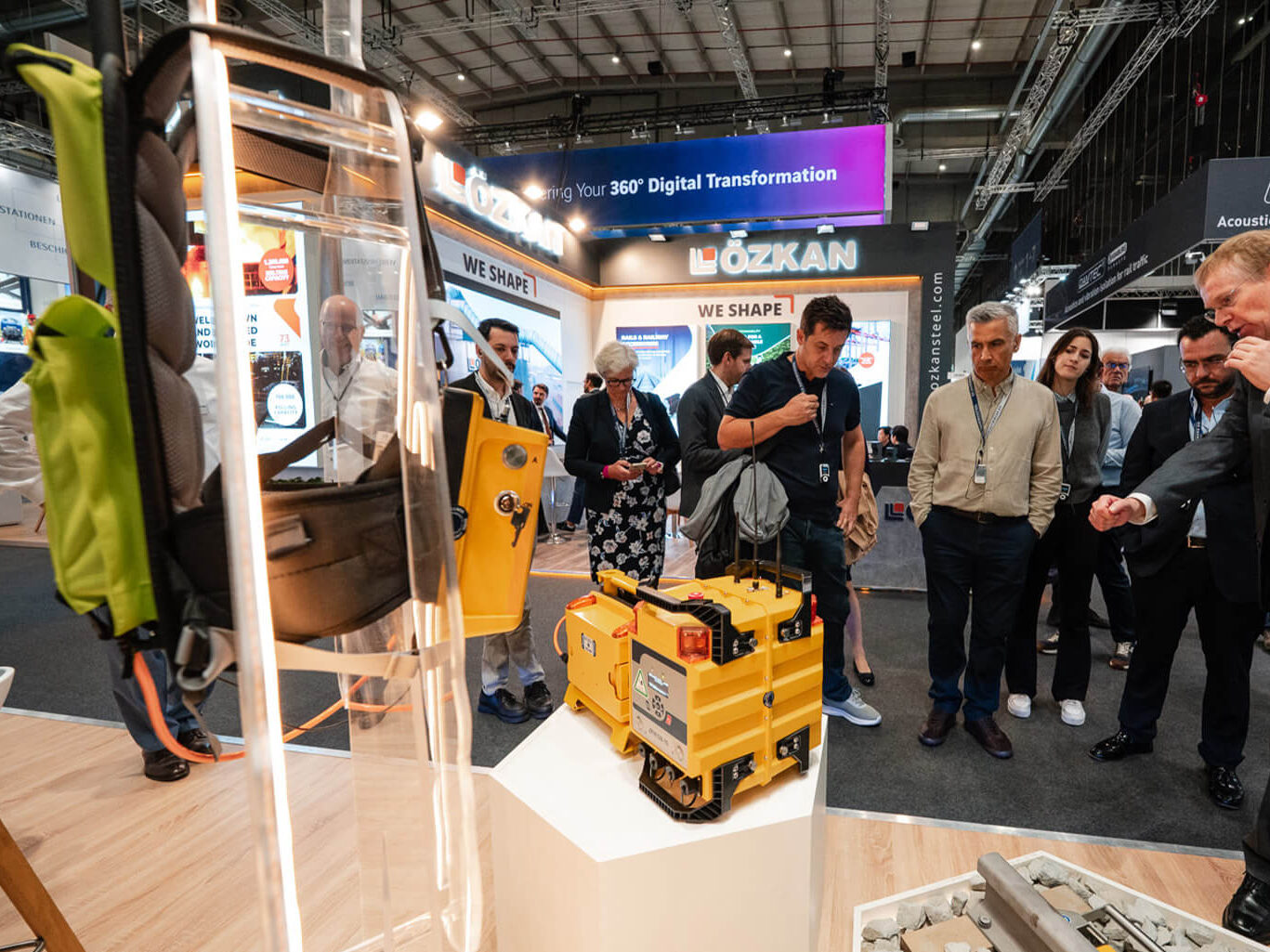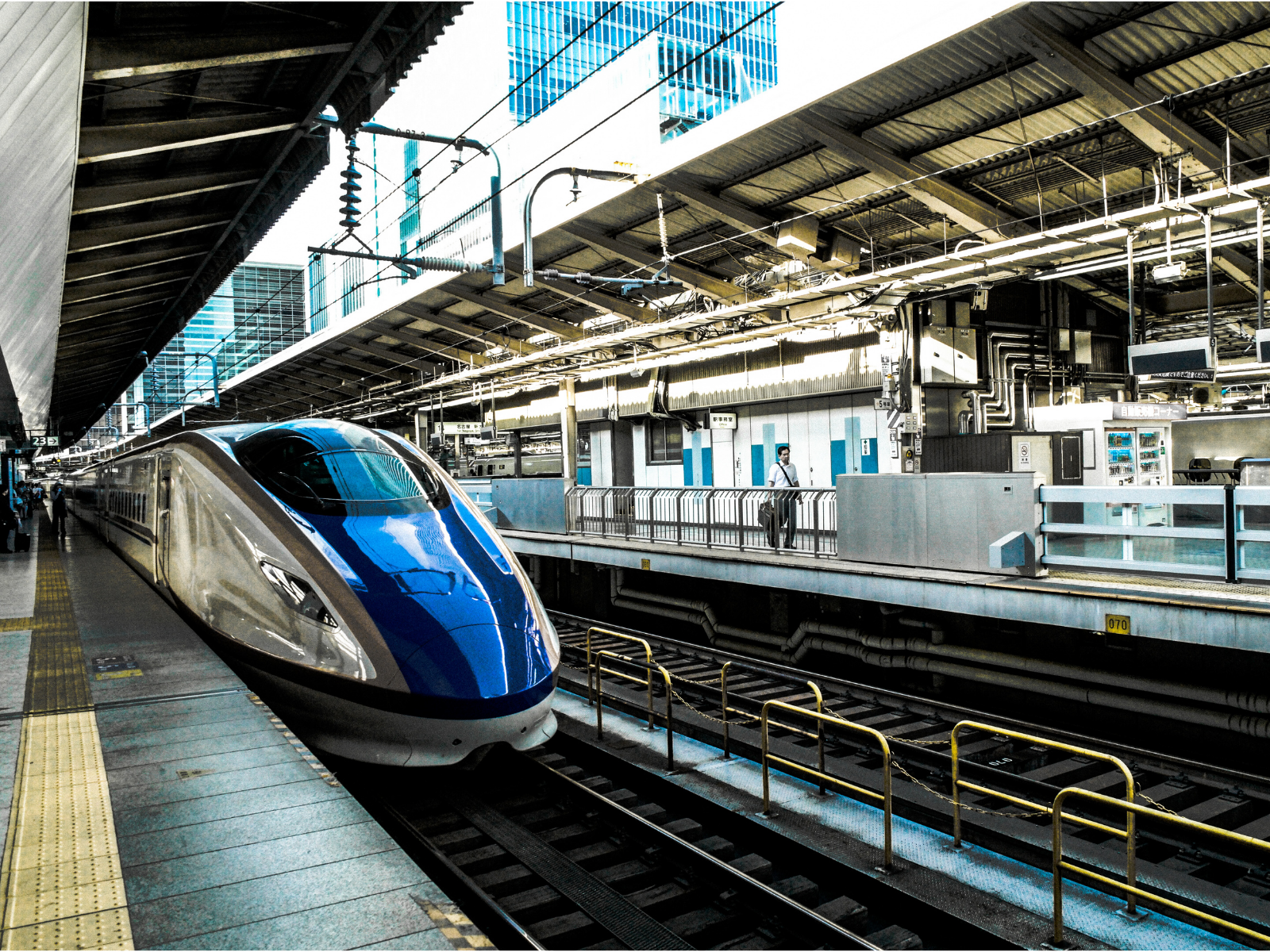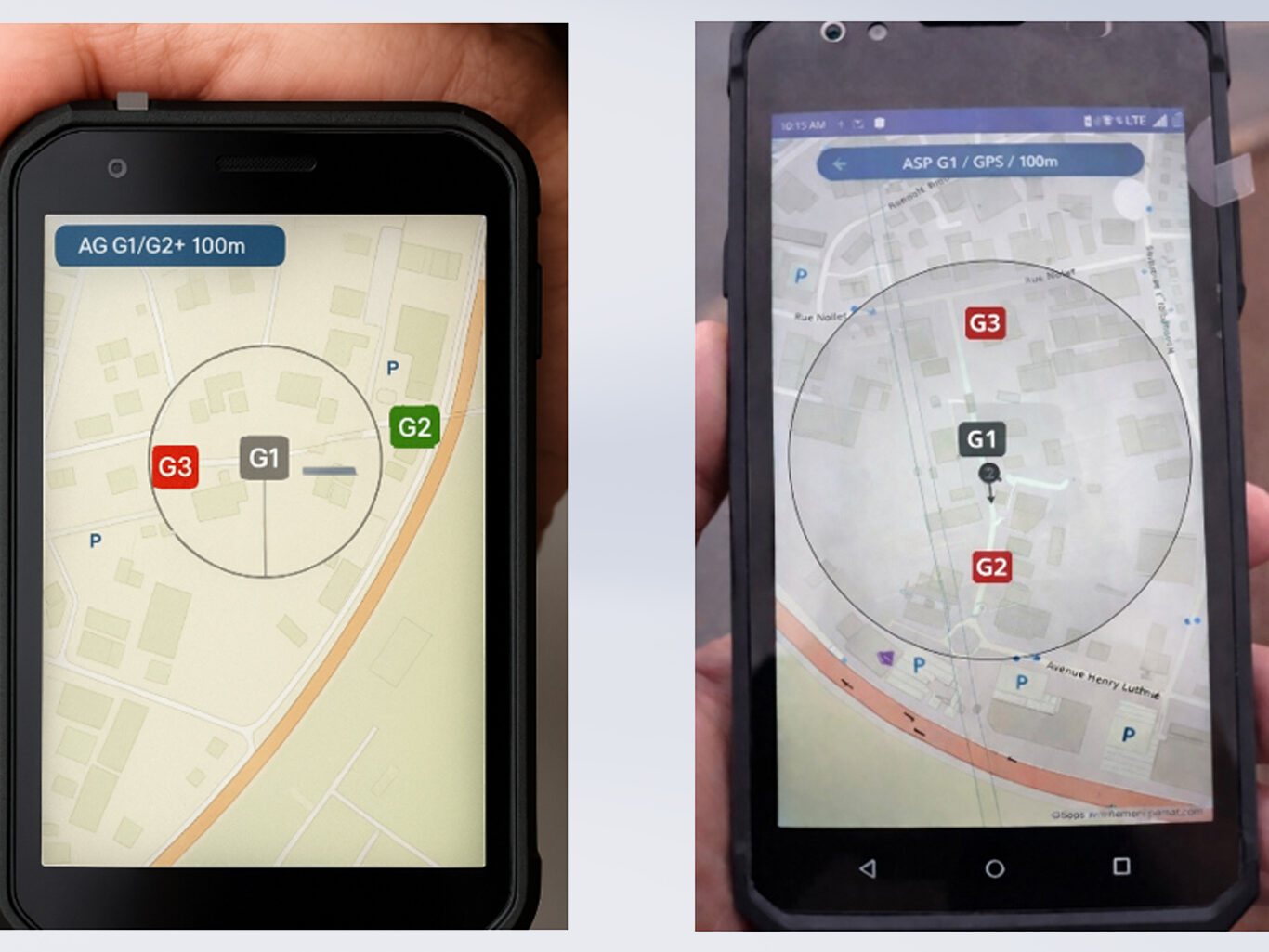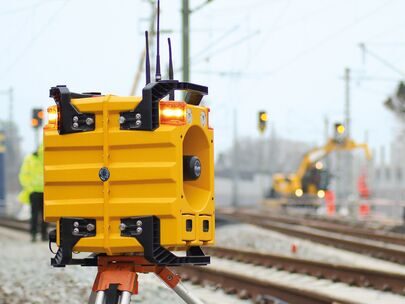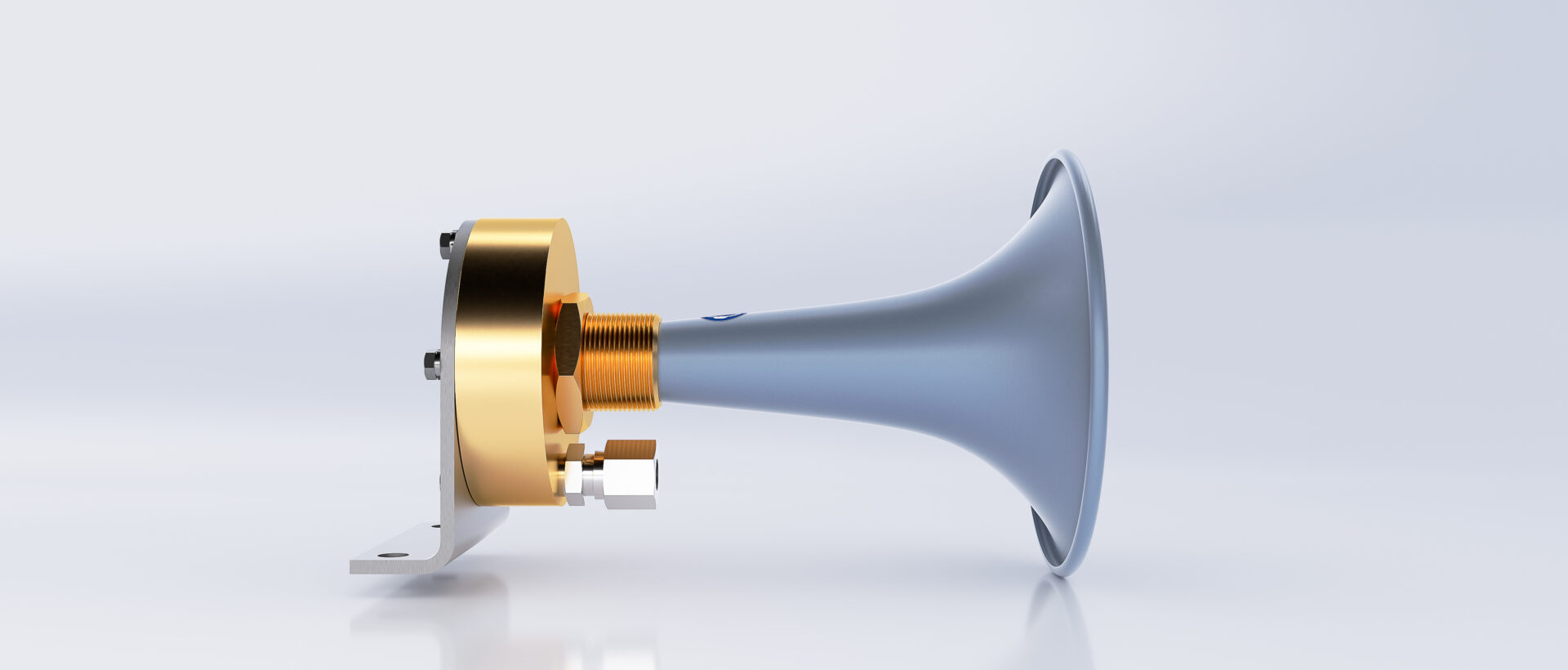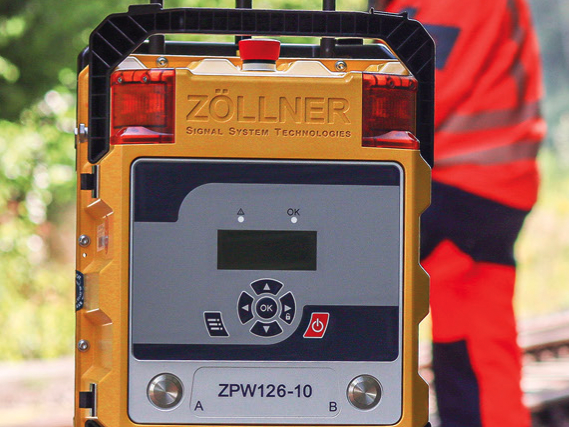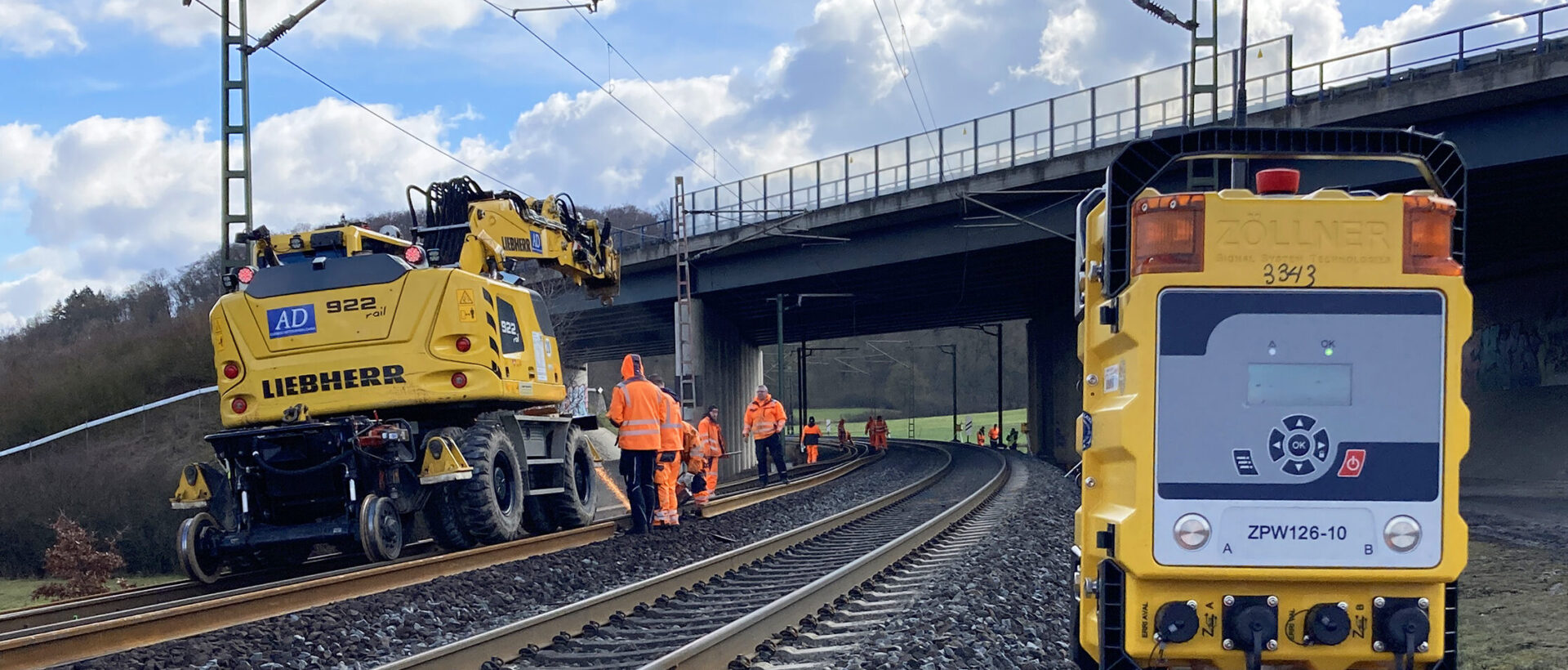
With SNCF’s approval of the F500 train detector, new opportunities are opening up for the MRWS. Thanks to its inductive detection technology, the F500 can detect trains traveling at speeds of up to 300 km/h, significantly expanding the range of applications for the MRWS.
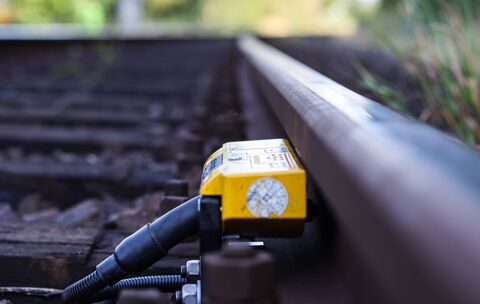
F500-SEN Train Detector
The F500-SEN inductive train detector features a redundant design and is ideally suited for high-speed rail lines. A single sensor is sufficient to provide train detection in compliance with the SIL 4 safety integrity level.
Thanks to its non-contact detection principle, the F500-SEN operates without wear and does not require the maintenance associated with electromechanical detectors. Its quick and straightforward installation makes it a particularly cost-effective solution for short-term work sites. In addition, its compact design allows for easy installation even in confined spaces.
The F500-AB connection box reliably processes and transmits data from the F500-SEN train detector to the ZFS transmitter unit. Its intuitive One Touch calibration, performed outside the danger zone, helps reduce commissioning time and simplifies system setup.
One System, Many Possible Applications
The ZÖLLNER mobile radio warning system MRWS is highly versatile and can be flexibly adapted to a wide range of railway worksite configurations. With the approval of the inductive F500 train detector, its application possibilities have been expanded even further. Thanks to its non-contact train detection technology, which operates independently of wheel contact, the F500 can be used on high-speed lines, enabling the MRWS to be deployed in even more demanding environments.
As a result, the ZÖLLNER MRWS provides an ideal solution for ensuring maximum safety for personnel working on railway infrastructure projects, including fixed, moving and mobile worksites, track renewals, rail renewals, track and ballast renewals, turnout renewals, regeneration projects, and high-output track renewal operations.
Find examples of possible applications here
This article was originally published by ZÖLLNER.