Engineering More Predictable Railway Performance
As railway networks evolve to accommodate higher traffic volumes, heavier axle loads and increasingly demanding environmental conditions, infrastructure managers face a common challenge: delivering long-term track performance while reducing maintenance needs, controlling noise and vibration, and improving sustainability. Achieving these objectives requires more than robust track design, it demands materials capable of maintaining consistent mechanical behaviour throughout decades of service.
For more than 150 years, Amorim has transformed cork into high-performance engineered solutions across multiple industries, including construction, aerospace, mobility, energy, sealing and railway infrastructure. Within Amorim Cork Solutions (ACS), decades of material science have shaped advanced cork composites for some of the world’s most demanding applications. ACS expanded into railway infrastructure almost 30 years ago, applying the same proven material expertise to create a comprehensive portfolio of resilient solutions for heavy rail, metro and light rail systems.
Today, with manufacturing facilities in Portugal and in the USA, the company combines advanced engineering with flexible production capabilities to support railway projects worldwide. This dual manufacturing footprint enhances supply chain resilience, shortens lead times and enables efficient customer support across global markets.
Engineering Materials for Modern Railway Infrastructure
Resilient components such as rail pads, baseplate pads, under ballast mats, floating slab mats and precast slab mats play a key role in optimising load distribution, controlling track stiffness and reducing the transmission of noise and vibration throughout the infrastructure.
Modern railway materials are expected to withstand millions of loading cycles while maintaining stable mechanical properties despite changing temperatures, humidity and operational conditions. In today’s railway infrastructure, long-term predictability has become just as important as initial performance.
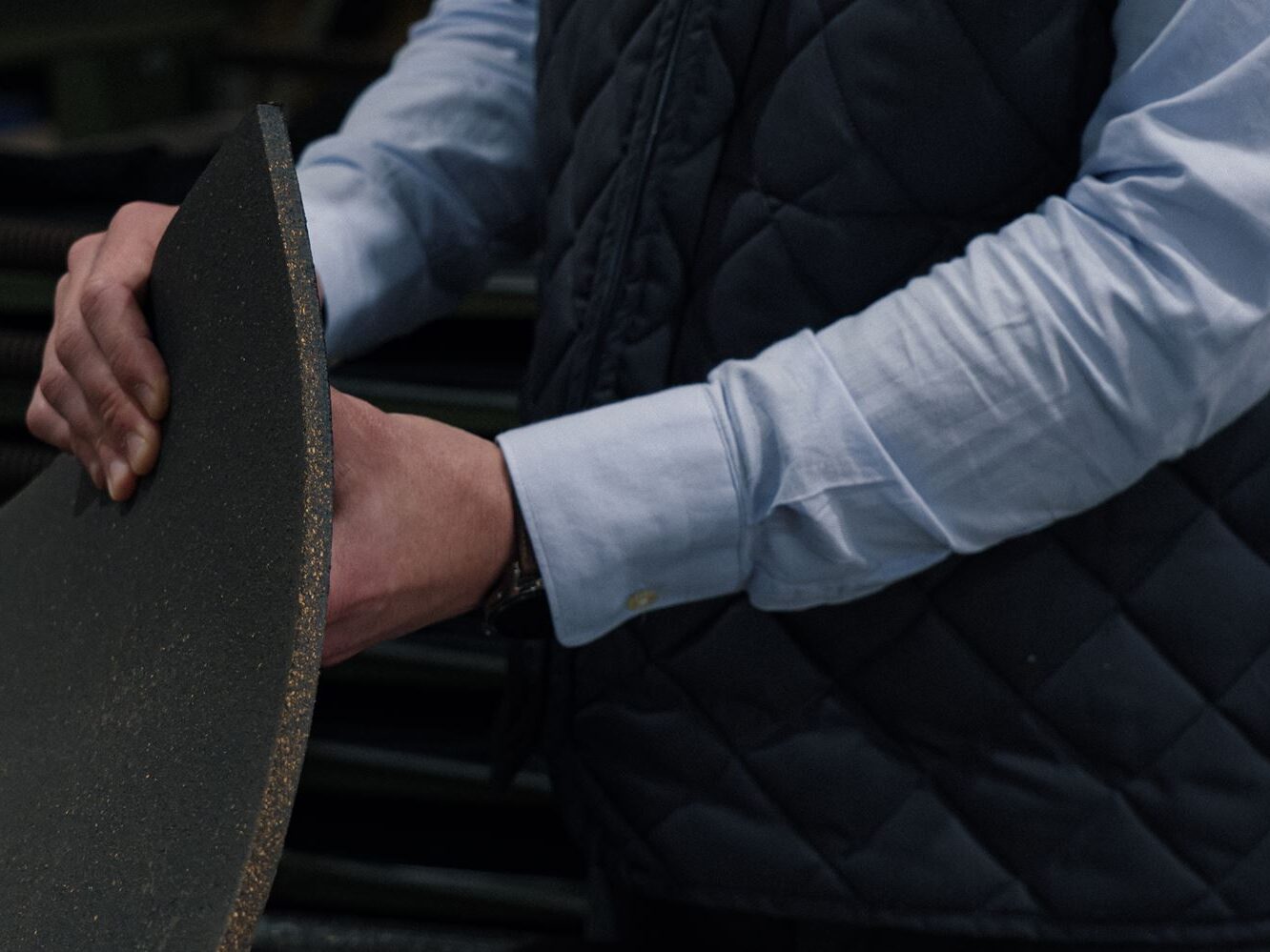
At Amorim Cork Solutions, this philosophy has guided the development of a complete portfolio of cork-rubber and other resilient solutions engineered to deliver reliable behaviour throughout the service life of the infrastructure. By combining the natural cellular structure of cork with advanced elastomer materials, these materials provide an optimal balance between elasticity, damping capacity, fatigue resistance and long-term dimensional stability.
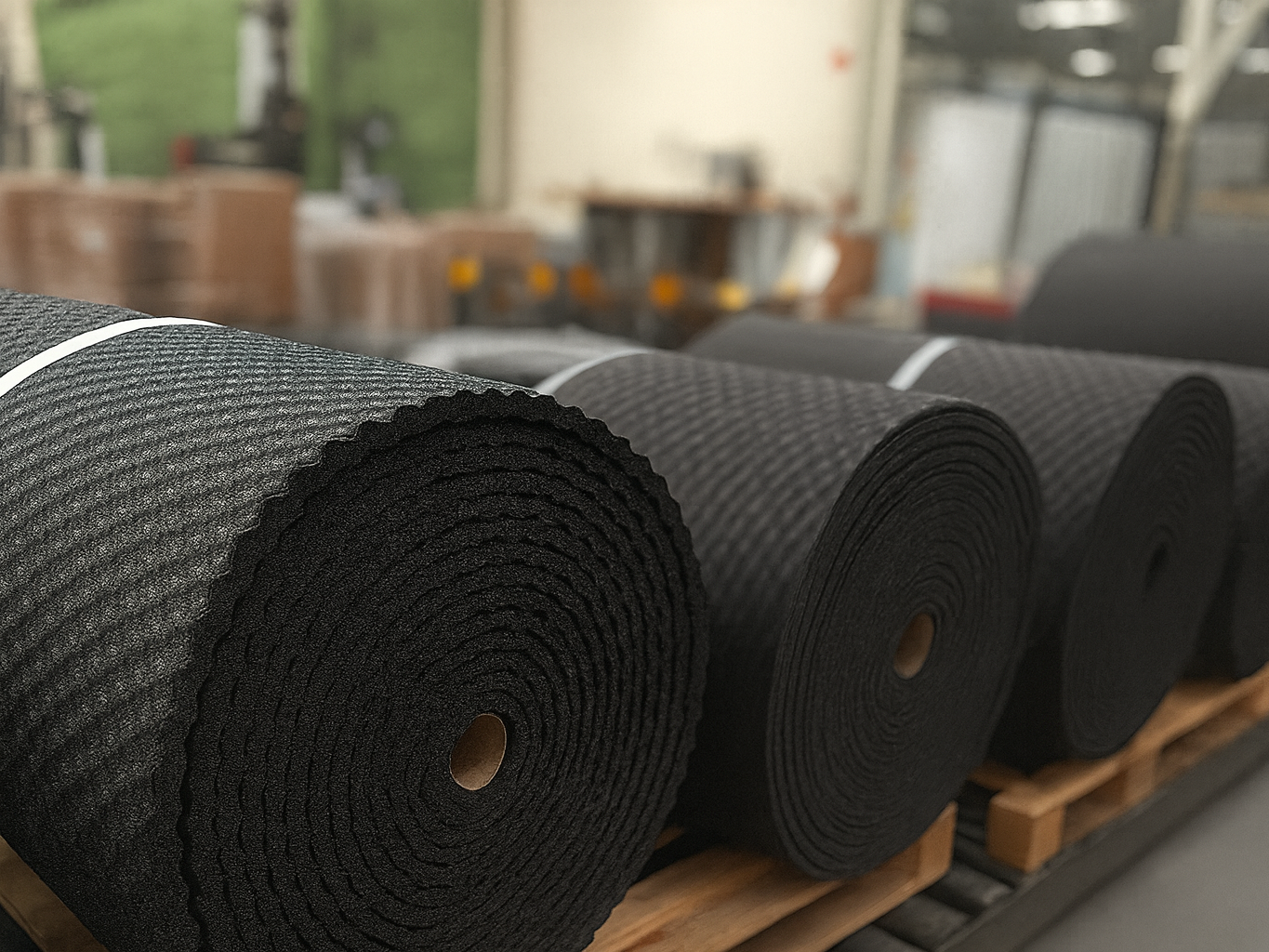
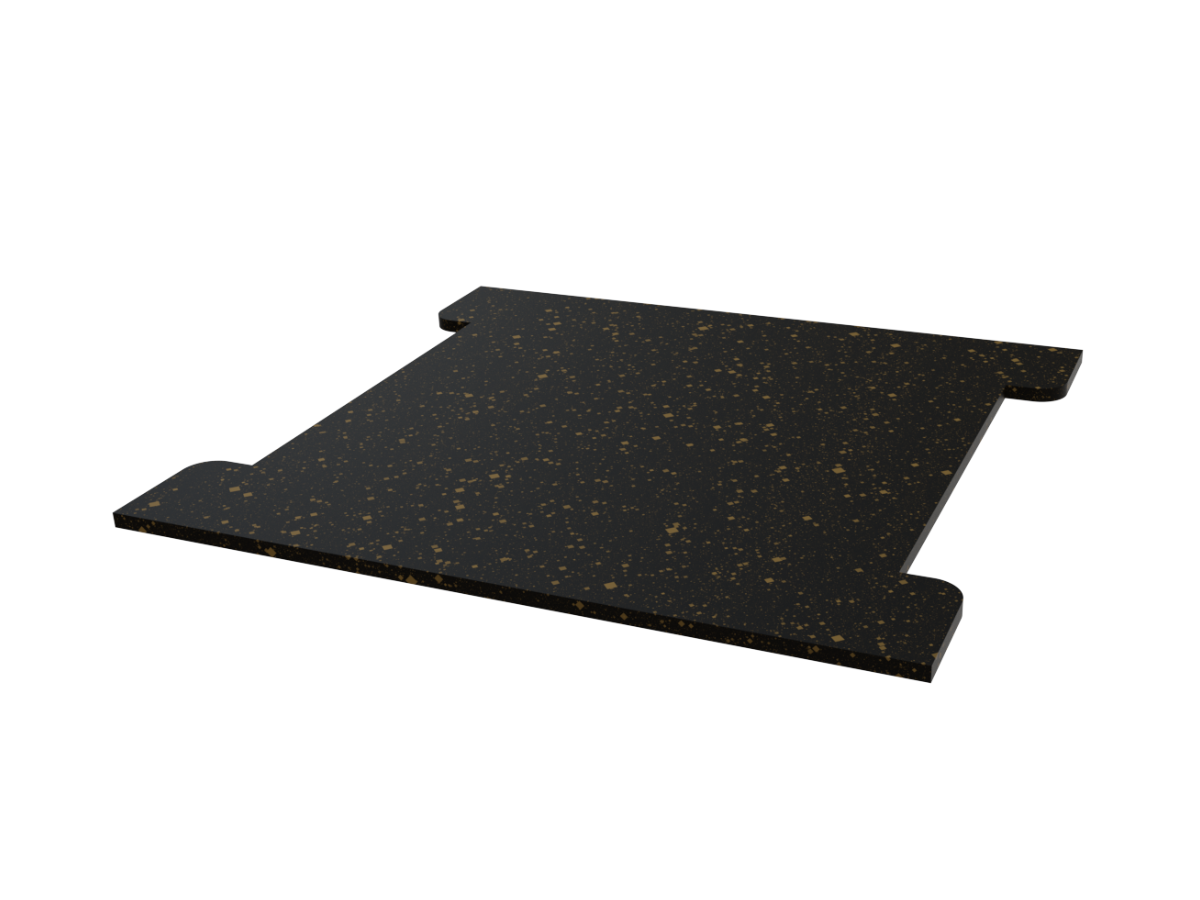
To meet the diverse requirements of modern railway infrastructure, components are manufactured in multiple formats – including sheets, rolls, blocks and cylinders – and can be customised to suit specific project requirements.
Cork-Rubber Rail Pads and Baseplate Pads
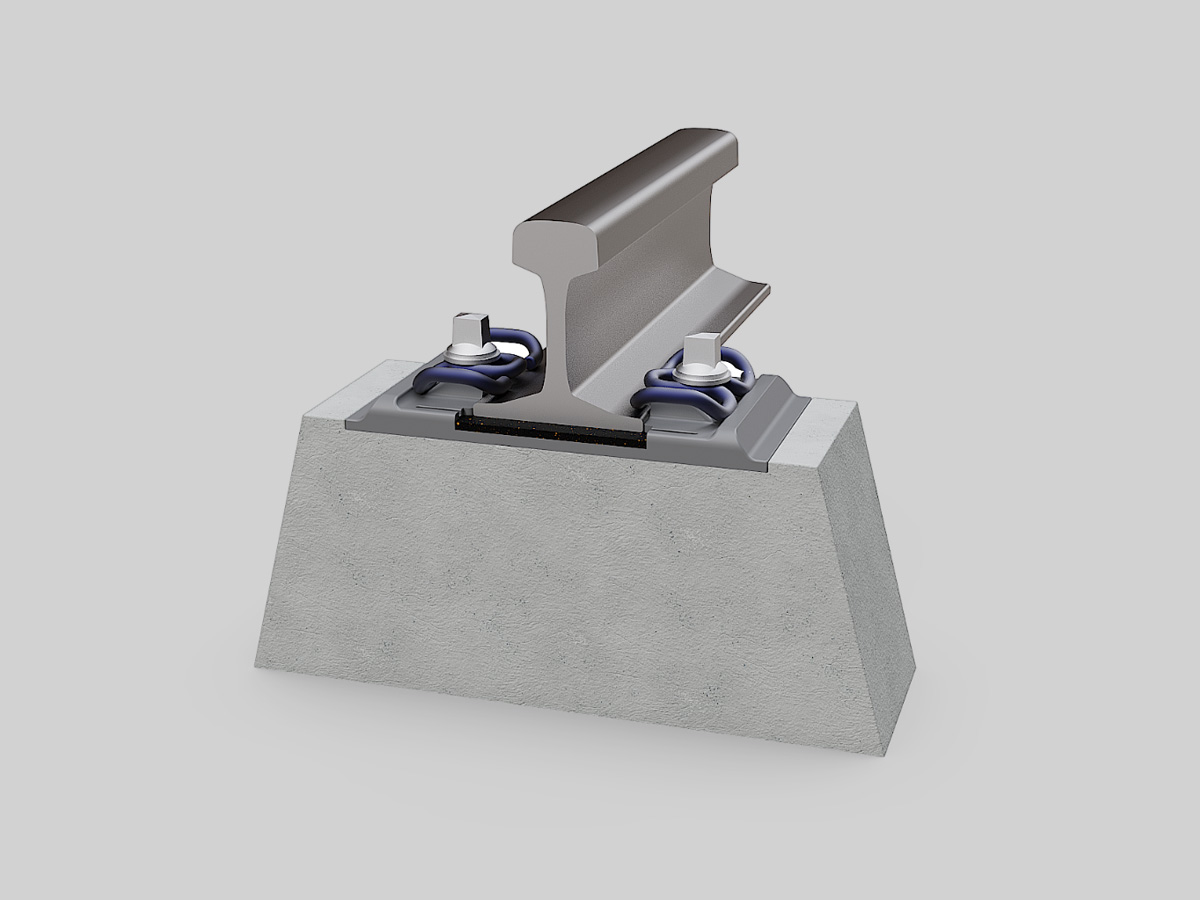
Rail pads and baseplate pads are fundamental resilient components within the railway fastening system, designed to optimise load transfer, control track stiffness and reduce the transmission of vibration and structure-borne noise. Installed directly beneath the rail and the fastening assembly, they help protect both the superstructure and supporting infrastructure from dynamic loads while contributing to longer service life and improved ride comfort.
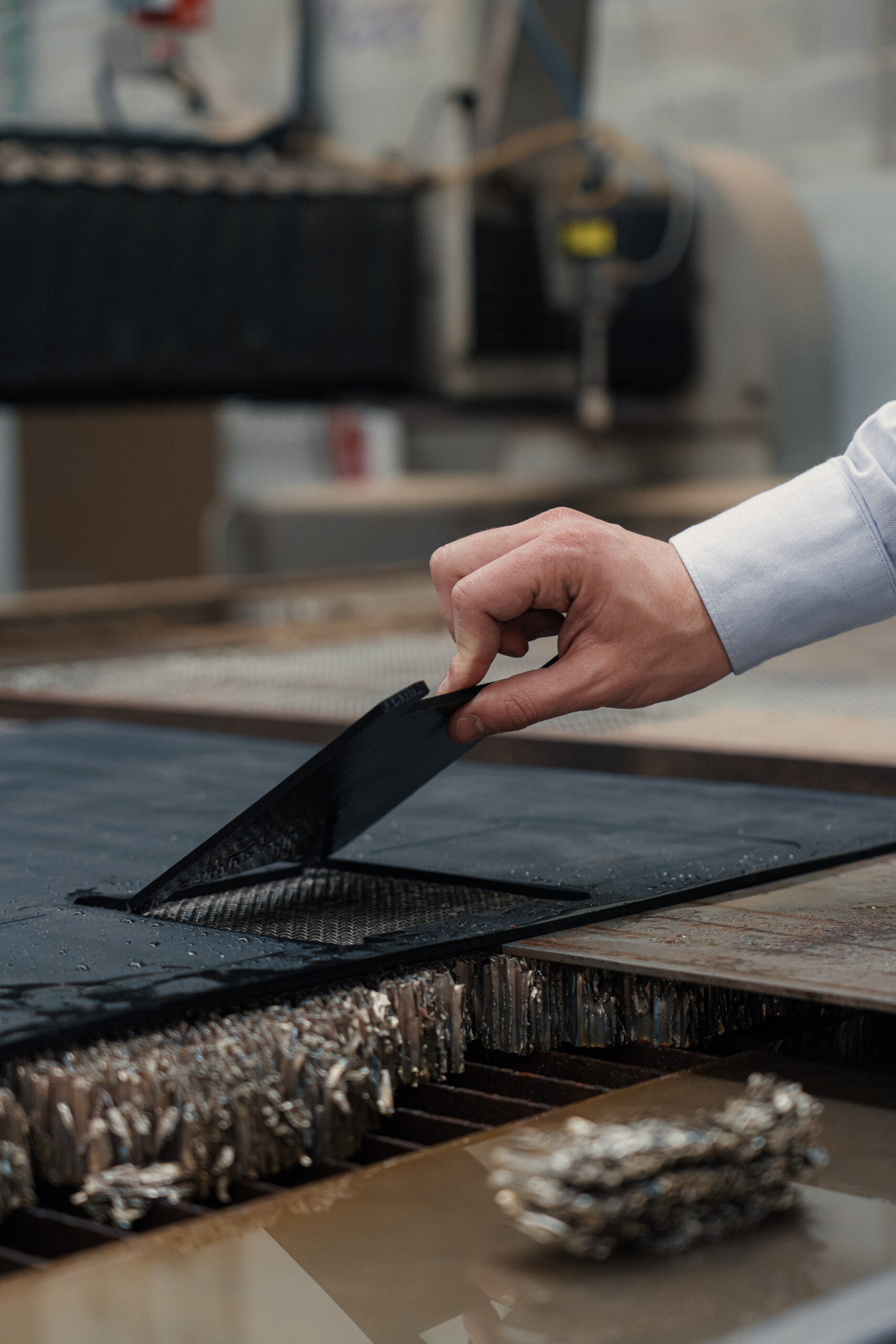
Amorim Cork Solutions has developed an extensive portfolio of cork-rubber rail pads and baseplate pads (from VC91 to VC96) engineered to accommodate a wide range of stiffness requirements, axle loads and operating conditions. Combining cork’s natural damping capacity, low density and elastic recovery with the mechanical strength of rubber compounds, delivering reliable performance under demanding railway environments.
Designed for both heavy rail and urban transit applications, the portfolio includes standard references as well as fully customised solutions manufactured through advanced CNC machining and waterjet cutting. This flexibility enables the production of complex geometries and project-specific components that integrate seamlessly with different fastening systems and infrastructure designs.
Engineered to withstand millions of loading cycles, cork-rubber pads offer excellent fatigue resistance and maintain stable mechanical behaviour despite temperature fluctuations and changing environmental conditions. Their ability to preserve consistent stiffness over time contributes to predictable wheel-rail interaction, effective vibration attenuation and reliable long-term infrastructure performance.
Performance is verified through internationally recognised testing methodologies applicable to resilient elements within railway fastening systems, ensuring compliance with project specifications while providing engineers with confidence in long-term operational behaviour.
Predictable Performance Under Changing Temperatures
Research (1) evaluating the influence of temperature on rail pad performance has shown that cork-rubber composites maintain a more consistent mechanical response than conventional rubber alternatives across varying operating temperatures. As temperature changes, the stiffness and damping characteristics of rail pads also change, directly influencing vibration transmission, wheel-rail interaction and, ultimately, rolling noise.
Comparative studies indicate that, while both rubber and cork-rubber rail pads are affected by temperature, cork-rubber composites provide greater stability throughout the operating range of −20 °C to +40 °C. Their ability to maintain higher stiffness at elevated temperatures, combined with improved damping around transitional temperatures, contributes to more consistent acoustic performance under changing environmental conditions.
For railway engineers and infrastructure managers, this translates into a more predictable track system. By reducing the influence of temperature on rail pad behaviour, cork-rubber composites help minimise seasonal variations in rolling noise while supporting stable track dynamics and long-term operational performance.
Under Ballast Mats and Floating Slab Mats
Installed beneath the ballast, Under Ballast Mats distribute loads more uniformly, reduce ballast degradation and help preserve track geometry under repeated traffic loading. Their resilient behaviour mitigates dynamic stresses transmitted to the substructure while contributing to lower maintenance requirements and improved long-term track performance.
Floating Slab Mats are designed for applications where higher levels of vibration isolation are required, particularly in metro systems, tunnels and densely populated urban environments. Positioned beneath the concrete slab, they effectively decouple the track structure from the surrounding environment, significantly reducing the transmission of vibration and structure-borne noise to adjacent buildings and sensitive facilities.
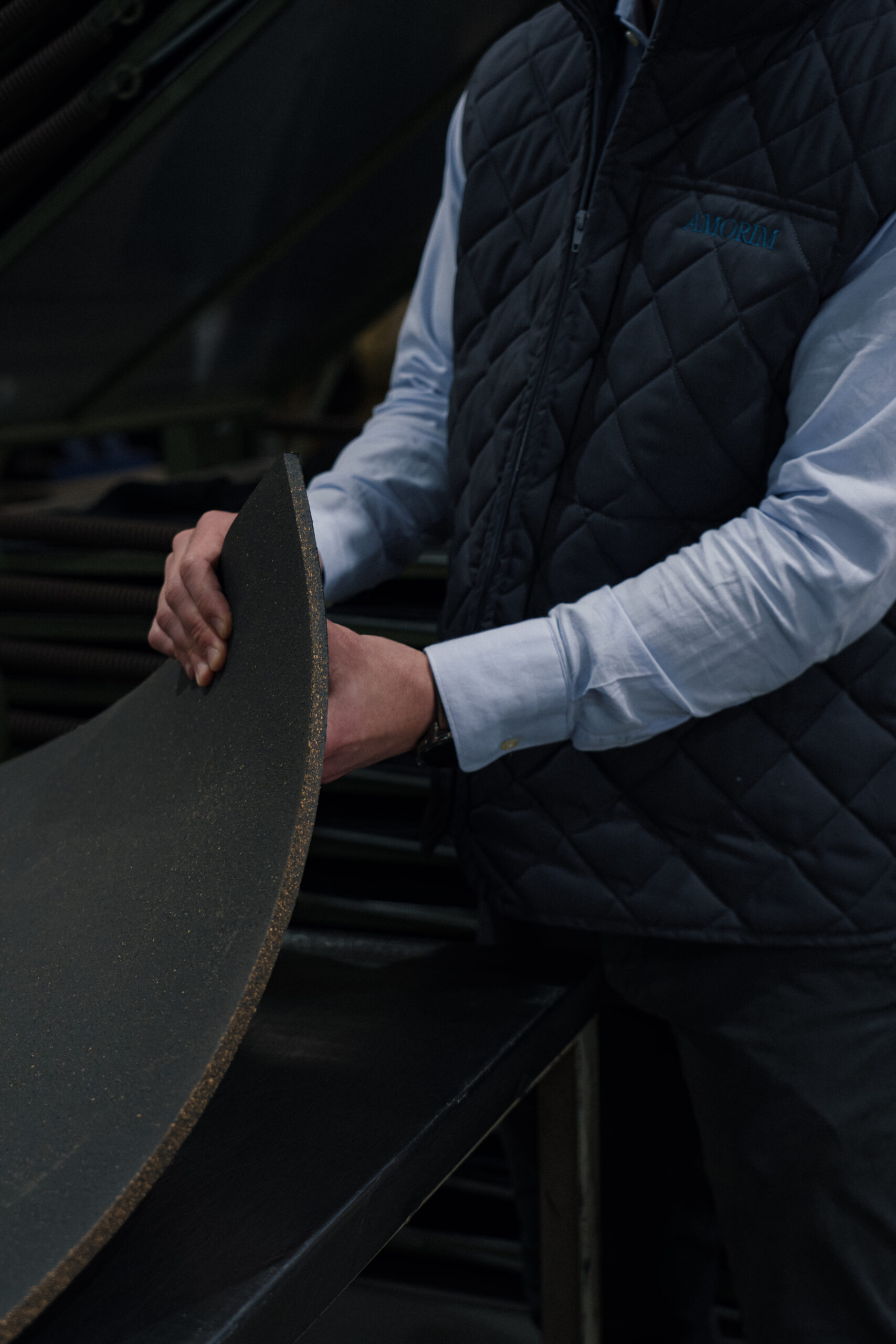
To meet the specific requirements of each project, Amorim Cork Solutions manufactures UBMs and FSMs in customised roll lengths and widths, optimising material yield while reducing installation time and on-site waste. Solutions are available in both flat and profiled (wavy) configurations, enabling engineers to select the geometry best suited to the track interface and required dynamic behaviour. These engineered surface profiles improve contact conditions between interfaces, contributing to optimised vibration attenuation and overall system performance.
Both solutions are characterised according to internationally recognised standards. Under Ballast Mats are tested in accordance with EN 17282 and DIN 45673-5, while Floating Slab Mats are characterised according to the EN 17682 and DIN 45673-7 series, providing engineers with verified mechanical and dynamic performance data for accurate project specification.
Moreover, to support more informed specification decisions, Amorim Cork Solutions provides independently verified Environmental Product Declaration (EPD) for its Under Ballast Mats and Floating Slab Mats. Developed in accordance with ISO 14025 and EN 15804, this EPD provides transparent, third-party verified life-cycle assessment data, enabling infrastructure managers, designers and contractors to incorporate environmental performance into procurement and project evaluation while maintaining the highest engineering standards.
Engineering Support Through the Track Design Assistant (TDA)
Selecting the appropriate resilient solution requires more than choosing a stiffness value. Every railway project presents a unique combination of track configuration, vehicle characteristics, operational loads and acoustic performance requirements.
To support this process, Amorim Cork Solutions, in collaboration with the Institute for Sustainable Construction (ICS) at the Faculty of Engineering of the University of Porto (FEUP), developed the Track Design Assistant (TDA) – an engineering tool designed to optimise the specification of Under Ballast Mats (UBMs) and Floating Slab Mats (FSMs) from the earliest design stages. By combining project-specific parameters, such as vehicle type and track characteristics, the tool predicts key performance indicators including insertion loss, maximum rail deflection and the natural frequency of the track system. Based on these results, engineers can identify the most suitable UBM or FSM solution for each application, ensuring the required vibration and noise mitigation performance while avoiding unnecessary over-specification of the system.
Squicciarini, G., Thompson, D.J., Toward, M.G.R. & Cottrell, R.A. (2015). The effect of temperature on railway rolling noise. Proceedings of the Institution of Mechanical Engineers, Part F: Journal of Rail and Rapid Transit, 229(6), 627–639. DOI: 10.1177/0954409715614337