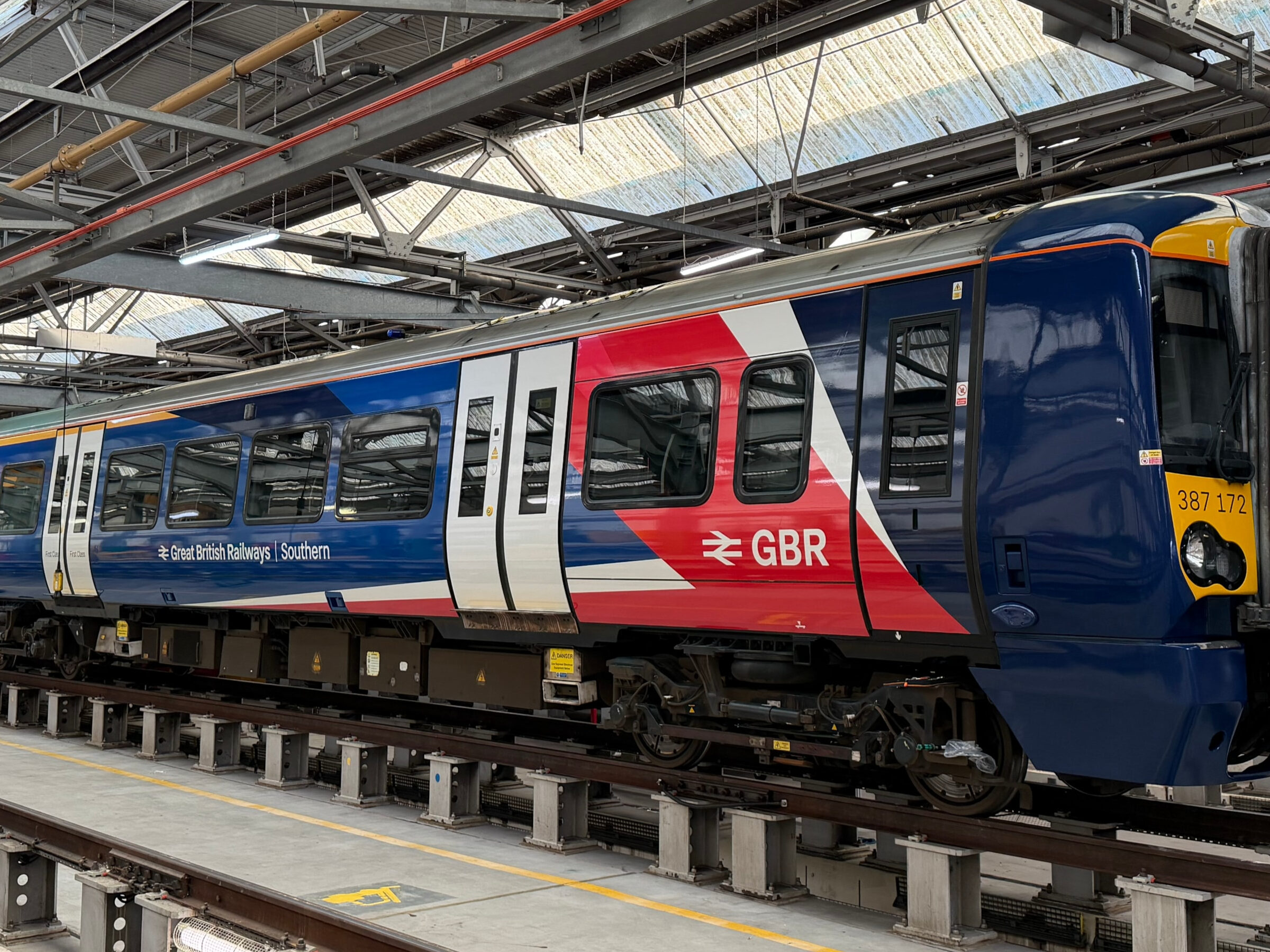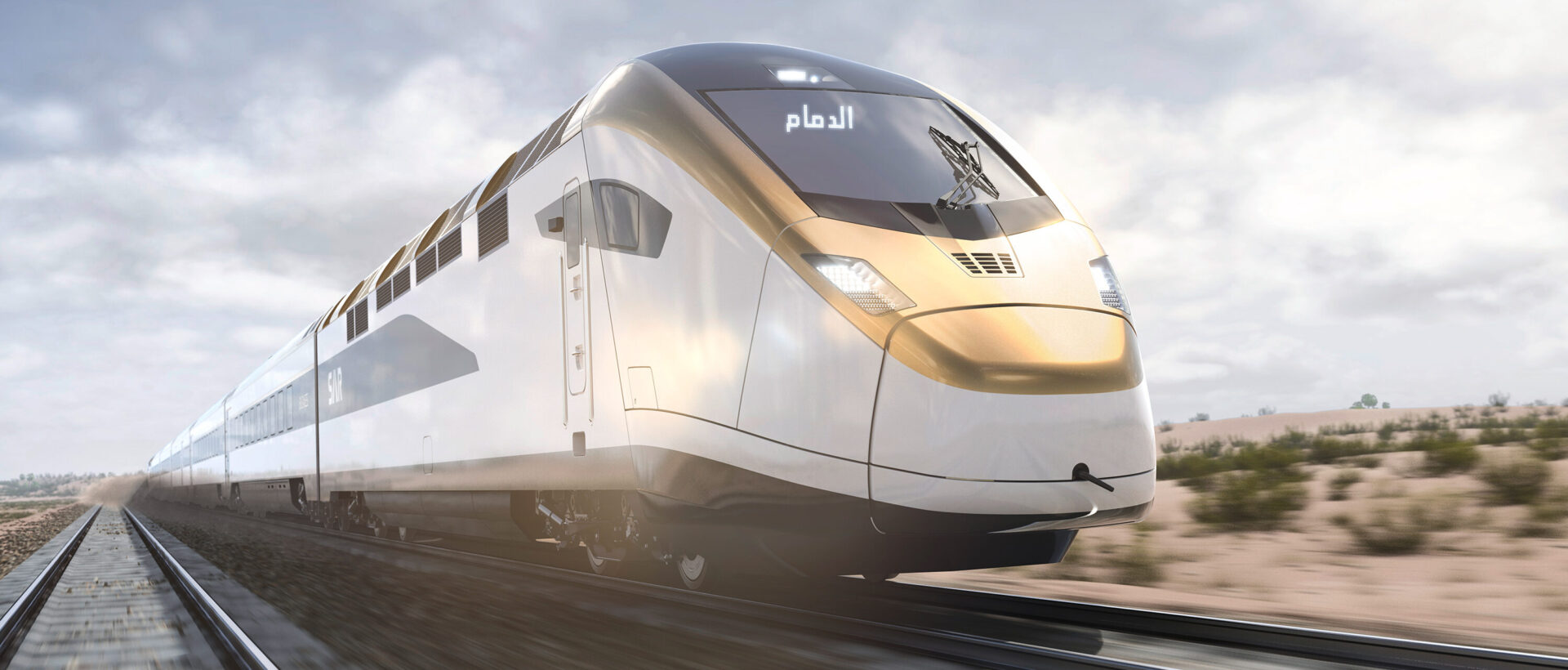
UK Transport Secretary Heidi Alexander has delivered a set of updates regarding progress on the establishment of Great British Railways’ (GBR) new rolling stock strategy, as well as Chiltern Railways’ transfer into public ownership.
Alexander confirmed the publication of the Great British Railways rolling stock & infrastructure strategy on 28 September 2026, as well as Chiltern Railways’ transfer on 20 September 2026.
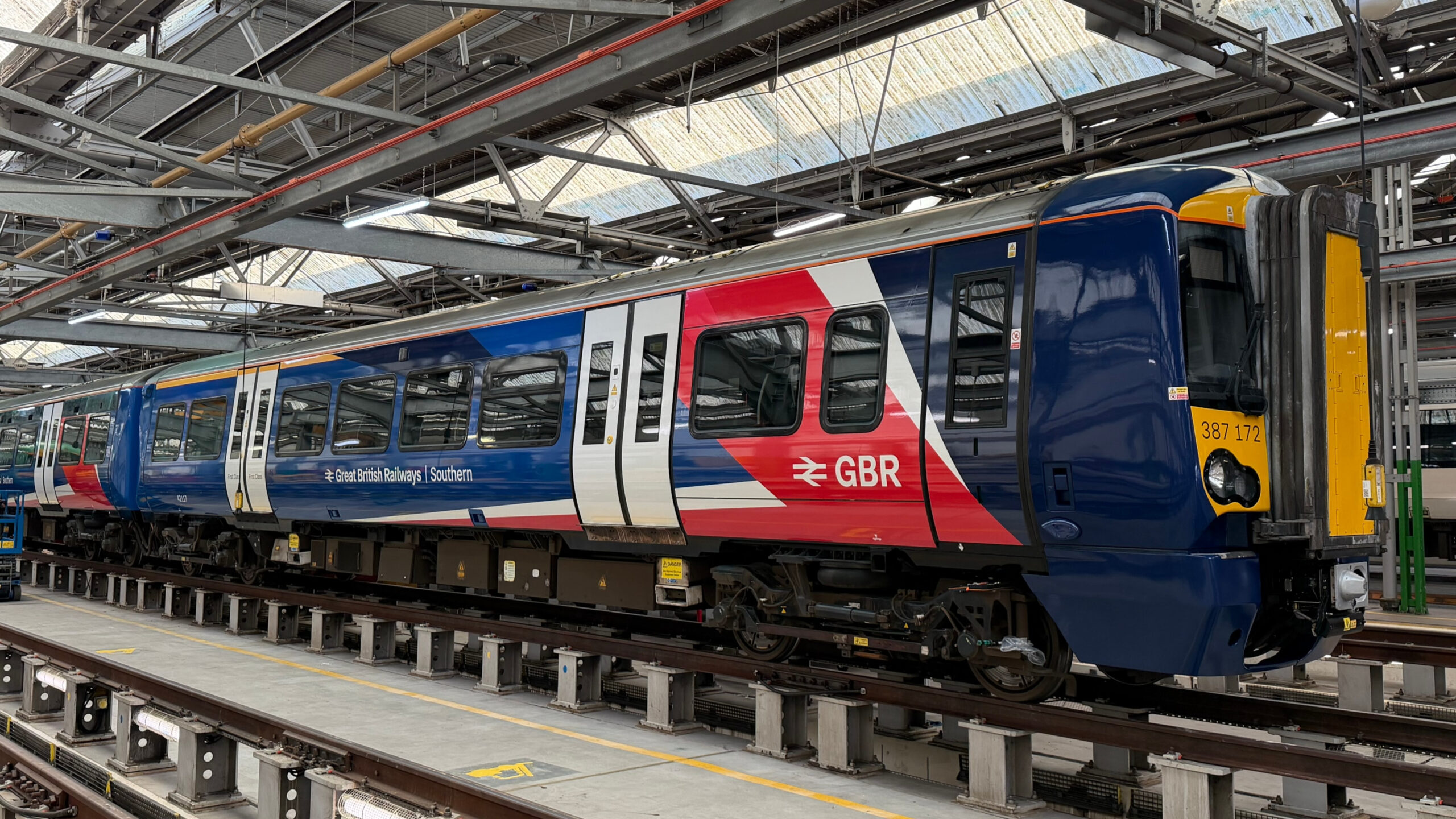
Decisions and Priorities of the Rolling Stock & Infrastructure Strategy
During an address to the House, the Transport Secretary gave further clarification on the rolling stock and infrastructure strategy, stating that the document will aim to establish a long-term framework for how GBR will both plan and deliver rolling stock and the infrastructure that supports it.
Through the use of integrated decision-making, clearer priorities and a ‘more coordinated pipeline of activity’, the strategy will seek to help to secure better outcomes for passengers and taxpayers whilst giving the rail supply chain greater confidence to invest, innovate and, ultimately, create more skilled jobs across Britain.
With a whole-system approach to decision-making, the strategy will aim to combine conversations regarding passenger trains and their supporting infrastructure in a bid to both improve long-term planning and deliver better outcomes for passengers, taxpayers and the rail supply chain.
Rolling Stock & Accessibility
By aiming to put passengers at the centre of a ‘modern railway’, the strategy sets out a direction for more consistent fleet specifications that support better passenger experiences and improved train reliability. Future train procurements will be structured around a smaller number of what are referred to as nationally defined ‘fleet families’, which will strive for more consistent levels of compatibility and capability across the network whilst retaining full flexibility to meet the needs of both different markets and communities.
Elsewhere, the strategy aims to accelerate progress towards more accessible trains, with improved expectations for level boarding and alighting, as well as accessible toilets, consistent passenger information and reliable wifi, whilst spaces for wheelchairs, prams and buggies, luggage and family-friendly spaces will be considered integral to the design of new Great British Railways trains.
The strategy proposes that GBR will be ‘better placed’ to make integrated decisions and infrastructure that support the transition to a lower-carbon railway, advance government net-zero objectives, improve local air quality and reduce noise, while ensuring future decisions are taken on a whole-life and whole-system value basis.
Ownership & Planning
Moving forward, GBR will assess direct ownership of new fleets, leasing and other financing agreements on a case-by-case basis, instead of relying on one single default model for rolling stock financing. This is intended to help determine which approach will offer the strongest outcome for both passengers and taxpayers.
For UK-based manufacturers and suppliers, the strategy intends to provide more clarity about future requirements, as well as a reduction of ‘unnecessary fleet variations’ in an effort to establish a stronger basis on which to invest, retain skills, plan capacity and compete for future work.
The strategy is planned to be underpinned by an associated fleet and infrastructure plan (FIP) as the principal internal mechanism for coordinating rolling stock and related infrastructure activity across the integrated railway. Whilst the FIP itself will remain an internal planning tool, it is expected to help to facilitate the sharing of appropriate information with the market on both forthcoming fleet and infrastructure requirements, allowing suppliers to invest and plan with greater confidence.
Chiltern Railways
During her address, Alexander also confirmed the successful transition of Chiltern Railways’ services into public ownership, providing an update on progress made thus far.
All operations are now run by a new public sector operator – Chiltern Rail Limited – a subsidiary of public corporation DfT Operator Limited (DFTO), marking the 10th of 14 operators to begin delivering passenger services under contract with the Department for Transport.
With the addition of Chiltern Railways’ services, DFTO now operates over 12,000 passenger rail services per day, and delivers more than 1 billion passenger rail journeys across its network each year.
Chiltern will now begin to press ahead with the delivery of a range of measures intended to improve the passenger experience, including more modern trains, more services and more comfortable journeys across the entire network.
The next operator set to make the transition to public ownership is Great Western Railway (GWR), who will move on 13 December 2026. GWR will then be followed by Avanti West Coast on 7 March 2027, and the rail public ownership programme remains on track to be completed by the end of 2027.
The Government’s full rolling stock & infrastructure strategy can be read here.