There’s a unique kind of fatigue that settles in during a hot summer day on the rail, writes David BenDavid, CEO of Rail Vision Ltd.

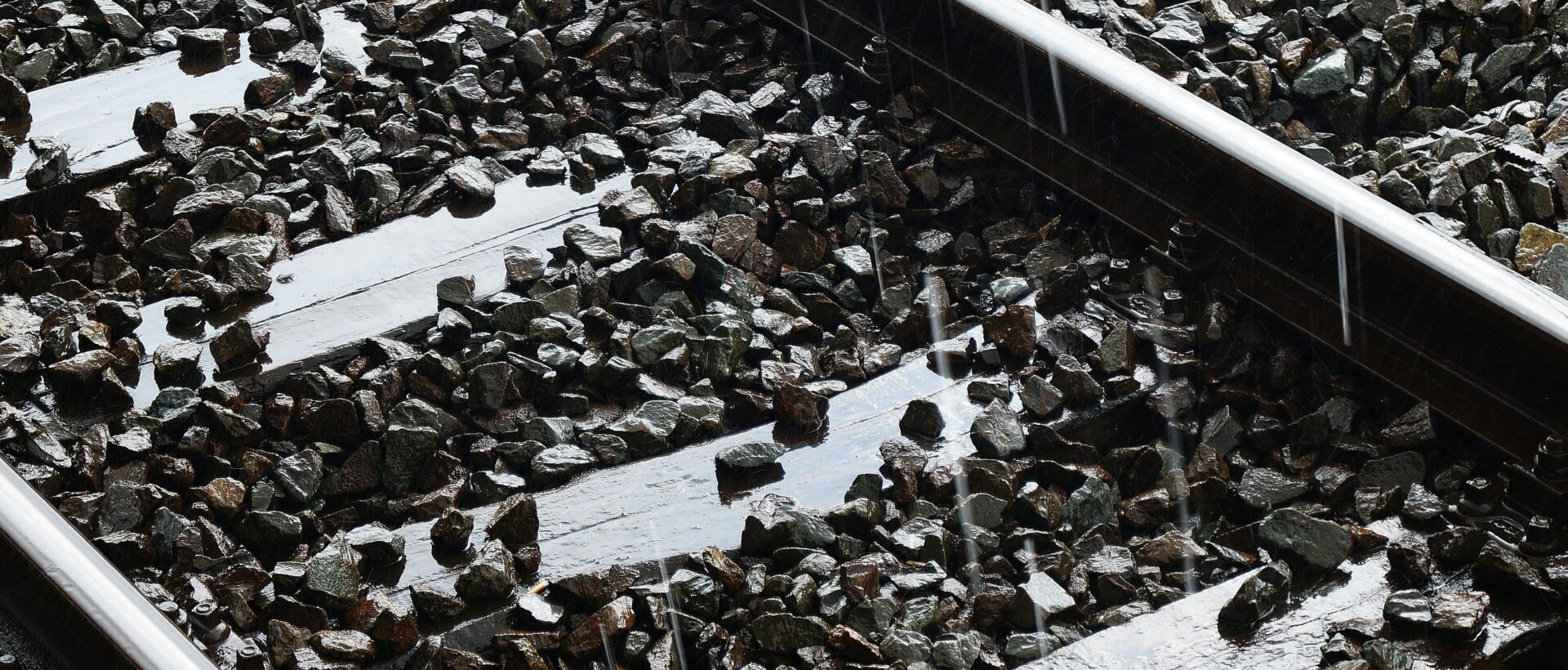
It’s not just physical – it’s mental. Focus evaporates slowly, like the moisture from the tracks under a 40°C sun. You try to keep your mind sharp, but every decision takes just a little longer.
And in rail operations, ‘a little’ can be dangerous. Not because something catastrophic will necessarily happen, but because a small lapse – a delay, a miscommunication, an unreported anomaly – has a cost. And the hotter it gets, the more that cost climbs. We often talk about business continuity and operational efficiency in the context of systems, technologies, and processes. But there’s another layer – the human layer. And when the temperature spikes, the human layer takes a hit.
Heat, Fatigue and the Invisible Erosion of Performance
Across North America, rail operators are contending with record-breaking heatwaves. It’s not just an occasional issue – it’s a persistent operational threat. Long stretches of exposed infrastructure, minimal shade and the physical demands of switching operations or track inspections mean that crew members are constantly battling the elements.
And it adds up. Studies from transportation sectors show that cognitive performance can drop by up to 15% when working in high heat. In practical terms, this means slower reactions, more procedural errors and an increase in delays – none of which show up immediately in dashboards or spreadsheets. But over time, they drain your KPIs just the same.
In yards, for example, decision-making under heat stress affects locomotive dispatch timing, manual safety checks and incident reporting. None of these are critical failures on their own, but collectively they stretch schedules, increase fuel use, trigger overtime and add maintenance headaches later on.
It’s Not Just the Heat – It’s the Distraction
Perhaps more dangerous than heat itself is the creeping distraction it brings. In an environment where every action counts, losing mental sharpness – even for a moment – can translate into expensive operational side effects.
Let’s take a simple example: a delay in communication during a switching manoeuvre. Under normal conditions, a one-minute delay might be absorbed. But in a busy yard during peak heat, where tempers shorten and reaction times lag, that one-minute delay might compound into an hour-long domino effect.
It’s not theoretical – it’s physics, biology, and logistics coming together. And yet, we often treat summer heat as ‘business as usual’. We issue water bottles and sunblock and assume resilience will handle the rest.
It won’t.
Cooling the System, Not Just the People
We must start seeing heat not as a weather forecast, but as an operational condition. We wouldn’t ignore fog or snow when planning mainline schedules or yard workflows—why do we treat heat differently?
There are three domains rail operators should re-examine:
Workforce Scheduling
Adjust shift structures during extreme heat to minimise human error windows. Midday switching operations can be staggered, compressed or rerouted to reduce exposure.
Automation and Augmentation
This is where technology plays a supporting – not starring – role. Tools that reduce reliance on constant human vigilance during extreme conditions can be game-changers. Vision-based monitoring systems, automated alerts and AI-driven diagnostics – yes, Rail Vision offers some of these, but the point is broader: we must delegate routine decisions during heat stress to tools that don’t sweat.
Operational Metrics Redefined
What if every hot-weather operation came with a ‘heat multiplier’ when calculating risk-adjusted performance? Downtime, rerouting, misalignment, and delays all scale differently under heat. Factoring that into planning – rather than reacting after the fact – is the mark of a resilient operation.
Business Continuity is Not a Buzzword
Let’s be clear: this isn’t about comfort. It’s about continuity. Every time a train departs late, every time a yard requires unplanned intervention, every time a maintenance team has to redo a task, business continuity slips. And in an industry where margins are narrow and competition from road freight is constant, those slips become costly.
Railroads that prepare for winter but not for summer are gambling. Heat is the new black swan – except it’s not rare anymore.
Looking Beyond ‘Fixes’
The worst response to a heatwave is improvisation. Contingency plans that rely on ‘doing our best’ or ‘getting through it’ are not plans. Rail executives need to sit with their teams in the off-season and ask tough questions:
- What does a 10-day heatwave do to our switching throughput?
- What are our delay multipliers during +35°C operations?
- Are we tracking the actual cost of heat-induced inefficiencies?
- It’s not about panic – it’s about preparedness.
Final Thoughts: Operational Excellence Starts in the Shade
We tend to view resilience through the lens of worst-case scenarios. But true operational excellence comes from mastering the day-to-day grind – especially when that grind happens under a merciless sun.
If we want to build railroads that don’t just survive but thrive in the decades to come, we must rethink how we measure risk, plan for pressure and support the people at the heart of our systems.
It’s hot out there. But staying focused doesn’t come from toughing it out. It comes from designing smarter, cooler ways to keep the trains running – on time, every time.