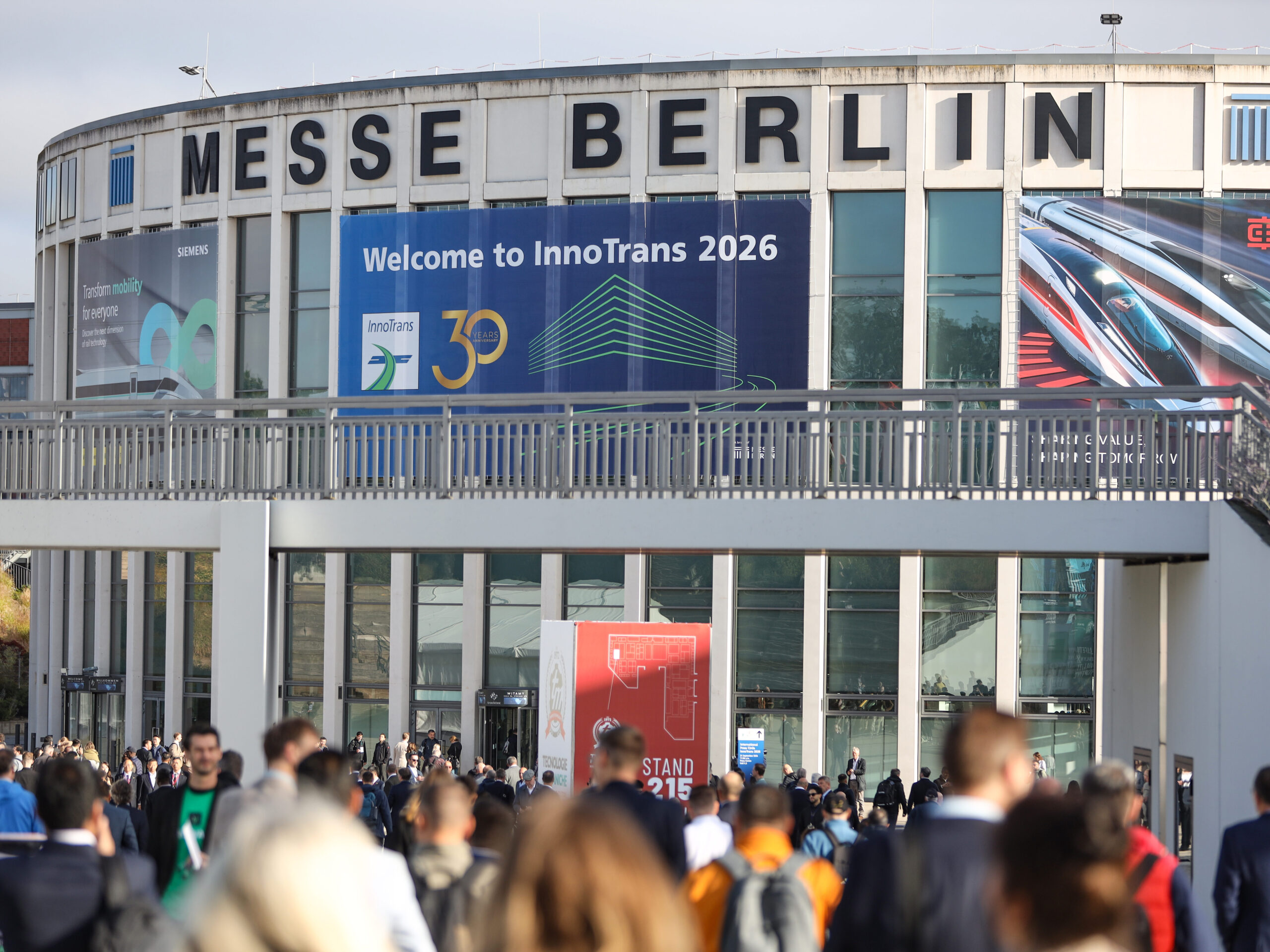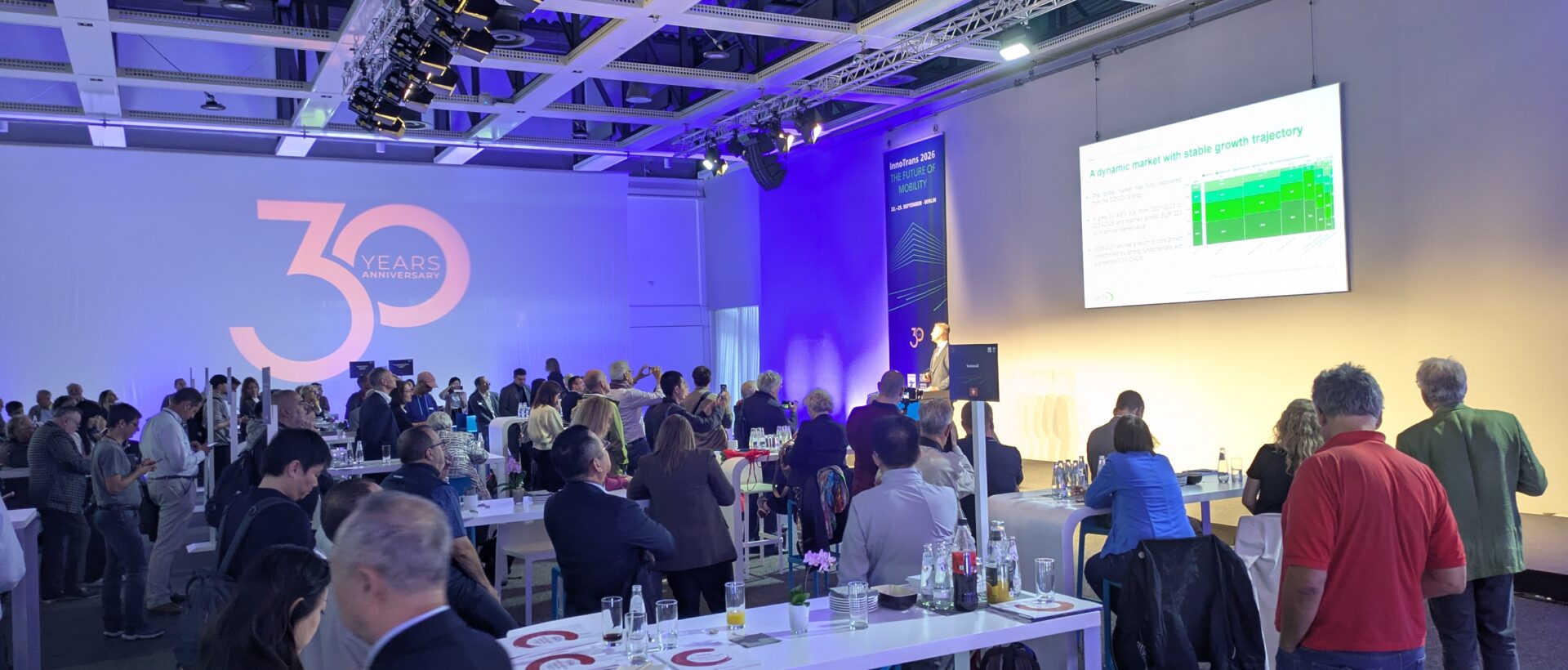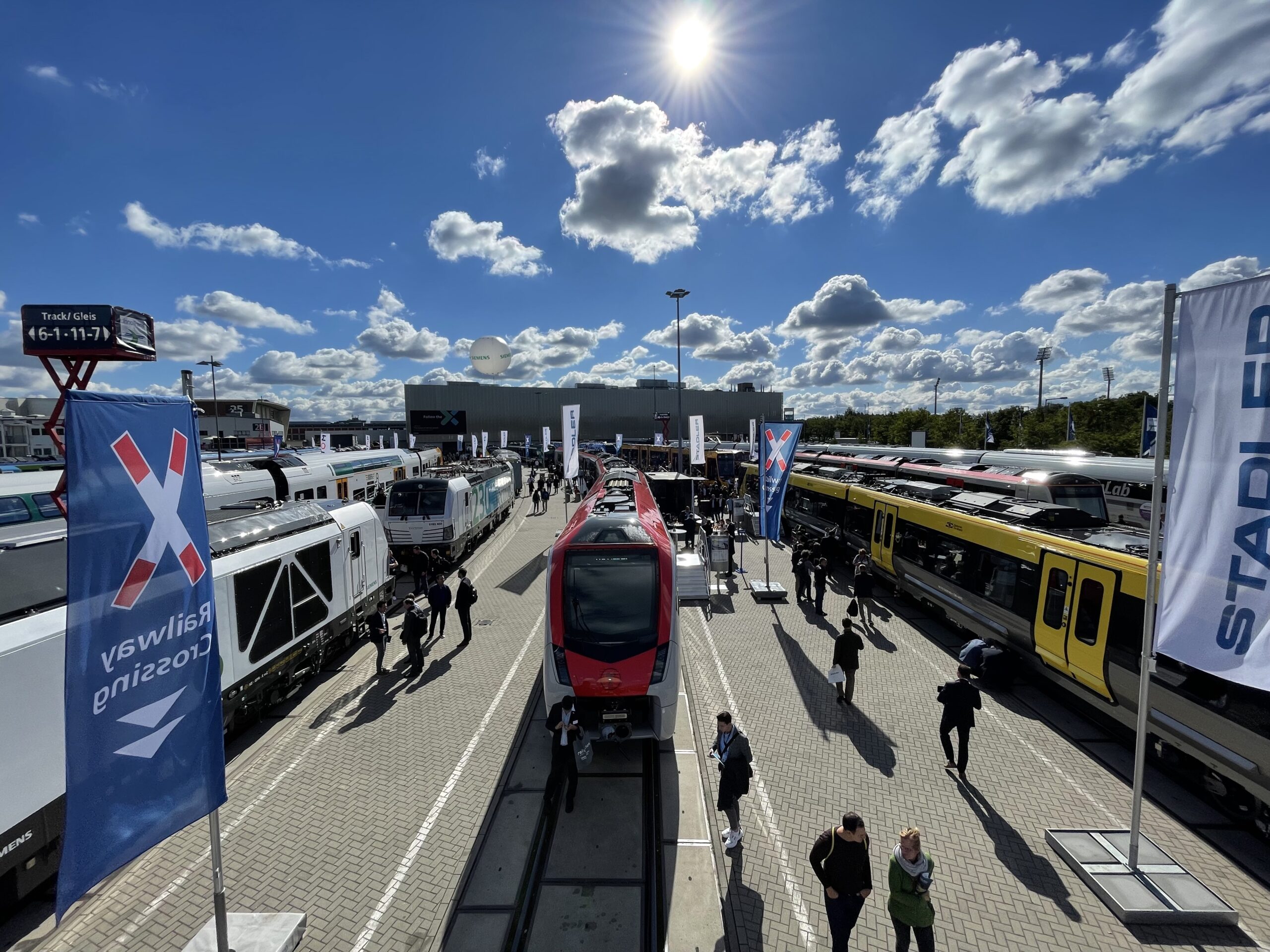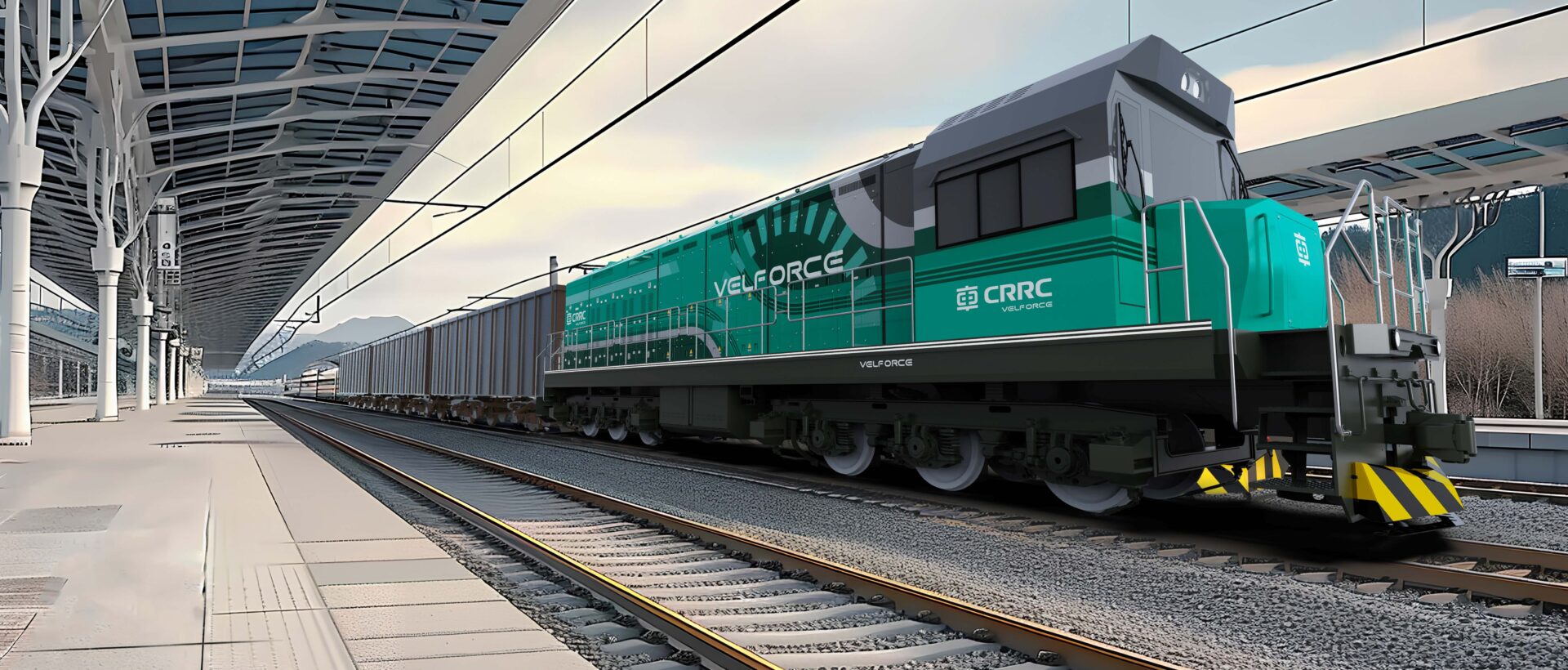
Welcomed to the event by an orchestra including and conducted by a robot, InnoTrans 2026 in Berlin had truly begun.
With the future of mobility being the motto of this year’s iteration of the show, AI, climate goals, and global expansion were the topics of the opening ceremony.
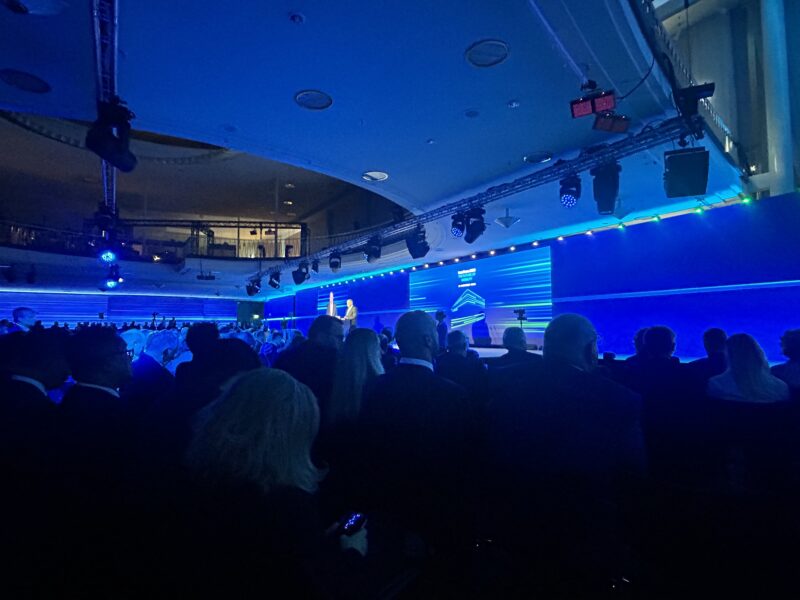
Dirk Hoffmann, COO, Messe Berlin GmbH
Dirk Hoffmann opened by framing InnoTrans’s global significance, but first marked the exhibition’s 30th anniversary — a milestone he described as both a celebration of the past and a statement of intent for the future.
Dirk Hoffmann, COO at Messe Berlin GmbH, said:This year, this moment is even more special for us, as we are celebrating 30 years of InnoTrans, {which has} become the global meeting place for rail. An anniversary is always a good time to look towards the future.
Beyond InnoTrans’s role in connecting the rail industry, Hoffmann emphasized that “above all it is a place for people to come together.”
Much of his address focused on InnoTrans’s expansion into new markets, particularly the fast-growing Asia-Pacific region.
Dirk Hoffmann, COO at Messe Berlin GmbH, said:We're building a bridge to the fast-growing Asia-Pacific market.
He framed the move as an addition to InnoTrans’s existing base rather than a departure from it — pointing specifically to a new chapter for the exhibition in Singapore next year.
Closing his remarks, Hoffmann returned to the anniversary theme, telling attendees that 30 years was cause for celebration, but also a moment to keep planning ahead.
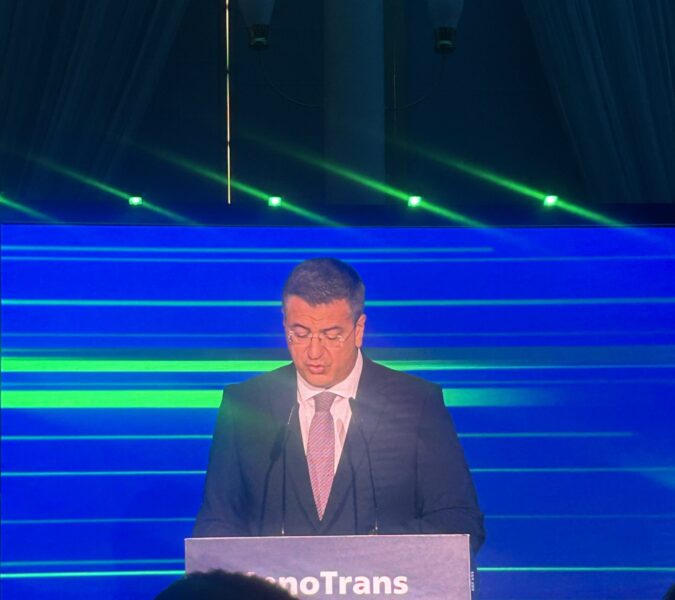
Apostolos Tzitzikostas, EU Commissioner for Sustainable Transport and Tourism
Tzitzikostas used his address to argue for rail’s central place in Europe’s mobility future, balancing confidence in the sector with a call for deeper reform.
Apostolos Tzitzikostas, EU Commissioner for Sustainable Transport and Tourism, said:Rail is far from irrelevant for our citizens, our businesses, and our economy.
While cautioning that the sector cannot rest on its current position:
Apostolos Tzitzikostas, EU Commissioner for Sustainable Transport and Tourism, said:Rail itself needs a stronger European market.
Pointing to competition across the transport industry, he added that “rail must become a more attractive option for passengers all across Europe” if it hopes to keep growing its user base.
On passenger experience, Tzitzikostas pointed to simplifying cross-border travel as key to winning over European citizens:
Apostolos Tzitzikostas, EU Commissioner for Sustainable Transport and Tourism, said:The aim is straightforward — one journey, one booking, full rights for the passengers.
Turning to high-speed rail, he underscored its importance within the EU’s broader policy agenda, calling it central to both climate goals and industrial opportunity.
Apostolos Tzitzikostas, EU Commissioner for Sustainable Transport and Tourism, said:It is about building a more integrated and resilient transport system.
He closed on a note of confidence in the sector’s global standing:
Apostolos Tzitzikostas, EU Commissioner for Sustainable Transport and Tourism, said:I know, and you know, European rail thrives globally.
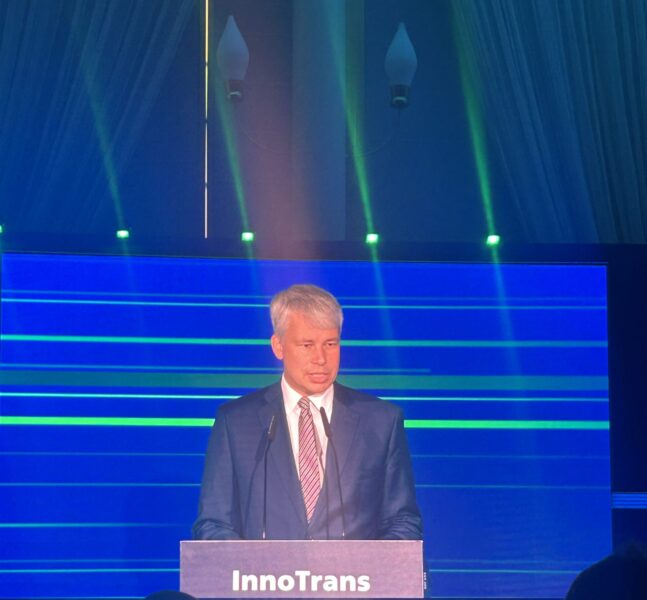
Steffen Bilger, Germany’s Federal Minister for Transport
Steffen Bilger set out an ambitious agenda for Germany’s rail network, pointing to a “new era of digitisation and connectivity” and describing Berlin as “one of the most important railway hubs on the continent” — citing links such as the Prague connection as evidence.
On domestic policy, Bilger was blunt:
Steffen Bilger, Germany's Federal Minister for Transport, said:Railway in Germany is not currently living up to expectations.
While Germany wants to “be proud of our railway infrastructure,” he said that means the country “needs to modernise our network.”
Drawing a comparison with roads, he said:
Steffen Bilger, Germany's Federal Minister for Transport, said:We have secured financing and funding for the road network — now we need it for the rail network.
He cited 1.7 billion EUR earmarked for rail infrastructure by 2030.
He closed with a single, clear goal:
Steffen Bilger, Germany's Federal Minister for Transport, said:Rail will be a form of transport that people will like to use. We will tackle this together with you to make sure it will be better in a noticeable way.