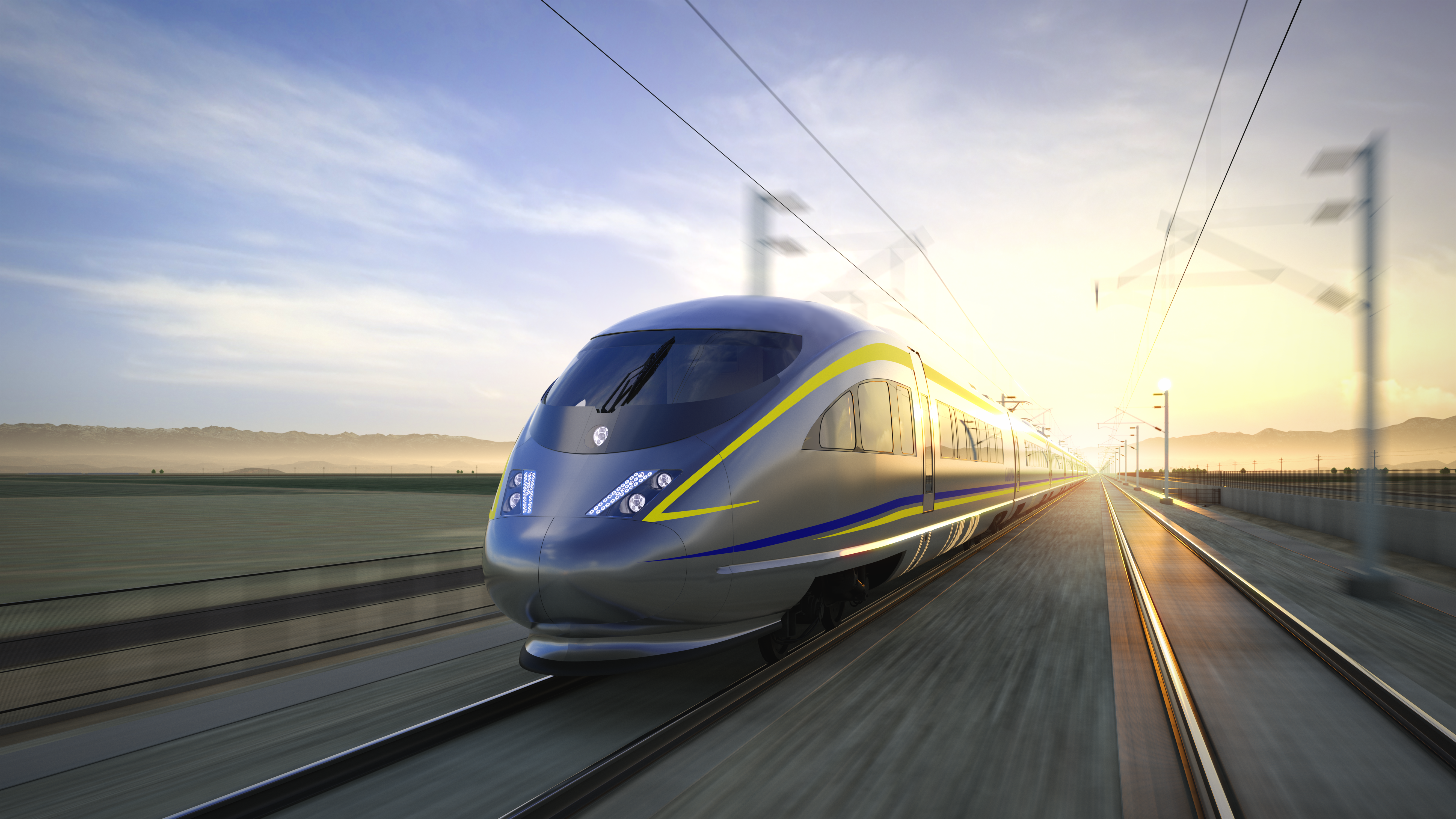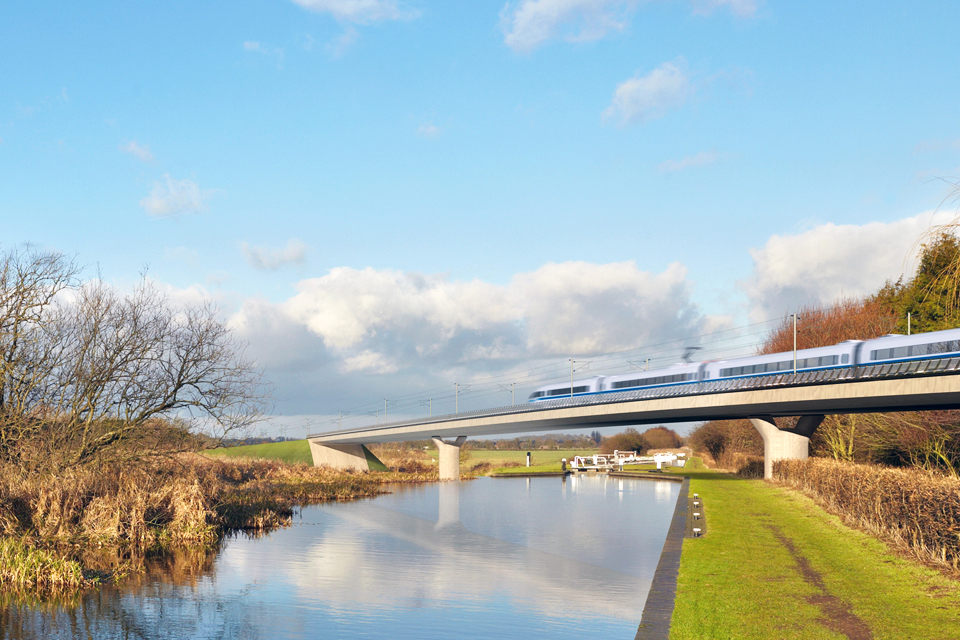
Infraestruturas de Portugal (IP) has signed the first concession agreement and initial financing tranche for its planned high-speed rail connection between Lisbon and Porto.
A 30-year concession contract has been signed between Infraestruturas de Portugal (IP) and Avan Norte – Gestão da Ferrovia de Alta Velocidade, a consortium led by LusoLAV. The contract covers the design, construction, and maintenance of the Porto–Oiã section, which forms part of the first phase of the new Lisbon-Porto high-speed line.
At the same ceremony, the European Investment Bank (EIB) signed an agreement to provide 875 million EUR in financing for the same section. This is the first part of a broader 3 billion EUR financing package approved by the EIB in 2024 to support the construction of the entire high-speed corridor.

Once fully operational, the high-speed service is expected to reduce the travel time between Portugal’s two largest cities from around three hours to approximately one hour and 15 minutes. Forecasts suggest the line could carry up to 10 million passengers annually.
The EIB financing for this section represents the largest single contract signed to date under the European Union’s InvestEU programme, which is designed to mobilise long-term investment across the EU. The project is also supported by 480 million EUR in EU grants through the Connecting Europe Facility, in addition to funding from other public and private sources, including 150 million EUR from IP.
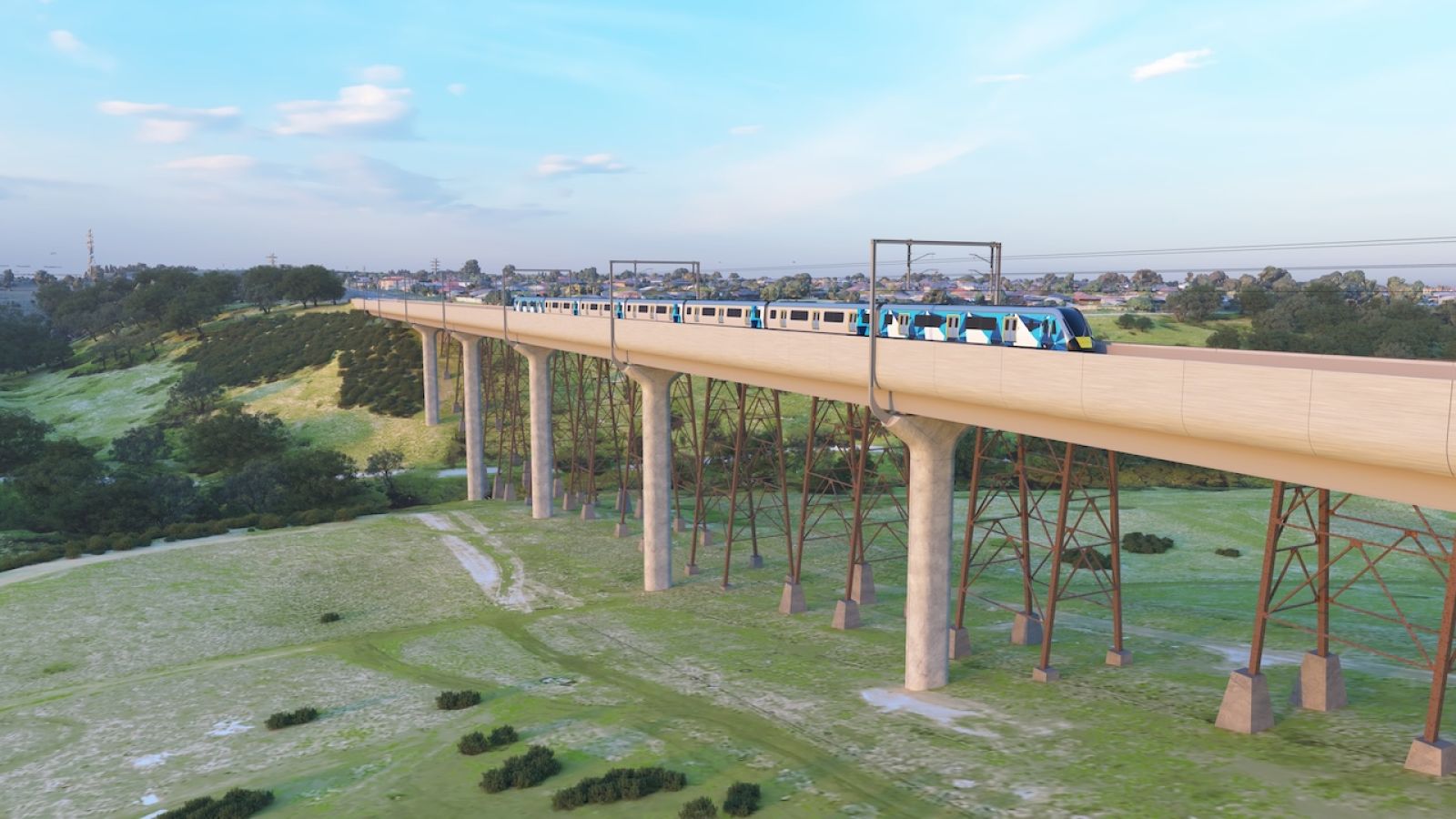
The Porto–Oiã stretch will span 71 kilometres and includes a range of associated works. These will involve the construction of a new underground station in Santo Ovídio (Vila Nova de Gaia), adaptations at Porto’s Campanhã station, a new bridge over the Douro River, connections to the existing Northern Line near Canelas, and a new traction substation in the Estarreja area.
EIB Group President Nadia Calviño said:The EIB is committed to support Portugal in connecting Lisbon and Porto with the high-speed train. This is a real game changer. It is the first high-speed train that will be built in the country, and it is going to significantly improve the lives of people, who will see their travelling time reduced from nearly three hours to slightly over one hour.
The high-speed rail line is part of the wider Trans-European Transport Network (TEN-T) and aims to strengthen both regional links and cross-border rail integration. According to the European Commission, the Lisbon-Porto line plays a central role in the Atlantic Corridor, helping to deliver on EU goals related to sustainable transport and territorial connectivity.
Avan Norte, the consortium responsible for the Porto–Oiã section, is composed entirely of Portuguese construction firms. Carlos Mota Santos, Chair of the Mota-Engil Group, which leads the consortium, noted the strategic relevance of the project and the confidence it reflects in national engineering and construction capabilities.
Infraestruturas de Portugal will oversee the delivery of the line and ensure compliance with both national and EU standards. Phase 1 of the high-speed corridor will extend 143 kilometres, linking Porto-Campanhã to Soure in the Coimbra district, with future phases planned to complete the connection to Lisbon.
Miguel Cruz, President of Infraestruturas de Portugal said:More than a historic moment, this is a commitment to the future. The signing of the concession and financing for the first section of the Lisbon–Porto high-speed line represents a decisive step towards the construction of a modern, efficient and sustainable railway network. This project will bring people and regions closer together, boost clean mobility and position Portugal as a more cohesive and competitive country. Infraestruturas de Portugal is proud to be leading this transformation, in partnership with entities whose support has been fundamental in turning this national ambition into reality.
The project is being implemented as a Public-Private Partnership (PPP), and is expected to contribute to environmental targets by shifting demand from road and air transport to lower-emission rail travel.