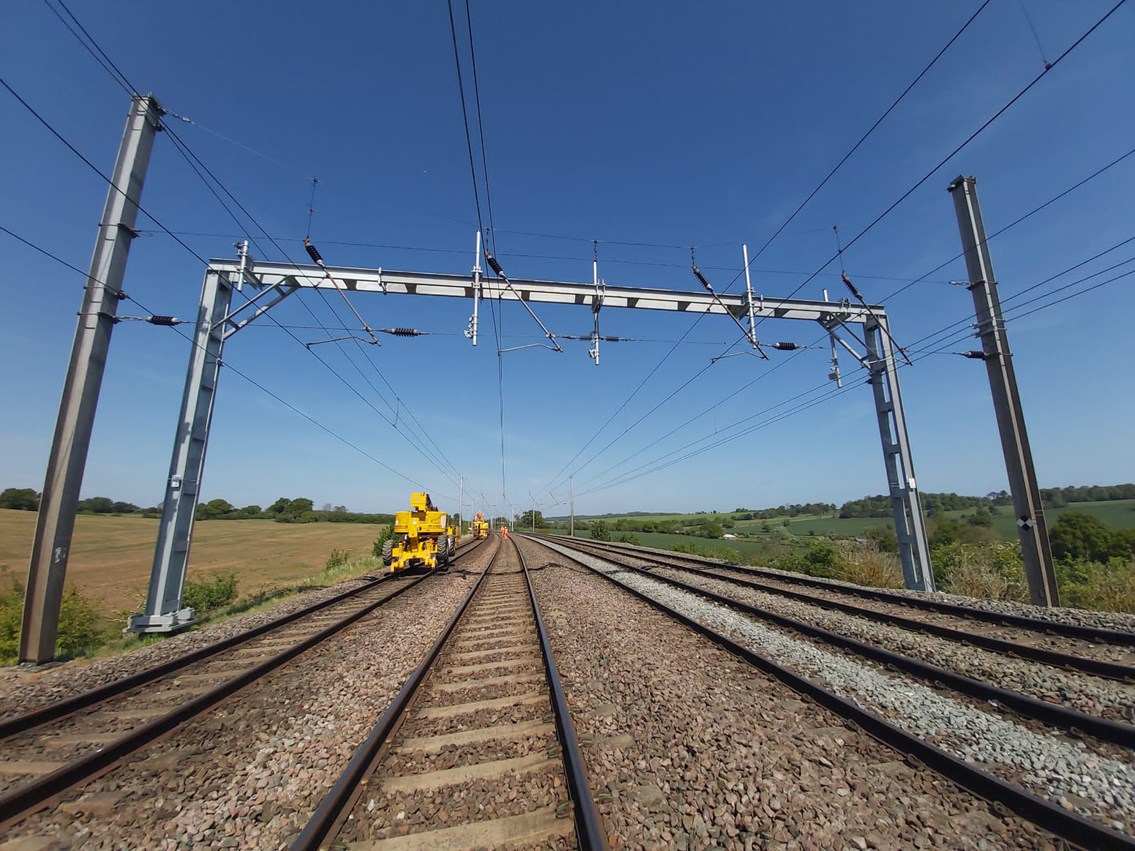
The UK’s HS2 project promises faster journeys, new economic opportunities, and relief for the increasingly congested West Coast Main Line. However, its delivery has been fraught with challenges that must be acknowledged and overcome to realise these benefits.
To address the issues, the UK Transport Committee held a parliamentary session with Mark Wild, Chief Executive at HS2 Ltd; Lord Hendy of Richmond Hill CBE, Minister for Rail at the Department for Transport; and Alan Over, Director General for Major Rail Projects Group at the Department for Transport. The session explored the causes of HS2’s cost overruns and delays and determined what lessons can be learnt moving forward.
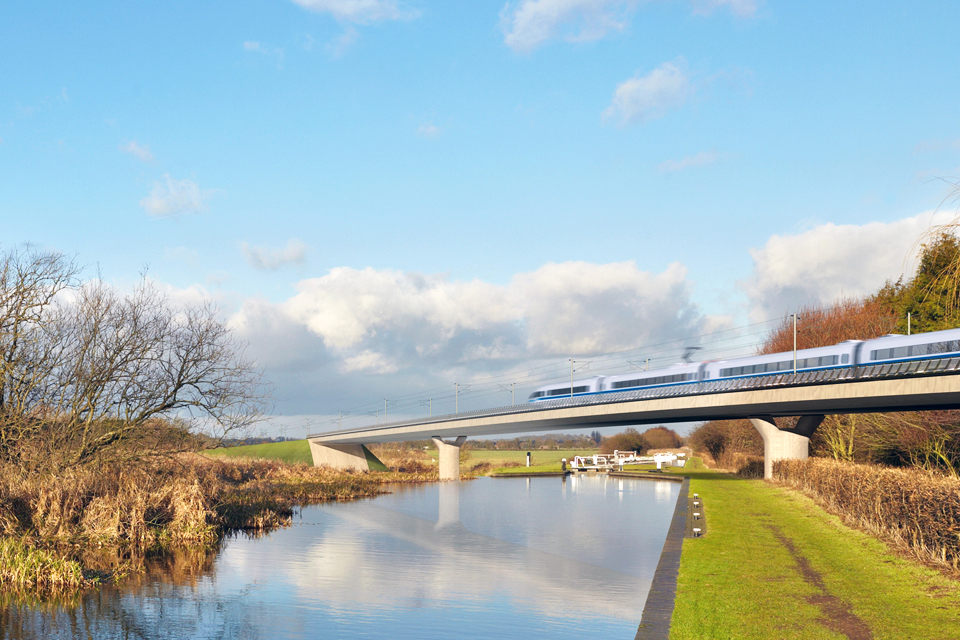
The unanimous message from the attendees was that HS2 Phase 1 remains vital. Connecting London to Birmingham is not just about cutting journey times; it is about unlocking regional regeneration, supporting new jobs and homes, and addressing the pressing capacity constraints that threaten the reliability of existing rail services.
However, the session underscored that delivering HS2 successfully requires learning from past megaprojects, particularly Crossrail, which was both a triumph and a cautionary tale. Mark Wild Chief Executive at HS2 Ltd, argued that Crossrail demonstrated a key lesson is the necessity of clear, staged handovers between construction and systems integration teams.
Furthermore, rushing to meet fixed deadlines led to costly delays and inefficiencies. For HS2, adopting a more realistic approach that embraces a narrowing range of uncertainty rather than rigid deadlines arguably offers a better chance for success.
Mark Wild Chief Executive at HS2 Ltd said:Fixed deadlines were a bad thing for Crossrail. It is better to think about this as a range of uncertainty that narrows over time...The thing that Crossrail got terribly wrong is that, in a panic because of the fixed end date, they had electricians trying to wire up equipment in rooms that were not completed.
The discussion also raised the issue of supply chain confidence, with Alan Over, Director General for Major Rail Projects Group at the Department for Transport, highlighting that the gaps between major infrastructure projects have eroded the skills and capacity vital for delivery. Now, the government’s 10-year infrastructure plan aims to create a stable, predictable pipeline to rebuild trust and investment in the sector. Without this certainty, the risk is a repeat of the ‘boom and bust’ cycles that have hampered progress.
Looking ahead, the question of capacity beyond Birmingham towards Manchester and Leeds remains unresolved. According to Lord Hendy, evidence suggests that a more nuanced, phased approach may prove more practical than grandiose, single-scheme visions. Arguably, before building new infrastructure, existing rail and road networks must be optimised to their fullest extent.
The current government believes that the reset of HS2 offers an opportunity to rebuild confidence through disciplined management, realism in planning, and learning from past mistakes. The project’s success is not just about engineering feats but about delivering on the promises of economic growth, connectivity, and sustainability.
The full session can be viewed here.