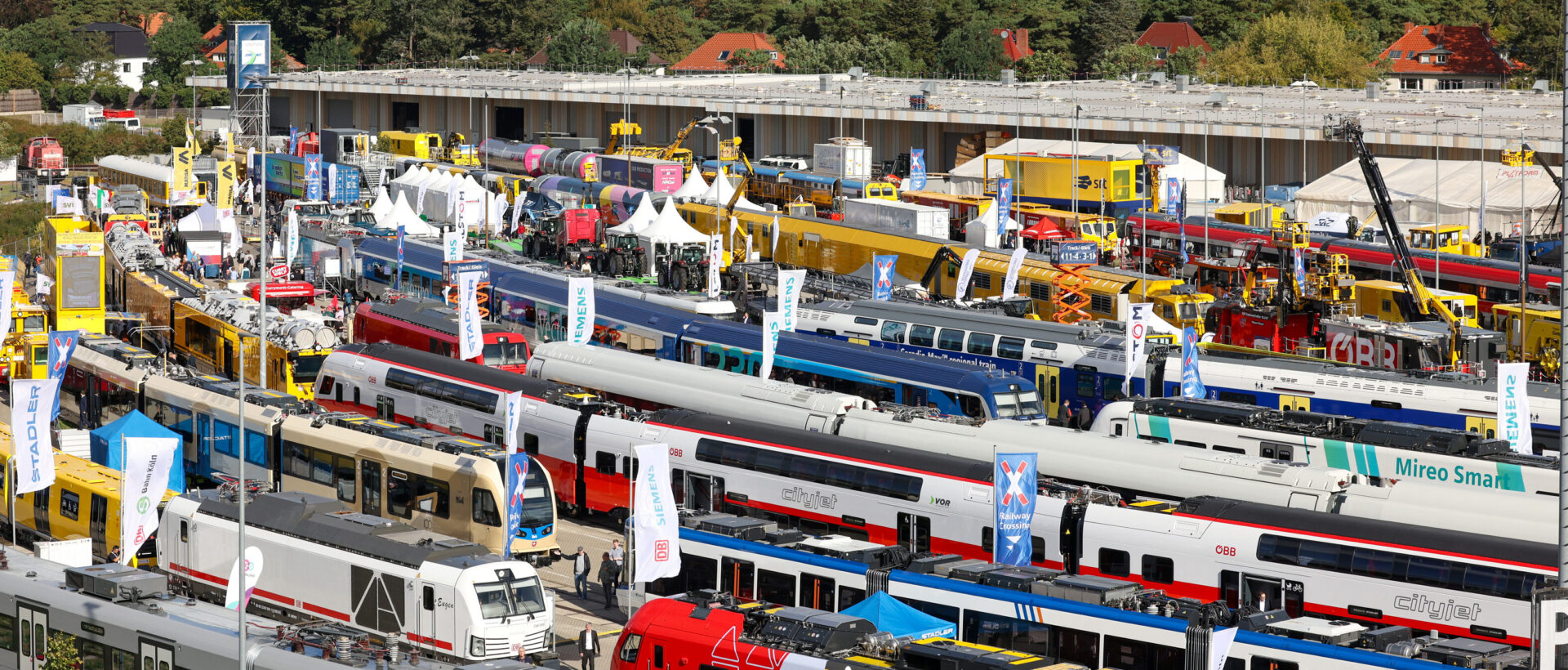
Artificial intelligence, automation and connected mobility services will be key themes at InnoTrans 2026, as transport technology companies demonstrate how digital systems are being integrated into public transport operations.
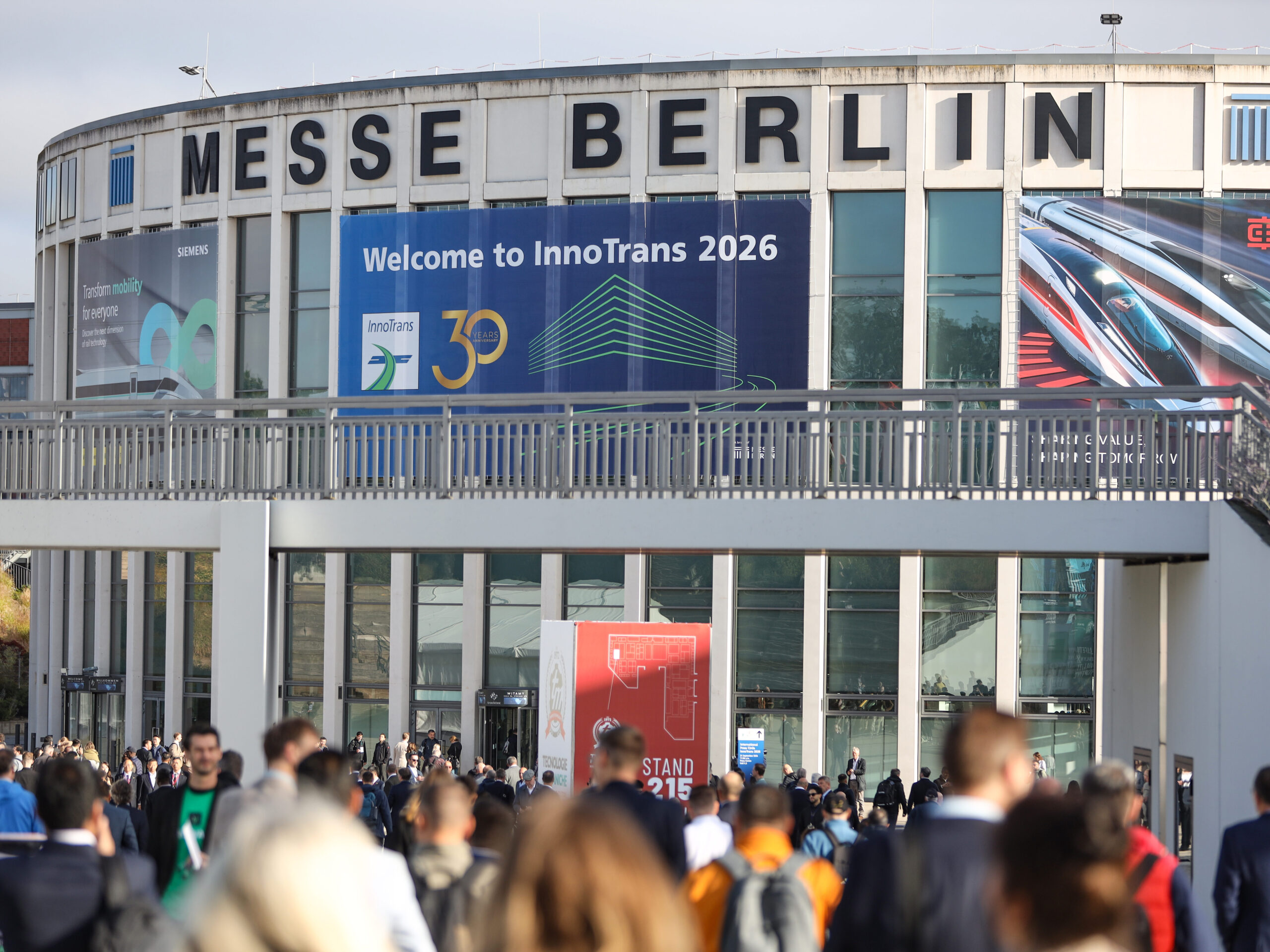
The event, taking place in Berlin from 22–25 September, will feature 414 exhibitors in its Public Transport segment. The area covers 18,465 square metres of gross exhibition space, with international companies accounting for 62% of exhibitors.

The technologies on display will span digital ticketing, traffic planning, accessibility, autonomous vehicles and connected transport services.
INIT Innovation in Traffic Systems will showcase an AI-powered operating system for public transport, while IVU Traffic Technologies will present applications for AI-supported traffic planning. Scheidt & Bachmann will exhibit connected public transport solutions, and FAIRTIQ will demonstrate its digital ticketing platform.
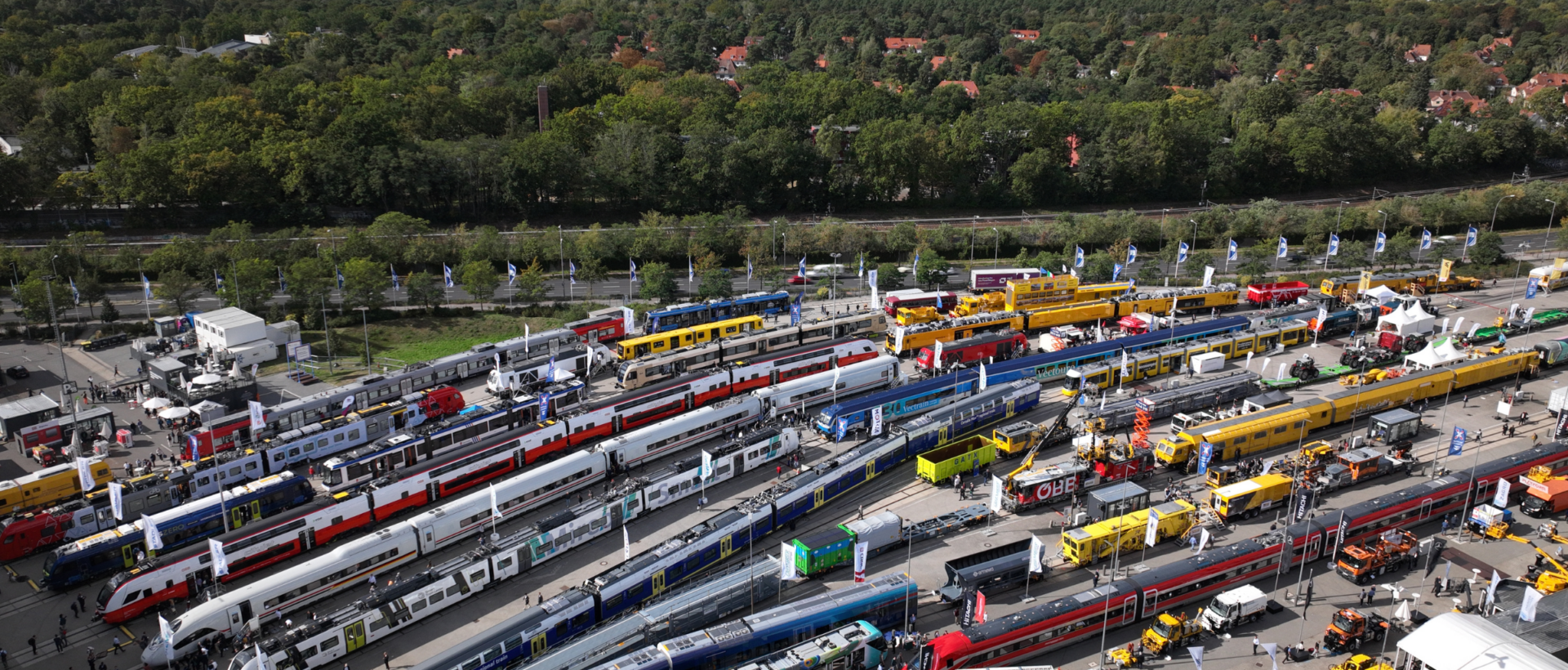
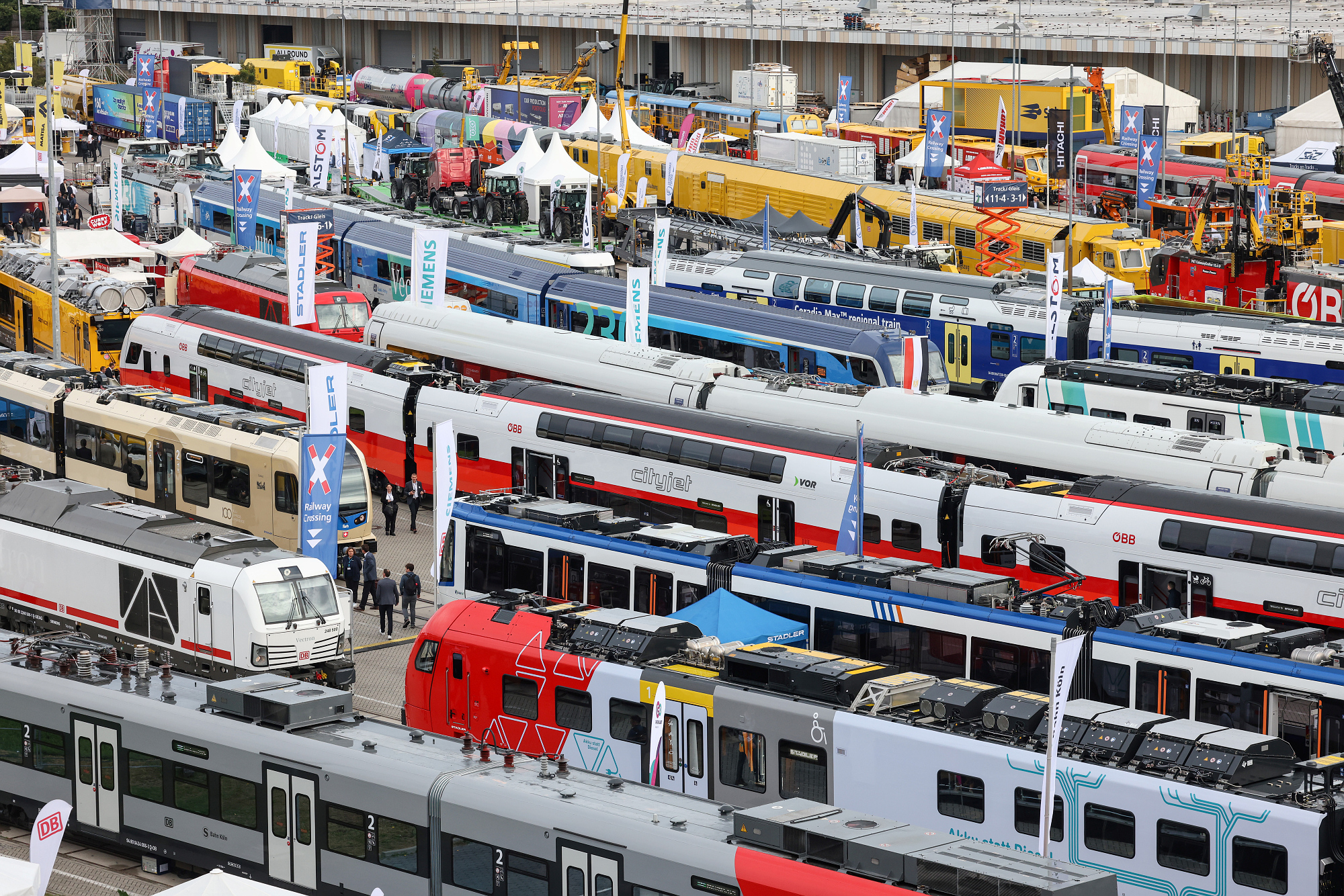
The physical transport network will also remain central to the exhibition, with Škoda Transportation and DB Regio displaying vehicles in the Sommergarten.
The Mobility+ section will feature 25 companies developing digital and connected mobility services, including 14 first-time exhibitors.
MOIA will examine autonomous and on-demand public transport, while RailEvo will present autonomous rail taxis intended to provide on-demand rail services. GoodMaps will demonstrate AI-enabled navigation technology with a focus on accessibility.
The Mobility+ Corner will host 21 presentations on digitalisation, new mobility services and the integration of different transport modes.
InnoTrans is also expanding its dedicated focus on artificial intelligence through the AI Mobility Lab. A total of 47 exhibitors will present technologies covering AI, automation, cybersecurity and robotics, including 28 companies making their first appearance at the event.
SNCF Réseau, Boston Consulting Group, FORTINET and IAV are among the exhibitors. Scout Robotics will demonstrate autonomous inspection and robotic applications for rail operations, while Semvox will present AI-based assistance systems. OTIV will focus on AI applications for autonomous rail vehicles and automated train operations.
For the first time, visitors will be able to join two guided tours dedicated to robotics. Two AI-focused tours will also be available, doubling the number offered previously.
The programme illustrates how software and automation are increasingly being developed alongside vehicles and infrastructure, with applications ranging from transport planning and passenger navigation to autonomous operation and asset inspection.