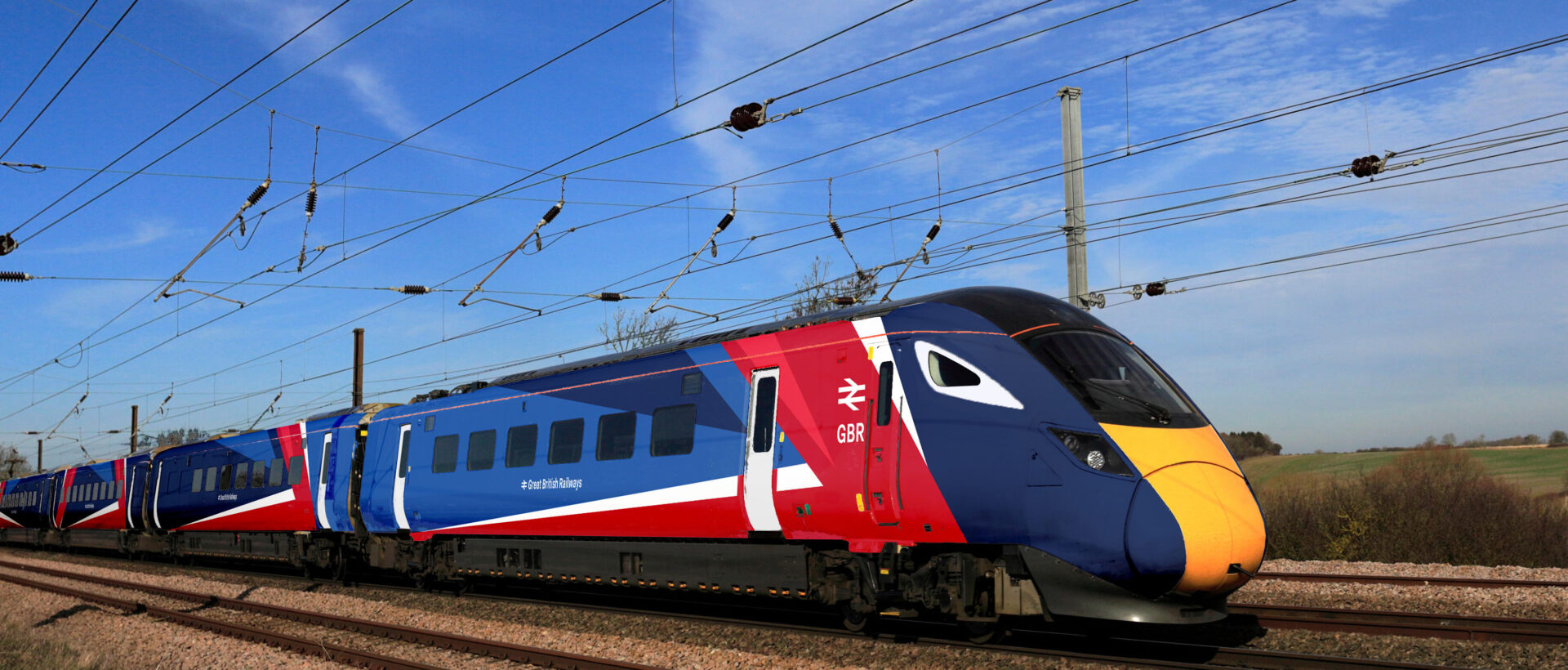
After more than 30 years without major railway legislation, the UK Government’s Railways Bill promises to fix the UK’s fragmented system. At the heart of the reform is Great British Railways (GBR), a single public body intended to bring track and train together, end the culture of blame and give the railways a “directing mind”.
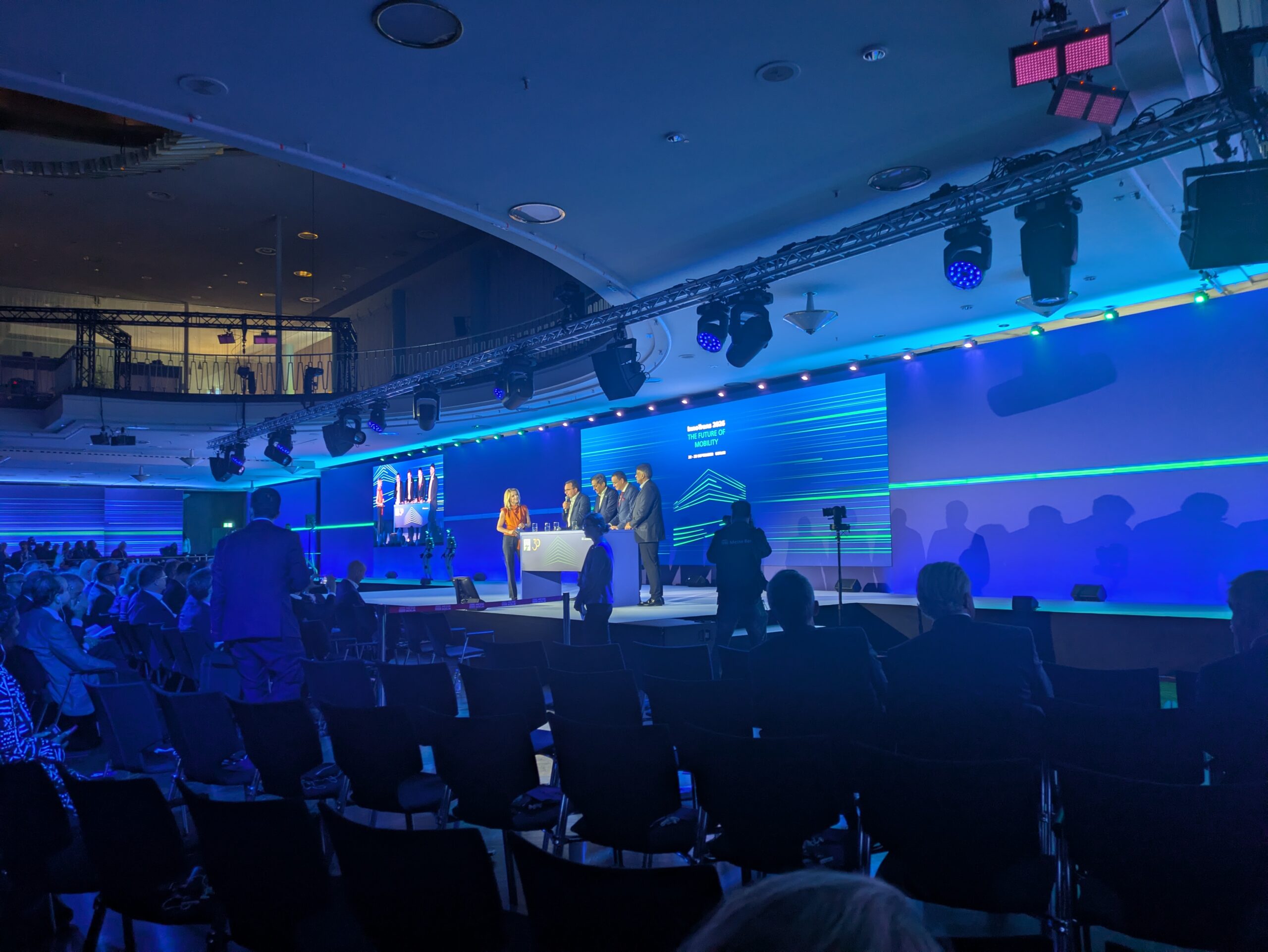
A recent Transport Committee evidence session revealed broad agreement on the diagnosis: the nation’s current system is too complex, too contractual and too poorly aligned to deliver reliable services or value for money. Where the evidence became more contested was on whether the Bill, as drafted, provides enough clarity, accountability and certainty to ensure that GBR succeeds where previous reforms have failed.
Certainty vs Flexibility
Minister of State for Rail, Lord Hendy, argued that the UK’s railway does not currently work efficiently because “nobody is in charge when things go wrong”. GBR’s defining feature will therefore be responsibility without excuses: a single organisation that acknowledges that performance, punctuality and overcrowding are its responsibility. In Hendy’s telling, this cultural shift matters more than organisational charts or statutory detail.
This philosophy explains why the Bill deliberately avoids setting out GBR’s corporate structure. Locking GBR’s internal structure into legislation would arguably undermine the very accountability the Bill is trying to create. Rail laws are meant to last for decades, but organisational charts do not. For that reason, the Bill sets responsibility in statute, not boxes on an organogram. The shape of GBR is instead being signalled through practice. As passenger operations return to public control, regional leaders are being appointed with responsibility for both infrastructure and services.
Yet for some, this flexibility creates unease, especially when looking ahead to potential changes in political power and leadership. Indeed, the Bill places significant power in the hands of the Secretary of State: issuing GBR’s licence, setting the long-term rail strategy, approving business plans and, ultimately, directing the organisation if things go wrong. Ministers insist this is democratic accountability in action, especially given that more than 12 billion GBP of rail funding comes from the public purse. Critics worry it risks politicising operational decisions and weakening independent oversight.
Notably, one of the clearest fault lines in the session was over certainty for parts of the rail market that sit outside GBR itself, particularly open access operators and third-party ticket retailers. MPs repeatedly pressed officials on when these businesses would be able to see the rules that will govern them under the new system. On the Government side, Richard Goodman, the Department for Transport’s Director General for Rail Reform made a firm commitment that key documents would be published during the Bill’s passage, but notably without a precise timetable.
This lack of specificity causes concern in relation for businesses that need regulatory certainty to plan investment. Rebecca Smith, Conservative MP for South West Devon drew out the tension directly, arguing that waiting years for detail does not feel like certainty at all from a commercial perspective. However, the government continues to frame the transition period as a deliberate choice rather than a delay. Building GBR takes time, and publishing everything up front risks locking in flawed decisions without proper engagement.
Richard Goodman, Director General for Rail Reform and Strategy at the Department for Transport said:Over the course of the next two years, we expect that to turn into a much fuller exploration of how access and use might work under GBR, and likewise on the code of practice with online retail.
At the centre of this is a balance we are aiming to strike between providing everyone involved in the system with not only certainty, but adequate space to be able to scrutinise the plans, engage with us on them and change them as a result of that feedback.
We are trying to ensure that over the next best part of two years, while we build GBR, we bring everyone together to look at the planks of how it is going to be constructed, rather than saying up front, ‘Here’s one plan, which is set in stone—we shall not move from it.
In short, the Government sees flexibility and consultation as essential to building a durable system, while parts of the industry see a two-year transition without settled documents as a risk to confidence and investment.
Numbers for Freight, Narratives for Passengers
For freight traffic, the Bill does include a statutory growth target, which Lord Hendy confirmed the Government intends to keep at 75%. The justification is pragmatic: freight is a commercial market, and without an explicit target, it risks being squeezed out by passenger priorities.
For passengers, there is no equivalent numerical target. Ministers note that reliability, affordability and growth are already embedded in GBR’s duties and will be fleshed out through the long-term rail strategy. Lord Hendy emphasised that he would be “astonished” if passenger growth were not central to that strategy, alongside decarbonisation, housing and economic development. However, the absence of hard metrics in the Bill leaves Parliament reliant on future documents to judge success.
Ultimately, the session exposed a familiar trade-off. The Government wants a railway that is agile, accountable and focused on outcomes rather than process. Parliament wants transparency, safeguards and confidence that today’s aspirations will survive tomorrow’s political changes.
The Railways Bill tilts firmly towards flexibility and ministerial responsibility. Whether that proves to be the foundation of a more reliable railway, or simply a new way of centralising blame, will depend less on the words of the Act and more on how seriously its authors and actors honour the vision.
The evidence session can be watched on ParliamentTV here.