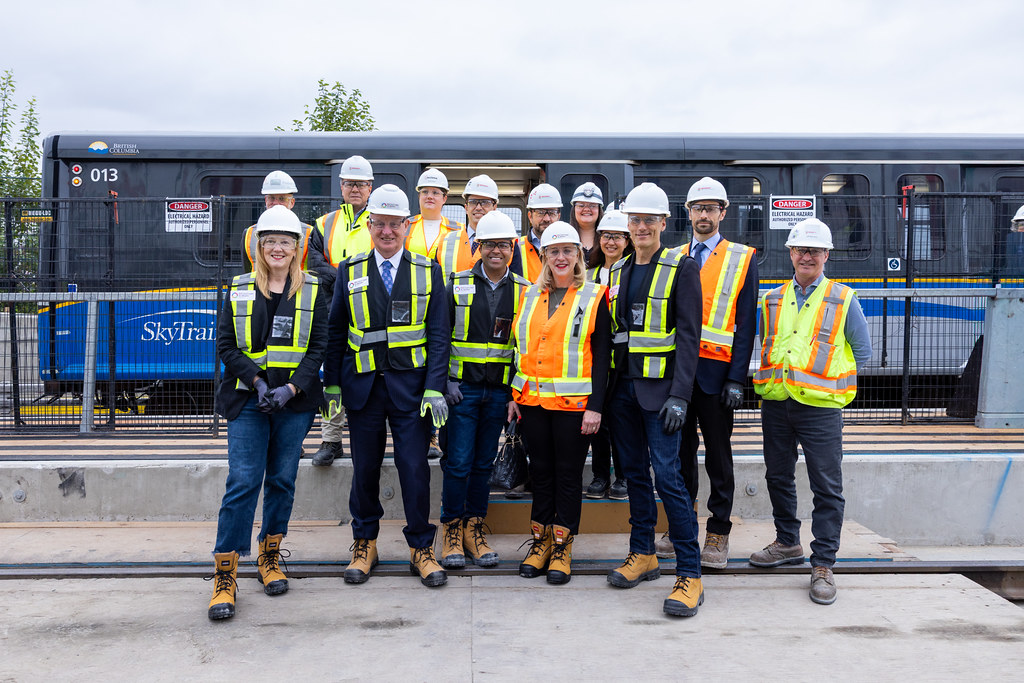
TransLink has released preliminary figures showing a significant increase in public transport use during the FIFA World Cup, with more than 600,000 additional transit boardings recorded across Vancouver’s seven match days.
According to the transit authority, average ridership increased by around 87,000 boardings on each match day, while more than one million passengers used the network each week during the first four weeks of the tournament.
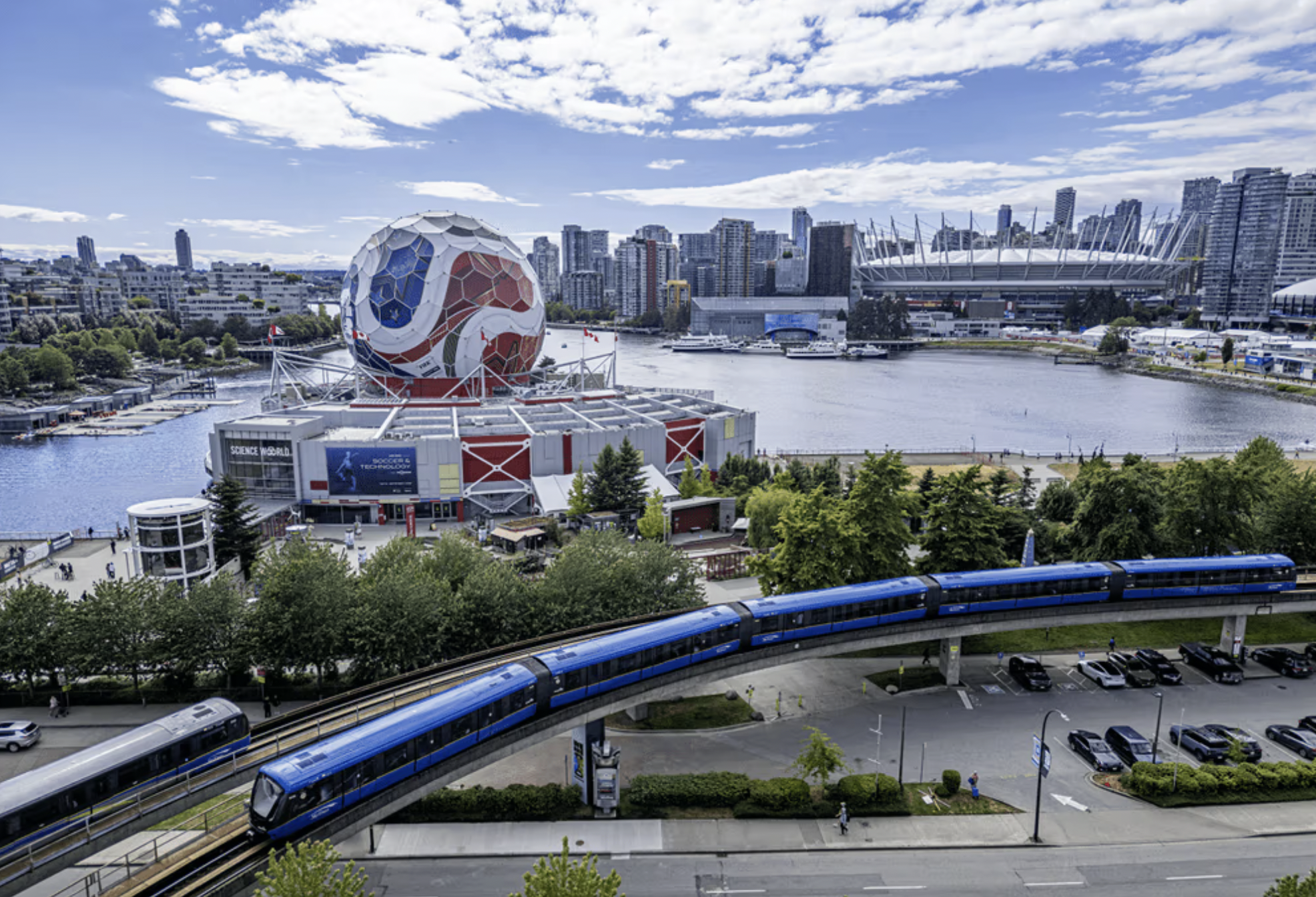
The figures indicate that demand extended beyond match travel, with elevated ridership also recorded on non-match days as visitors travelled to restaurants, hotels, fan zones and other destinations across Metro Vancouver.
Kevin Quinn, CEO of TransLink, said:Transit was the backbone of Metro Vancouver’s World Cup experience, and each day there were thousands of employees working around the clock to move extraordinary crowds while keeping the region running. They planned for nearly two years, adapted in real time, and delivered one of the strongest transit operations in our history. Their work connected people to matches, celebrations, restaurants, hotels, and destinations across the region, fueling the economy beyond the tournament.
The busiest day of the tournament was 24 June, when Canada played Switzerland at BC Place. TransLink recorded nearly 1.4 million boardings across its network that day, representing the highest daily ridership recorded by the organisation in more than six years.
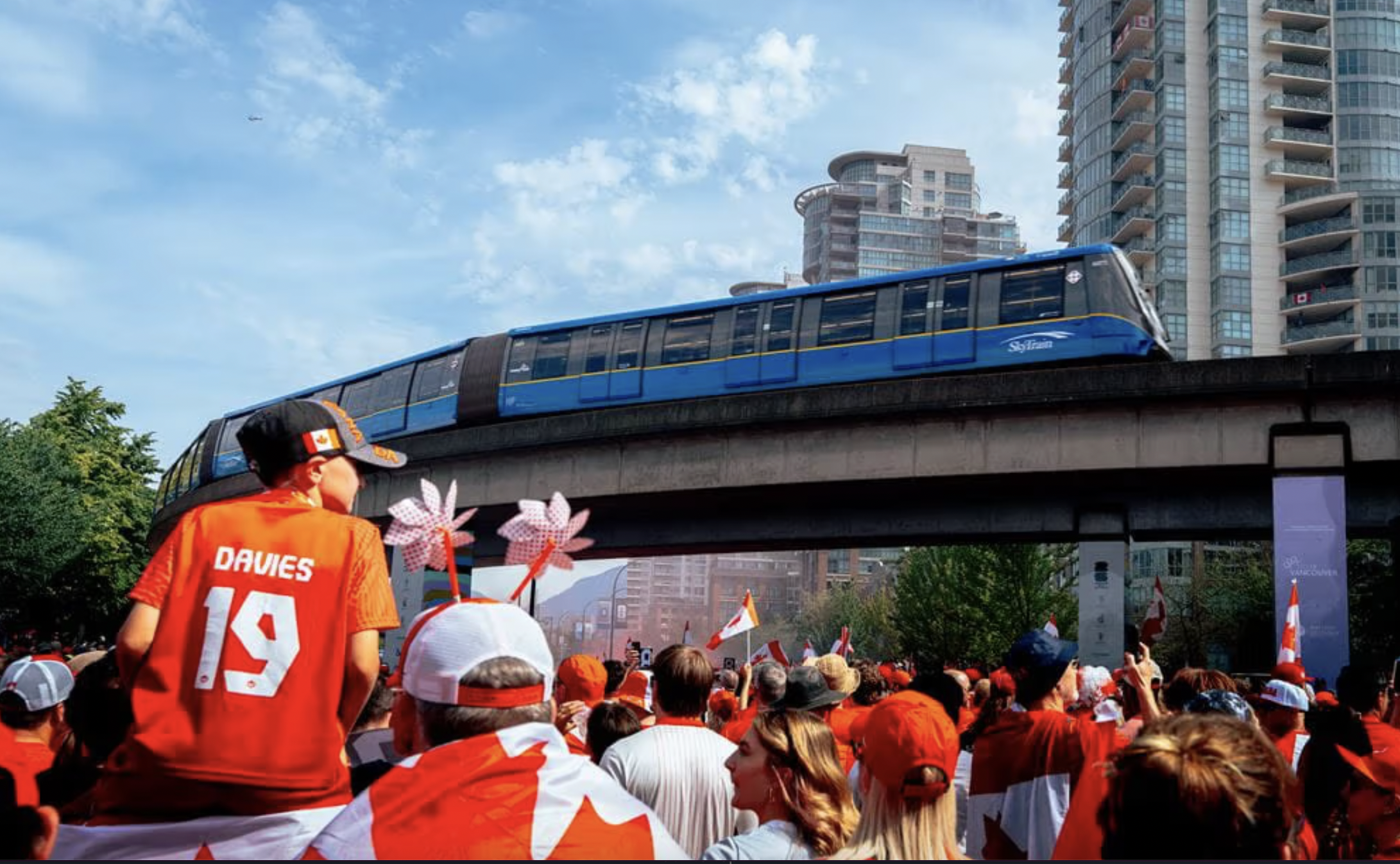
SkyTrain stations serving BC Place also experienced substantial increases in passenger numbers. Ridership at stations surrounding the stadium rose by an average of 54% on match days, while system-wide SkyTrain ridership increased by 18%.
TransLink also reported that ridership remained above normal throughout the tournament, even on days when no matches were taking place. Approximately 44,000 additional boardings were recorded on non-match days, equivalent to a 4.2% increase over normal levels.
The transit authority also estimates that more than 100,000 additional passengers used the network each week compared with typical demand, suggesting the increase was driven by both visitors and residents who do not regularly travel by public transport.
Despite the higher passenger volumes, TransLink said calls to its Customer Information team fell by 7.6% compared with June 2025, reaching their lowest level for the month of June since 2022. This suggests passengers were able to plan journeys and navigate temporary travel arrangements with relatively few requests for assistance.
Meanwhile, more than 3,800 items were handed into TransLink’s Lost Property office during June, an increase of over 500 compared with the same month last year.
TransLink said the results demonstrate the role of public transport in supporting travel during large-scale events, with additional services, staffing and customer information helping accommodate increased demand while reducing pressure on the road network.
Read more: FIFA World Cup Shows Why Transit Deserves More Federal Commitment