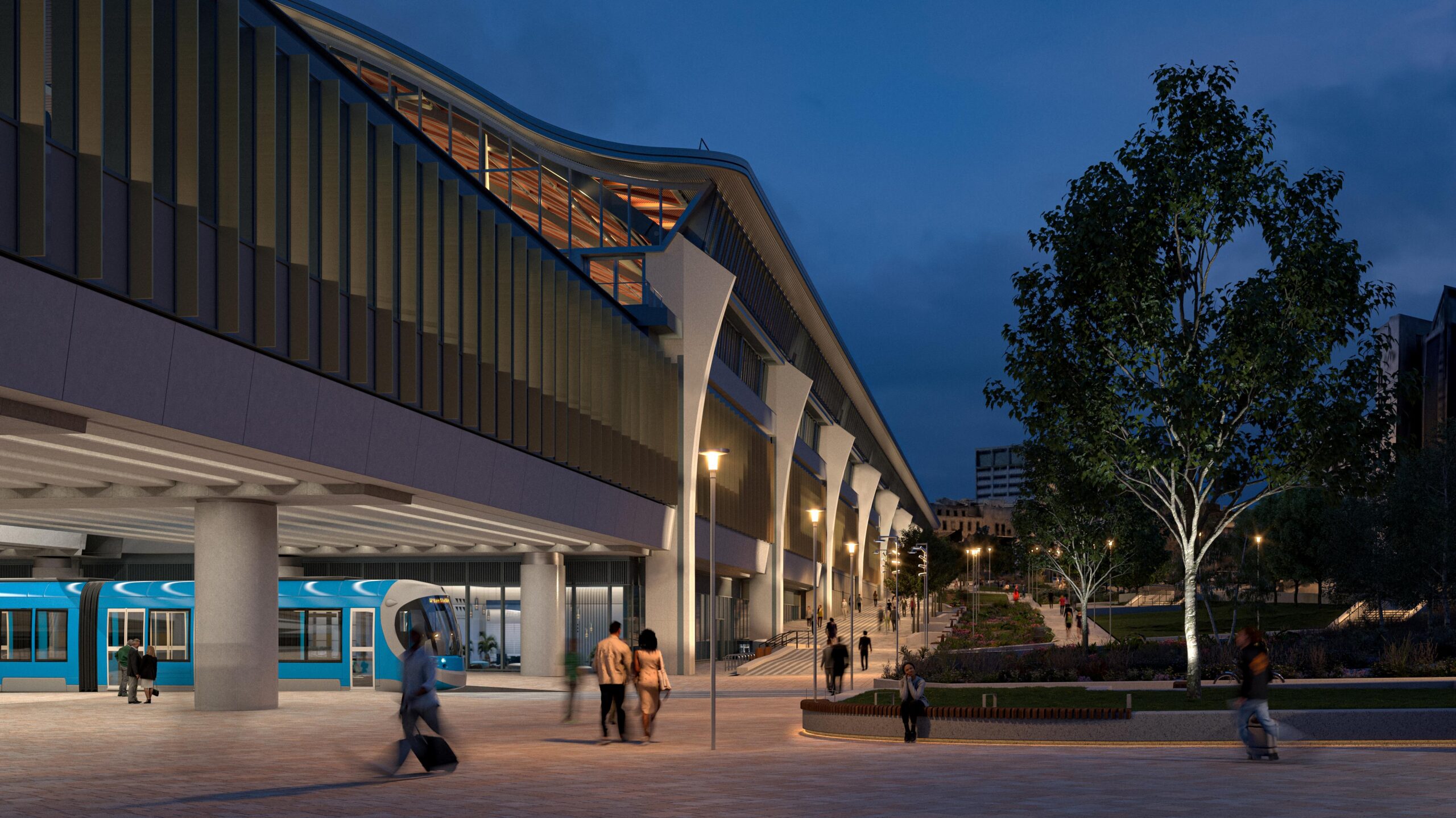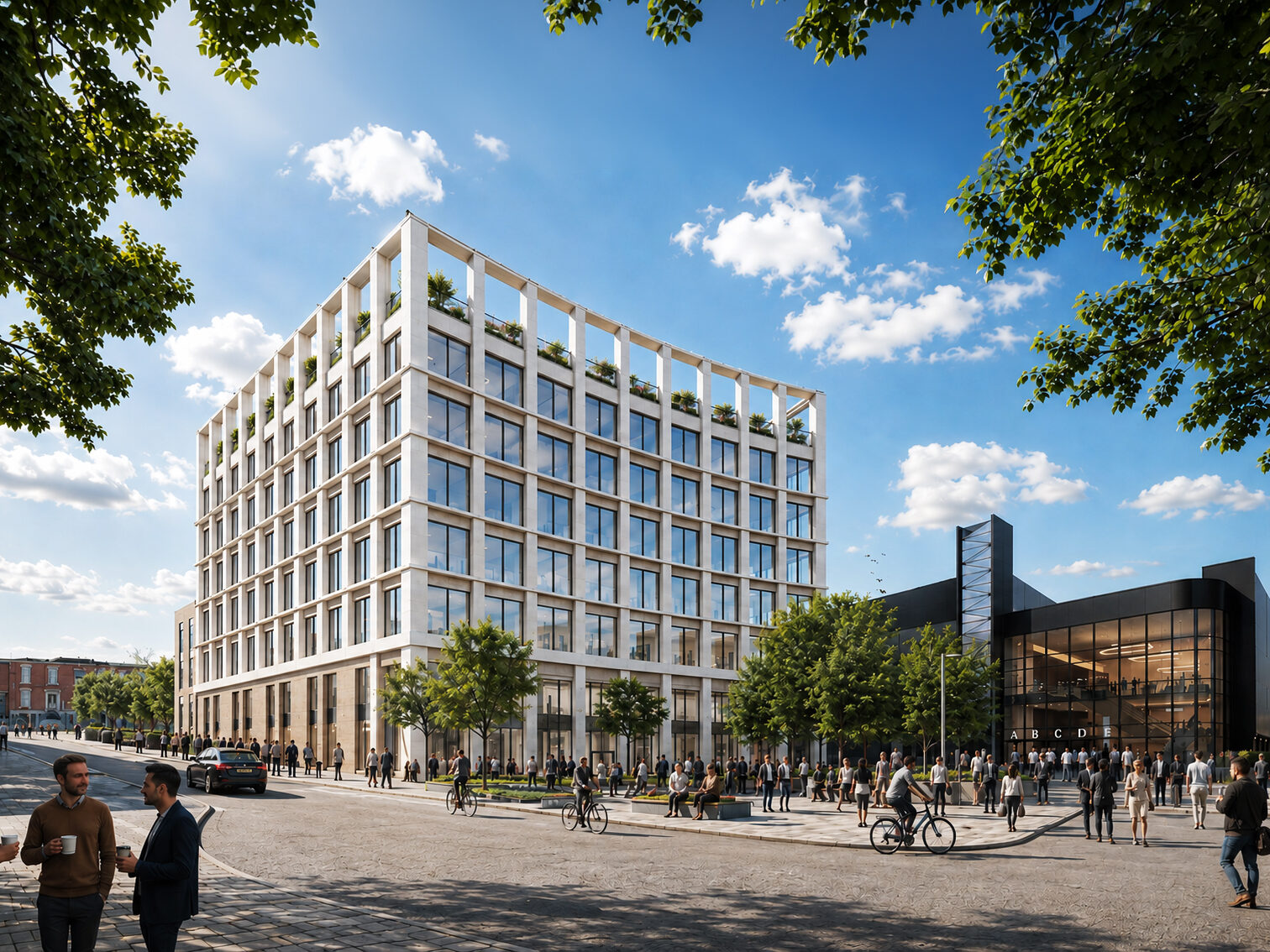
Metrolinx has started construction work to expand Oakville GO Station as part of wider upgrades aimed at improving accessibility, passenger flow and service capacity on the Lakeshore West corridor.
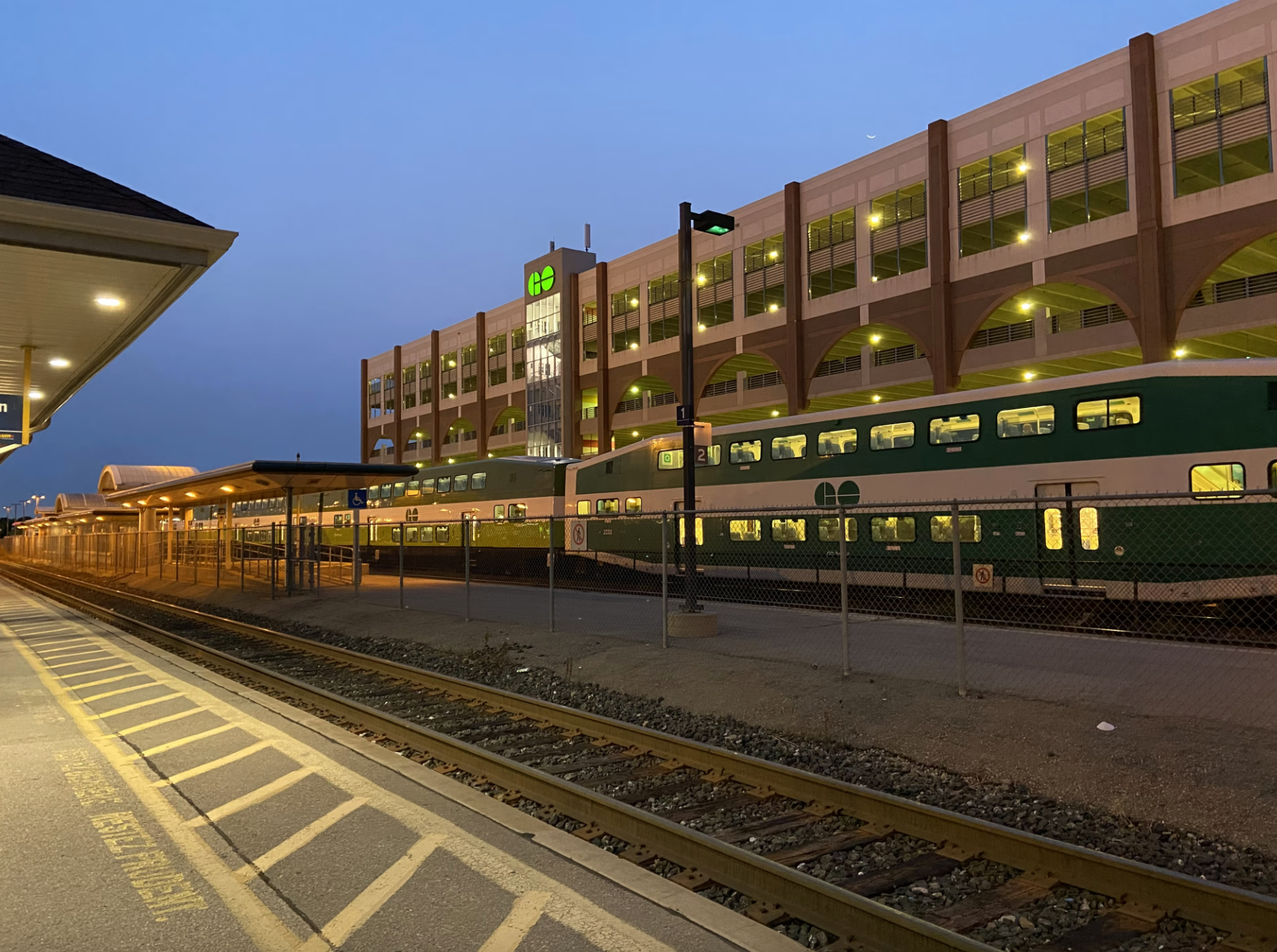
The station, which opened in 1967 alongside the launch of GO Transit, currently serves more than 10,000 passengers daily, making it the busiest station on the Lakeshore West line and the second busiest across the GO Transit network after Union Station in Toronto.
The expansion forms part of the broader GO Expansion programme, which will increase rail capacity across the Greater Toronto and Hamilton Area. The programme includes long-term investment in infrastructure to support rising ridership levels.
The Oakville project is intended to modernise station facilities and improve connections between rail services, buses, cycling infrastructure and pedestrian access.
Station Upgrades
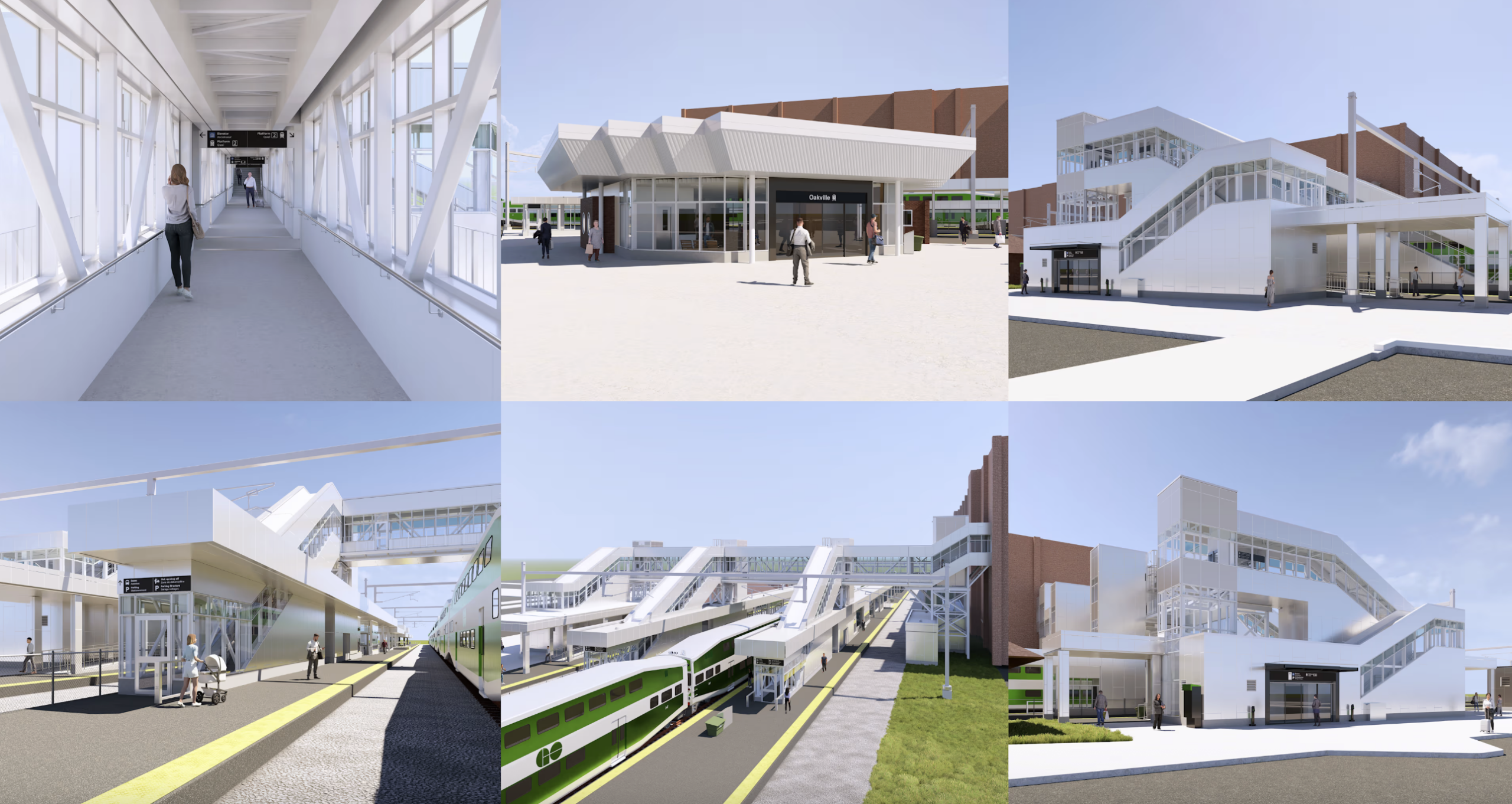
The expanded station will include refurbishment of existing platforms with accessibility improvements, including tactile edges and updated signage systems. New mini-platforms, canopies and shelters are also planned.
A new accessible pedestrian bridge is part of the design, along with four elevators and four staircases providing access to platforms and the adjacent parking structure.
Changes to the bus interchange area include an expanded bus loop with additional platforms, along with new shelters and updated passenger information displays. Parking and cycling facilities are also due to be upgraded, including resurfacing works, improved signage, and a new secure bicycle storage area.
The station building will also be modernised, with upgrades to mechanical, electrical and architectural systems, alongside interior and exterior improvements.
In April 2026, Metrolinx awarded the construction contract to Kenaidan Murphy Joint Venture. The contract follows a design development phase that began in late 2024 under a Construction Manager at Risk (CMAR) model. The CMAR approach allows construction planning to be integrated earlier in the design process, enabling contractors to contribute input on buildability, materials and scheduling before construction begins.
Initial construction activity began in April with the establishment of staging areas at the north-west section of the station and a construction compound on the southern side.
Temporary fencing, trailers and signage have been installed to manage access and maintain safety around the site. Metrolinx said detours will be introduced where required for passengers moving through the station.
As work progresses, crews will install a temporary crossing to support construction access and maintain train service operations. A widened temporary platform is also planned to allow continued boarding and alighting during the expansion phase.