Railway-News speaks to Matt Mayse, Inside Sales Lead and Bryan Beier, Director of Sales and Business Development at COMET Industries, about how the company’s refurbishing services are helping railcar operators extend the life of their fleets and meet industry regulations.
Railway-News: For readers unfamiliar with COMET Industries, please could you give us a quick overview of your business?
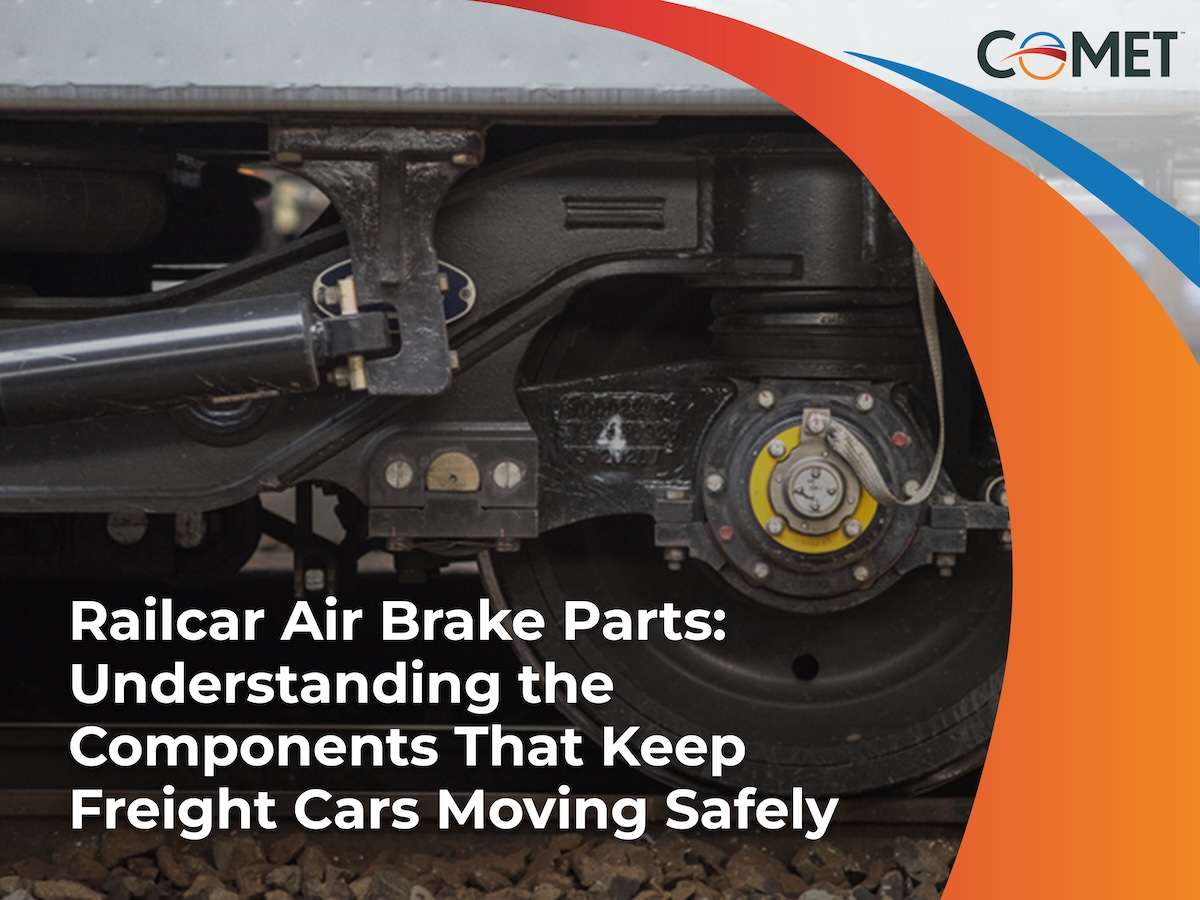
Bryan Beier: COMET Industries has been operating since the 1960s and focuses on the refurbishment and requalification of key railcar components, particularly bolsters and side frames. These are vital parts of the freight car’s truck assembly and must meet stringent standards to remain in service. We serve a broad customer base across North America, including Class I railroads, leasing companies and repair shops. Our work not only supports compliance but helps extend the economic life of rolling stock through cost-effective refurbishment strategies.
RN: What are the regulations around life extension in North America, and how does COMET Industries help railcars remain in service longer?
Matt Mayse: In the US, freight railcars are subject to interchange rules set by the Association of American Railroads (AAR). These rules dictate the service life of a car’s major components. A typical railcar truck frame or bolster is allowed a 40–50-year lifespan, but with proper refurbishment and requalification, that can be extended by up to 15 years. That’s a significant benefit for owners and operators.
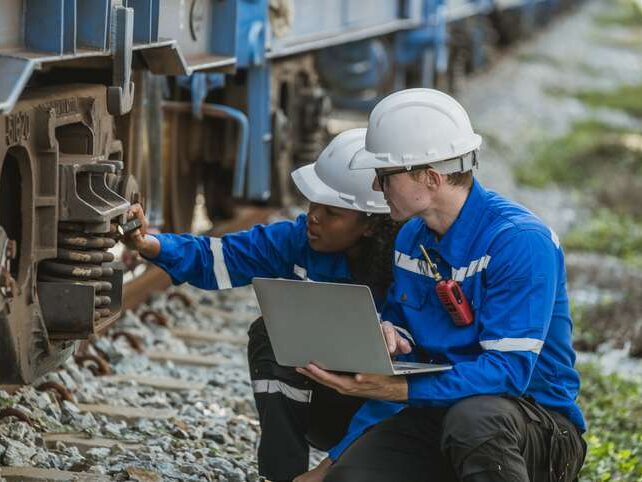
To qualify for the extension, refurbished parts must pass a series of inspections and tests to ensure they meet or exceed AAR standards. That’s where we come in. COMET uses a rigorous inspection process and highly experienced technicians, some with decades in the field, to ensure every part we requalify is fit for another full-service cycle.
RN: What does this inspection and requalification process involve?
MM: It’s a multi-stage process. First, we do a visual inspection and a magnetic particle test to check for surface or subsurface defects. Then we measure key dimensions: length, width, pocket depth, wear areas and so on, against original manufacturing tolerances.
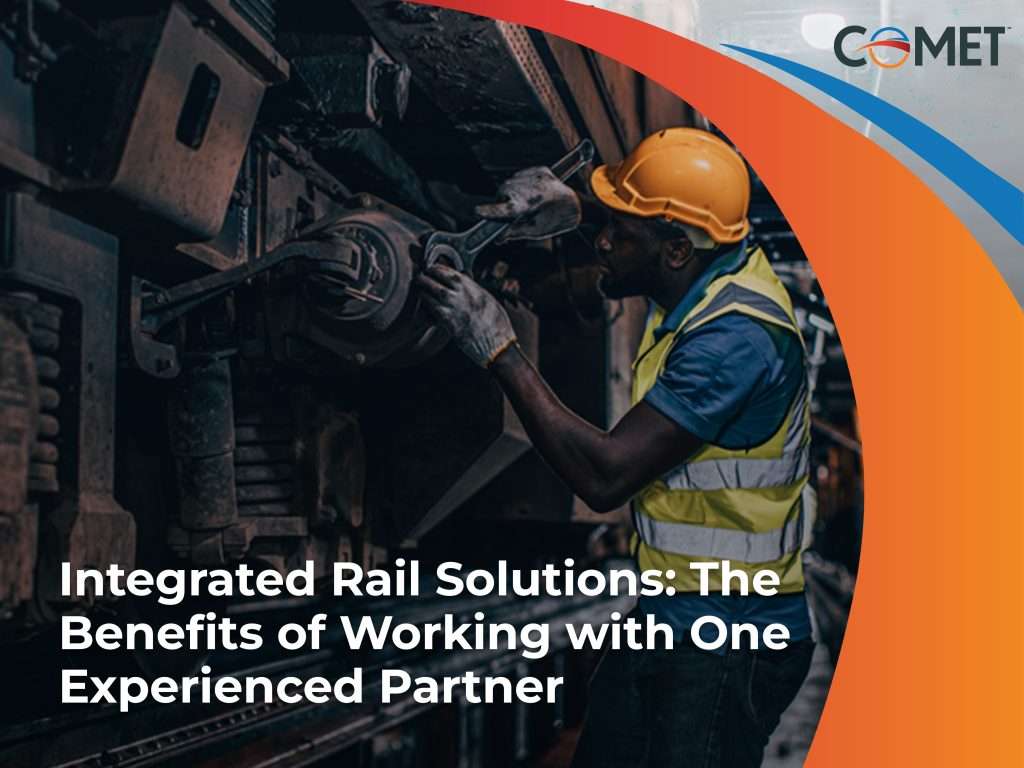
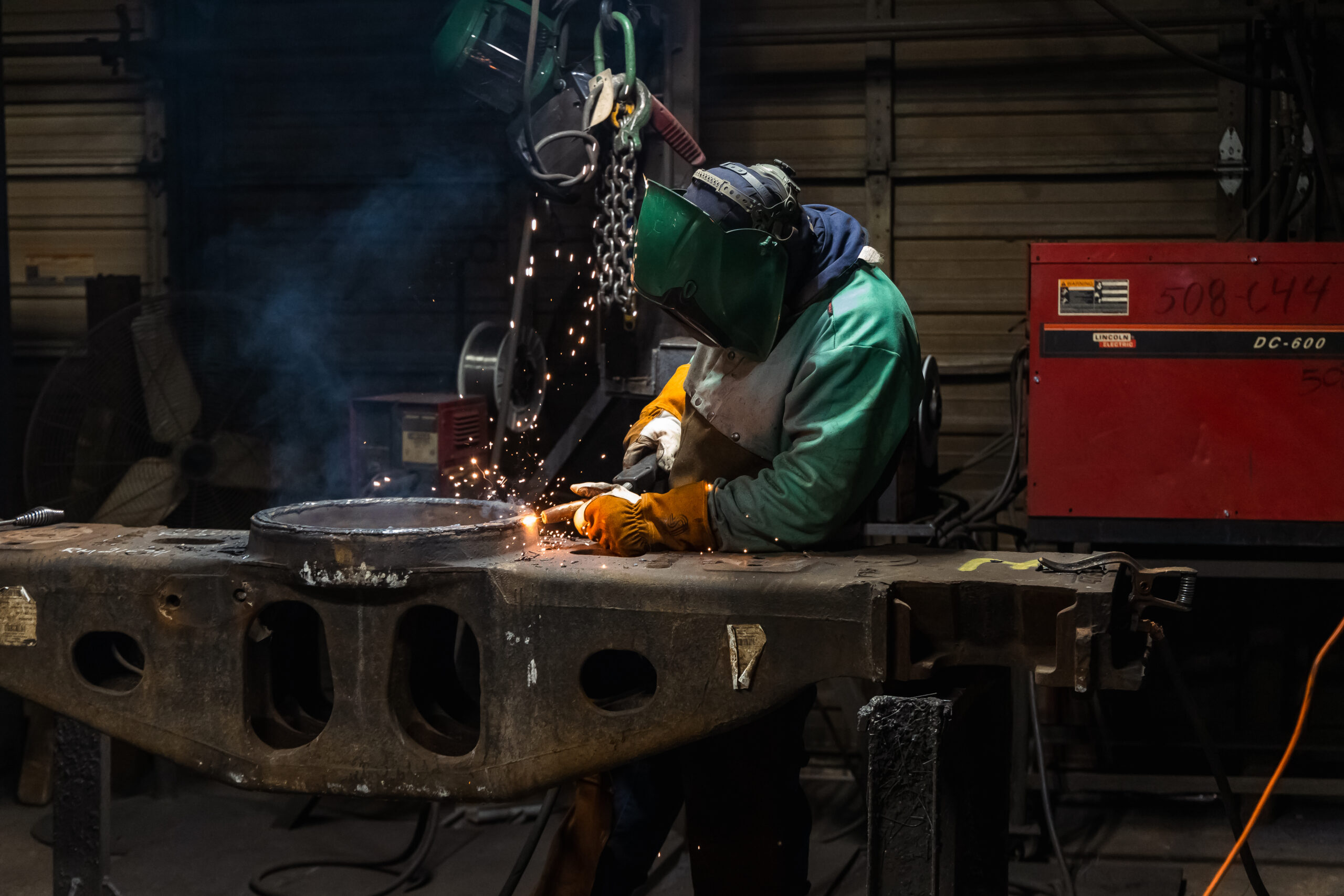
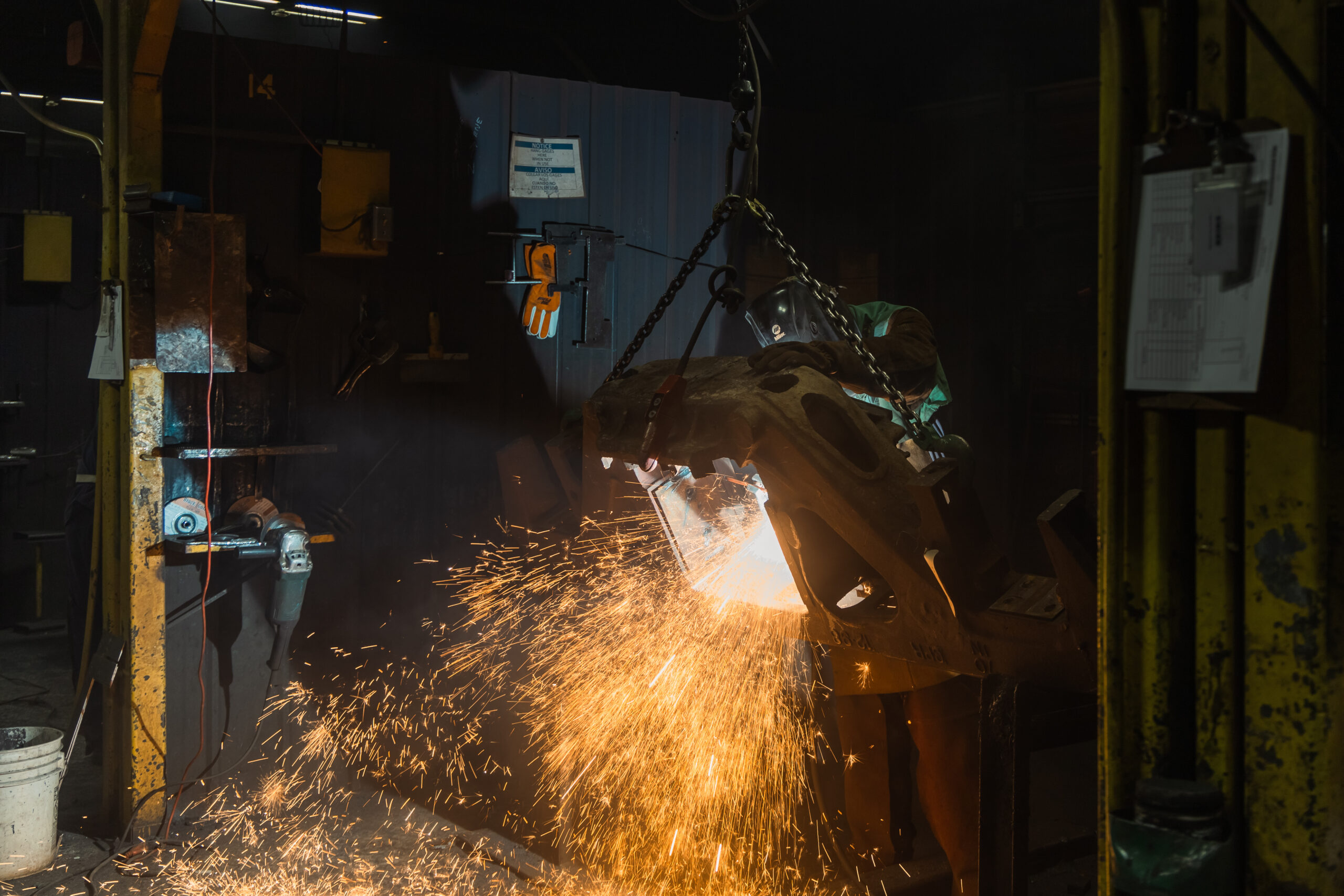
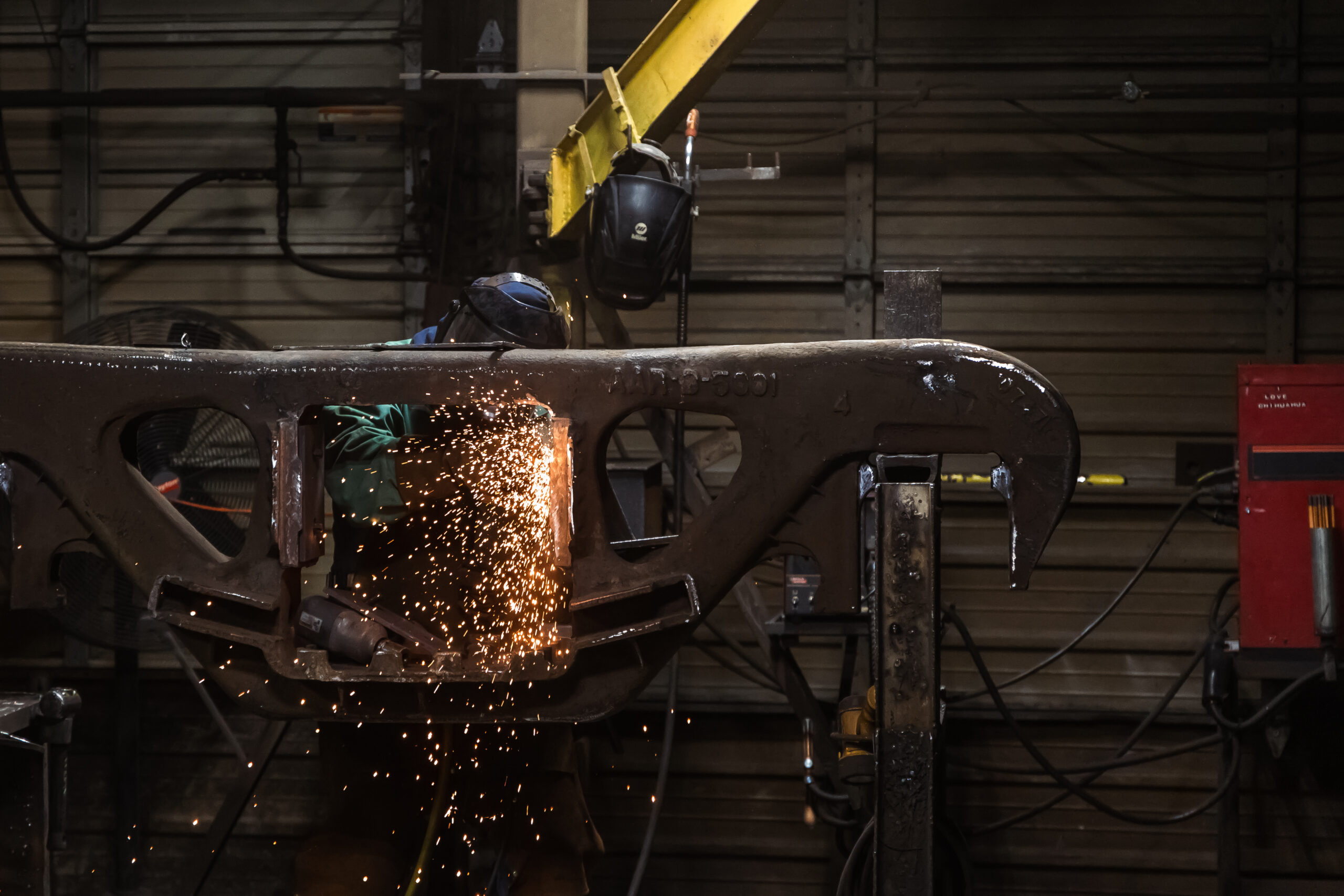
If the part passes inspection, we move on to requalification. This may involve welding or machining worn areas back into tolerance. Once all necessary repairs are made, the part goes through a final inspection and then shot blasting and painting before it’s returned to the customer with documentation proving compliance.
We pride ourselves on our pass rates. One of our Class I customers recently received 50 of our refurbished bolsters. Of those, 35 passed their internal inspection, which is set at a stricter level than AAR standards. That may sound like a 70% pass rate, but for context, the same railroad also received 250 bolsters from other suppliers and only two of those passed. That shows the quality we deliver.
RN: What challenges do operators face when it comes to refurbishing under AAR rules?
MM: The biggest challenge is understanding the complexity of the standards and ensuring that their suppliers truly know what they’re doing. There are very specific tolerances for every measurement, and if you’re not familiar with AAR regulations or don’t have the right shop setup, it’s easy to fail requalification.
Operators also have to be careful with traceability. You can’t just install any refurbished part; you need to know where it came from, how it was tested and have confidence in the provider’s documentation. At COMET, we maintain detailed records and have a robust QA process that’s been vetted by customers and AAR audits alike.
RN: How does COMET stay ahead of evolving standards and customer expectations?
MM: We work closely with Class I railroads and repair shops to understand their needs. Our team includes experts with years of field experience, so we’re always focused on quality and continuous improvement. We’ve also invested in our inspection technology and training to stay aligned with the latest industry best practices.
A big part of it is communication – being proactive with customers about what parts can be reused, what needs replacement and what life-extension options are viable. We want to be a partner, not just a vendor.
RN: Is there a difference in regulatory approach between North America and other regions?
MM: Yes, there are differences, especially when you compare the North American AAR rules to regulations in Europe. In North America, the interchange system means a railcar might travel across several state borders and dozens of different railroads. That requires a unified standard, which AAR provides. In Europe, there’s more fragmentation, and life-extension practices vary more between countries.
We’ve seen some interest from international customers in how our refurbishment model could be applied abroad, but the regulatory frameworks don’t always align. Still, the principles of safety, traceability and cost effectiveness are universal.
RN: Looking ahead, what trends are shaping the future of component refurbishment?
MM: Sustainability and cost efficiency are both big drivers. Rail operators are looking for ways to extend asset life without compromising safety. Refurbishing a bolster or side frame can be significantly cheaper than buying new, with a fraction of the environmental impact.
There’s also growing pressure on fleets to remain agile. Refurbishment offers a flexible solution whether you’re reactivating idle cars, adapting to new load profiles, or just trying to defer capital expenditure.
Long-term, I think we’ll also see more digitisation – using digital twins and lifecycle tracking to manage components more proactively. That’s something we’re preparing for as the industry evolves.
RN: Any final thoughts you’d like to share with our readers?
MM: Refurbishment isn’t just a stopgap – it’s a strategic option that more operators should consider. When done right, it can extend the life of your assets by years, reduce costs and keep you compliant with interchange rules. We’re here to help customers navigate that process with confidence.
To learn more about our refurbishing services please visit cometind.com.
This article first appeared in the Railway-News Magazine Issue 2 2025. Download a PDF version here.