Alstom has released its first Brazil Impact Report, marking 70 years of operation within the country.
The document details the company’s economic, environmental and social impact in Brazil during the 2024/2025 fiscal year, as well as providing an insight into its general history in the country.
The report states that Alstom technology can be found in 81% of all passenger rail transport in Brazil, with the last fiscal year having seen the company make contributions of around 763 million BRL to the country’s GDP, with 600 million BRL coming as a result of indirect impacts generated by its supply chain.
During its last fiscal year, the company’s activities supported over 5,800 direct and indirect jobs within the country.
Made up of 606 national suppliers; Alstom’s production chain sees 78% of its purchases made from the local area, injecting 144 million EUR into the economy and strengthening the country’s industrial sector.
Throughout Latin America; Alstom is present in 6,000 kilometres of signalling and over 2,000 embedded systems in active operation, giving it the largest install base within the entire region. The company delivers to a number of operators in Brazil including those in São Paulo (SP), Rio de Janeiro (RJ), Porto Alegre (RS), Recife (PE), Belo Horizonte (MG) and Brasília (DF).
Suely Sola, Managing Director of Alstom Brazil and of Signalling & Infrastructure at Alstom in Latin America, said:Alstom’s technology helps move over 6 million passengers each day in Brazil. Our nearly 1500 employees in the country build trains, components and signaling systems for Brazil and around the globe.
Our work actively contribute to the progress of cities and to more sustainable and inclusive mobility.
Since its opening in 2015, Alstom’s factory in Taubaté has served as the company’s centre for the production of stainless steel cars within the region, receiving around 130 million BRL in investments over the last four years.
The plant is located next to two of the country’s main motorways, the Dutra and Carvalho Pinto, and close to the Port of Santos, the largest port complex in Latin America.
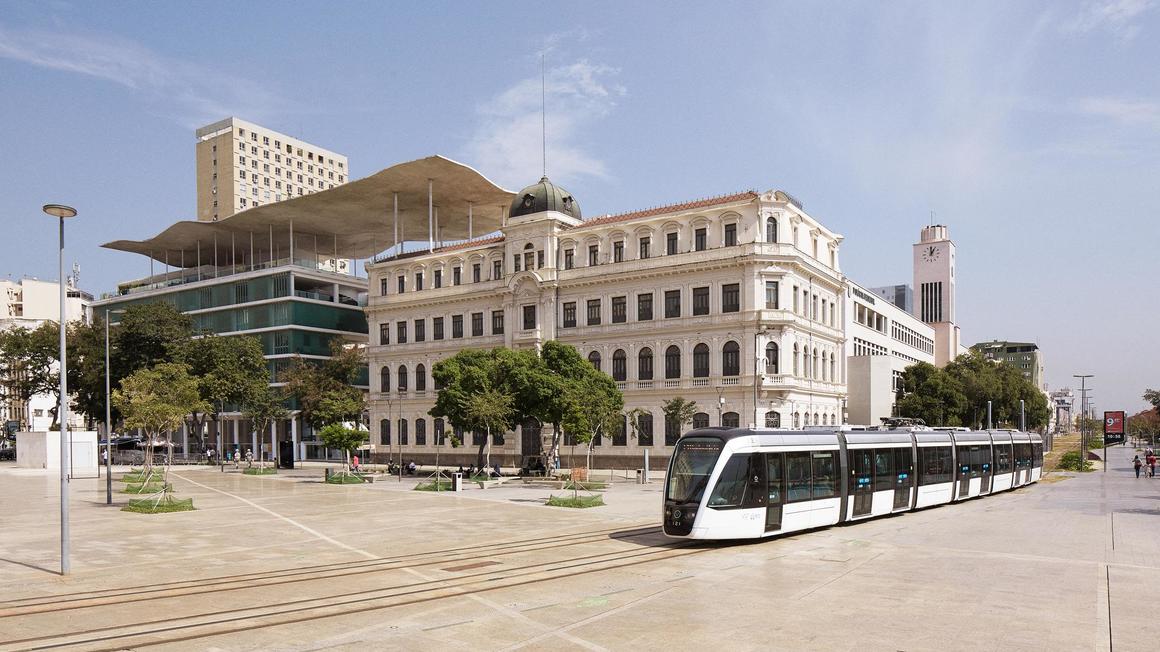
During the last three years; the site in Taubaté has been responsible for the production of over 170 trains (940 cars) for both national and international projects. The site was also responsible for the production of 27 Citadis cars for the Rio de Janeiro tramway, which were manufactured for the 2016 Olympics and became the second project in the world to utilise a 100% catenary-free system.
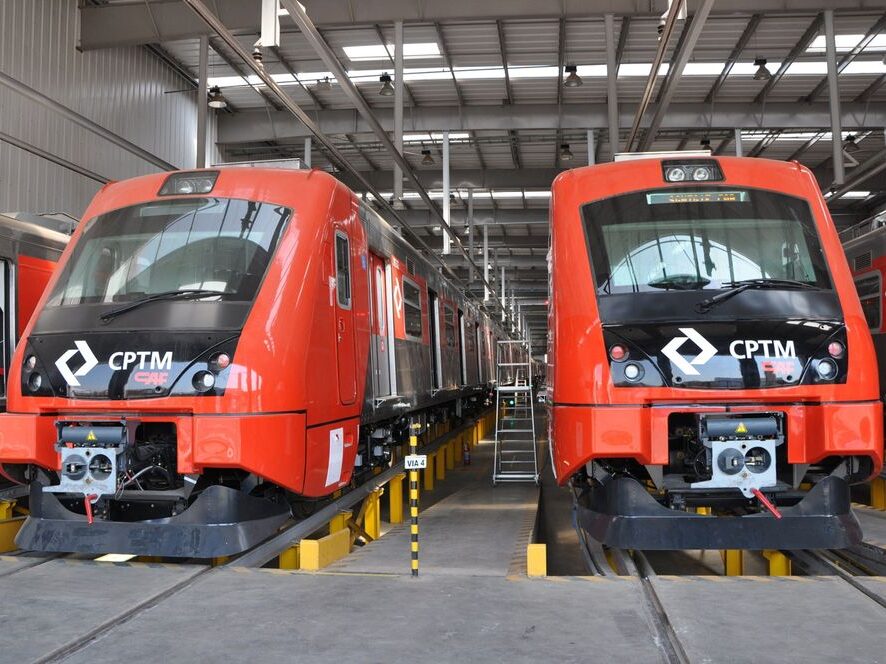
Other recent projects produced in Taubaté include the supply of 36 Metropolis trains, each with eight cars, for Lines 8 and 9 of the São Paulo Metropolitan Train Network (with ViaMobilidade); production of 22 Metropolis trains, each with six cars, for the University Line (LinhaUni) for Line 6-Orange of the São Paulo Metro; production of 37 Metropolis trains with 5 cars each for the new Metro Line 7 in the Chilean capital; manufacture of 35 Metropolis trains, each with four cars for the Wanda ZS Line of the Taipei Metro; production of 29 trains with four cars each, totalling 116 cars for phase two of the Taipei Circular Line and the production of 13 trains, totaling 78 cars, for the expansion of the Bucharest Metro’s underground transport system.
Finally; the company has stated firm commitments to advance it sustainability agenda via targeted actions focused on energy efficiency, waste reduction and environmental awareness all across all country-wide operations.