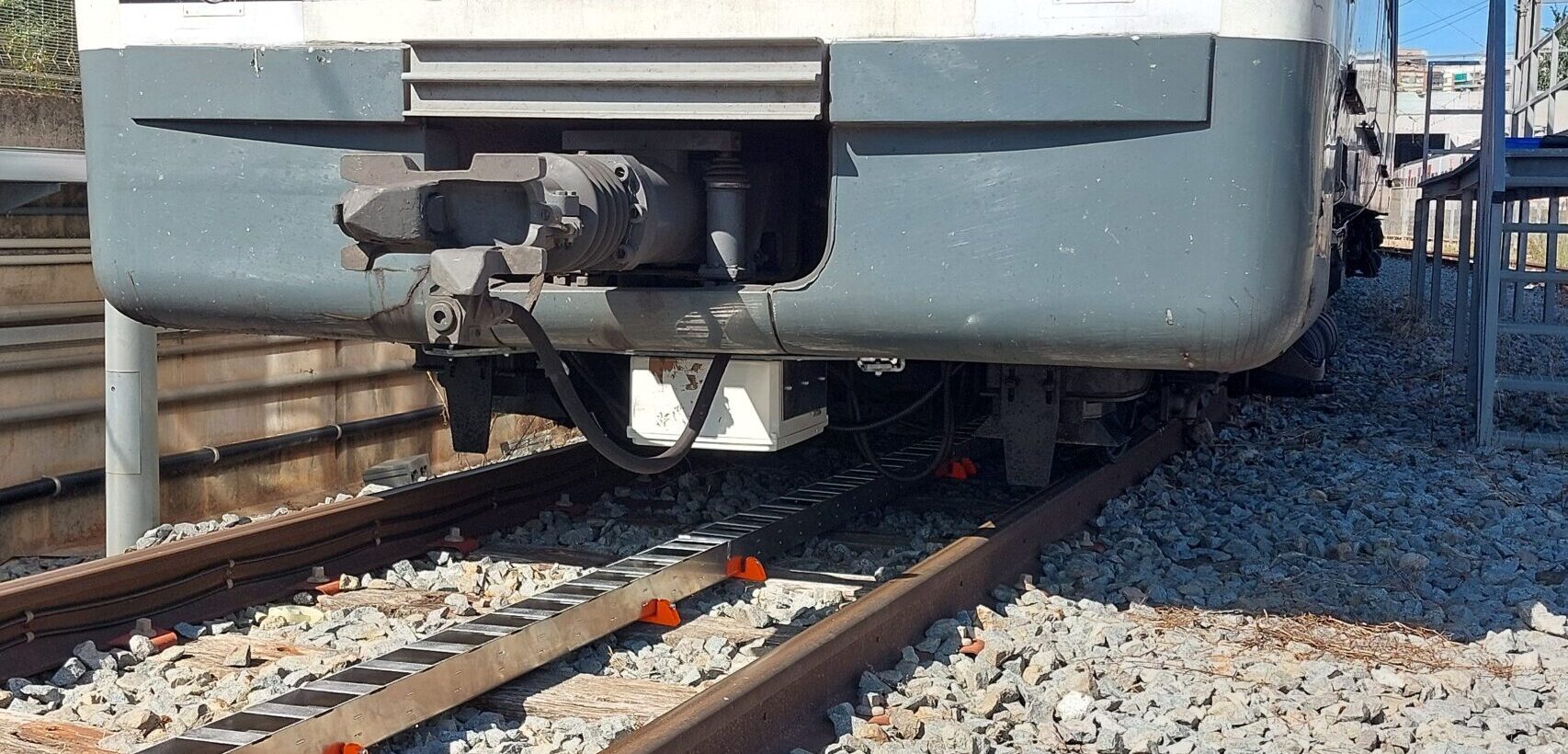
Adif and Alstom have commenced testing a new application of the European Rail Traffic Management System (ERTMS) in Spain, designed for secondary lines with low traffic density.
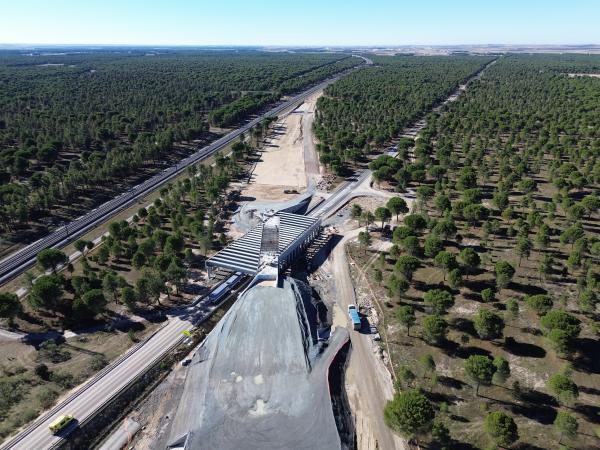
The trials began in November on the metre-gauge section between La Asunción Universidad (León) and Guardo, part of the León–Bilbao route.
The project involves the gradual introduction of ERTMS Levels 1 and 2 on this section. Initial work has focused on verifying odometry functions using equipment installed on the test train. Full trials are scheduled to continue into 2026, with Level 1 testing planned first, followed by Level 2.
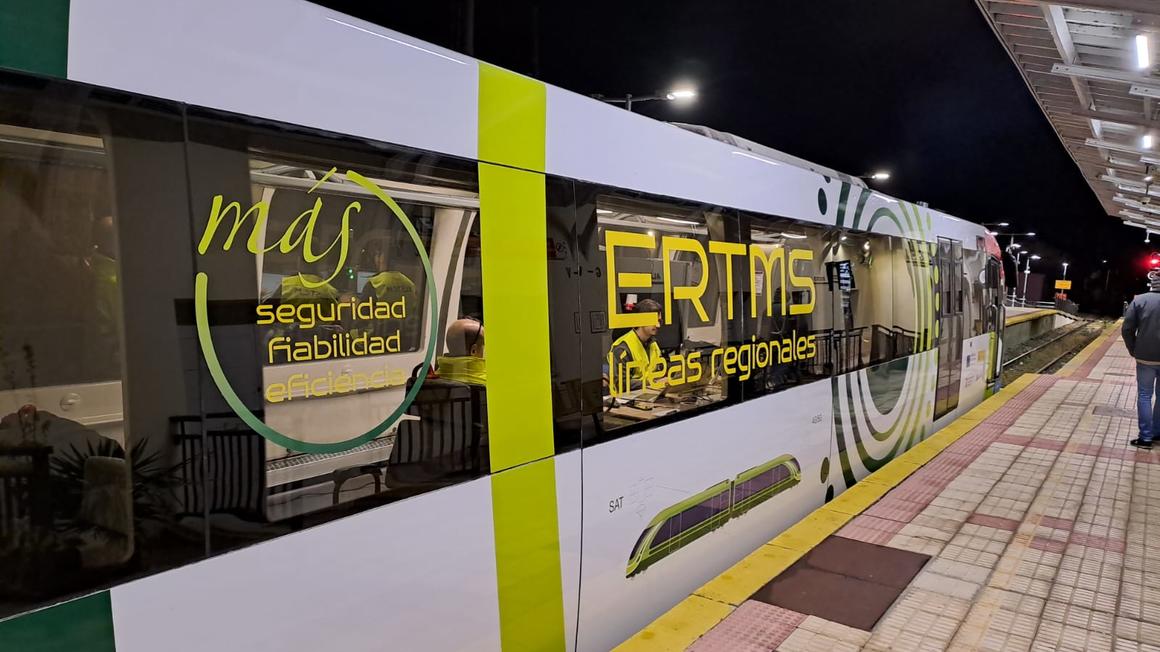
A central element of the project is the use of satellite-based positioning and public telecommunications networks in the ERTMS Level 2 architecture. This approach aims to reduce the amount of trackside equipment required, while maintaining the safety and operational features associated with ERTMS on high-speed lines.
Level 1 testing will also take place, including assessments of different operational scenarios such as level crossing management. While Level 1 does not incorporate the same new technologies as Level 2, it forms an essential part of the overall trial programme.
Gustavo Mateos, Managing Director of the Signalling, Infrastructure and Railway Safety Unit at Alstom Spain and Portugal said:Alstom is supporting Adif’s efforts to modernise Spain’s rail network by providing advanced technology to implement the European Rail Traffic Management System (ERTMS) on secondary lines.
This initiative underscores Alstom’s commitment to innovation and safety in rail transport, contributing to greater interoperability and efficiency across the network. We are proud to collaborate with Adif on this important project, which represents a significant step forward in enhancing the reliability and sustainability of rail operations in Spain.
Adif awarded Alstom the contract for this research, development and innovation project in April 2023. The work is being led by Alstom’s Centre of Excellence in Railway Safety and Signalling in Madrid. The programme includes deployment of the new application on the La Asunción Universidad–Guardo section as a pilot installation.
The project explores how satellite-enabled positioning, sensor hybridisation and the use of public communication networks could be integrated into ERTMS. These technologies are intended to offer an alternative to the GSM-R communications system traditionally used with ERTMS, potentially providing a more flexible option for regional and local lines.
ERTMS is the European Union’s reference system for train control, supporting safe and interoperable operation across borders. While the system is widely used on major corridors, implementation on regional routes has been less extensive due to cost and compatibility factors.
The application under development for the León–Guardo line seeks to address these challenges. The reduced need for trackside equipment is expected to make the system easier to install on lines with lower traffic volumes, while remaining consistent with the broader ERTMS standard used across Europe. This would enable secondary lines to adopt functions such as improved traffic management, increased capacity through reduced headways, and more consistent communications between track and train.