JRPass, an online provider of Japan Rail Passes, has compiled practical advice for tourists to help them follow local customs when travelling by train in Japan. Specifically, the provider aims to clarify questions on whether you are allowed to eat on Japanese trains.
In response to this commonly asked question, JRPass has compiled a list of five tips for travelling on Japanese trains.
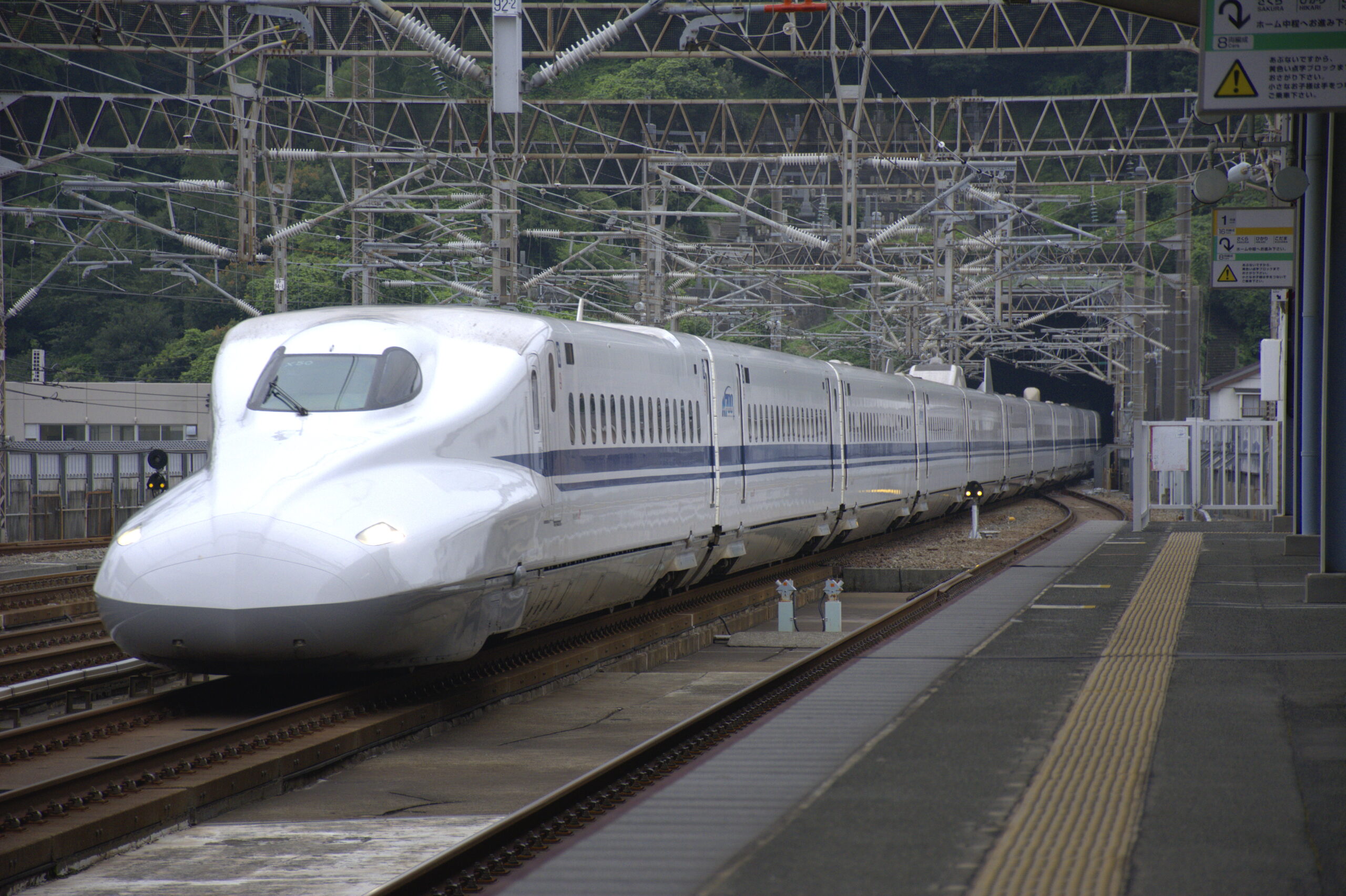
1. Avoid eating on local commuter trains
On long-distance and high-speed trains, such as the Shinkansen or limited express services, eating is generally accepted. These trains are equipped with tray tables and more spacious seating. On local commuter services, particularly in busy cities like Tokyo, eating full meals is discouraged. If you must eat, it is best to choose a small, discreet snack.
2. Eat considerately
While there are no formal rules, it is customary to avoid foods that are loud or strongly aromatic. Pre-packaged bento boxes, or Ekiben, are widely accepted and form part of the travel experience. They often include regional dishes such as sushi, grilled fish, tempura, or marinated meats. Choosing an Ekiben is a way to enjoy food while respecting local norms.
3. Keep your space tidy
Passengers are encouraged to contain food and drinks within their personal area, using the available tray or table. After eating, rubbish should be placed in designated bins on the train or at stations. Some bins are not immediately visible, so it is acceptable to take rubbish with you until it can be properly disposed of.
4. Observe general etiquette
Japanese trains are known for their calm atmosphere, particularly in Green Class (first class). Passengers are expected to keep mobile phones on silent, avoid loud conversations, listen to music at a considerate volume, and use only the space allocated to them. Proper disposal of rubbish and careful behaviour helps maintain this environment.
5. Plan ahead
It is useful to plan meal times around longer journeys, when there is space and time to eat comfortably. Travellers should check their train services in advance to see if dining options are available or if food should be purchased beforehand. Many major stations, including Tokyo, Kyoto, Osaka, and Hakata, offer a variety of Ekiben and other food options, making it easy to prepare for the journey.
Daniel de Nieuwe, Head of Product at JRPass said:Food is a wonderful part of travelling in Japan, and eating on long-distance trains is something many visitors really look forward to. Understanding a few simple etiquette principles helps everyone enjoy the journey. With a little planning, a meal on the Shinkansen becomes more than a convenience; it becomes a memorable part of the travel experience.