India’s ambition to introduce high-speed rail marks a major undertaking. While conventional rail in India is among the busiest in the world, the step into high-speed services includes a leap in technology, operations, and passenger experience.
The Mumbai–Ahmedabad High-Speed Rail Corridor
The flagship project under construction is the Mumbai–Ahmedabad High-Speed Rail Corridor, spanning approximately 508 kilometres. Once complete, it will connect Mumbai in Maharashtra with Ahmedabad in Gujarat, reducing the travel time between the two cities from 6–7 hours by train to around 2 hours.
The line is being designed for Japanese Shinkansen technology (E5 Series), adapted for Indian conditions. The trains are expected to have a maximum speed of 320 km/h and an operational speed of about 300 km/h.
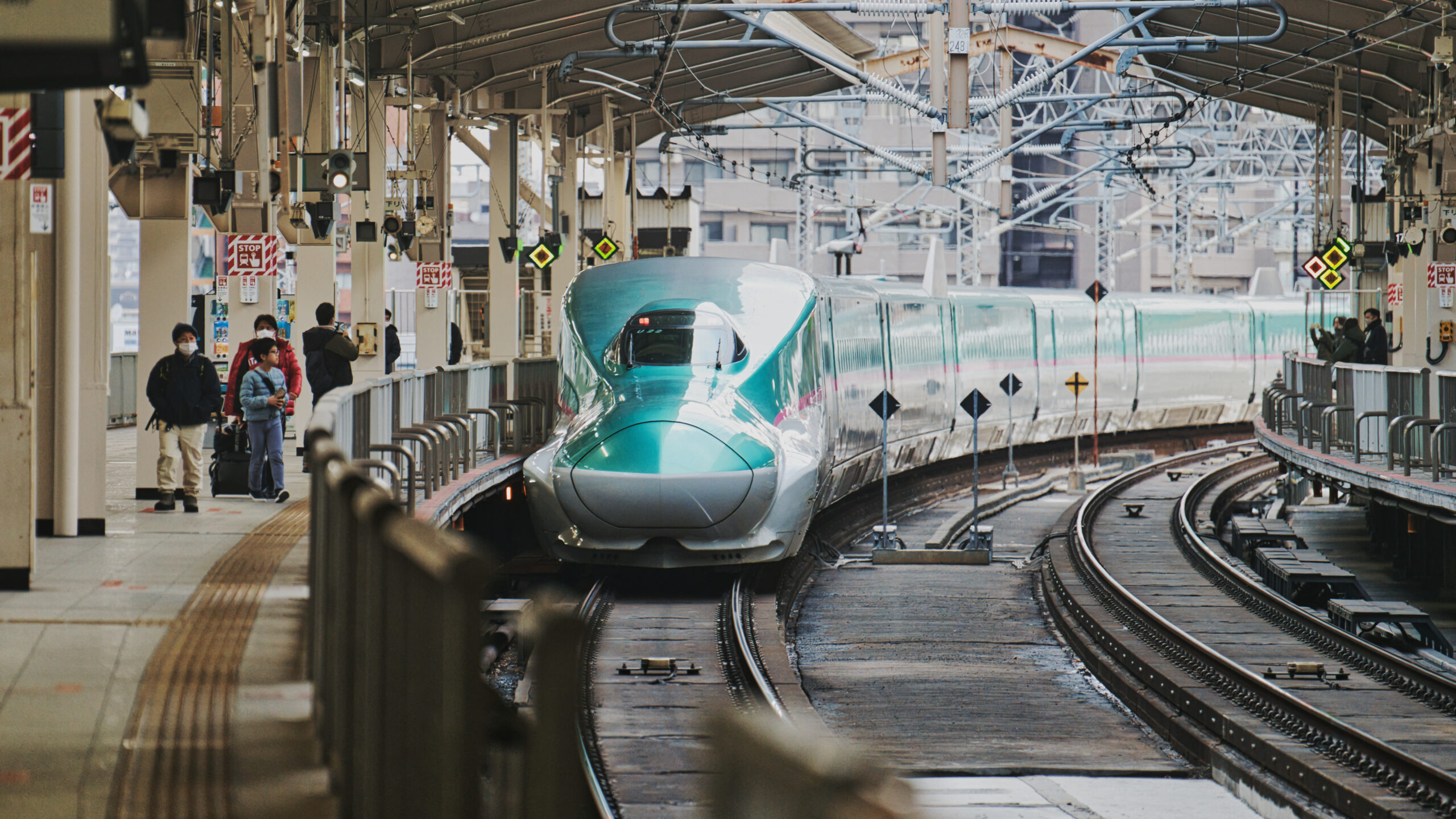
The project is financed through a soft loan from Japan and executed with technical support from Japanese agencies and companies. Planned stations include Mumbai, Thane, Surat, Vadodara, Anand, and Ahmedabad, with both standard and limited-stop services envisaged.
Initially announced in 2015, the project was expected to be completed by 2023. However, land acquisition issues, regulatory clearances, and the COVID-19 pandemic have delayed progress. As of 2025, officials indicate partial operations on some sections could begin around 2027–2028, with full completion expected in the early 2030s.
Work is ongoing, with large viaducts, tunnels, and bridges being built, including India’s first undersea rail tunnel near Mumbai.
Make in India
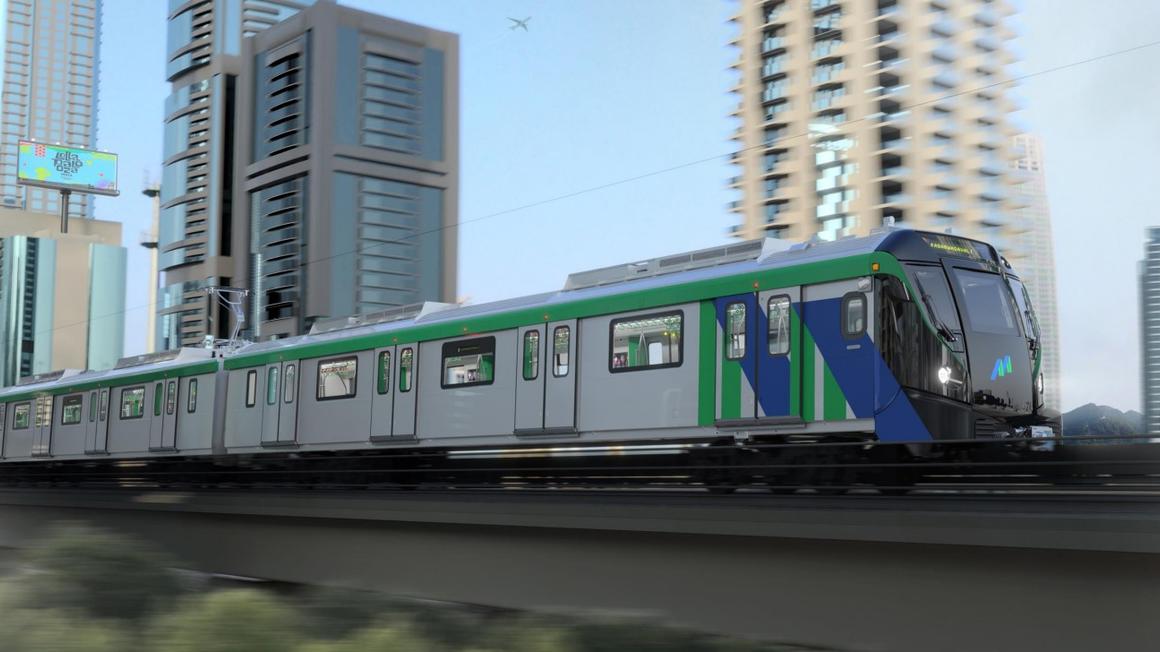
Alongside its partnership with Japan, India is also moving towards domestic development of high-speed rolling stock. In October 2024, BEML was awarded a contract to design and manufacture two prototype high-speed trainsets, each with eight coaches.
These trains will have a top speed of 280 km/h and will be delivered by the end of 2026. They are expected to be substantially cheaper than the imported Shinkansen cars.
The prototypes are intended to prove that India can design, build, and eventually mass-produce its own bullet train stock, supporting the “Make in India” initiative and reducing dependence on imports.
Most recently, BEML contracted Knorr-Bremse to provide braking, door, air-conditioning, and sanitary systems, along with 15 years of maintenance support, for these vehicles.
Other High-Speed Rail Proposals
Beyond the Mumbai–Ahmedabad line, India has proposed several additional high-speed corridors:
- Delhi–Varanasi via Agra and Lucknow
- Delhi–Amritsar via Chandigarh
- Mumbai–Nagpur
- Chennai–Bengaluru–Mysuru
- Mumbai–Hyderabad
These remain in the planning or feasibility stage, with detailed project reports (DPRs) prepared by the National High Speed Rail Corporation Limited (NHSRCL), the agency responsible for implementation.
While the promise of faster travel and modern rail infrastructure is appealing, India faces multiple challenges in realising its high-speed rail ambitions:
- High Costs: The Mumbai–Ahmedabad project alone is estimated at over 13 billion USD
- Land Acquisition: Securing large tracts of land, especially in densely populated areas, has proven difficult
- Technology Transfer and Training: Ensuring Indian engineers, contractors, and workforce are trained for HSR construction and operation
- Passenger Demand: Balancing affordability with operational costs to ensure the service is widely used
By overcoming these challenges, India aims to take a transformative step toward modernising its transport network and positioning rail as a faster, more efficient, and globally competitive mode of travel.