Newly-announced Government plans could see trains be publicly-owned rather than leased.
The proposal forms part of the new Rolling Stock and Infrastructure and strategy announced by the Government on Monday 28 September, which will see the railway take a coordinated approach through Great British Railways (GBR) to decide on trains, track, depots and maintenance, ensuring investment is planned across the entire network instead of in isolation.
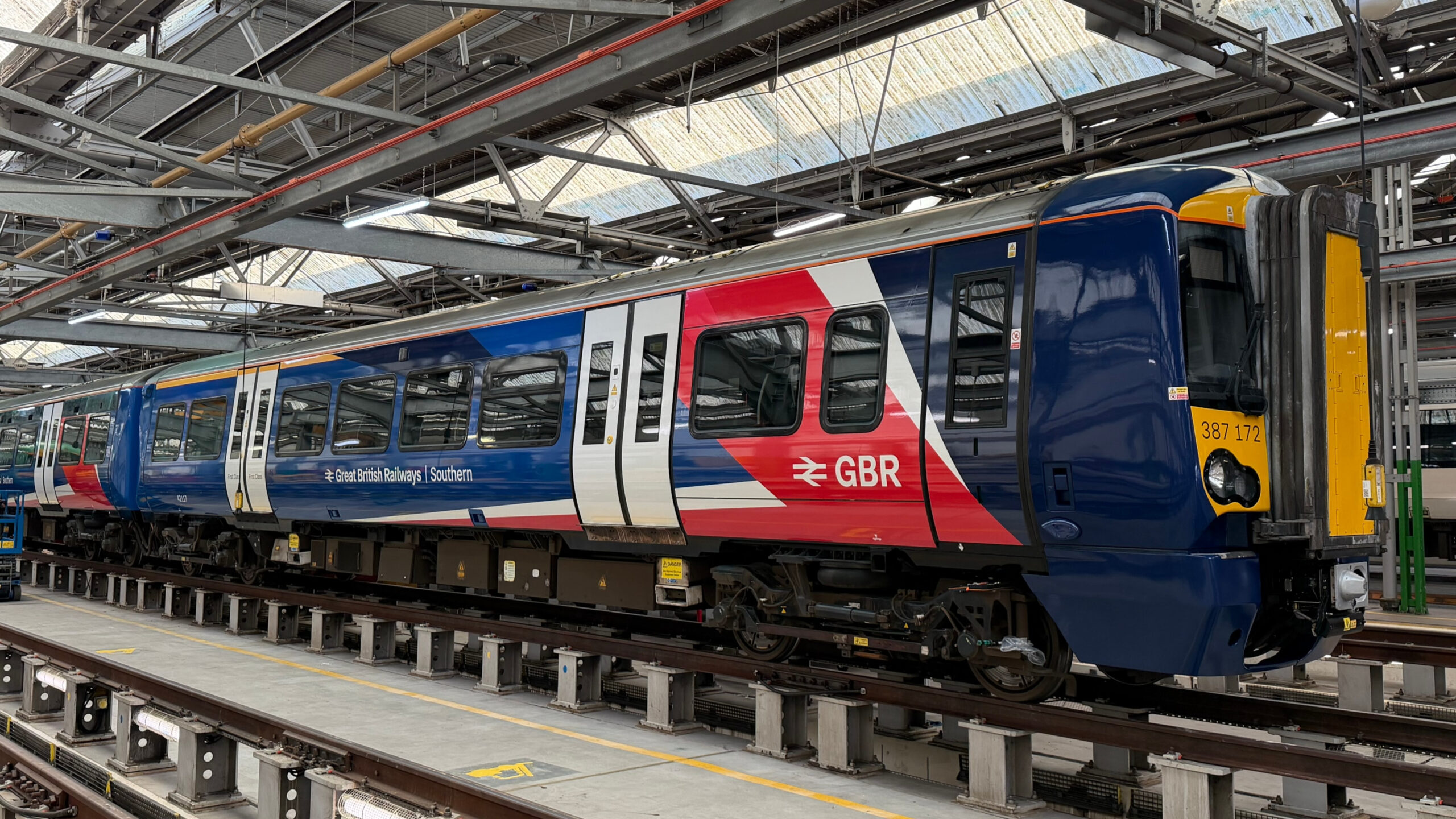
Setting out a new policy for future train procurements, the strategy will allow Great British Railways to assess whether direct public ownership, leasing or other financing arrangements would offer the best value for both tax and fare payers.
For more than 30 years, the majority of passenger trains have been owned by rolling stock companies and leased to operators by default. Now, GBR will begin to take a case-by-case approach to new trains, as well as consider whether private or public ownership gives taxpayers the best overall value.
With leasing and maintenance costing over 4 billion GBP per year, and the Office of Rail and Road reporting that yearly dividends from rolling stock companies totalled more than £2.5 billion over the last ten years, the Government has now confirmed that whilst leasing will remain in place for existing contracts, it will no longer be considered the default choice for the acquisition of new trains.
This strategy follows a recent announcement that saw Alstom awarded a 1 billion GBP investment for the production of a brand-new fleet of UK-made, battery-powered Great British Railways trains for the Transpennine Route Upgrade – a move which is expected to secure hundreds of jobs in Derby and thousands more across their supply chain – and aims to provide further certainty for the UK by providing the basis for a clearer, longer-term pipeline of investment in trains and infrastructure.
Additionally, GBR will seek to prioritise any and all social benefits of these new contracts, primarily skills and jobs. The body will aim to ensure that any successful contracts provide jobs and opportunities to the UK workforce, as well as give GBR a central role in supporting businesses, strengthening skills and capability across every postcode.
On the passenger side, they are expected to benefit from improved reliability as fleets, infrastructure and maintenance are planned un unison, whilst future trains will feature enhanced passenger information systems and more consistent digital connectivity. The strategy also includes plans for ‘fleet families’, which will create a more standardised design across train types and provide more consistent and accessible trains so passengers are able to know what to expect, whilst the rolling stock itself can be used more flexibly across the network.
The decision has been made in a bid to ensure that public control over essential services, such as transport, will be designed and run in the best interests of the public. By putting the railways back into public control, the Government believes that railways across the country will receive a more joined-up system that aims to put passengers first, delivers better and more reliable services and abolishes fragmentation of Britain’s railway network.