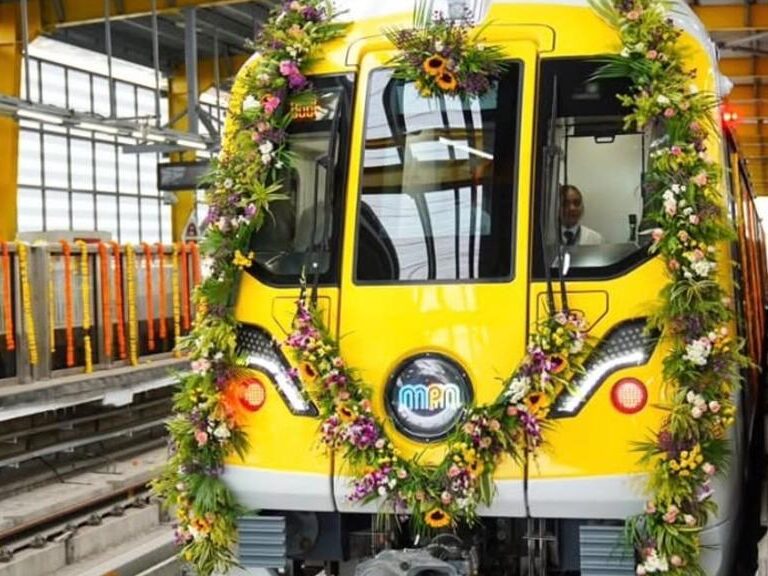
Alstom is to build 29 battery-electric trains for TransPennine Express at its Litchurch Lane Works in Derby, in a government-backed deal worth around 1 billion GBP.
The trains will be the first battery-electric fleet built for long-distance main line services in Britain. They are expected to begin construction in 2028 and enter passenger service from winter 2034.
The investment comes as the government seeks to overhaul the railway in the North through the Transpennine Route Upgrade (TRU), while also using Great British Railways (GBR) to bring track, trains and stations under a more integrated structure.

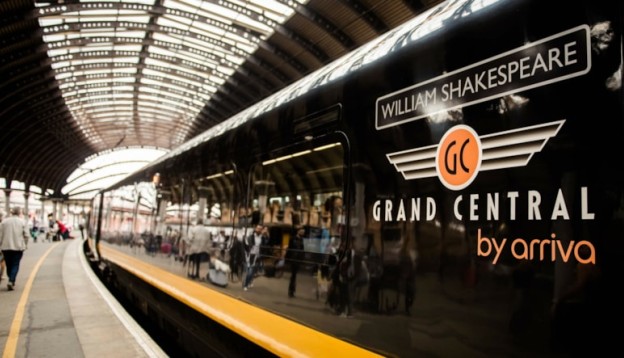
The new fleet will operate services including Liverpool Lime Street–Scarborough, Manchester Airport–Saltburn and Manchester Piccadilly–Hull.
TPE was brought into public ownership in May 2023 after the government decided not to renew its contract, citing months of significant disruption and regular cancellations.
The new trains are intended to form part of a longer-term replacement of TPE’s diesel-only rolling stock as the infrastructure on the TransPennine network is upgraded.
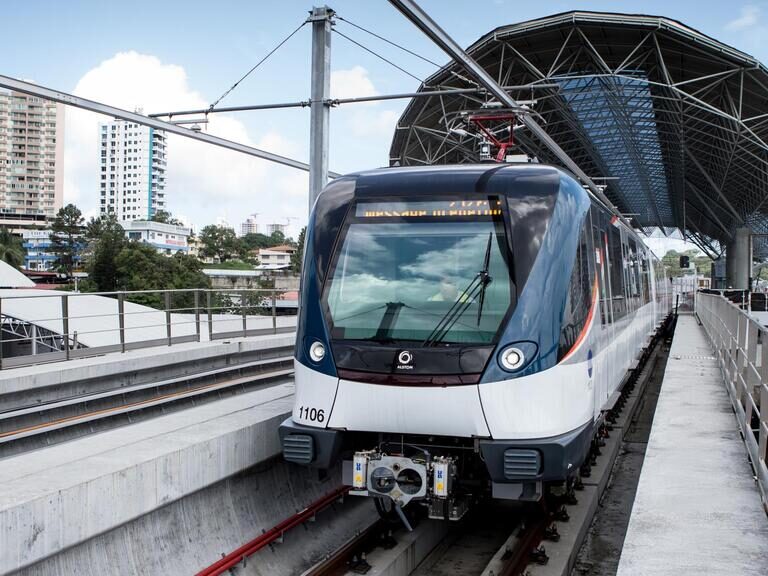
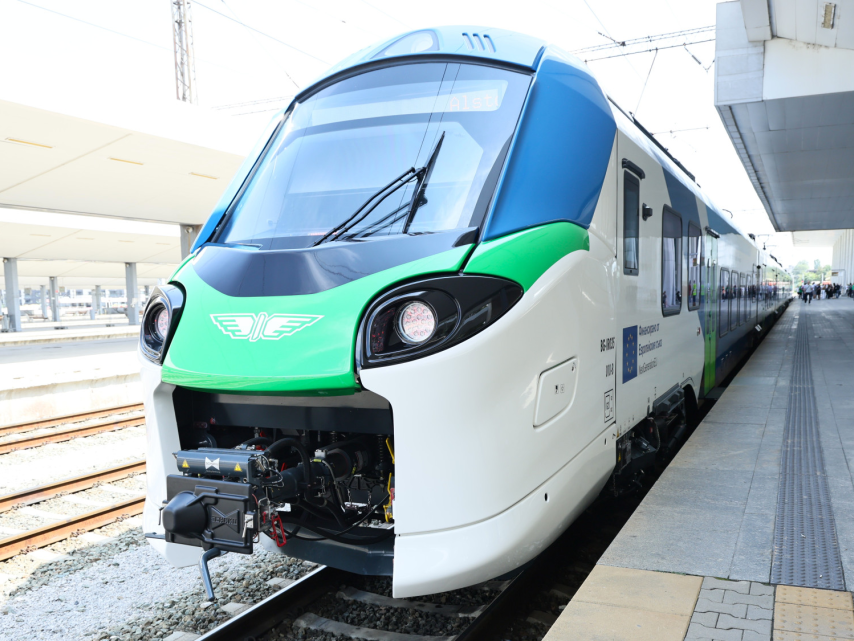
The new Adessia Stream trains will use batteries to operate on sections of railway without overhead electrification. This will allow emission-free operation on non-electrified sections while avoiding the need to electrify every part of the route.
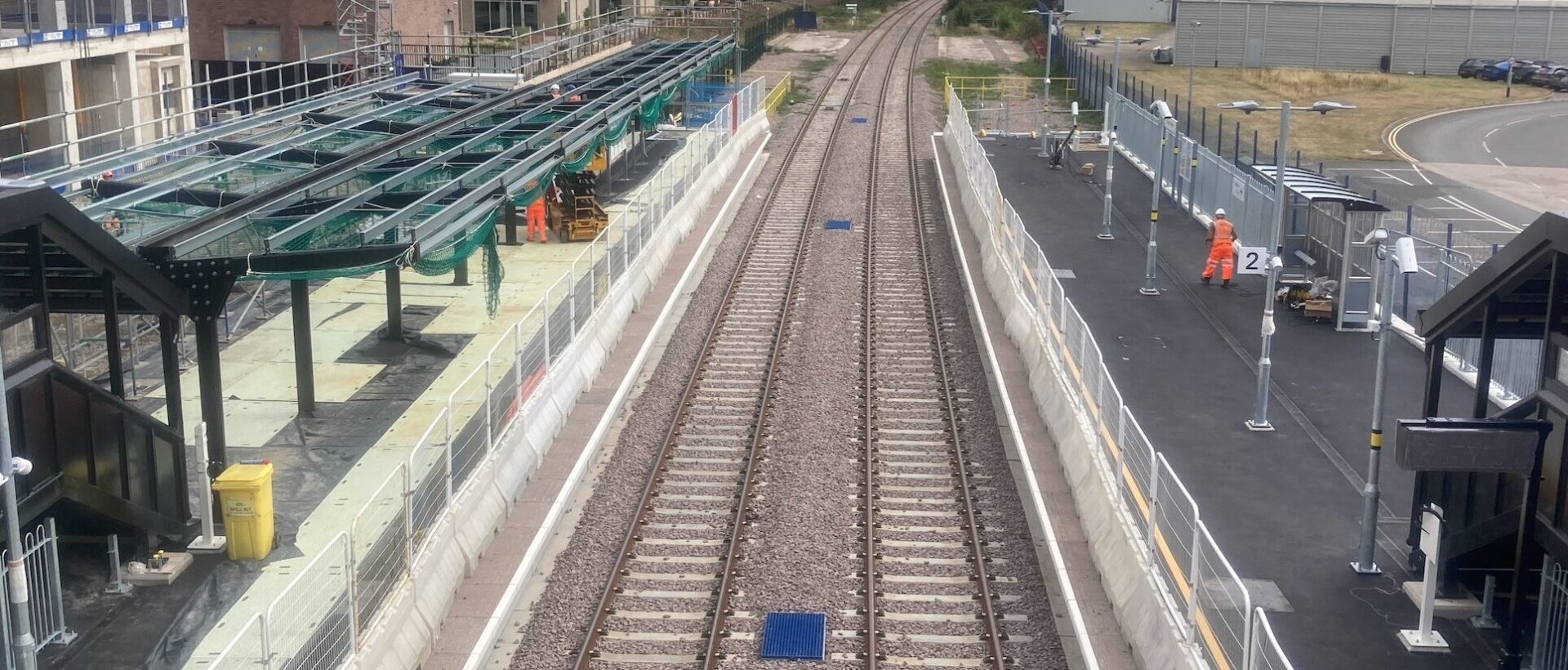
The approach is linked to the wider TRU programme, which is adding electrification, capacity and upgraded infrastructure between Manchester, Huddersfield and York.
Electrification between York and Church Fenton was completed in August 2025, allowing electric services to operate over around a quarter of the Transpennine route. The programme is intended to complete the main line route upgrade by the mid-2030s, with the existing diesel-only fleet subsequently replaced.
The new trains are expected to cut journey times by up to 10 minutes between Manchester and Leeds and by up to 14 minutes between Manchester and York. They are also intended to support the TRU’s planned 30% increase in capacity.
Each train will have three wheelchair spaces, two accessible toilets, family areas, cycle and buggy storage, Wi-Fi and increased luggage capacity. The trains will also provide level boarding, with the design intended to remove gaps between trains and platforms.
Prime Minister Andy Burnham said:I've lost count of the number of times someone has stopped me to tell me about the train that never came. And when that happens, it means missed shifts, missed appointments, and missed opportunities.
Today that starts to change. These 29 new trains will bring faster, more reliable journeys to the North, and thousands of British jobs for the next generation.
It’s exactly what Great British Railways is all about - taking back control of the basics and getting Britain believing again.
Derby Manufacturing
The fleet will be manufactured at Alstom’s Litchurch Lane site in Derby, which has a long history of train production. However, in recent years, the site has faced uncertainty issues due to a lack of continuous orders.
The contract is expected to support more than 350 jobs at the site, including 40 apprenticeships and 40 student positions. The government estimates that a further 6,000 jobs will be supported through the wider UK supply chain, with around 360 million GBP generated for the wider economy.
The trains will be purchased by rolling stock company Rock Rail and leased to TransPennine Express.
Alstom says the UK supply chain already represents a significant part of its purchasing activity. During the past year, the company spent more than 720 million GBP with almost 1,300 British businesses, with around 90% of its spending going to UK suppliers.
The Derby order also comes as Alstom develops its Adessia platform for battery and other forms of lower-emission rail operation. The company has already secured orders for Adessia Stream battery trains in New Zealand, where 18 five-car units are being supplied to Greater Wellington to replace diesel locomotive-hauled trains.
Great British Railways
The government is presenting the deal as an example of how GBR could link decisions about infrastructure and rolling stock more closely.
GBR is intended to bring together track, trains and stations under a simpler structure, with the formal establishment of the organisation expected by the end of 2027.
For TransPennine Express, the timing means the new fleet will arrive after years of infrastructure investment and changes to the operator itself. The trains are not expected to enter service until 2034, meaning passengers will continue to rely on the existing fleet while the TRU works and manufacturing programme progress.
The 1 billion GBP order consequently represents a long-term response to problems that have affected the TransPennine network for years, rather than an immediate solution to current reliability issues.
Transport Secretary Heidi Alexander said:This significant investment embodies how GBR will deliver better journeys for people while backing British business.
Passengers will be able to wave goodbye to overcrowded, delayed diesel trains and step onboard faster electric trains which are fit for the future.
From Alstom’s factory floor in Derby to supply chains across the country, this deal will deliver growth, jobs, opportunity and better transport links for generations to come.
The government says the investment will also support the wider reindustrialisation agenda by retaining train manufacturing work in Britain and supporting employment through Alstom’s domestic supply chain.
For further discussion on this contract, listen to our interview with Jonny Dymond for BBC Radio 4’s World at One show: