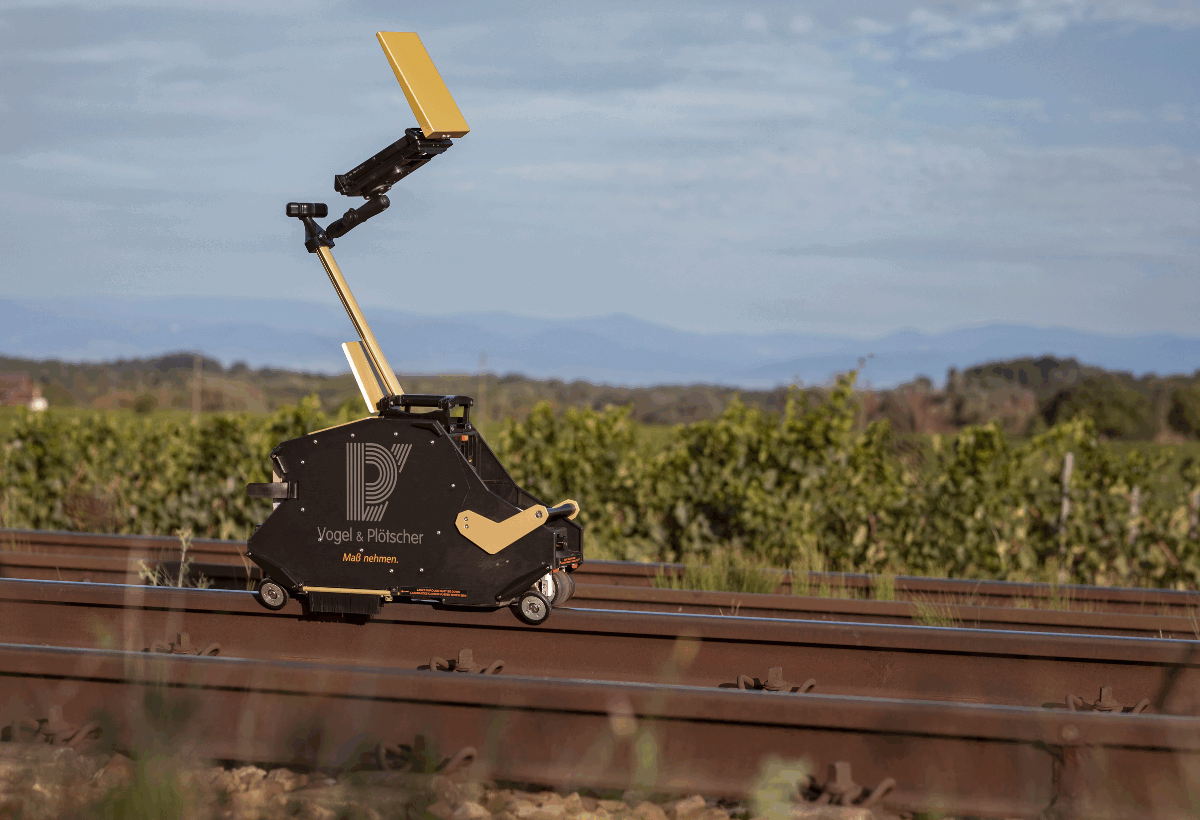
Rail defects rarely occur in the same way. Some appear as isolated surface damage, such as squats or spalling, while others develop gradually over longer sections of track in the form of deformation or corrugation. Each defect type requires a dedicated treatment strategy to restore the rail profile, extend rail life and ensure safe, reliable railway operations. ROBEL provides a complete rail treatment portfolio that addresses every stage of the maintenance process – from defect analysis and simulation to precision machining, measurement and documentation.
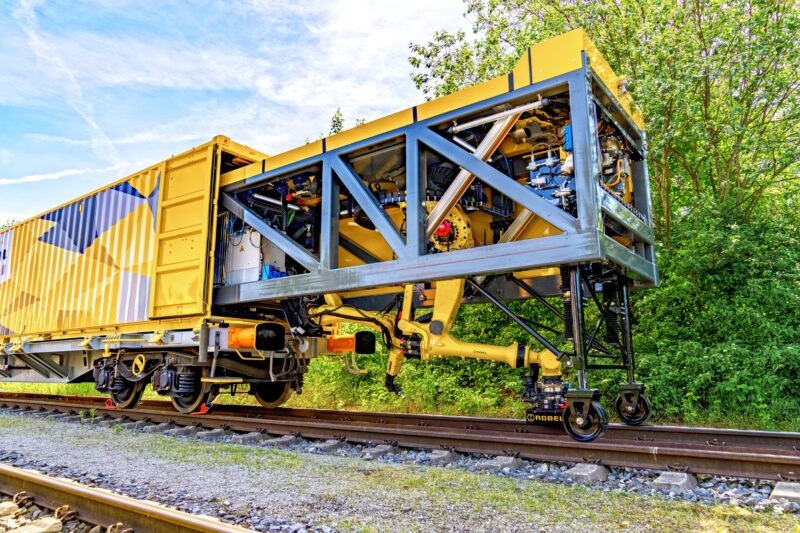
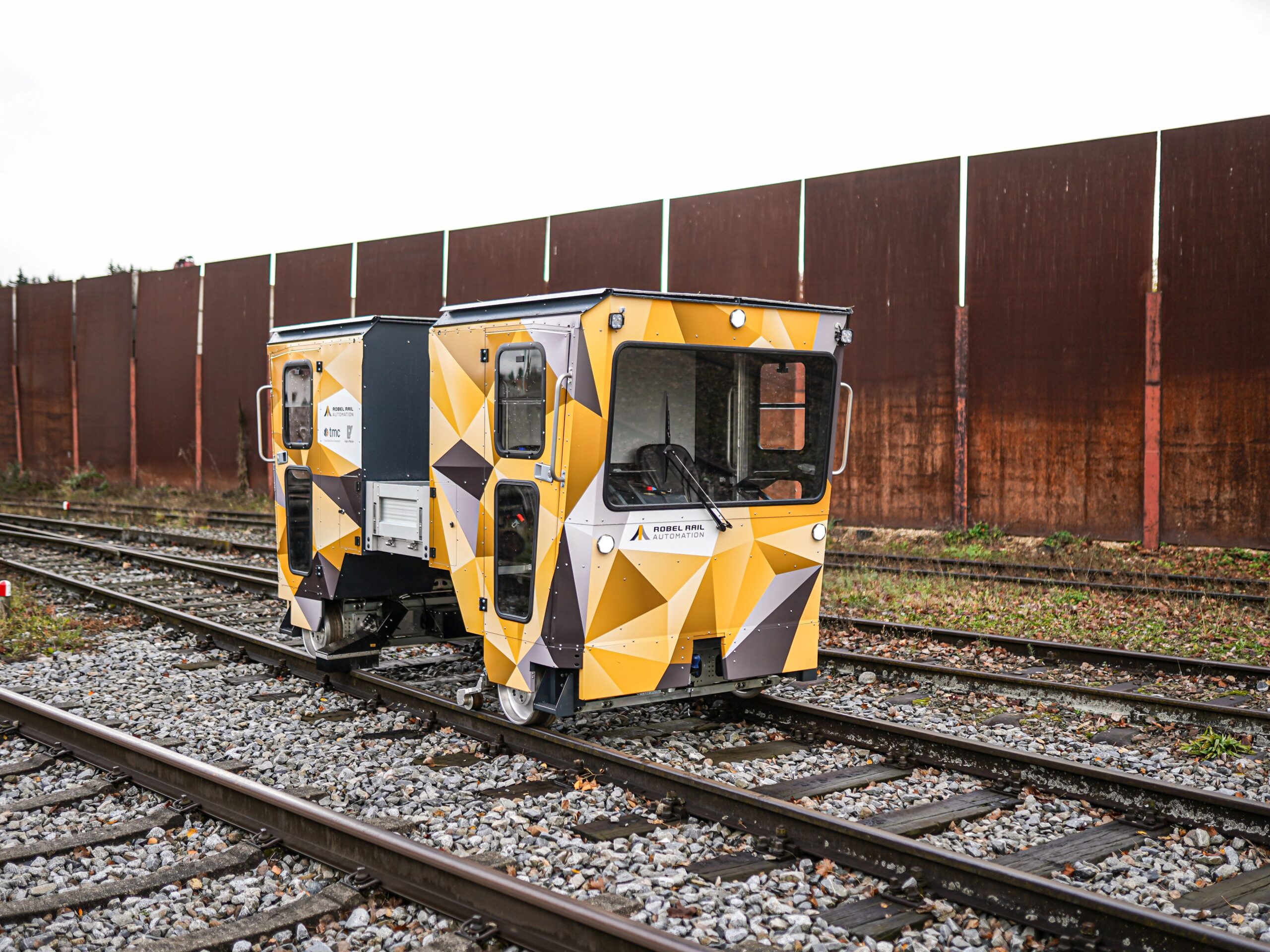
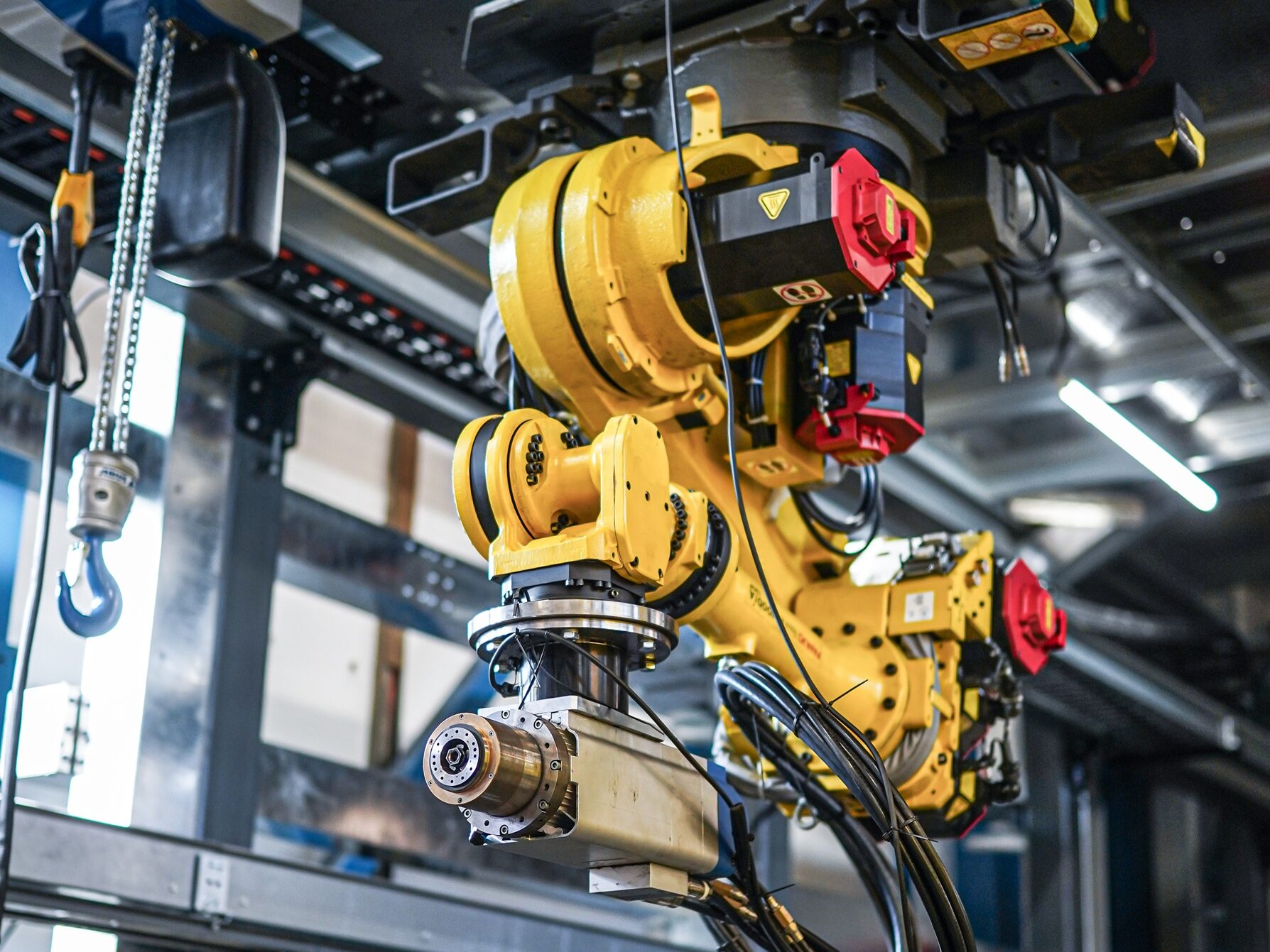
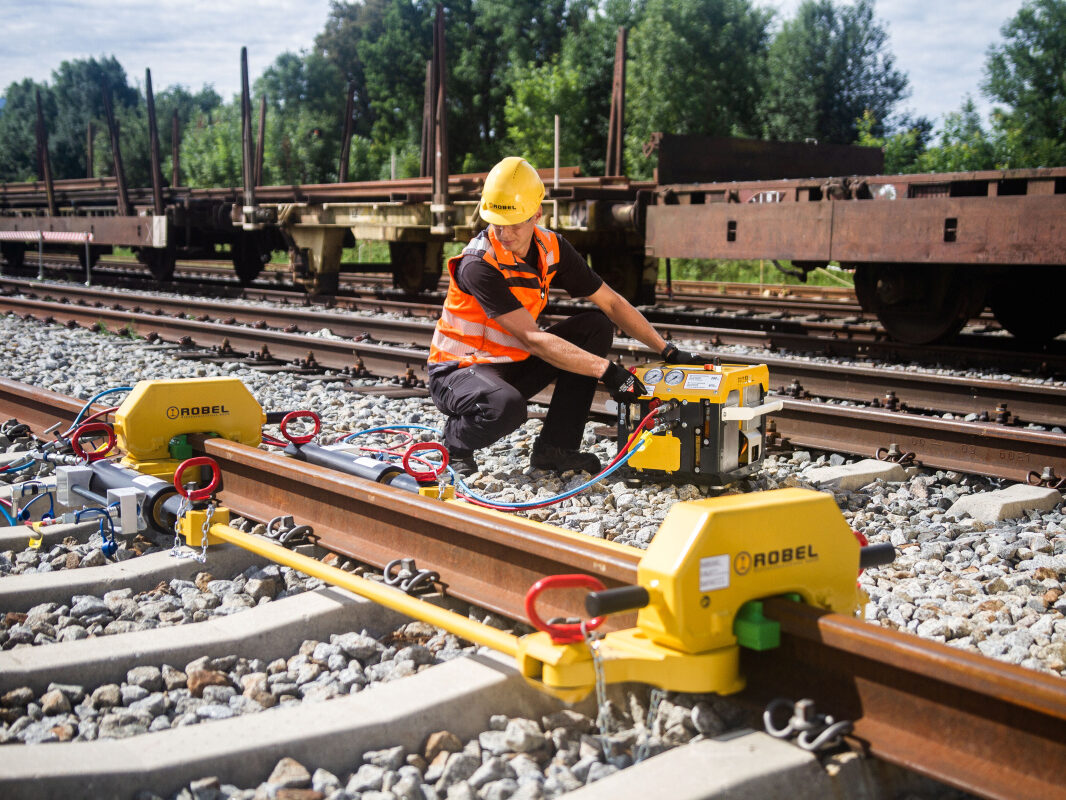
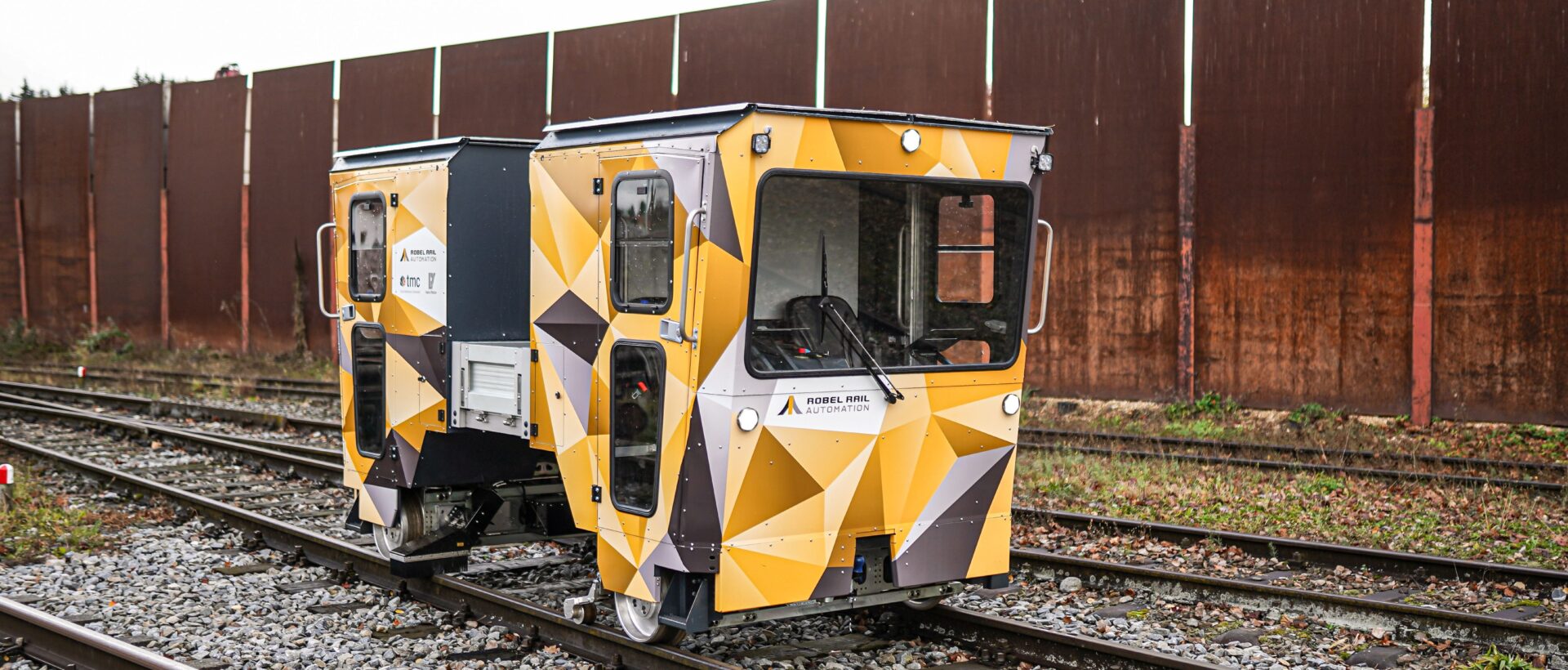
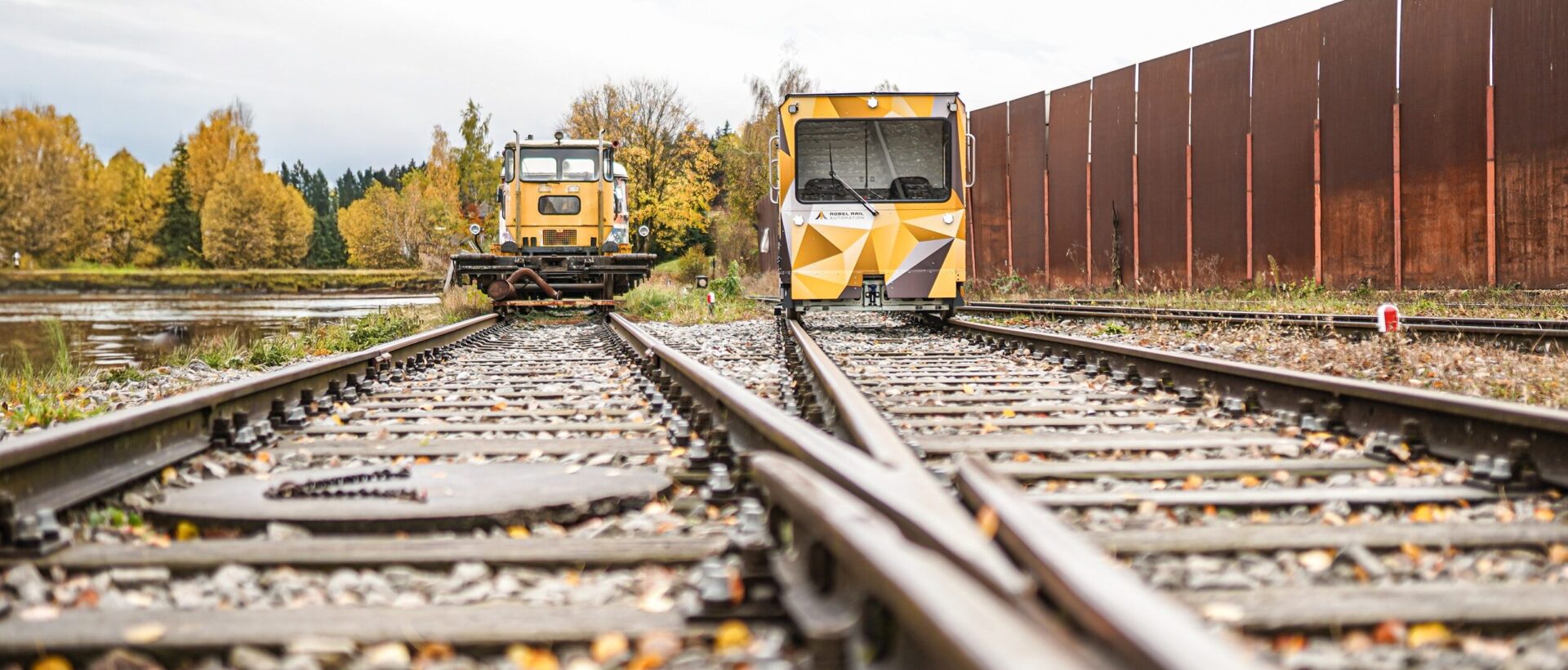
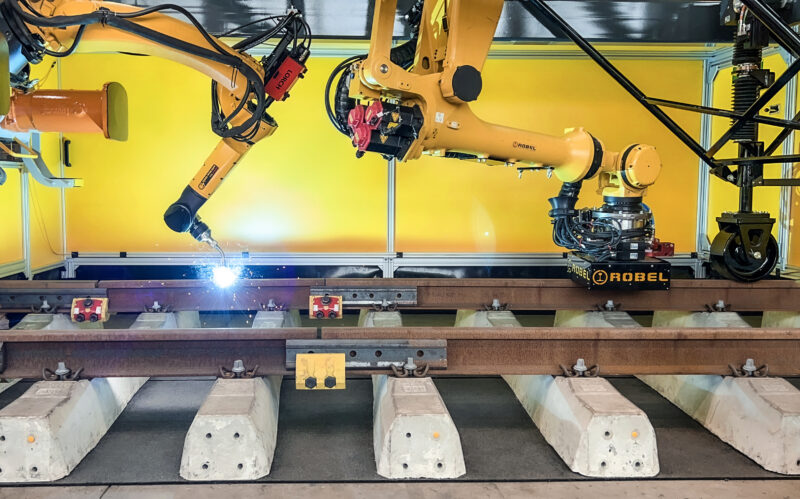
For localized defects, ROBEL Rail Automation combines digital planning with automated execution. The ROBOT is designed for the automated repair of deep and local rail defects. The process starts with a digital scan and measurement of the rail to identify and assess defects. Based on this data, ROBOT mills out the damaged area, prepares the rail, performs automated welding and restores the rail profile by grinding. A final measurement verifies the repair quality and digitally documents the result. Combined with subsequent rail reprofiling, ROBOT is part of a closed rail treatment loop that extends rail life and maximizes infrastructure availability.
Long-Section Rail Defect Removal
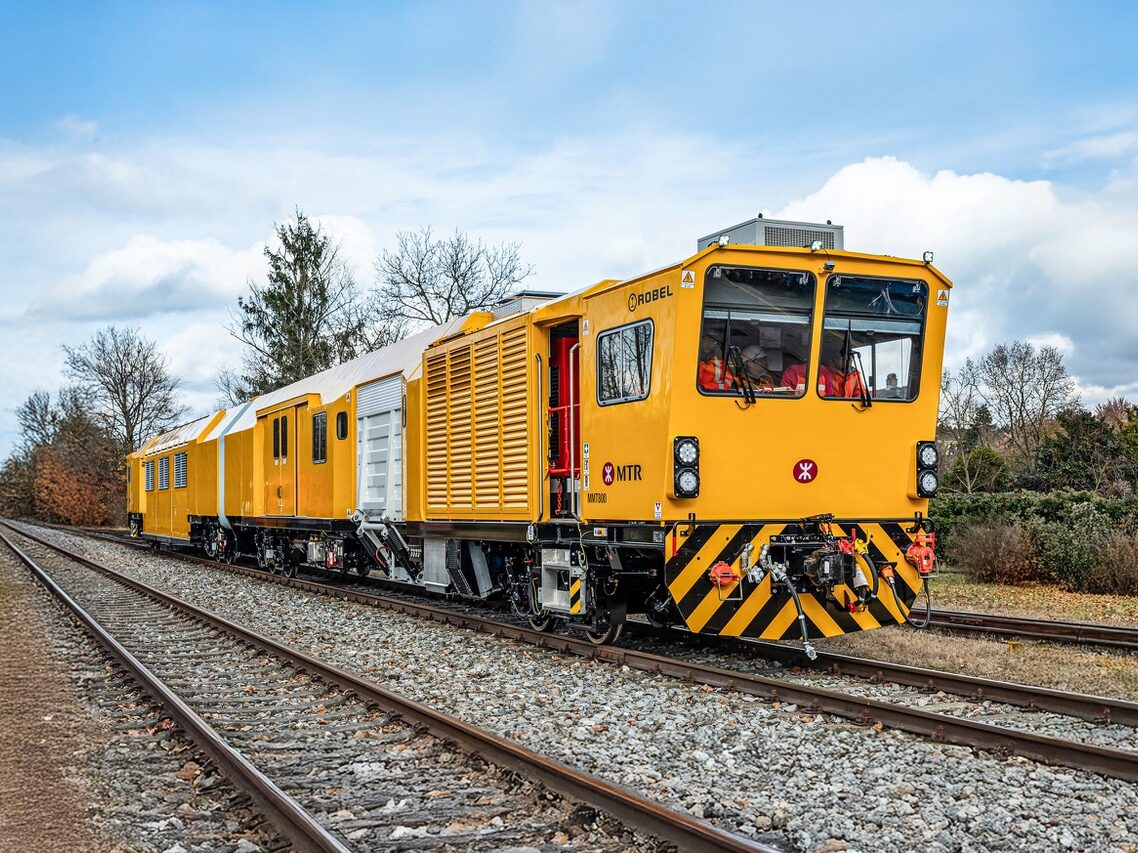
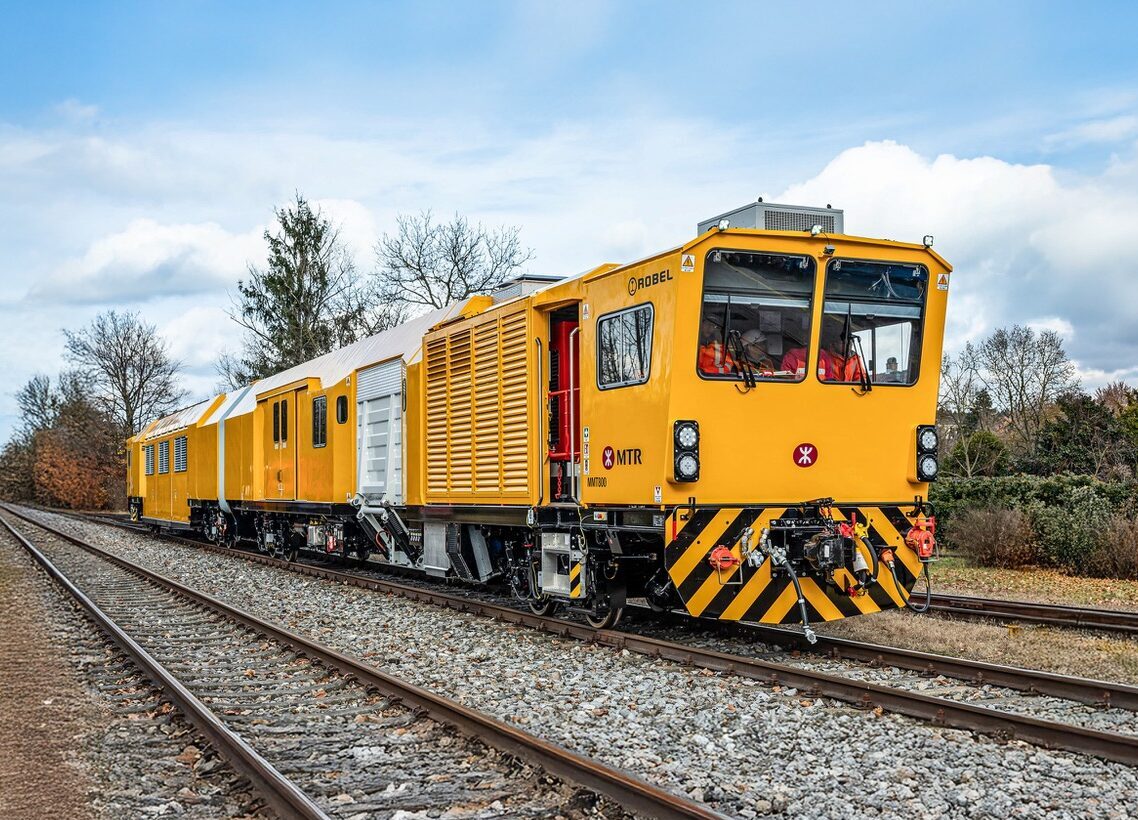
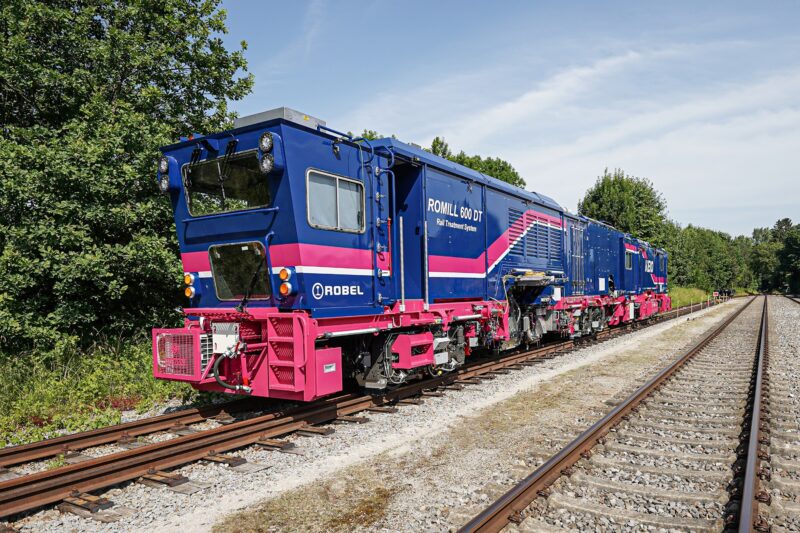
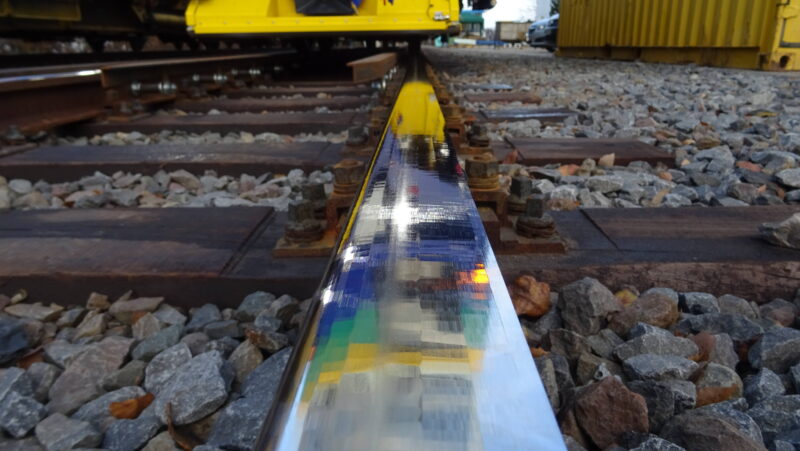
When defects extend across longer rail sections, the ROMILL system provides the ideal solution. Designed for modern corrective rail treatment, it removes corrugation, deformation and advanced rail defects while simultaneously restoring the target rail profile. ROBEL’s integrated milling, finishing and measurement technologies allow defects to be measured, removed and documented in a single pass. The process optimizes wheel–rail contact, reduces noise, minimizes rolling resistance and wear, lowers life-cycle costs and significantly increases rail service life. Depending on the application, the portfolio offers solutions for urban networks as well as heavy-haul and mainline railways, with scalable machine concepts for different performance requirements.
An End-to-End Rail Treatment Solution
The strength of the ROBEL rail treatment portfolio lies in its end-to-end approach. Instead of treating individual symptoms, it combines automation, precision milling, grinding, advanced measurement technology and comprehensive service into one coordinated maintenance strategy. Customers benefit from a seamless workflow that begins with accurate defect assessment, continues through efficient removal and reprofiling, and concludes with documented treatment results. By integrating every step into one process, ROBEL not only corrects existing rail defects but also helps prevent future damage, enabling infrastructure managers to maximize network availability, improve operational safety and reduce maintenance costs over the entire life cycle of the rail.
This article was originally published by ROBEL.